
Horse breed
Burguete
The Burguete breed originates from Navarre, in the Spanish Pyrenees. It was developed in the early 20th century through crosses between local Pyrenean-type mares (Jaca Navarra) and stallions of French draft breeds such as the Breton, Comtois, and Percheron.
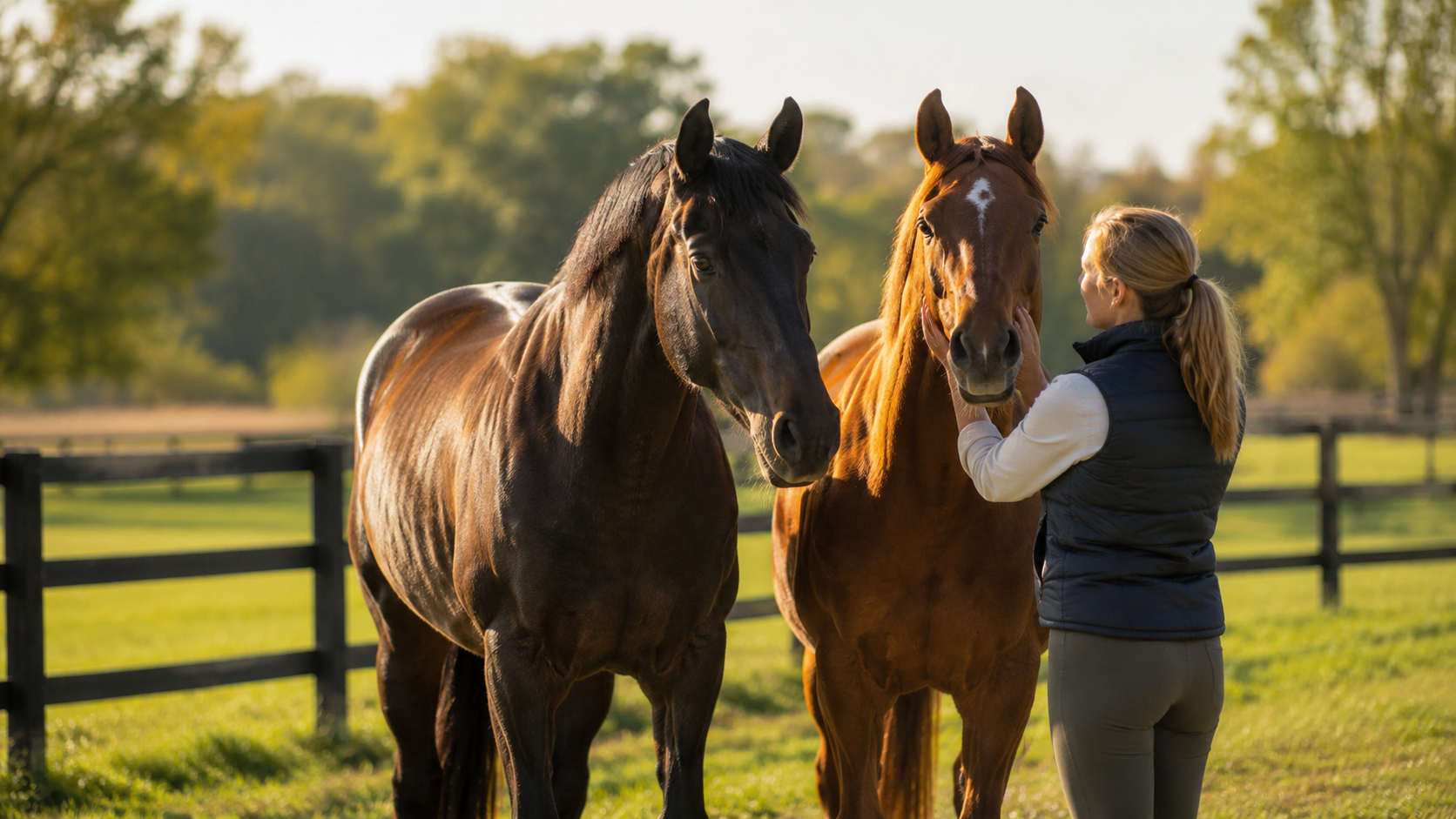
The breed at a glance
The Burguete is renowned for its calm, docile, and willing temperament. It is a courageous, enduring, and very people-oriented horse, making it a reliable partner for work. It is also intelligent and easy to train.
- Category
- hardy breed
- Origin
- Spain · Early 20th century
- Height at withers
- 145–155 cm
- Weight
- 500–650 kg
- Lifespan
- 20-25 years
- Common coats
- chestnut, bay, black
- Disciplines
- draft work, competition driving (recreational), equestrian trail riding
- Other names
- Caballo Burguete, Burguete Horse
Origin and history
The Burguete breed originates from Navarre, in the Spanish Pyrenees. It was developed in the early 20th century through crosses between local Pyrenean-type mares (Jaca Navarra) and stallions of French draft breeds such as the Breton, Comtois, and Percheron. The objective was to create a robust and versatile draft horse, adapted to agricultural and forestry work in the mountains. The breed was officially recognized in Spain, and a studbook was established to preserve its characteristics.

Conformation and physique
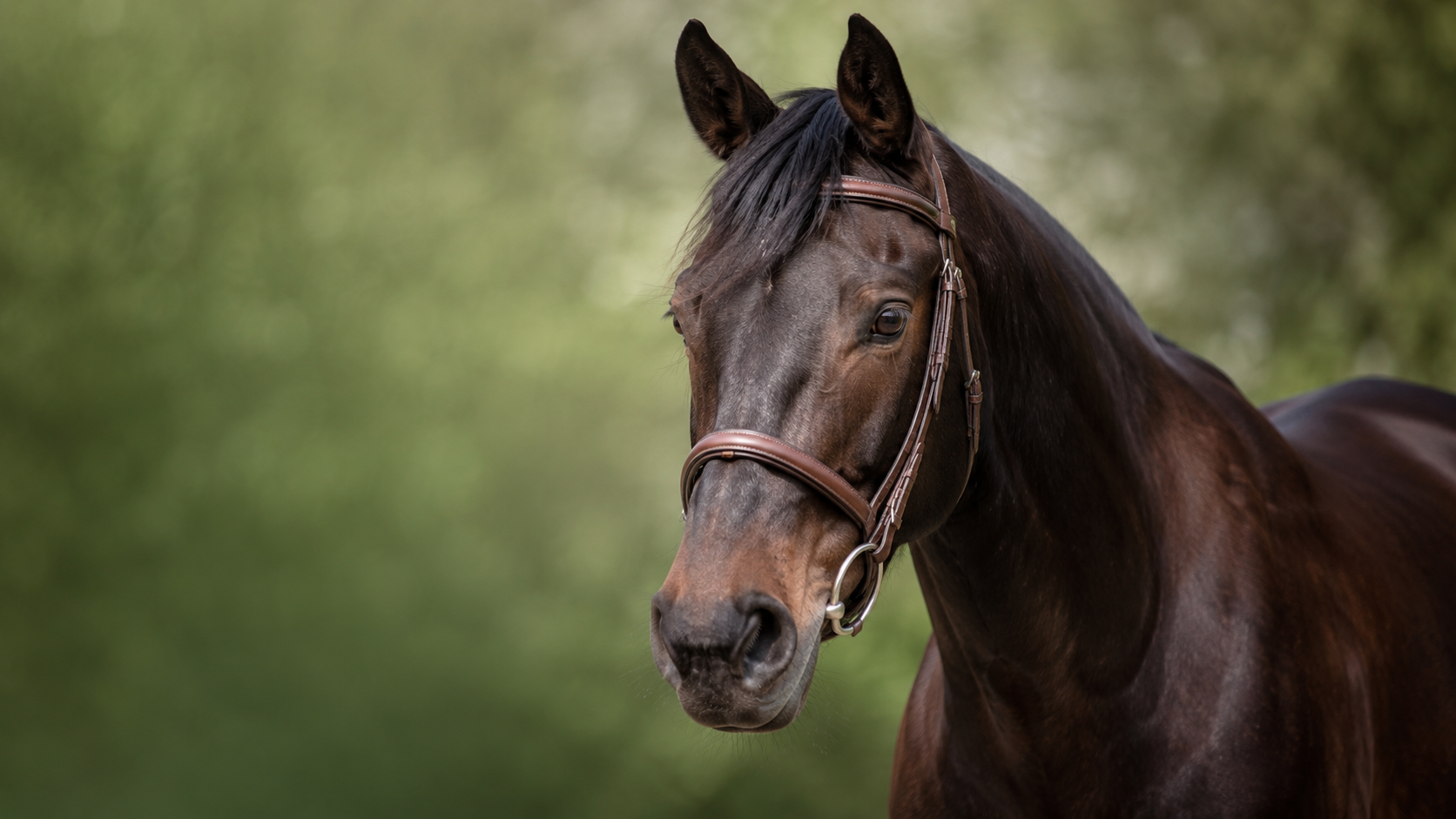
The Burguete is a medium-sized draft horse, robust and compact, with solid bone structure and well-developed musculature. It presents a harmonious silhouette, typical of light draft horses, combining strength and agility.
The head is medium-sized, expressive, with a straight or slightly convex profile. The eyes are large and lively, the ears medium-sized and well-set. The nasal bridge is broad.
The neck is short, thick, and muscular, well-set on the body. The withers are broad and not very prominent, blending harmoniously into the back.
The back is short, broad, and strong, with a straight and muscular topline. The chest is ample and deep, offering good respiratory capacity. The croup is broad, rounded, and powerful, often double.
The limbs are short, solid, and well-muscled, with broad joints and correct conformation. The cannons are short, and the feet are broad, round, and resilient. Moderate feathering is present.
- Common coats: chestnut, bay, black
Temperament and aptitudes
The Burguete is renowned for its calm, docile, and willing temperament. It is a courageous, enduring, and very people-oriented horse, making it a reliable partner for work. It is also intelligent and easy to train.
The gaits are expansive, energetic, and regular, with good impulsion. The walk is sure-footed and ground-covering, the trot is active, and the canter is balanced, reflecting its versatility and adaptation to varied terrains.
- Uses: agricultural work (plowing, logging), forestry work, recreational and competitive driving, recreational riding, meat (historically and still locally)
- Disciplines: draft work, competition driving (recreational), equestrian trail riding
Feeding the Burguete
The Burguete is a hardy horse with a rather efficient metabolism, adapted to mountain living conditions. It tends to utilize coarse forages well. It is important to monitor its weight as it can easily become overweight if its diet is not adjusted to its activity level. A diet based on good quality hay is generally sufficient, with concentrated supplements only in cases of intense work or specific needs.
As a hardy breed potentially prone to obesity, the Burguete may be more susceptible to the risks of laminitis and Equine Metabolic Syndrome (EMS) if overfed or if it has unlimited access to rich pastures. There is no documented predisposition to pathologies such as PSSM or specific sugar/starch sensitivities beyond what is observed in hardy breeds in general.
With Equio, every feed, supplement or treat is read against the horse's real profile (age, weight, Body Condition Score, conditions) — useful for a Burguete as soon as a metabolic or digestive sensitivity is known.
Health and points to watch
Particular attention should be paid to weight management to prevent metabolic risks. The robustness of its feet requires regular and appropriate trimming to maintain their integrity, especially if it works on varied terrains. Annual dental check-ups are recommended to ensure proper chewing.
- More frequent conditions: joint problems related to age or intense work, hoof conditions if care is not regular
Care and grooming
Care for the Burguete is relatively simple. Its robust hooves require regular trimming every 6 to 8 weeks. The mane and feathers, although present, are not excessively abundant, and regular brushing is sufficient. Its dense coat protects it well from the elements, and clipping is generally not necessary except for aesthetic reasons or comfort during intense work.
Did you know?
- The Burguete is often used in traditional festivals and parades in Navarre, where it is appreciated for its beauty and docility.
- Despite its origin as a draft horse, its versatility allows it to be ridden, particularly for mountain trekking.
- The breed played a crucial role in the rural economy of the Spanish Pyrenees before the mechanization of agriculture.
The Burguete and how to track it
The Burguete breed is not very common in France, its breeding being mainly concentrated in its region of origin in Spain. A few individuals may be imported for recreational driving or trekking, but there is no significant breeding population in France.
Equio lets you build a complete profile for a Burguete: identity, weight, Body Condition Score, feeding, conditions, care reminders (vaccines, worming, trimming) and an exportable health log. The breed sets the identity; everyday decisions still depend on the real horse and your vet's advice.
- Record the activity level: rest, leisure, sport or breeding
- Add known conditions or sensitivities
- Scan feeds, plants and care products
- Keep reminders (vaccines, worming, trimming)
- Prepare a PDF export before a vet appointment
Frequently asked questions
Is the Burguete a good horse for beginners?
Yes, thanks to its calm, docile, and willing temperament, the Burguete is generally an excellent choice for beginner riders or those looking for a reliable and safe horse, especially for driving or trekking.
What is the acquisition cost of a Burguete horse?
The cost of a Burguete can vary considerably depending on age, training level, lineage, and location. In Spain, prices are generally moderate for a draft horse. In France, importation can increase the cost.
Is the Burguete suitable for hot climates?
Originating from the Pyrenees, the Burguete is well-adapted to temperate and mountainous climates. Its hardiness allows it to withstand temperature variations, but like any horse, it will need adequate protection and hydration in case of prolonged intense heat.
Can you do show jumping with a Burguete?
Although the Burguete is agile for a draft horse, it is not naturally predisposed to high-level show jumping due to its heavier build and conformation. However, it can enjoy small recreational jumps or jumping on varied terrain.
What is the availability of Burguetes in France?
The availability of Burguetes in France is very limited. It is rare to find them for sale directly within French territory. Acquisition is most often done by importing from Spain, which may require specific procedures.