
Horse breed
Percheron
The Percheron originates from the Perche region in France. Its ancestors were medieval warhorses, crossed over centuries with oriental horses, particularly Arabian stallions, to refine the breed.

The breed at a glance
The Percheron is renowned for its calm, gentle, and docile temperament. It is a willing, courageous, and intelligent horse, easy to handle and train, making it an excellent working partner.
- Category
- draft horse
- Origin
- France · Middle Ages (established in the 19th century)
- Height at withers
- 155–185 cm
- Weight
- 500–1200 kg
- Lifespan
- 25-30 years
- Common coats
- grey, black
- Disciplines
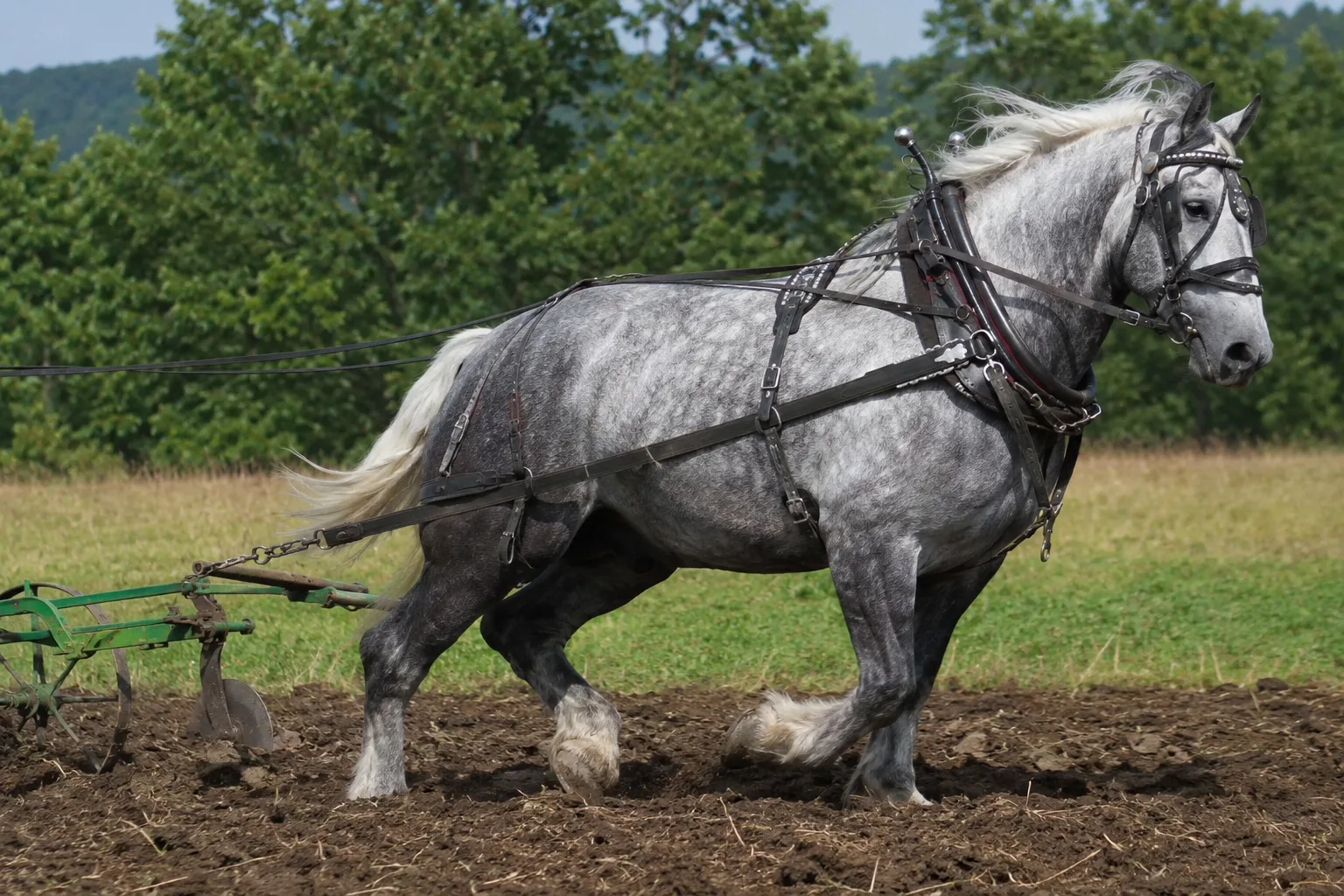
- competition driving, agricultural and forestry work, working equitation
Origin and history
The Percheron originates from the Perche region in France. Its ancestors were medieval warhorses, crossed over centuries with oriental horses, particularly Arabian stallions, to refine the breed. It was developed for its strength and endurance, becoming an agricultural draft horse and heavy transport horse. The breed was officially recognized and its studbook created in the 19th century.
Conformation and physique
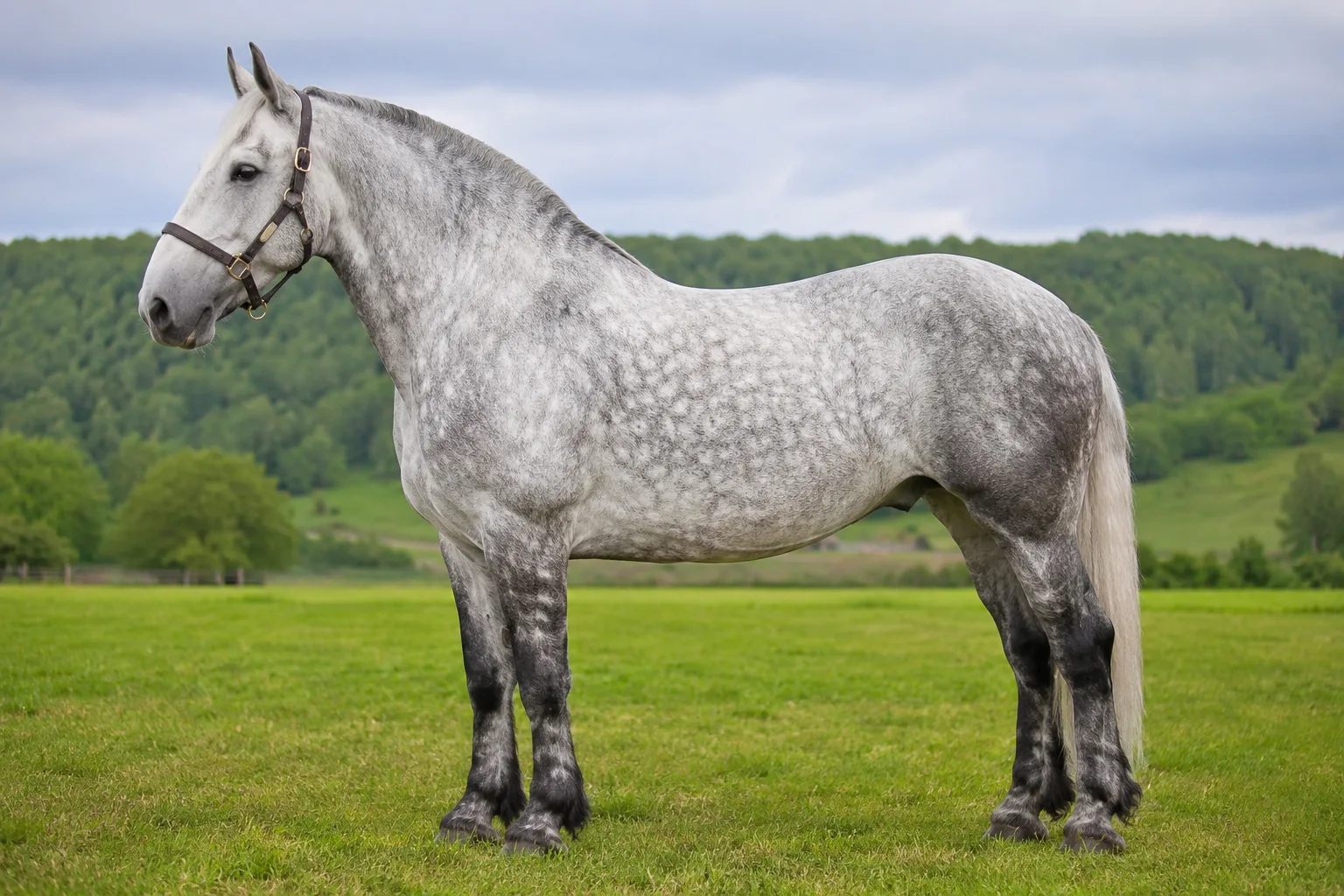
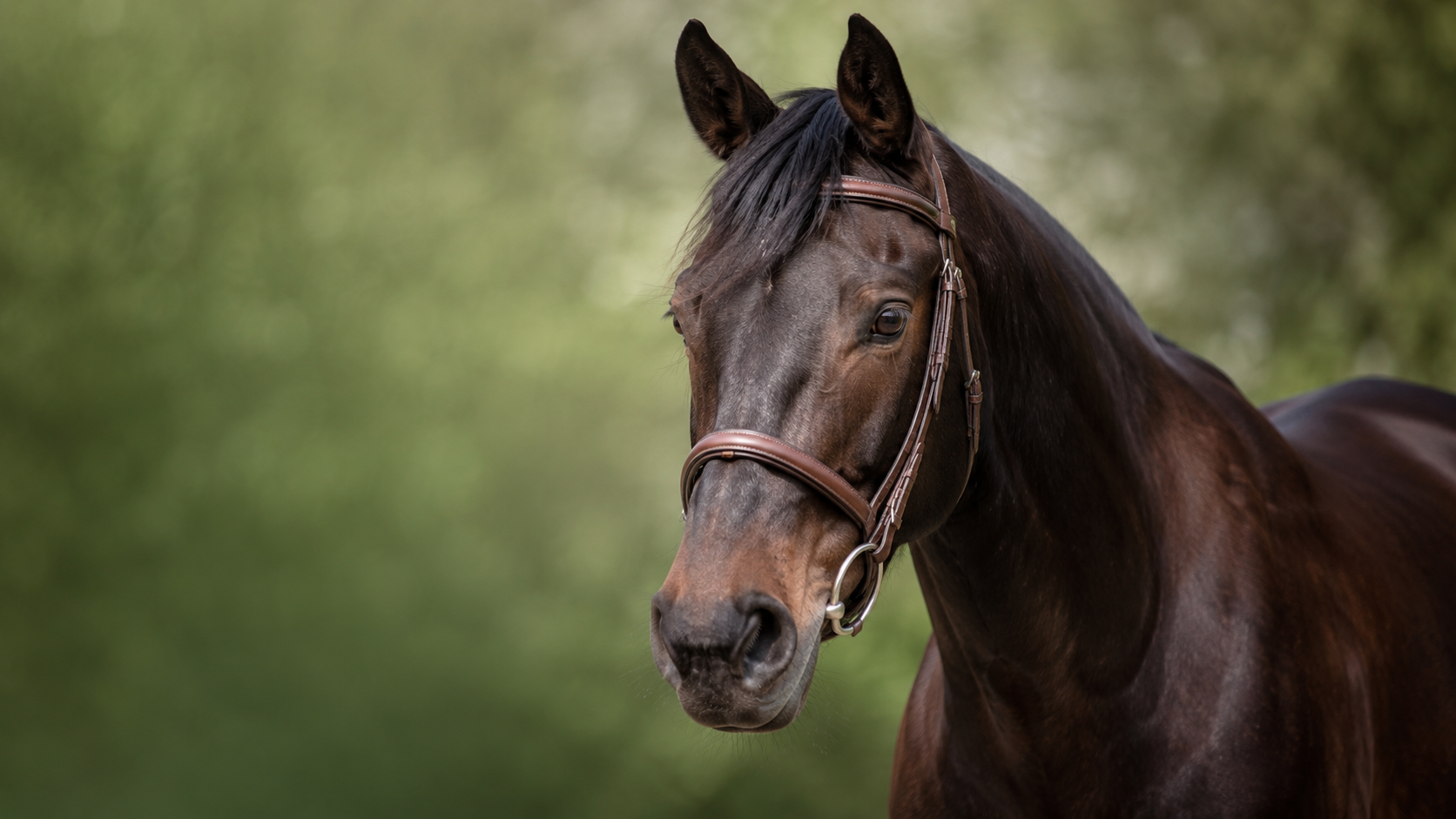
The Percheron is a large, powerful, and harmonious draft horse, with a massive yet elegant silhouette. It possesses strong bone structure and well-developed musculature, without excessive heaviness.
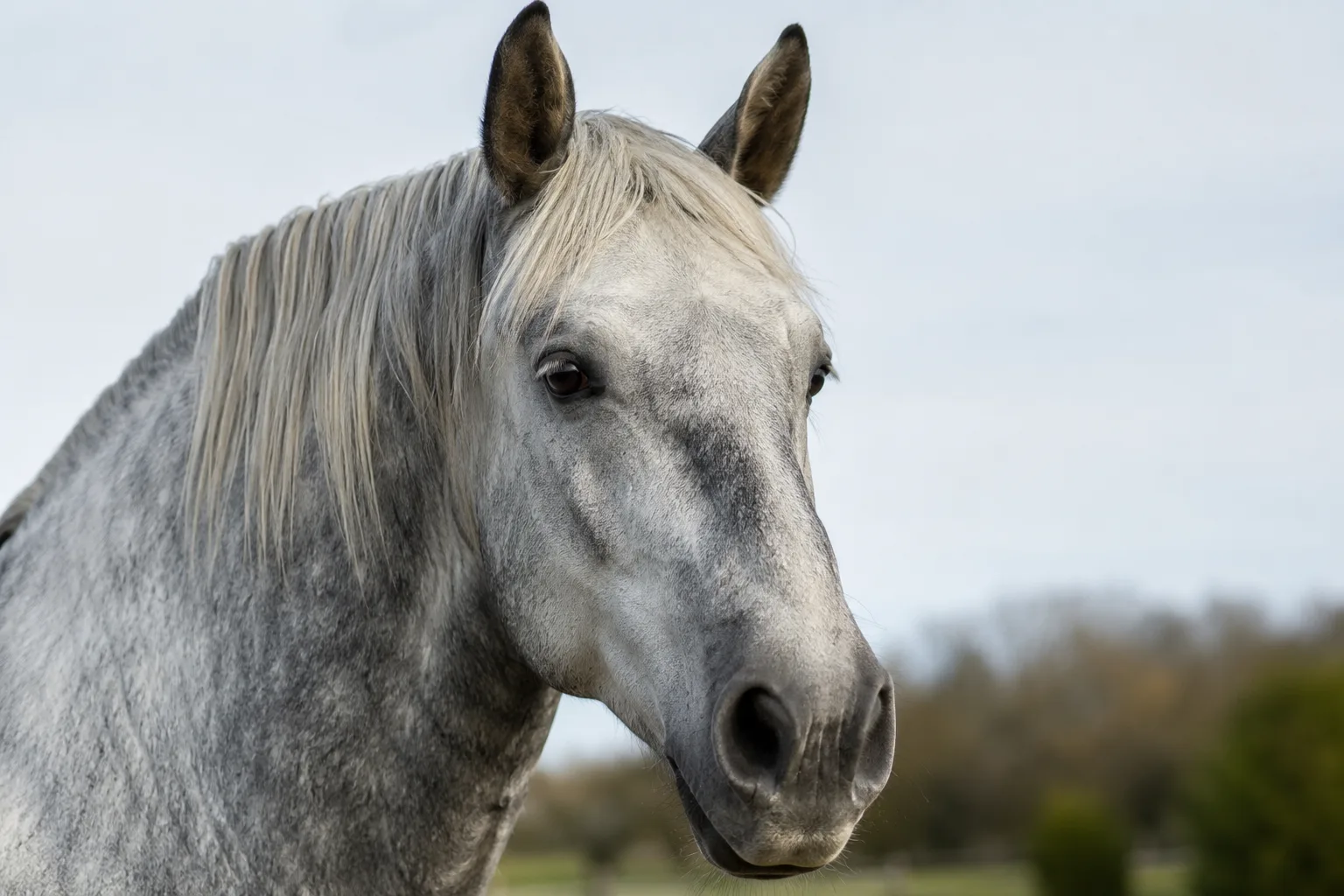
Expressive, medium-sized head, with a straight or slightly concave profile (straight face), a broad forehead, lively eyes, and well-set ears.
Long, muscular, well-arched neck, elegantly set, blending into a prominent and well-defined wither.
Short and broad back, taut and muscular topline. Deep and ample chest. Long, broad, and slightly sloping croup, often double.
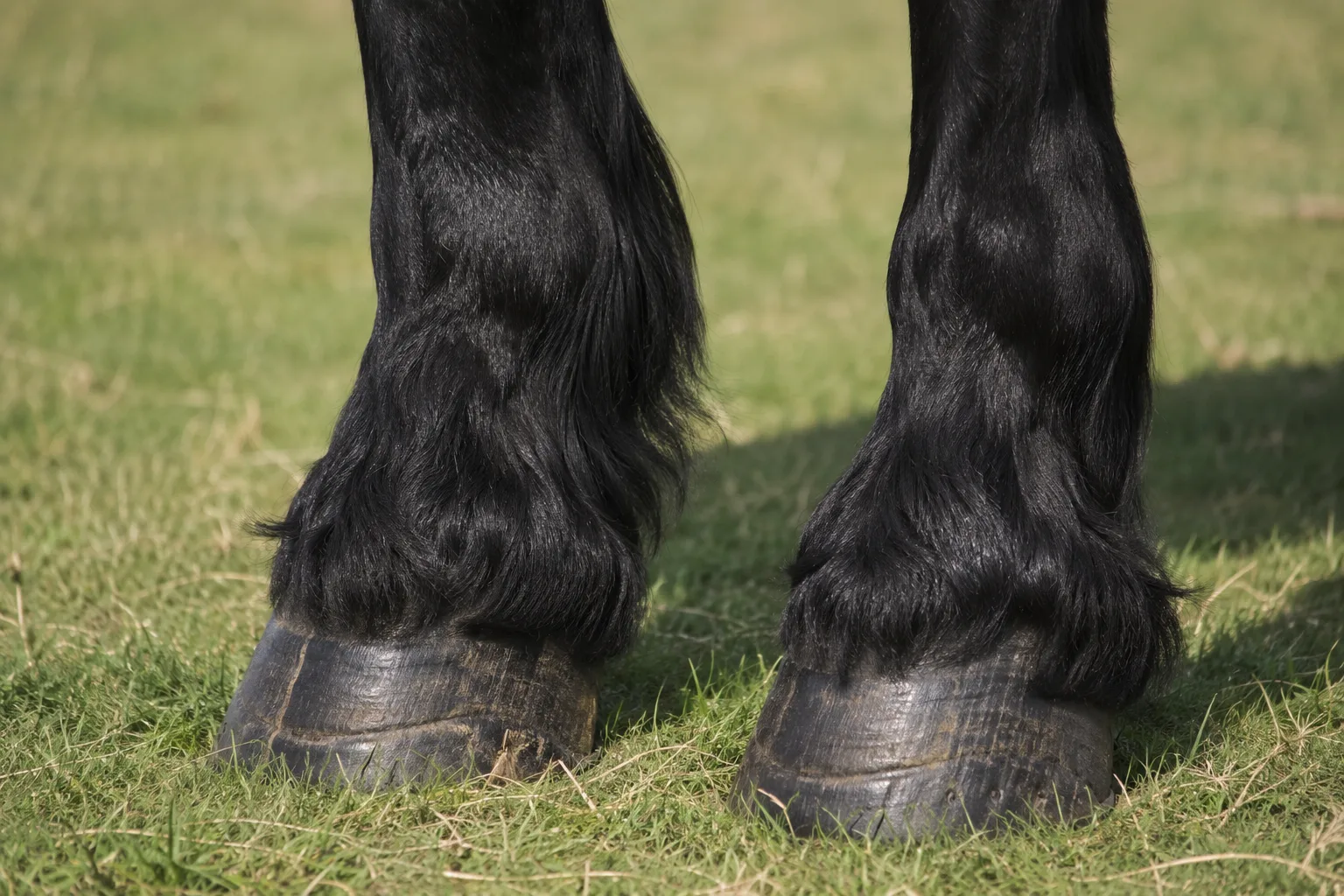
Strong and muscular limbs, with large and healthy joints. The cannons are short and strong. Feathering is present but not abundant, fine and silky.
- Common coats: grey, black
Temperament and aptitudes
The Percheron is renowned for its calm, gentle, and docile temperament. It is a willing, courageous, and intelligent horse, easy to handle and train, making it an excellent working partner.
The gaits are ample, supple, and energetic, with an extended walk and an elevated trot. Despite its mass, the Percheron moves with ease and good impulsion.
- Uses: agricultural draft, forestry logging, recreational and competitive driving, urban work (collection, carriages), meat (historically), leisure riding (ridden)
- Disciplines: competition driving, agricultural and forestry work, working equitation
Feeding the Percheron
The Percheron is a horse with a rather efficient metabolism, capable of effectively utilizing forage. It tends to gain weight if not sufficiently worked or if its diet is too rich. A diet based on good quality forage (hay, grass) is paramount. Concentrates should be adjusted sparingly according to the intensity of work to avoid overweight.
Like many draft horses with an efficient metabolism, the Percheron can be predisposed to Equine Metabolic Syndrome (EMS) and laminitis if overfed or sedentary. Vigilance is necessary regarding sugar and starch intake, especially for less active individuals.
With Equio, every feed, supplement or treat is read against the horse's real profile (age, weight, Body Condition Score, conditions) — useful for a Percheron as soon as a metabolic or digestive sensitivity is known.

Health and points to watch
Particular attention must be paid to the condition of the feet and the quality of trimming, as well as weight monitoring to prevent metabolic and articular problems. Regular exercise is essential to maintain good physical condition.
- More frequent conditions: articular conditions (osteoarthritis) due to size and weight, foot problems (cracks, abscesses) if care is not adequate, lymphangitis (in case of poor limb hygiene)
Care and grooming
Percheron hooves, often large and solid, require regular trimming appropriate for their size. Feathering, although not abundant, must be kept clean and dry to prevent skin conditions. The dense coat may require regular brushing, and clipping is often practiced for horses in intense work.
Did you know?
- The Percheron was widely exported to the United States in the 19th and early 20th centuries, where it became one of the most popular draft breeds.
- Black Percherons are particularly sought after for prestigious hitches and parades.
- Some Percherons were used to pull streetcars in the early 20th century in large cities.
The Percheron and how to track it
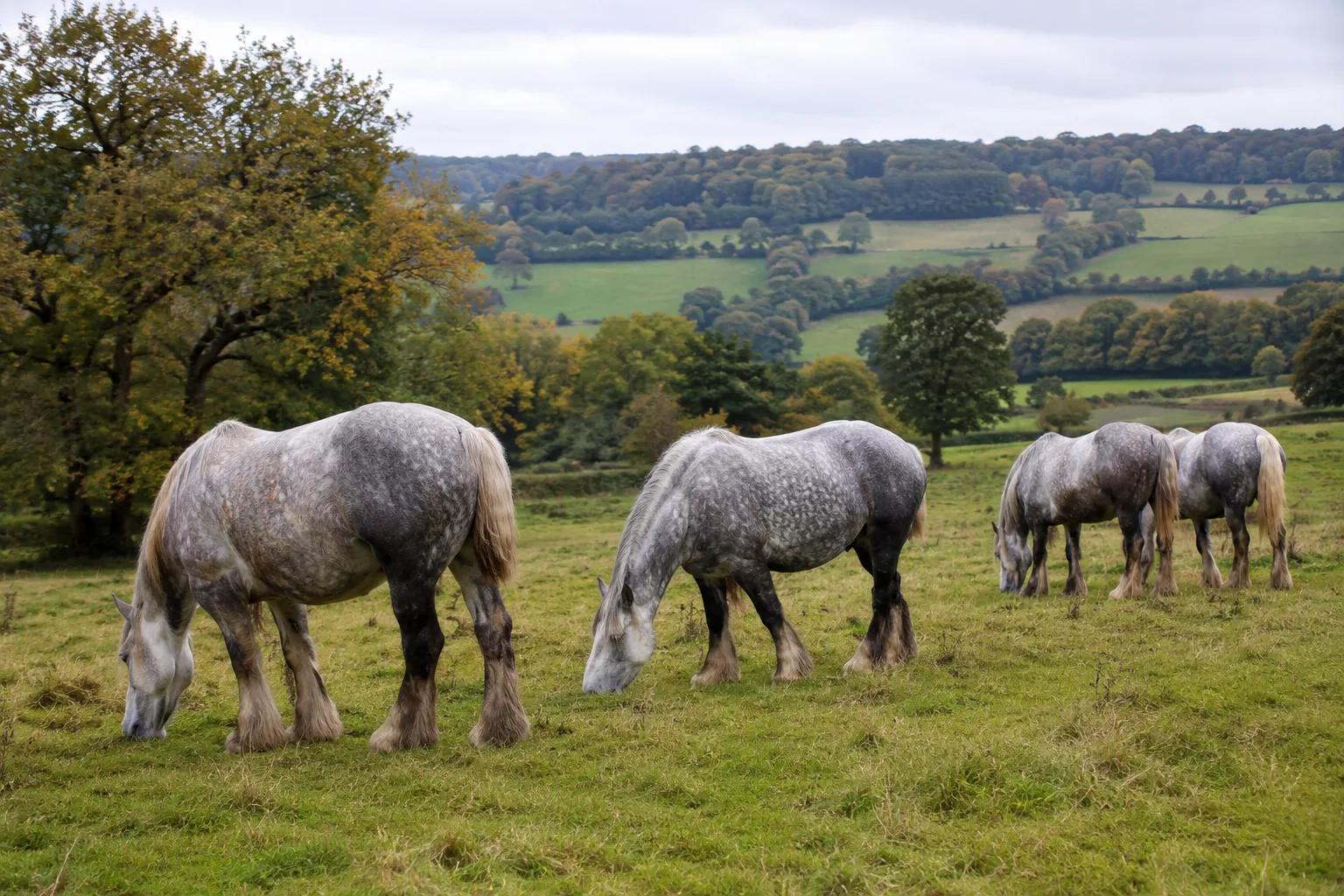
The Percheron is well represented in France, its country of origin, where it is bred for leisure driving, agricultural and forestry work, and breed promotion. It is an ambassador of French equine heritage.
Equio lets you build a complete profile for a Percheron: identity, weight, Body Condition Score, feeding, conditions, care reminders (vaccines, worming, trimming) and an exportable health log. The breed sets the identity; everyday decisions still depend on the real horse and your vet's advice.
- Record the activity level: rest, leisure, sport or breeding
- Add known conditions or sensitivities
- Scan feeds, plants and care products
- Keep reminders (vaccines, worming, trimming)
- Prepare a PDF export before a vet appointment
Frequently asked questions
Is the Percheron suitable for beginners?
Yes, thanks to its calm and docile temperament, the Percheron is often recommended for beginners, whether for driving or recreational riding. Its large size can, however, be intimidating at first.
What is the cost of maintaining a Percheron?
The cost of maintaining a Percheron is comparable to that of other large horses. It requires larger quantities of forage, but is generally less demanding in terms of concentrates. Farrier costs may be slightly higher due to the size of their feet.
Can a Percheron be ridden?
Absolutely. Although primarily known as a driving horse, the Percheron is also an excellent riding horse. It is comfortable, safe, and can be used for trail riding, working equitation, or leisure.
What is the difference between a grey Percheron and a black Percheron?
Coat color is the main difference. Percherons are often born black and turn grey with age. Both coat colors are accepted by the breed standard, but greys are more common. Black Percherons are highly sought after for their elegance.
Is the Percheron an endangered breed?
No, the Percheron is not considered an endangered breed. Although its use has evolved, it enjoys good popularity in France and abroad, particularly for driving and environmentally friendly land work.