
Horse breed
Spanish Barb
The Spanish Barb is a direct descendant of the Barb horses imported into Spain by the Moors as early as the 8th century. It was developed and selected in Spain before being exported to the Americas by the conquistadors, where it played a fundamental role in the development of many American breeds.
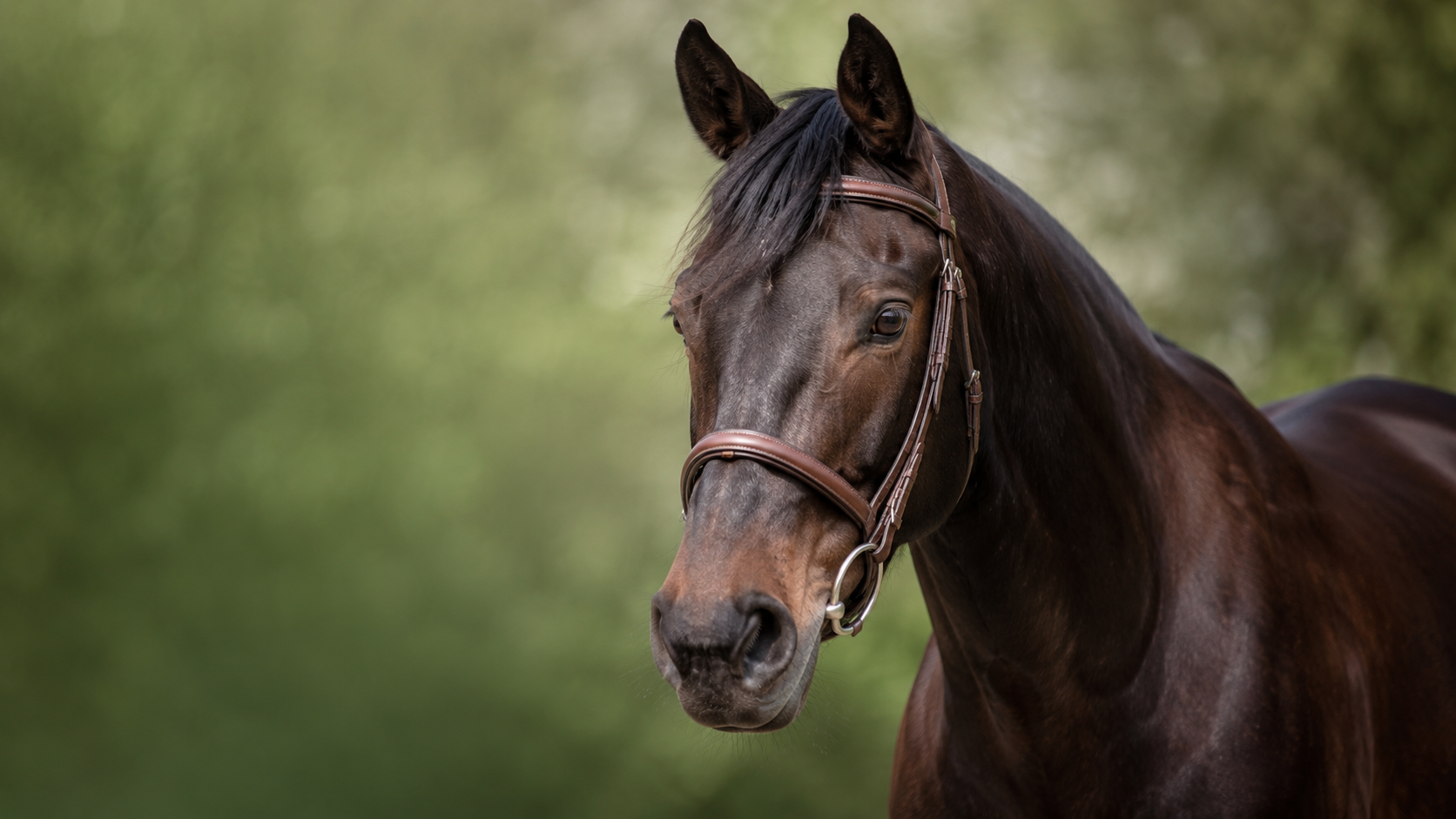
The breed at a glance
The Spanish Barb is renowned for its intelligence, liveliness, and great docility. It is a courageous, enduring, and willing horse, with an excellent cattle sense, making it a reliable and versatile partner.
- Category
- hardy breed
- Origin
- Spain · Antiquity / Middle Ages (established in the 16th century)
- Height at withers
- 137–152 cm
- Weight
- 360–450 kg
- Lifespan
- 25-35 years
- Common coats
- bay, black, chestnut, grey, palomino, dun, grullo
- Disciplines
- western riding, classical dressage, TREC, equestrian trail riding
- Other names
- Spanish Barb, Barbe Américain (pour les lignées américaines)
Origin and history
The Spanish Barb is a direct descendant of the Barb horses imported into Spain by the Moors as early as the 8th century. It was developed and selected in Spain before being exported to the Americas by the conquistadors, where it played a fundamental role in the development of many American breeds. The breed has been officially recognized in Spain and the United States to preserve its pure bloodlines.

Conformation and physique
A medium-sized horse, compact and muscular, with dense bone and great hardiness. It has a harmonious silhouette, typical of Iberian horses, but with a more rustic and athletic conformation.
Medium-sized head, often with a straight or slightly convex profile (ram's nose), large expressive eyes, wide nostrils, and well-set, mobile ears.
Medium-length neck, well-muscled and arched, blending harmoniously into a well-defined and extended wither.
Short, strong back, solid topline. Deep and wide chest. Rounded and muscular croup, often slightly sloping, with a low-set tail.
Strong, clean legs, with well-defined joints and clear tendons. Cannons are short and hooves are hard and well-formed. Little to no feathering.
- Common coats: bay, black, chestnut, grey, palomino, dun, grullo
Temperament and aptitudes
The Spanish Barb is renowned for its intelligence, liveliness, and great docility. It is a courageous, enduring, and willing horse, with an excellent cattle sense, making it a reliable and versatile partner.
The gaits are supple, energetic, and balanced, with good impulsion. The walk is ample, the trot is elevated, and the canter is powerful and rhythmic, demonstrating great agility.
- Uses: working horse (cattle), trail riding, recreational riding, dressage, equestrian show, family horse
- Disciplines: western riding, classical dressage, TREC, equestrian trail riding, cattle work
Feeding the Spanish Barb
The Spanish Barb is a horse with an efficient metabolism, inherited from its hardy origins. It is capable of utilizing medium-quality forage and tends to gain weight easily. A diet based primarily on good quality hay is often sufficient. Concentrates are only necessary in cases of intense work or specific needs and must be managed carefully to avoid obesity.
Due to its efficient metabolism, the Spanish Barb can be predisposed to Equine Metabolic Syndrome (EMS) and laminitis if overfed or given unlimited access to rich pastures. Careful monitoring of its weight and rigorous management of its diet are essential.
With Equio, every feed, supplement or treat is read against the horse's real profile (age, weight, Body Condition Score, conditions) — useful for a Spanish Barb as soon as a metabolic or digestive sensitivity is known.

Health and points to watch
Carefully monitor the horse's weight and adjust its diet accordingly to prevent obesity and metabolic disorders. Particular attention should be paid to hoof quality; although generally robust, they require regular trimming.
- More frequent conditions: laminitis (in case of poor dietary management), Equine Metabolic Syndrome (EMS)
Care and grooming
The Spanish Barb's hooves are generally very hard and resistant, requiring regular trimming but often less intensive than other breeds. The mane and tail are often full and may require regular detangling. The coat is easy to maintain and does not require specific care; clipping is generally not necessary except for the horse's comfort during intense work.
Did you know?
- The Spanish Barb is considered the ancestor of many American breeds, including the Quarter Horse, Mustang, and Criollo.
- It is often confused with the North African Barb horse, but it is a distinct lineage developed in Spain.
- Its cattle working ability is legendary, inherited from centuries of selection for work on Spanish and American ranches.
The Spanish Barb and how to track it
The Spanish Barb breed is not widely represented in France as a pure breed, but its bloodlines have influenced many Iberian breeds present there. A few passionate breeders are working to promote and develop it for its exceptional qualities.
Equio lets you build a complete profile for a Spanish Barb: identity, weight, Body Condition Score, feeding, conditions, care reminders (vaccines, worming, trimming) and an exportable health log. The breed sets the identity; everyday decisions still depend on the real horse and your vet's advice.
- Record the activity level: rest, leisure, sport or breeding
- Add known conditions or sensitivities
- Scan feeds, plants and care products
- Keep reminders (vaccines, worming, trimming)
- Prepare a PDF export before a vet appointment
Frequently asked questions
Is the Spanish Barb a good horse for beginners?
Yes, thanks to its calm, intelligent, and willing temperament, the Spanish Barb can be an excellent horse for beginner or intermediate riders, provided they have appropriate guidance.
What is the difference between a Barb and a Spanish Barb?
The Barb is the original breed from North Africa. The Spanish Barb is a lineage of the Barb that was developed and selected in Spain over centuries, acquiring specific characteristics while retaining the essence of the original Barb.
Is the Spanish Barb suited to the French climate?
Absolutely. It is a hardy and resilient breed, capable of adapting to a wide variety of climates, including those in France. It tolerates temperature variations well.
Where can Spanish Barbs be found in France?
The breed is rare in France, but a few specialized and passionate breeders are working on its preservation. It is advisable to contact breed associations or search for dedicated breeding farms to find a Spanish Barb.
What is the cost of a Spanish Barb?
The price of a Spanish Barb can vary considerably depending on age, training level, bloodlines, and the breeding farm. Being a rare breed, prices may be higher than for more common breeds, but they reflect the quality and rarity of these horses.