
Horse breed
Württemberger
Württemberger breeding began at the Marbach State Stud in the early 19th century, with crosses between local mares and stallions of various breeds such as the Anglo-Norman, Thoroughbred, Trakehner, and Arabian. The objective was to produce a versatile horse for agriculture and the military.
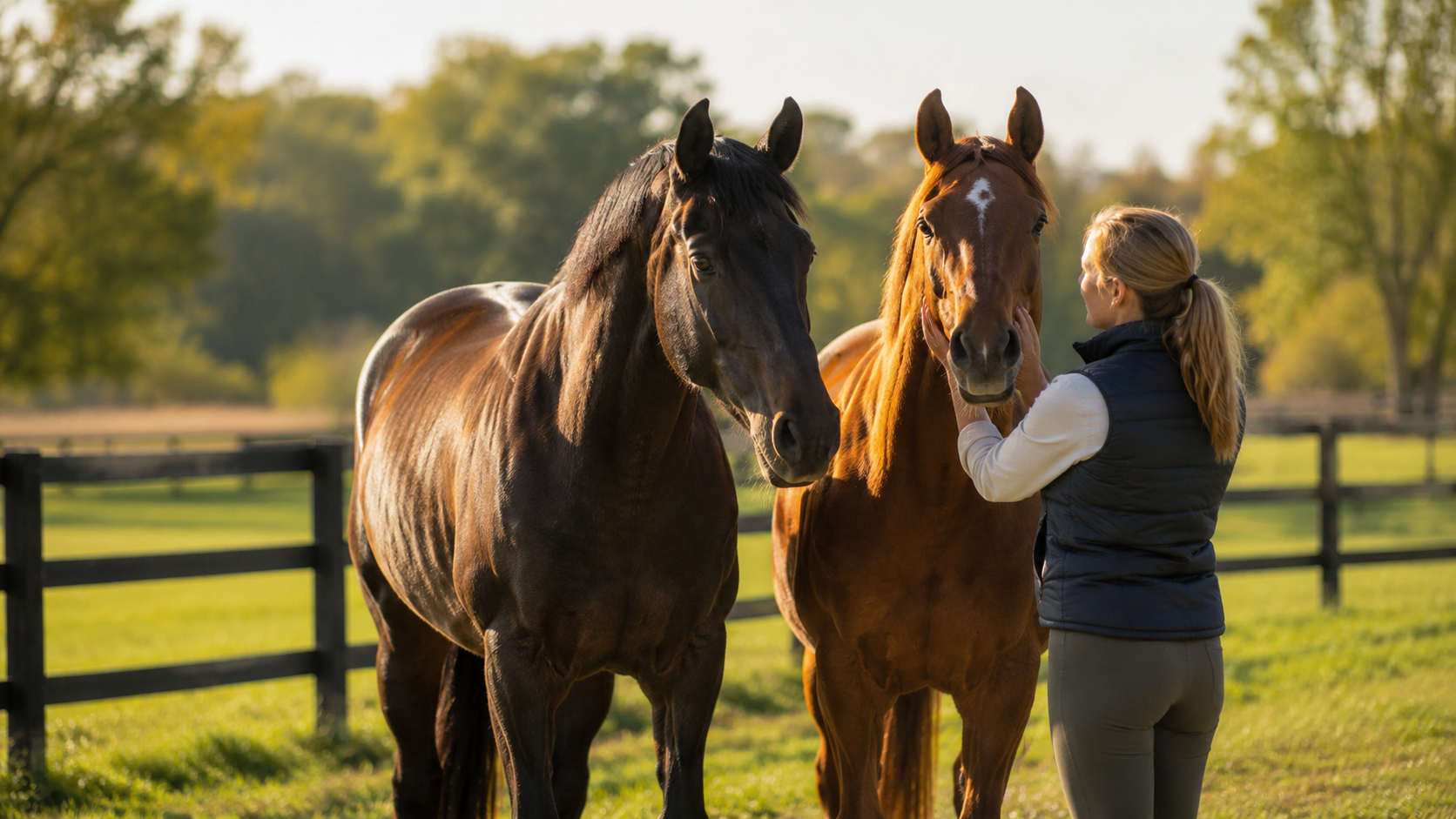
The breed at a glance
The Württemberger is renowned for its balanced, intelligent, and willing temperament. It is generally calm, cooperative, and easy to train, while demonstrating courage and determination in its work. It is a versatile horse, eager to please.
- Category
- sport horse
- Origin
- Germany · 19th century
- Height at withers
- 160–170 cm
- Weight
- 500–650 kg
- Lifespan
- 25-30 years
- Common coats
- bay, chestnut, black, grey
- Disciplines
- dressage, show jumping, eventing, driving
- Other names
- Baden-Württemberger, Warmblood du Bade-Wurtemberg
Origin and history
Württemberger breeding began at the Marbach State Stud in the early 19th century, with crosses between local mares and stallions of various breeds such as the Anglo-Norman, Thoroughbred, Trakehner, and Arabian. The objective was to produce a versatile horse for agriculture and the military. After World War II, the focus shifted towards a modern sport horse, with the introduction of Hanoverian, Holsteiner, and Thoroughbred blood. The breed is officially recognized by the Baden-Württemberg breeding association.

Conformation and physique
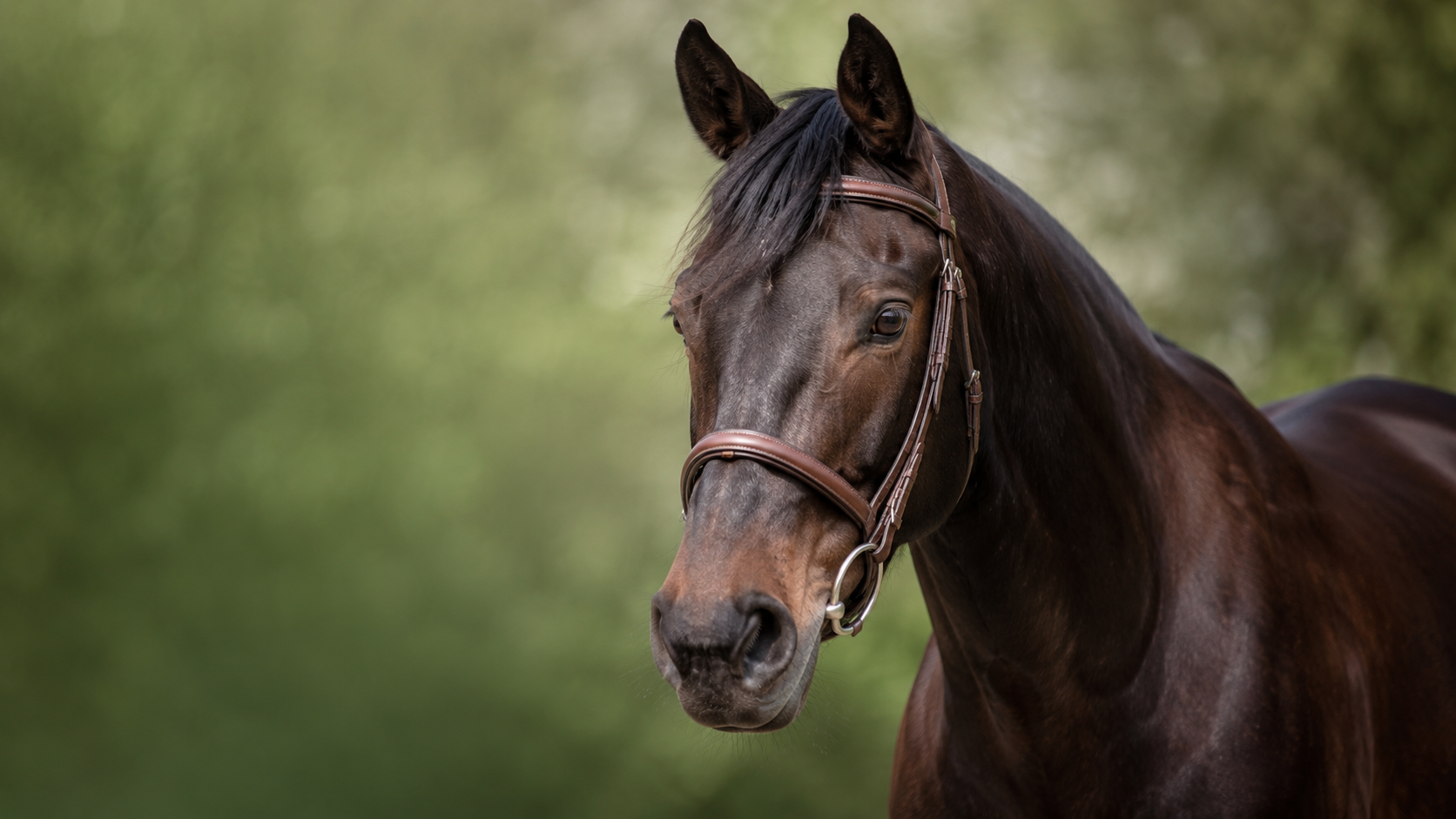
The Württemberger is a medium to large-sized sport horse, harmonious and athletic, with a solid yet elegant bone structure. It has a balanced silhouette, typical of German sport horses.
Expressive, medium-sized head, with a straight or slightly concave profile. The eyes are large and lively, the ears well-set and mobile.
Long, well-muscled, and well-set neck, blending harmoniously into a pronounced and well-defined wither. It promotes good balance and flexibility.
Strong and short back, taut and muscular topline. Deep and wide chest, providing ample space for the lungs. Long, muscular, and slightly sloping croup, with a well-set tail.
Strong and clean limbs, with large and well-defined joints. The cannons are short and the pasterns are of medium length. The feet are well-formed and resilient. Little to no feathering.
- Common coats: bay, chestnut, black, grey
Temperament and aptitudes
The Württemberger is renowned for its balanced, intelligent, and willing temperament. It is generally calm, cooperative, and easy to train, while demonstrating courage and determination in its work. It is a versatile horse, eager to please.
The gaits are expansive, supple, and energetic, with good hindquarter engagement and natural elevation. The walk is regular, the trot rhythmic, and the canter balanced and powerful, ideal for equestrian sports.
- Uses: saddle horse, sport horse, driving
- Disciplines: dressage, show jumping, eventing, driving
Feeding the Württemberger
As a sport horse, the Württemberger has moderate to high energy requirements depending on its activity level. It is not particularly prone to obesity if worked regularly. A balanced diet based on good quality forage (hay or grass) is essential. Concentrates adapted to exertion (oat flakes, specific pellets) are necessary to meet the energy, protein, and mineral needs of sport horses.
The Württemberger breed does not show documented predispositions to specific dietary sensitivities such as laminitis, EMS, or PSSM. However, like any sport horse, careful dietary management is crucial to prevent digestive and metabolic disorders related to exertion or an unbalanced diet.
With Equio, every feed, supplement or treat is read against the horse's real profile (age, weight, Body Condition Score, conditions) — useful for a Württemberger as soon as a metabolic or digestive sensitivity is known.
Health and points to watch
Regular monitoring of limb alignment and feet is important to prevent locomotor problems. Annual veterinary check-ups and regular health assessments are recommended, especially for sport horses subjected to intense training. Particular attention should be paid to stress management and recovery after exertion.
- More frequent conditions: locomotor conditions related to exertion (osteoarthritis, tendinitis)
Care and grooming
Routine care includes regular hoof trimming (every 6-8 weeks) and appropriate shoeing if necessary. The mane and tail are generally left natural, requiring regular brushing. The short, fine coat is easy to maintain. Clipping may be considered for sport horses in winter. Skin care is standard, with particular attention to rubs under the tack.
Did you know?
- The Marbach State Stud, birthplace of the breed, is Germany's oldest state stud, founded in 1477.
- The logo of the Baden-Württemberg studbook is a stylized horse head with a star, symbolizing quality and origin.
- The Württemberger is sometimes called 'Baden-Württemberger' in reference to the administrative region of Baden-Württemberg.
The Württemberger and how to track it
The Württemberger breed is present in France, but in limited numbers compared to other German studbooks. A few passionate breeders import bloodlines and contribute to its development in equestrian disciplines.
Equio lets you build a complete profile for a Württemberger: identity, weight, Body Condition Score, feeding, conditions, care reminders (vaccines, worming, trimming) and an exportable health log. The breed sets the identity; everyday decisions still depend on the real horse and your vet's advice.
- Record the activity level: rest, leisure, sport or breeding
- Add known conditions or sensitivities
- Scan feeds, plants and care products
- Keep reminders (vaccines, worming, trimming)
- Prepare a PDF export before a vet appointment
Frequently asked questions
Is the Württemberger a good horse for beginner riders?
Thanks to its calm and cooperative temperament, the Württemberger can be suitable for supervised beginner riders. However, its athletic potential and sensitivity make it a horse that will fully thrive with an experienced rider capable of bringing out its best.
What is the average price of a Württemberger horse?
The price of a Württemberger varies considerably depending on its age, training level, lineage (sporting bloodlines), and performance. A young, unbroken horse can cost a few thousand euros, while a proven sport horse with good lineage can fetch much higher prices.
Is the Württemberger suitable for show jumping?
Yes, the Württemberger is very well suited for show jumping. It possesses the required qualities: power, agility, good jumping ability, courage, and a willing temperament. Many horses of this breed excel in this discipline.
How to recognize a purebred Württemberger?
A purebred Württemberger is identified by its equine passport and pedigree issued by the Baden-Württemberg Breeding Association (Pferdezuchtverband Baden-Württemberg e.V.). It must be descended from parents registered in the studbook and meet the breed criteria.
Is the Württemberger a hardy horse?
Although robust and resilient, the Württemberger is not considered a hardy breed in the strict sense. It is a sport horse that requires care, feeding, and training adapted to its performance. However, it is well adapted to temperate climates.