
Horse breed
Trakehner
The Trakehner breed was developed starting in 1732 at the royal stud farm of Trakehnen, in East Prussia, with the objective of creating a versatile and elegant cavalry horse. It originated from crosses between local mares (Schweiken) and English Thoroughbred, Arabian Thoroughbred, and Turkish stallions.

The breed at a glance
The Trakehner is renowned for its willing, intelligent, and courageous temperament. It is sensitive, but possesses a strong desire to please and an excellent capacity for learning, making it a reliable and high-performing partner for sport.
- Category
- sport horse
- Origin
- Germany (East Prussia) · 18th century
- Height at withers
- 160–170 cm
- Weight
- 500–600 kg
- Lifespan
- 25-30 years
- Common coats
- bay, chestnut, black, grey
- Disciplines
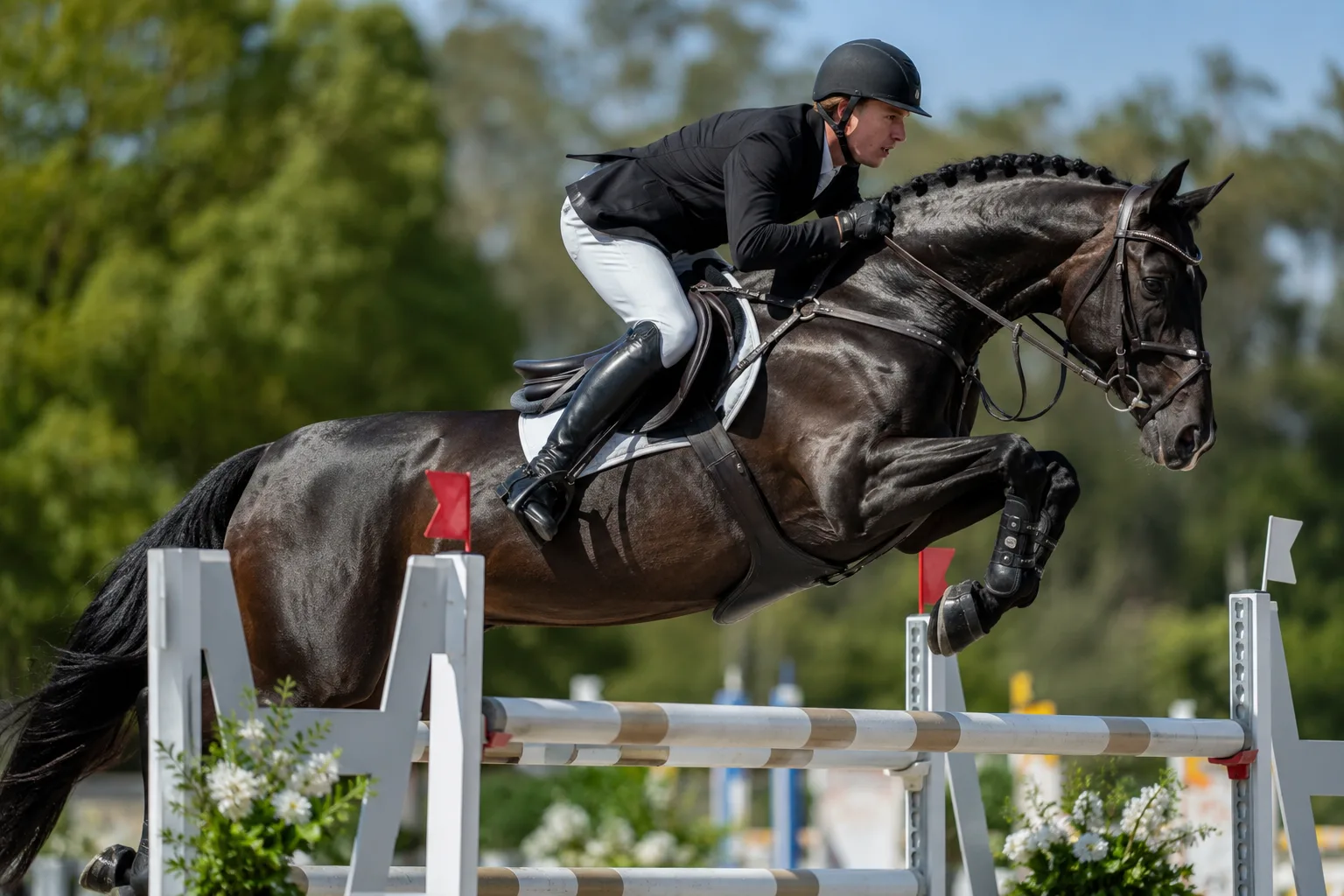
- dressage, show jumping, eventing, driving
- Other names
- Ostpreußisches Warmblut, Warmblood of Trakehnen
Origin and history
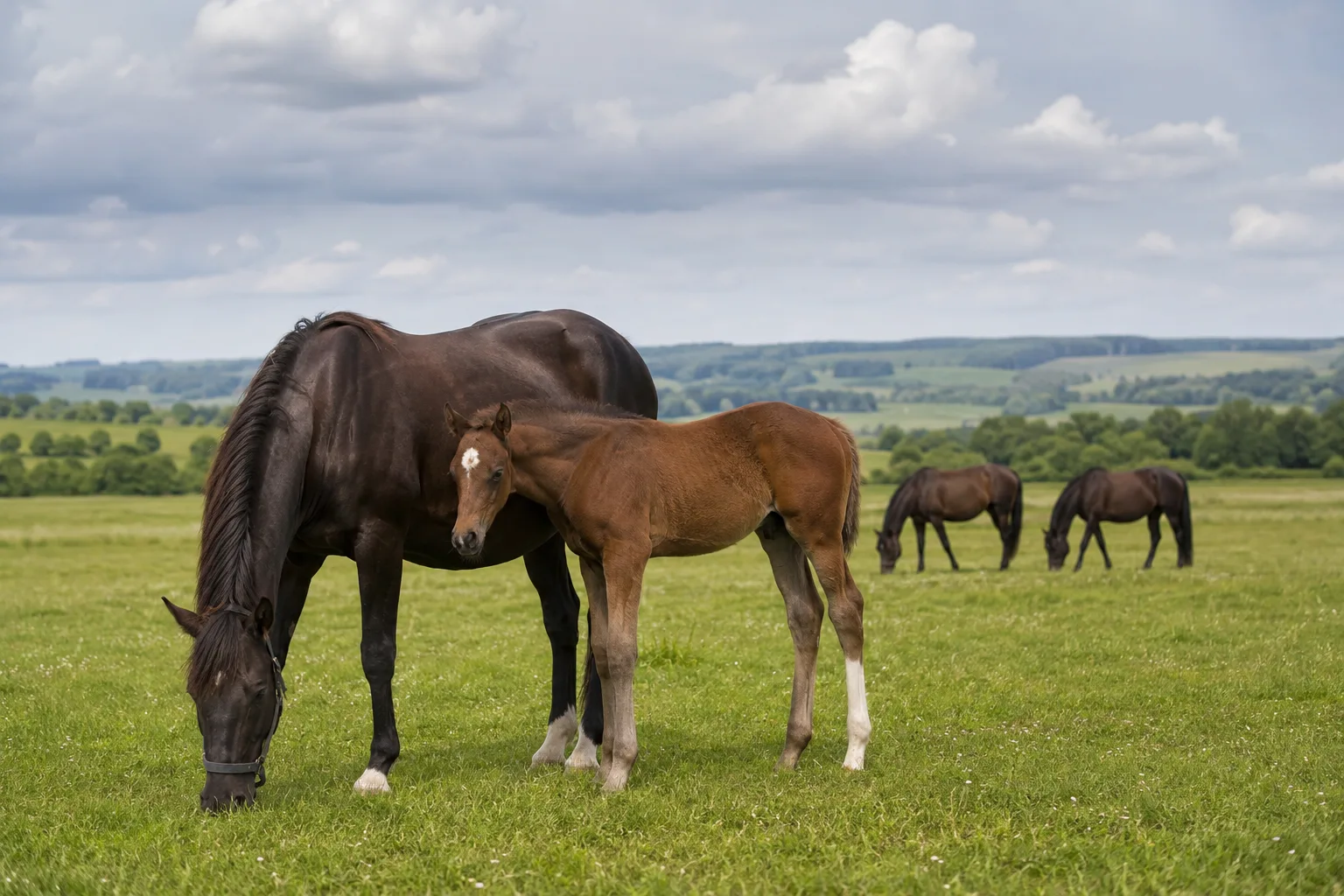
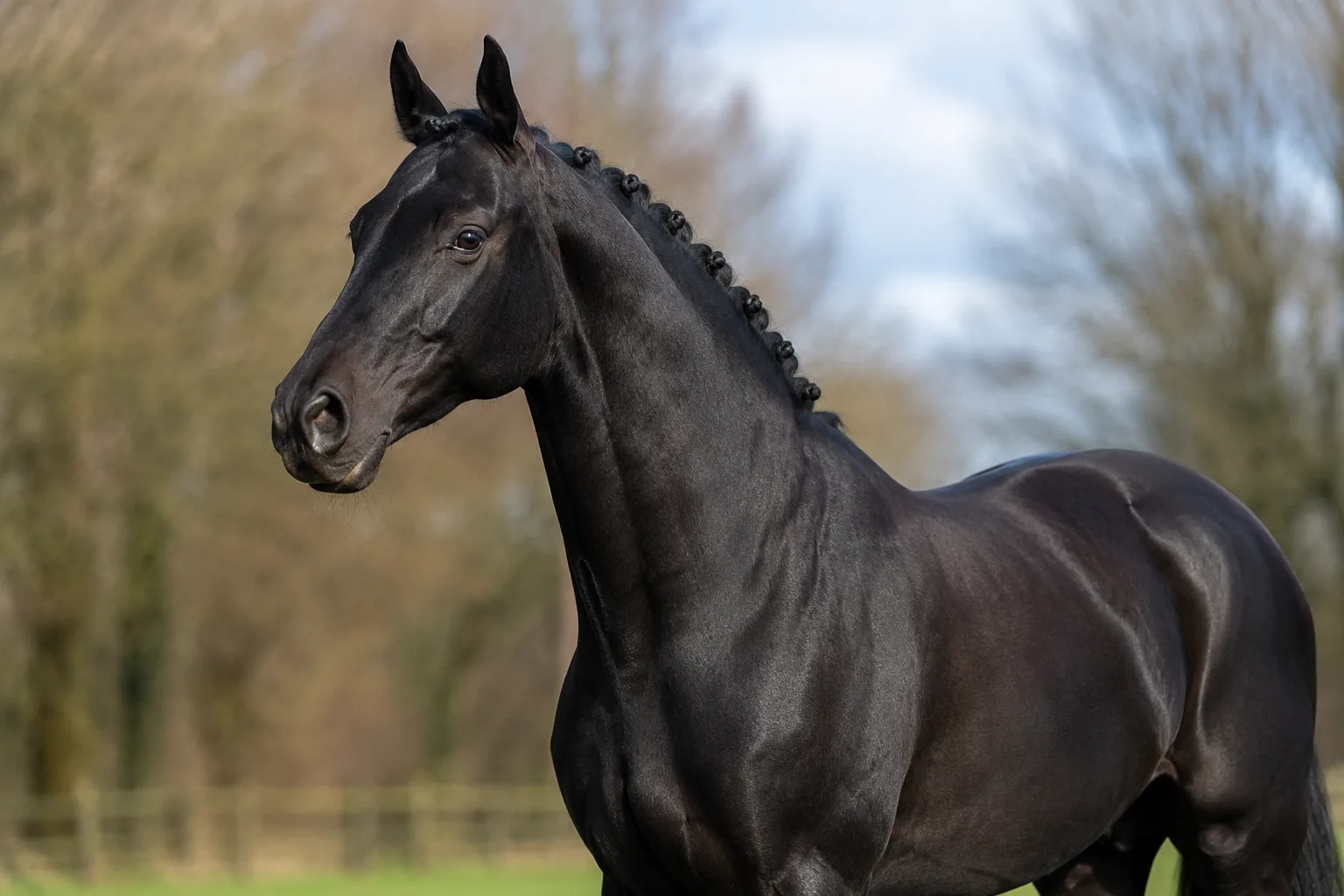
The Trakehner breed was developed starting in 1732 at the royal stud farm of Trakehnen, in East Prussia, with the objective of creating a versatile and elegant cavalry horse. It originated from crosses between local mares (Schweiken) and English Thoroughbred, Arabian Thoroughbred, and Turkish stallions. The Trakehnen stud farm became the most important breeding center in Germany, setting the breed's standards. After World War II and the flight of the horses to West Germany, the breed was rebuilt and is now globally recognized for its athletic abilities.
Conformation and physique
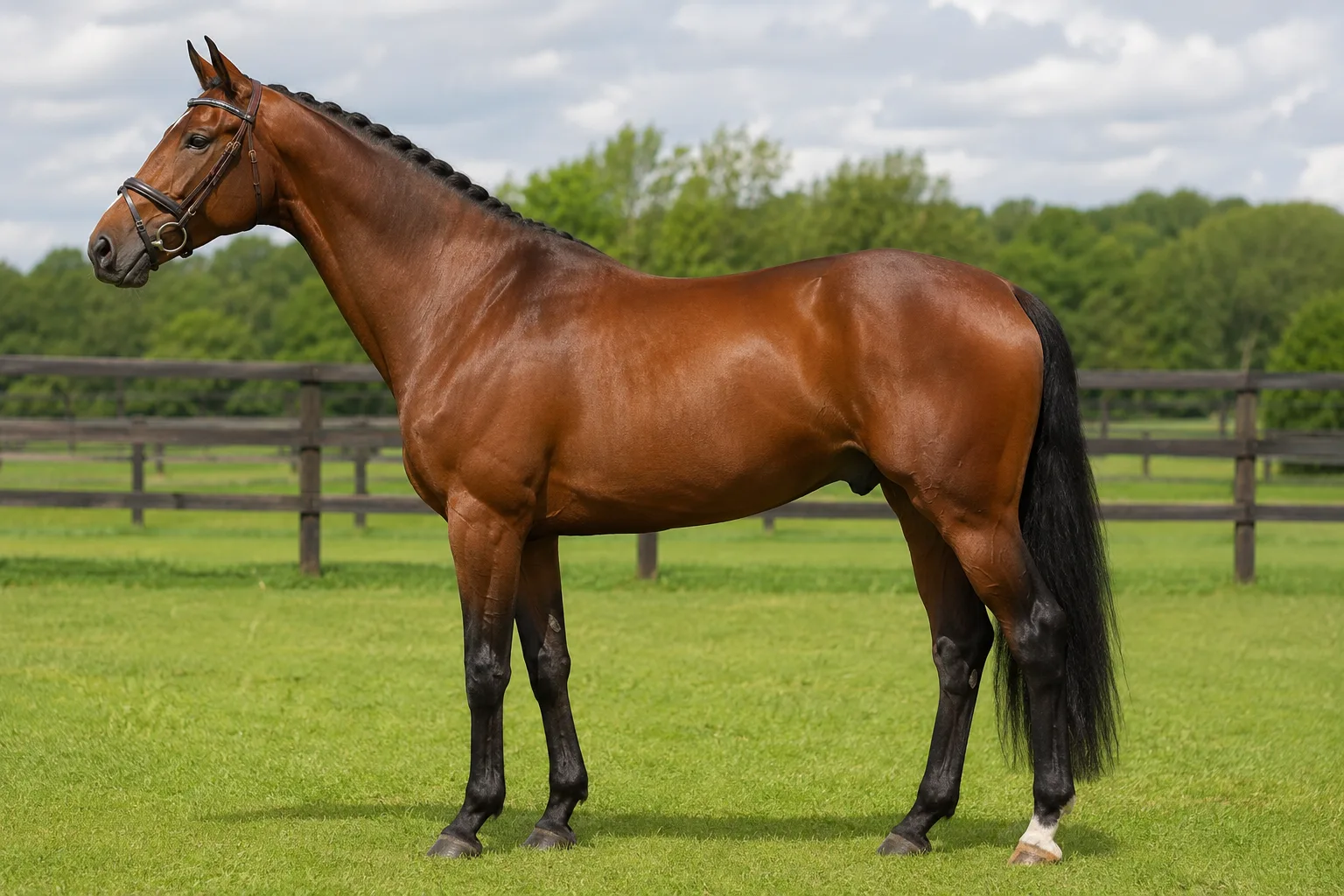
The Trakehner is an elegant sport horse, medium to large in size, with a harmonious and athletic build. It features a solid yet refined bone structure, typical of warmbloods, with well-developed musculature.
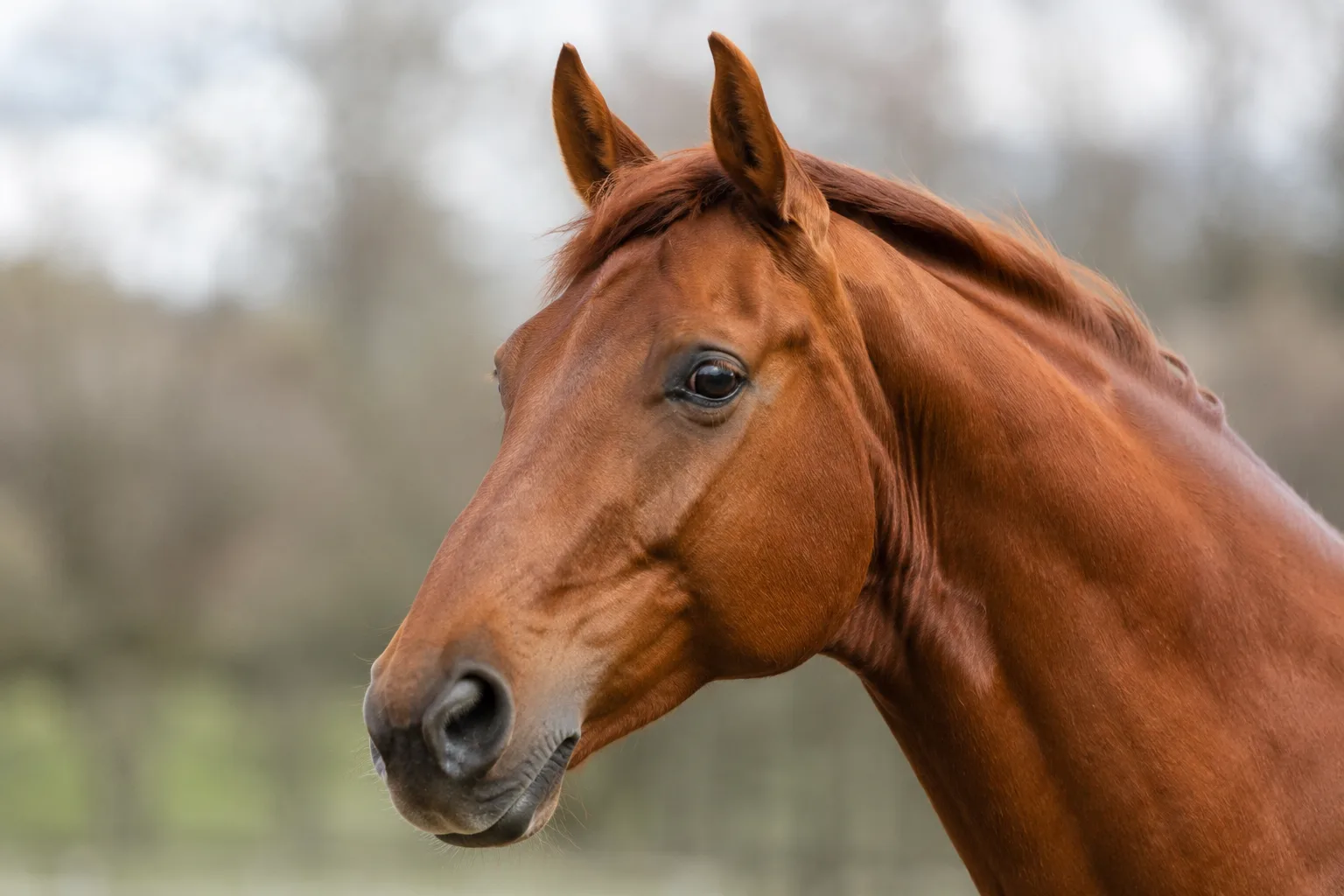
The head is expressive, refined, with a straight or slightly concave profile. The eyes are large and lively, the ears well-set and mobile, and the nostrils wide.
The neck is long, well-set, high-set and well-muscled, blending harmoniously into a long and prominent wither, promoting balance and suppleness.
The back is short and strong, the topline is taut and muscular. The chest is deep and wide, the ribs well-sprung. The croup is long, muscular, and slightly sloped, with a well-set tail.
The limbs are long, refined, and strong, with large and well-defined joints. The cannons are short and the tendons well-defined. The feet are solid and well-formed. Feathering is generally sparse.
- Common coats: bay, chestnut, black, grey
Temperament and aptitudes
The Trakehner is renowned for its willing, intelligent, and courageous temperament. It is sensitive, but possesses a strong desire to please and an excellent capacity for learning, making it a reliable and high-performing partner for sport.
The gaits are expansive, supple, energetic, and balanced, with excellent hindquarter engagement. The walk is regular, the trot is airy, and the canter is rhythmic, with good impulsion and great elasticity.
- Uses: cavalry horse (historical), sport horse (dressage, show jumping, eventing), breeding for the improvement of other sport breeds
- Disciplines: dressage, show jumping, eventing, driving
Feeding the Trakehner
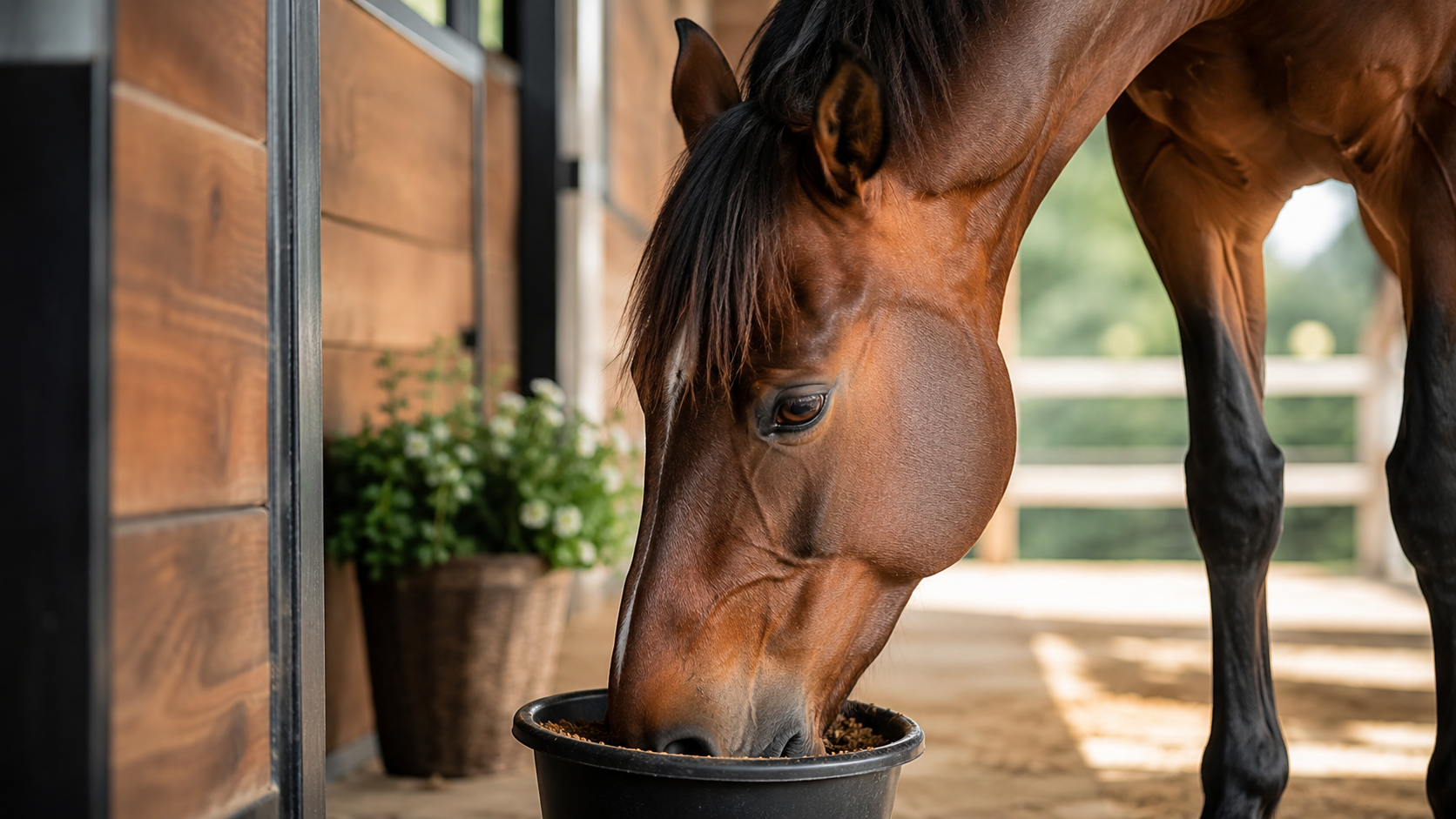
The Trakehner, as a sport horse, has high energy requirements, especially if subjected to intense work. It is generally not considered an easy keeper and requires a balanced diet. Good quality forage in sufficient quantity is the foundation. Energy and protein-rich concentrates are often necessary to meet the demands related to exertion, with rations adjusted to the activity level to prevent overweight or deficiencies.
Although generally robust, the Trakehner, like any warmblood sport horse, can be sensitive to dietary imbalances, particularly an excess of sugars and starch which can promote digestive disorders or laminitis in predisposed or poorly managed individuals. It does not have a documented predisposition to specific metabolic syndromes such as EMS or PSSM as a breed.
With Equio, every feed, supplement or treat is read against the horse's real profile (age, weight, Body Condition Score, conditions) — useful for a Trakehner as soon as a metabolic or digestive sensitivity is known.
Health and points to watch
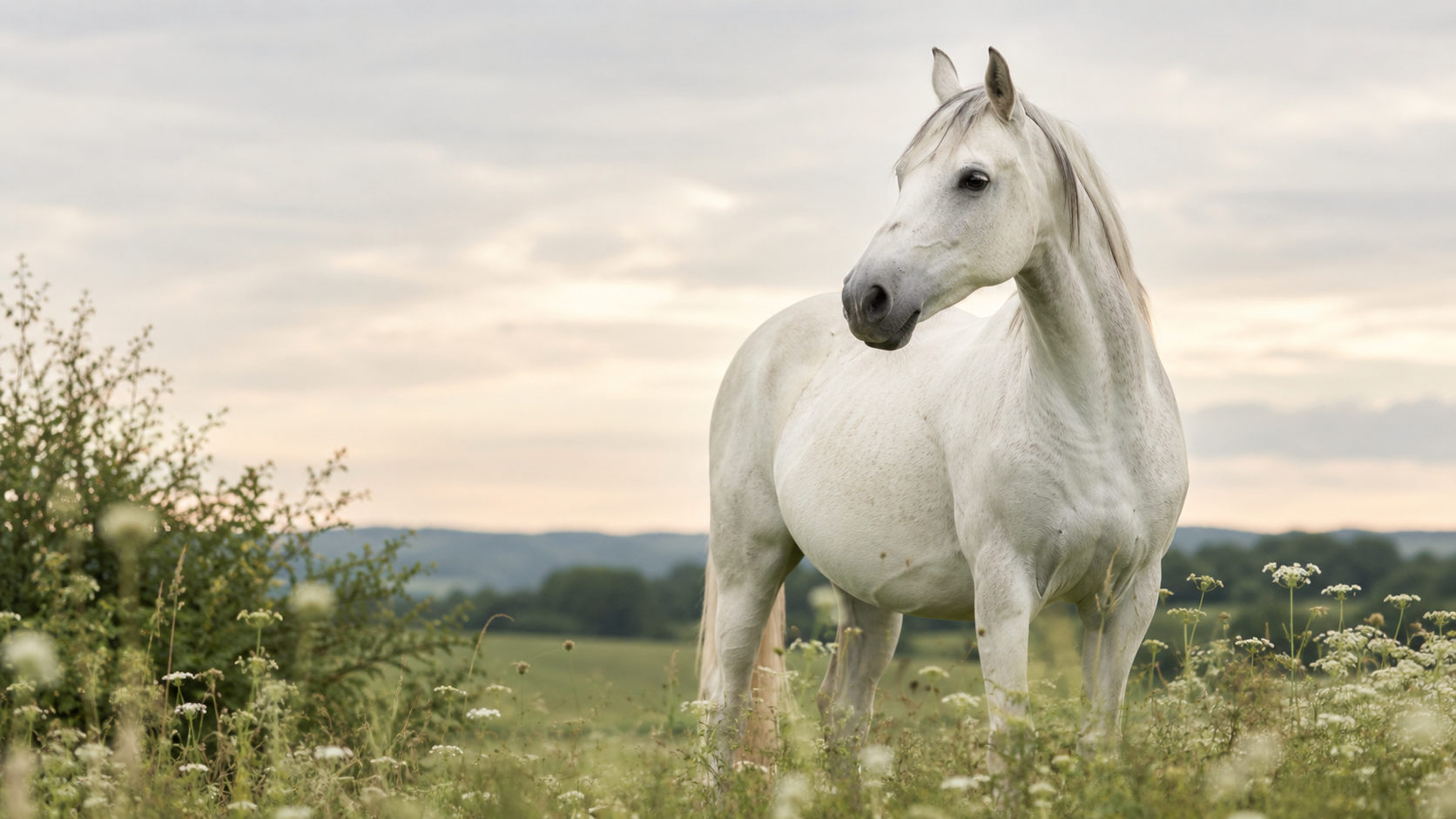
Particular attention must be paid to limb alignment management and hoof quality. Regular veterinary check-ups are essential for the early detection of lameness or fatigue signs related to intensive training. Stress and diet management is crucial to prevent digestive disorders.
- More frequent conditions: locomotor disorders related to athletic exertion (osteoarthritis, tendinitis), gastric ulcers (in sport horses subjected to stress)
Care and grooming
The Trakehner's care is typical of a sport horse. Hooves require regular trimming adapted to its activity. The mane, tail, and coat are generally easy to maintain; daily brushing is sufficient. Clipping is common in winter for horses in work. Careful monitoring of the skin is recommended, especially in cases of intense sweating.
Did you know?
- The Trakehner is the only warmblood horse breed whose studbook is still 'closed' in the sense that only purebred Trakehners or those with a very limited percentage of approved Thoroughbred or Arabian blood can be registered.
- The breed's symbol is a seven-pointed elk antler, recalling its East Prussian origin.
- After World War II, only 700 Trakehner horses survived the 'Death March' from East Prussia to West Germany, allowing for the reconstruction of the breed.
The Trakehner and how to track it
The Trakehner is present in France, although less numerous than other sport horse breeds. It is valued by high-level riders and breeders for its sporting qualities and its bloodline contribution to improving local breeds.
Equio lets you build a complete profile for a Trakehner: identity, weight, Body Condition Score, feeding, conditions, care reminders (vaccines, worming, trimming) and an exportable health log. The breed sets the identity; everyday decisions still depend on the real horse and your vet's advice.
- Record the activity level: rest, leisure, sport or breeding
- Add known conditions or sensitivities
- Scan feeds, plants and care products
- Keep reminders (vaccines, worming, trimming)
- Prepare a PDF export before a vet appointment
Frequently asked questions
What is the average price of a Trakehner?
The price of a Trakehner varies considerably depending on its age, level of training, bloodlines (pedigree), and sporting abilities. A young, unbroken horse can cost from 5,000 to 15,000 euros, while a proven competition horse can reach tens of thousands of euros.
Is the Trakehner suitable for beginner riders?
Due to its sensitive temperament and energy, the Trakehner is generally more suitable for experienced or supervised riders. It requires a soft and fair hand, as well as a good understanding of its willing nature to express itself fully.
What is the difference between a Trakehner and a Hanoverian?
Although both are German sport horses, the Trakehner is the only warmblood breed whose studbook has remained 'pure', with limited contributions from Thoroughbreds and Arabians. The Hanoverian, on the other hand, was developed with more varied crossbreeding, including Trakehners, but also Holsteiners and other warmblood breeds, which sometimes gives it a slightly heavier build.
Is the Trakehner a good leisure horse?
Yes, a Trakehner can be an excellent leisure horse for an experienced rider who appreciates a sensitive, intelligent, and athletic horse. However, its energy and need for activity may make it less suitable for simple pleasure riding without regular work.
How to recognize a Trakehner?
The Trakehner is recognized by its elegant and athletic build, its expressive head with a straight profile, its long, well-set neck, and its spacious and supple gaits. The hot brand (the elk antler) is also a distinctive sign for registered horses.