
Horse breed
Belgian Trotter
The Belgian Trotter is a breed developed specifically for harness racing in Belgium. Its origins date back to the late 19th century, with crosses between indigenous Belgian horses and imported trotters, notably French Trotters, Orlovs, and American Standardbreds.
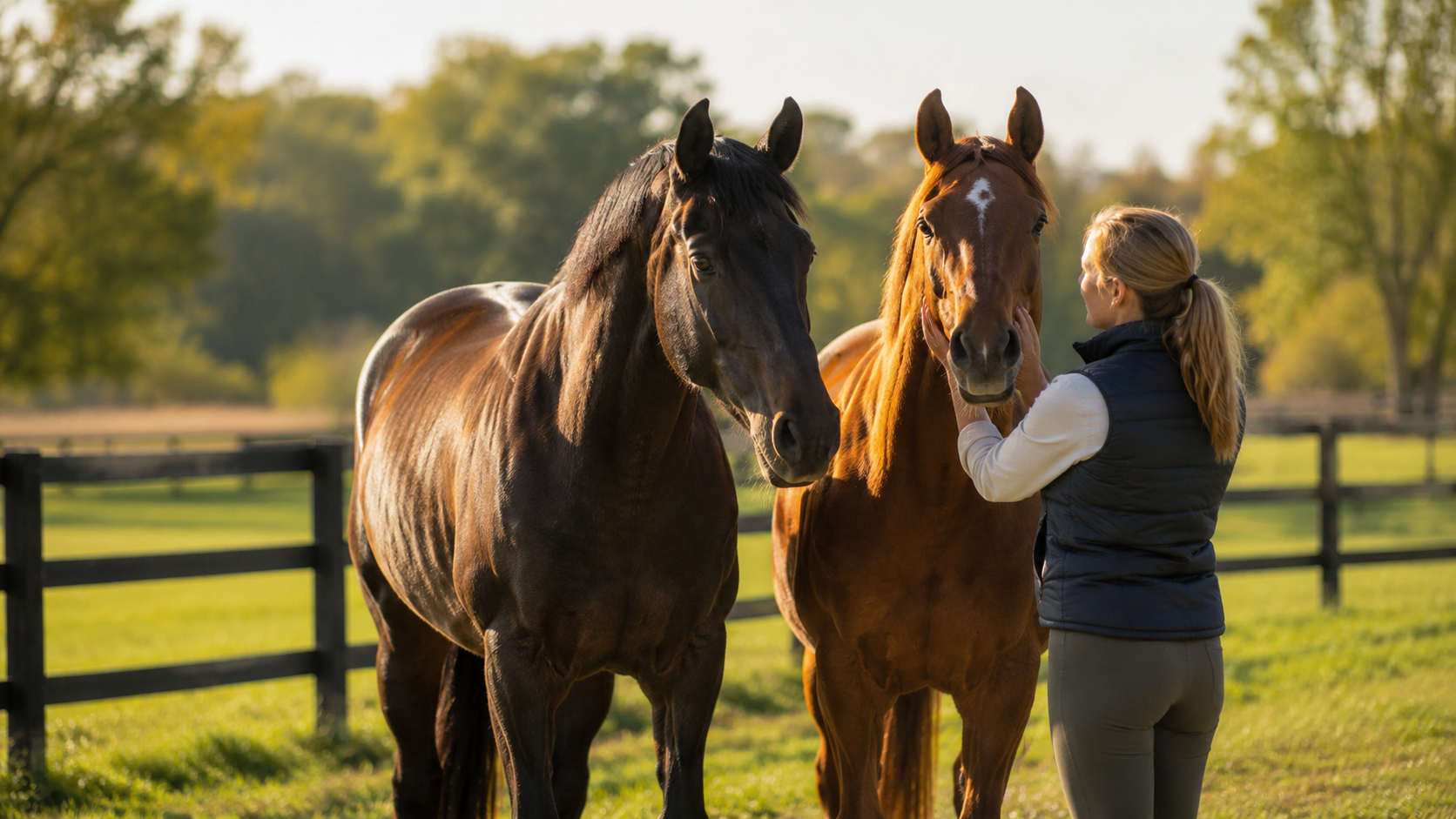
The breed at a glance
It is a horse with a willing, courageous, and energetic temperament, typical of racehorses. It is generally reactive and intelligent, with a good learning ability. Although sometimes spirited, it is often cooperative and generous in effort.
- Category
- sport horse
- Origin
- Belgium · Late 19th century - Early 20th century
- Height at withers
- 155–170 cm
- Weight
- 450–550 kg
- Lifespan
- 20-25 years
- Common coats
- bay, chestnut, black
- Disciplines
- Harness trot, Mounted trot
- Other names
- Belgian Trotter
Origin and history
The Belgian Trotter is a breed developed specifically for harness racing in Belgium. Its origins date back to the late 19th century, with crosses between indigenous Belgian horses and imported trotters, notably French Trotters, Orlovs, and American Standardbreds. The objective was to create a fast and enduring horse for Belgian racetracks. The breed was officially recognized and its studbook established in the early 20th century, thus consolidating its characteristics and performance.

Conformation and physique
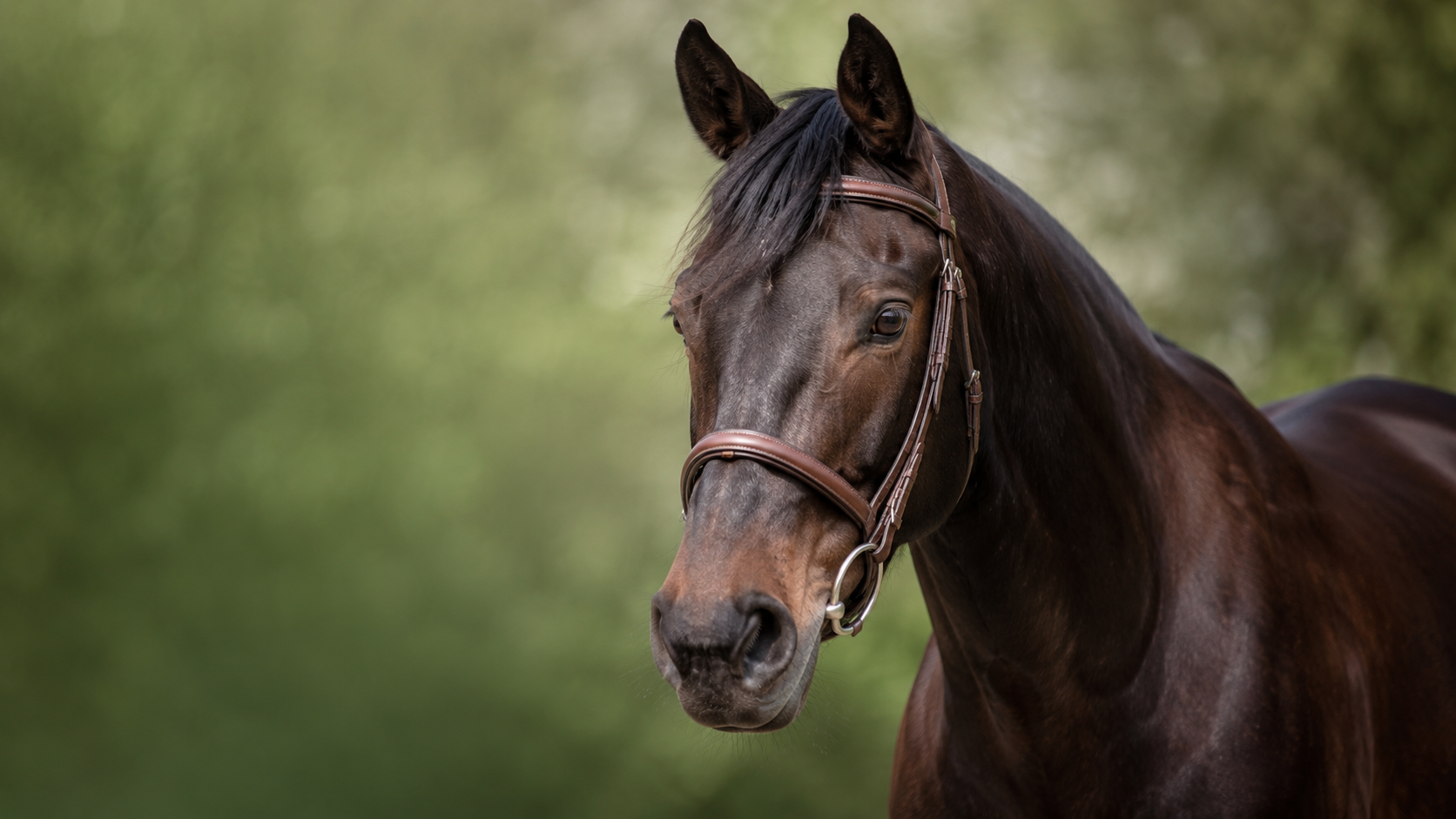
The Belgian Trotter is a medium to large-sized horse, athletic and well-proportioned, with a solid bone structure but without excessive heaviness. Its silhouette is that of a racehorse, slender and muscular, designed for speed and endurance at the trot.
The head is expressive, medium-sized, with a straight or slightly convex profile. The eyes are lively and intelligent, the ears are well-set and mobile, and the nostrils are wide.
The neck is long, well-muscled, and well-set, blending harmoniously into a prominent wither. It promotes balance and gait extension.
The back is rather long and straight, and the topline is taut. The chest is deep and wide, offering good lung capacity. The croup is long, muscular, and slightly sloped, conducive to propulsion.
The limbs are long, clean, and strong, with well-defined joints and clearly delineated tendons. The cannon bones are robust, and the feet are well-formed, hard, and proportionate. Feathers are generally sparse.
- Common coats: bay, chestnut, black
Temperament and aptitudes
It is a horse with a willing, courageous, and energetic temperament, typical of racehorses. It is generally reactive and intelligent, with a good learning ability. Although sometimes spirited, it is often cooperative and generous in effort.
The Belgian Trotter is first and foremost a trotter. Its trot is spacious, regular, energetic, and very extended, with good impulsion and high speed. The gallop is also present but less valued for racing.
- Uses: Harness racing, Mounted trotting races, Leisure riding horse, Leisure driving
- Disciplines: Harness trot, Mounted trot
Feeding the Belgian Trotter
The Belgian Trotter is a demanding athlete. Its metabolism is adapted to intense and prolonged effort, requiring a rich and balanced diet. It needs good quality forage in sufficient quantity, supplemented by energy concentrates (cereals, compound feeds for sport horses) adapted to its activity level. Protein, vitamin, and mineral intake must be monitored to support muscle mass and recovery.
Like any sport horse on a high-energy diet, the Belgian Trotter can be sensitive to dietary imbalances. Inappropriate management of concentrates can increase the risk of digestive disorders (colic, gastric ulcers) or laminitis, especially in cases of overfeeding or sudden dietary changes. It has no documented predisposition to breed-specific metabolic syndromes.
With Equio, every feed, supplement or treat is read against the horse's real profile (age, weight, Body Condition Score, conditions) — useful for a Belgian Trotter as soon as a metabolic or digestive sensitivity is known.
Health and points to watch
Regular monitoring of the musculoskeletal system is essential, particularly tendons and joints, due to the stresses of racing. Stress and diet management are crucial for preventing gastric ulcers. Rigorous dental and parasite control are also recommended.
- More frequent conditions: Exercise-induced locomotor conditions (tendinitis, desmitis, osteoarthritis), Respiratory problems (emphysema, equine asthma) in some individuals, Gastric ulcers (common in racehorses)
Care and grooming
Care for the Belgian Trotter is similar to that of a sport horse. Appropriate hoof trimming or shoeing is crucial to optimize its gaits and prevent injuries. The coat is generally short and easy to maintain. The mane, tail, and feathering are not abundant. Particular attention should be paid to limb hygiene after exercise.
Did you know?
- The Belgian Trotter has played an important role in improving other trotter breeds in Europe.
- Harness racing is very popular in Belgium, and the Belgian Trotter is the star of these events.
- Although primarily known for harness racing, some Belgian Trotters also excel in ridden trot races.
The Belgian Trotter and how to track it
The breed is present in France, primarily for trotting races, where it can be crossed with the French Trotter to improve certain bloodlines. Pure breeding is less common than in Belgium, but individuals are imported and showcased on French racetracks.
Equio lets you build a complete profile for a Belgian Trotter: identity, weight, Body Condition Score, feeding, conditions, care reminders (vaccines, worming, trimming) and an exportable health log. The breed sets the identity; everyday decisions still depend on the real horse and your vet's advice.
- Record the activity level: rest, leisure, sport or breeding
- Add known conditions or sensitivities
- Scan feeds, plants and care products
- Keep reminders (vaccines, worming, trimming)
- Prepare a PDF export before a vet appointment
Frequently asked questions
Is the Belgian Trotter suitable for beginner riders?
Due to its energetic temperament and responsiveness, the Belgian Trotter is generally more suited to experienced or supervised riders. It can be an excellent leisure horse for a confirmed rider who knows how to channel its energy.
What is the difference between a Belgian Trotter and a French Trotter?
Both breeds are selected for trotting, but the French Trotter is often heavier and more powerful, while the Belgian Trotter can be slightly more refined and faster over short distances. Their genetic bloodlines, although sometimes crossed, have distinct origins.
Can a Belgian Trotter be used for disciplines other than trotting?
Yes, once its racing career is over, the Belgian Trotter can be successfully retrained for leisure disciplines such as trail riding, driving, or even light dressage. Its intelligence and willingness make it a versatile partner.
What is the cost of keeping a Belgian Trotter?
The cost of keeping is comparable to that of a sport horse. It includes quality feed, regular veterinary care (vaccinations, deworming, dental care), farrier services, and potentially dietary supplements. Costs can vary depending on the horse's activity level and health status.
Is the Belgian Trotter a rare breed?
Although less known internationally than the French Trotter or the Standardbred, the Belgian Trotter is well-established in Belgium and neighboring countries. Its population is stable and managed by an active studbook.