
Horse breed
Orlov Trotter
The Orlov Trotter was developed by Count Alexei Orlov-Chesmensky at the Khrenovoe stud farm in Russia, starting in 1778. It originated from complex crosses between Arabian stallions (notably Smetanka), Danish, Dutch, Mecklenburg mares, and draft horses.
The breed at a glance
It is a horse with an energetic, willing, and courageous temperament, but generally gentle and easy to handle. It is intelligent, learns quickly, and demonstrates great endurance and good work resilience, making it a reliable partner.
- Category
- sport horse
- Origin
- Russia · Late 18th century
- Height at withers
- 157–170 cm
- Weight
- 450–550 kg
- Lifespan
- 25-30 years
- Common coats
- grey, black, bay, chestnut
- Disciplines
- Harness trotting, Sport driving, Dressage (recreational), Trail riding
- Other names
- Orlov Trotter, Orlovskaya Rysistaya
Origin and history
The Orlov Trotter was developed by Count Alexei Orlov-Chesmensky at the Khrenovoe stud farm in Russia, starting in 1778. It originated from complex crosses between Arabian stallions (notably Smetanka), Danish, Dutch, Mecklenburg mares, and draft horses. The goal was to create a fast and elegant harness horse, capable of covering long distances. The breed was officially recognized in the 19th century and became emblematic of Russia.
Conformation and physique
It is a large, elegant, and harmonious horse, with a solid yet refined bone structure. It presents an athletic silhouette, typical of fast harness horses, with good depth and a well-muscled body.
The head is medium-sized, well-proportioned, with a straight or slightly convex profile. The eyes are large and expressive, and the ears are well-set and mobile.
The neck is long, arched, and well-muscled, set high, which contributes to its proud carriage. The withers are well-defined and long.
The back is long and straight, and the topline is harmonious. The chest is broad and deep, offering good lung capacity. The hindquarters are long, broad, and slightly sloping, with a high-set tail.
The limbs are long, clean, and strong, with well-developed joints and clearly defined tendons. The cannons are robust, and the feet are well-formed, with hard horn. Feathering is generally sparse.
- Common coats: grey, black, bay, chestnut
Temperament and aptitudes
It is a horse with an energetic, willing, and courageous temperament, but generally gentle and easy to handle. It is intelligent, learns quickly, and demonstrates great endurance and good work resilience, making it a reliable partner.
The Orlov Trotter is renowned for its expansive, regular, and very fast trot, with great elasticity and good impulsion. It also has a balanced canter, but the trot is its preferred gait and its hallmark.
- Uses: Harness racing, Recreational and competitive driving, Riding horse, Improvement of other trotter breeds, Light agricultural work (historically)
- Disciplines: Harness trotting, Sport driving, Dressage (recreational), Trail riding
Feeding the Orlov Trotter
The Orlov Trotter is an athlete that requires a balanced diet tailored to its activity level. It has a rather demanding metabolism during periods of intense work. It needs good quality forage in sufficient quantities, supplemented by energy- and protein-rich concentrates, especially if it is trained for racing or driving. Particular attention must be paid to mineral and vitamin intake.
Although robust, like any sport horse, the Orlov Trotter can be prone to digestive disorders (colic) or metabolic issues (acidosis) if its diet is not managed correctly, particularly in cases of starch overfeeding or sudden dietary changes. It has no documented predisposition to specific metabolic diseases such as EMS or PSSM.
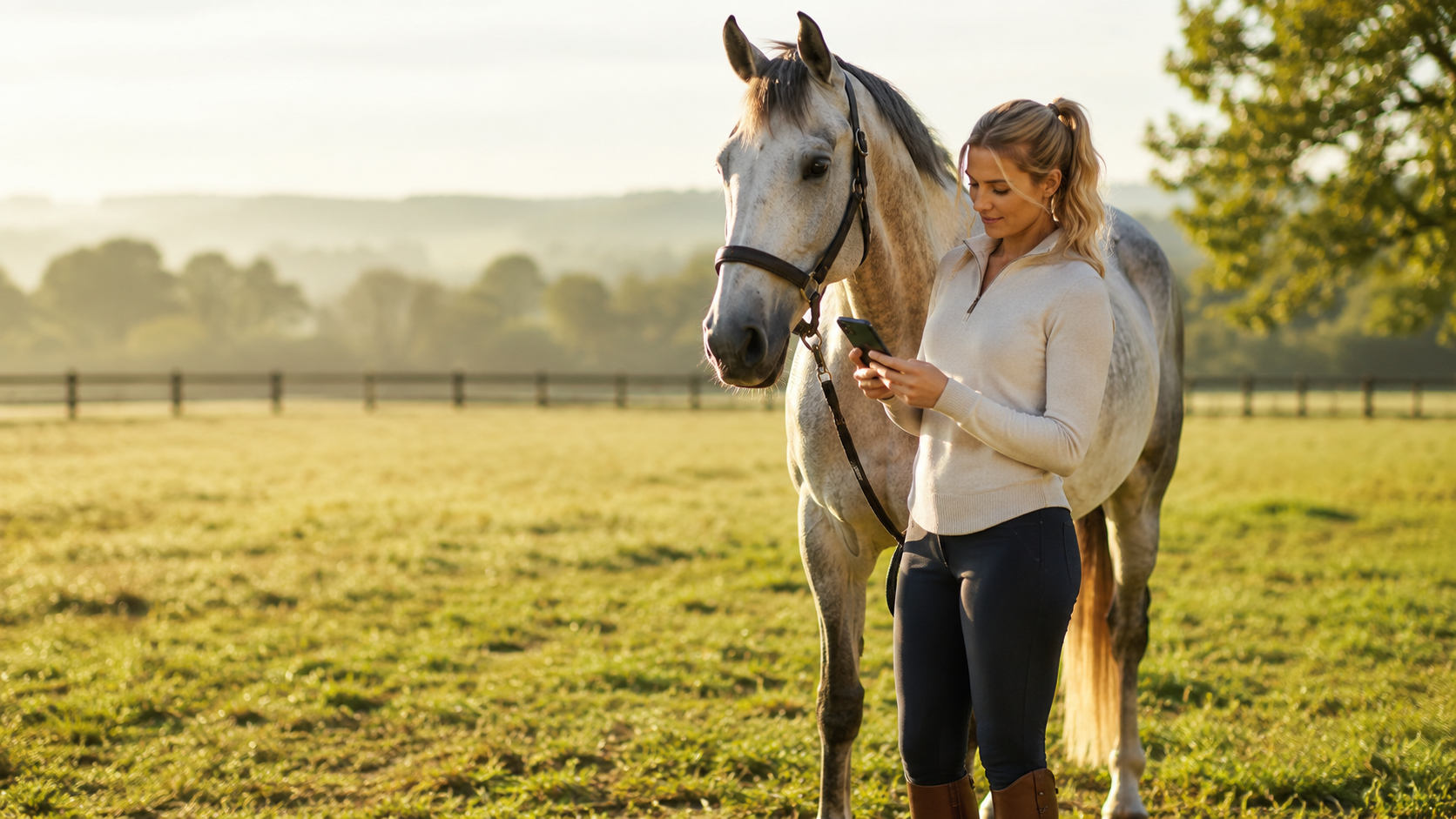
With Equio, every feed, supplement or treat is read against the horse's real profile (age, weight, Body Condition Score, conditions) — useful for a Orlov Trotter as soon as a metabolic or digestive sensitivity is known.

Health and points to watch
Regular monitoring of joints and tendons is essential, especially in racehorses. Rigorous dental and hoof care is also crucial to maintain their performance and well-being. Particular attention should be paid to stress management and post-exertion recovery.
- More frequent conditions: Joint problems (due to the intensity of trotting work), Respiratory conditions (as seen in many sport horses), Tendon or ligament injuries (related to exertion)
Care and grooming
The care of an Orlov Trotter is similar to that of any sport horse. Hooves require regular trimming and shoeing adapted to the activity (often specific for harness trotting). The mane and tail are generally left long and full, requiring regular detangling. The coat is easy to maintain, but clipping may be necessary in winter for horses in intense work. Good skin hygiene is important to prevent skin conditions.
Did you know?
- The Orlov Trotter is the oldest trotter breed in the world and served as the foundation for many other trotter breeds, including the Russian Trotter.
- Count Orlov spent over 30 years establishing the breed's characteristics, with rigorous selection based on trotting speed and beauty.
- Historically, the Orlov Trotter was the horse of choice for Russian troikas, traditional three-horse hitches.
The Orlov Trotter and how to track it
The Orlov Trotter breed is very rare in France, where breeding is almost non-existent. A few individuals may be present, often imported, for recreational driving or as collector's horses, but it is not used for French trot races, which are dominated by the French Trotter.
Equio lets you build a complete profile for a Orlov Trotter: identity, weight, Body Condition Score, feeding, conditions, care reminders (vaccines, worming, trimming) and an exportable health log. The breed sets the identity; everyday decisions still depend on the real horse and your vet's advice.
- Record the activity level: rest, leisure, sport or breeding
- Add known conditions or sensitivities
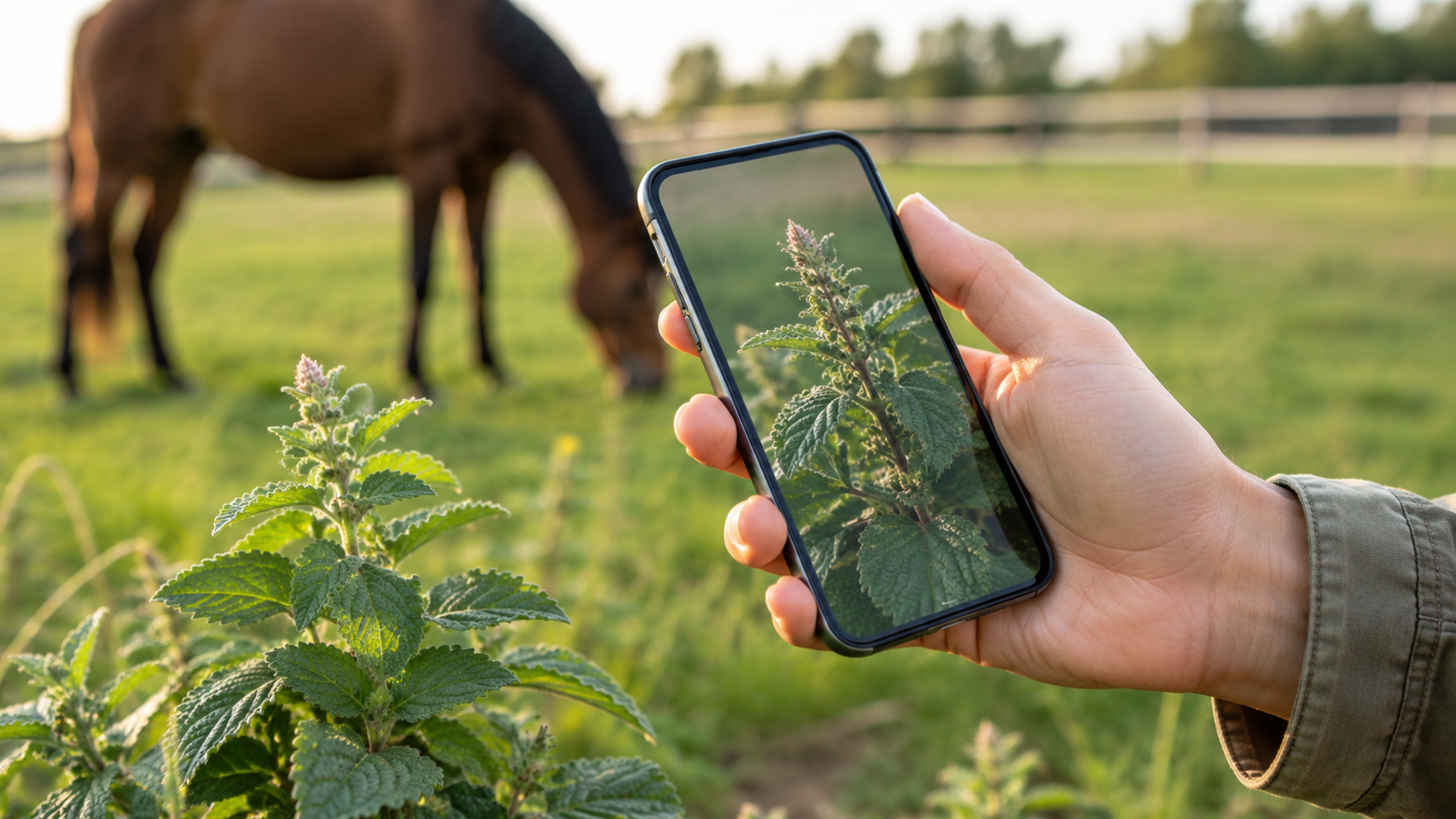
- Scan feeds, plants and care products
- Keep reminders (vaccines, worming, trimming)
- Prepare a PDF export before a vet appointment
Frequently asked questions
What is the difference between an Orlov Trotter and a Russian Trotter?
The Orlov Trotter is the original breed, developed for its speed and elegance. The Russian Trotter is a more recent breed, created by crossing the Orlov Trotter with the American Trotter to increase pure speed, often at the expense of the Orlov's elegance and robustness.
Is the Orlov Trotter suitable for beginners?
Its willing and energetic temperament may make it less suitable for complete beginners. However, with appropriate guidance and good training, its intelligence and gentleness can make it an excellent partner for intermediate or experienced riders.
What is the cost of an Orlov Trotter in France?
The cost is highly variable and difficult to estimate in France due to its rarity. A horse imported from Russia or Eastern Europe, with good bloodlines and a good level of training, could represent a significant investment, not including import fees.
Can an Orlov Trotter be used for show jumping?
Although primarily a trotting and driving horse, the Orlov Trotter can certainly participate in show jumping at a recreational or amateur level. It is agile and willing, but its conformation is more suited to flat gaits than high-level jumping.
Is the Orlov Trotter an endangered breed?
Although its population declined after the Soviet period, conservation efforts are underway in Russia. It is not considered severely endangered, but its population is smaller than that of other more widespread trotter breeds.