
Horse breed
French Trotter
The French Trotter originated from crosses between Norman mares and English Thoroughbred, Norfolk Trotter, and half-bred stallions. The objective was to create a fast and enduring horse for harness racing.

The breed at a glance
It is a willing, courageous, and energetic horse, endowed with a strong competitive temperament. It is also intelligent, receptive, and generally easy to handle, although some individuals may be more sensitive or spirited.
- Category
- sport horse
- Origin
- France · 19th century
- Height at withers
- 160–170 cm
- Weight
- 450–550 kg
- Lifespan
- 25-30 years
- Common coats
- bay, chestnut, black pangaré, grey
- Disciplines
- Harness trotting, Ridden trot, Show Jumping, Eventing
- Other names
- French Trotter
Origin and history
The French Trotter originated from crosses between Norman mares and English Thoroughbred, Norfolk Trotter, and half-bred stallions. The objective was to create a fast and enduring horse for harness racing. The breed was officially recognized in 1906 with the creation of the French Trotter Studbook, marking the establishment of its characteristics. It has become the reference breed for trotting races in France and abroad.

Conformation and physique
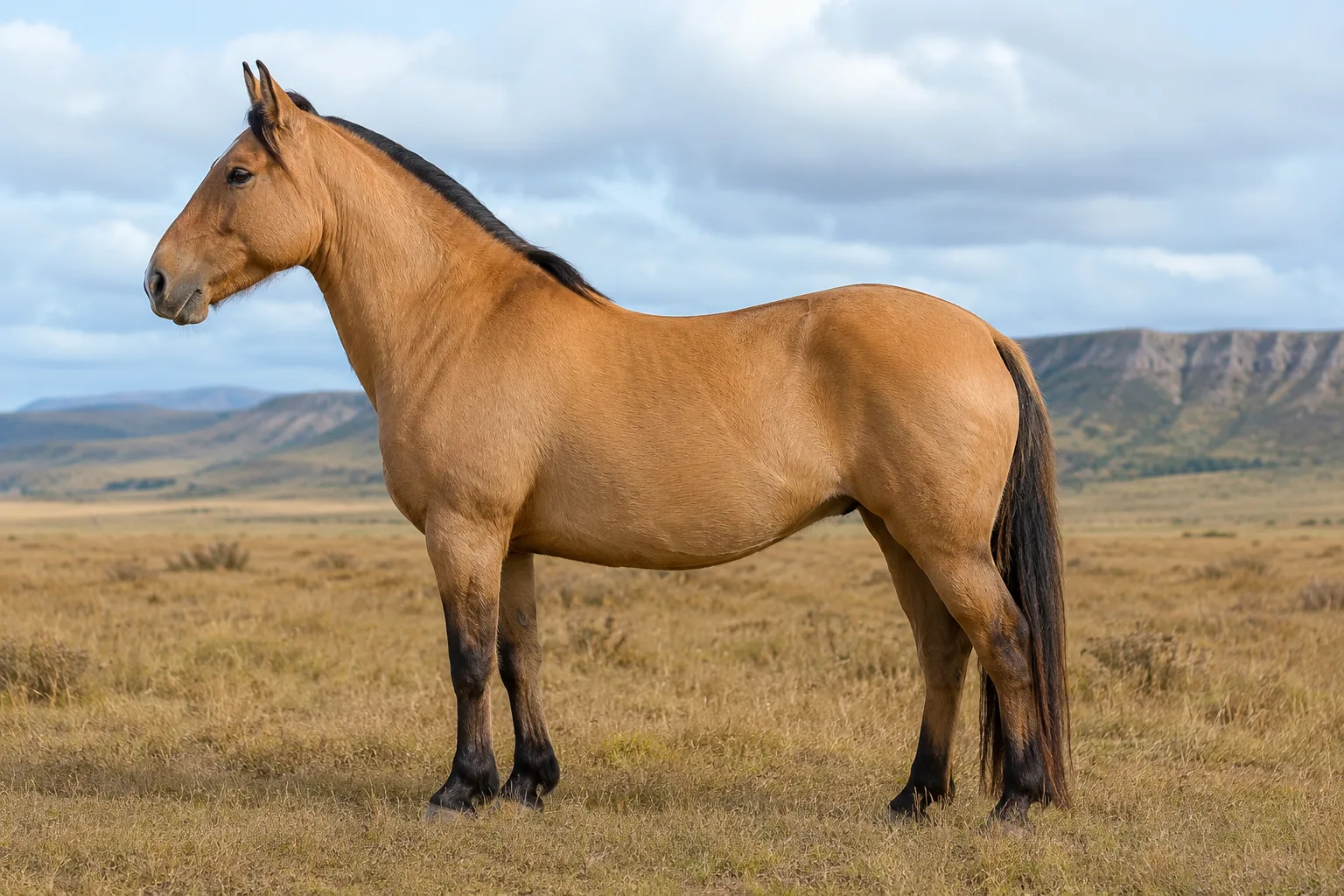
It is a medium to large-sized horse, athletic and harmonious, with solid bone structure and well-developed musculature, particularly in the hindquarters. Its silhouette is that of a sport horse, built for speed and endurance.
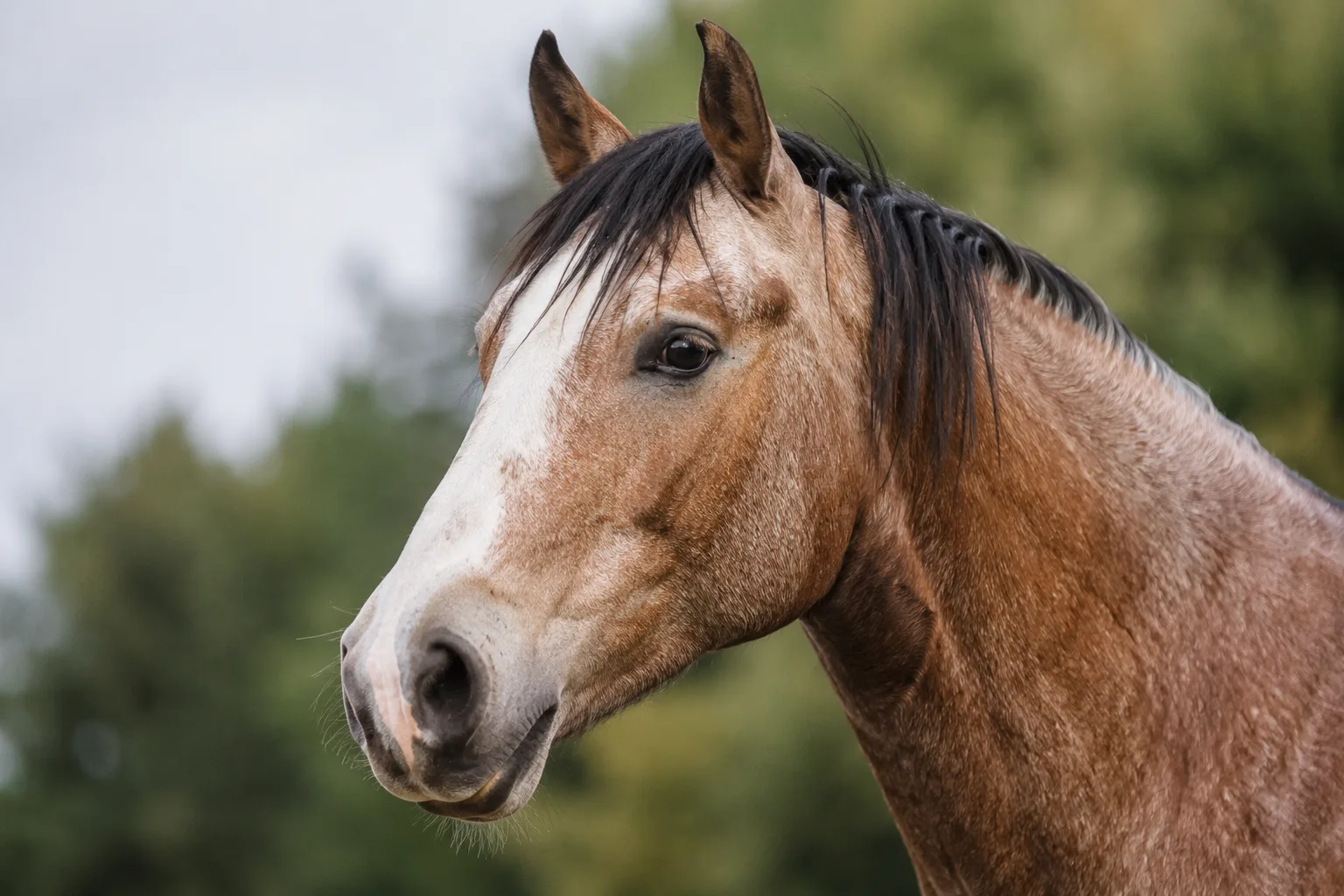
The head is expressive, medium-sized, with a straight or slightly convex profile. The nostrils are open, the eyes lively and intelligent, and the ears well-set and mobile.
The neck is long, well-muscled, and arched, attaching harmoniously to the withers. The withers are prominent and well-defined, promoting a wide range of motion.
The back is straight and strong, the topline taut. The chest is deep and wide, providing good respiratory capacity. The croup is long, muscular, and slightly sloped, conducive to propulsion.
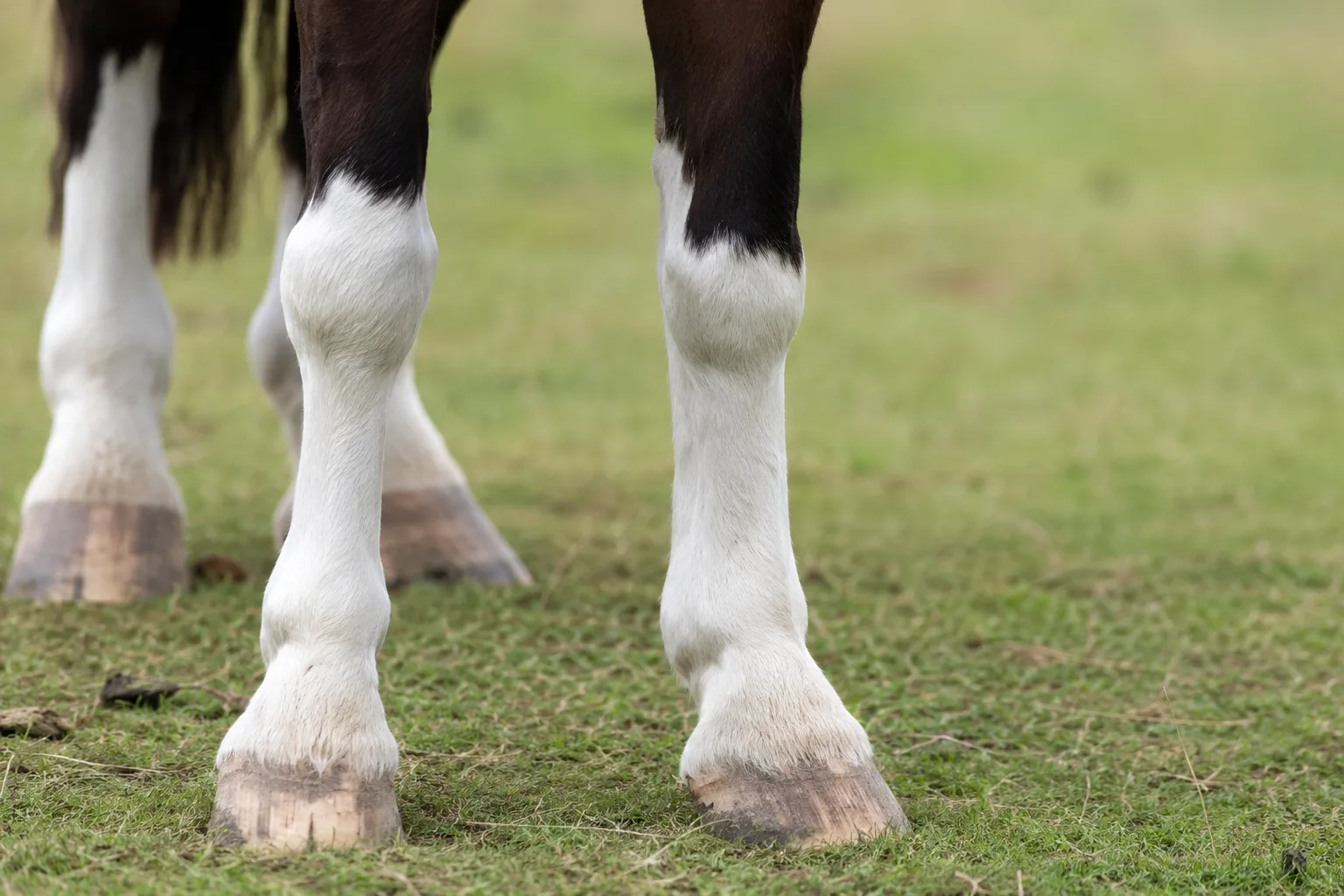
The limbs are long, clean, and strong, with large, well-defined joints. The tendons are clean and well-defined. The feet are well-formed, with hard and resistant horn. Feathers are sparse.
- Common coats: bay, chestnut, black pangaré, grey
Temperament and aptitudes
It is a willing, courageous, and energetic horse, endowed with a strong competitive temperament. It is also intelligent, receptive, and generally easy to handle, although some individuals may be more sensitive or spirited.
The French Trotter is primarily selected for its trot, which must be regular, expansive, energetic, and fast. It possesses a great natural aptitude for harness and ridden trotting, with excellent coordination and good balance.
- Uses: Harness racing, Ridden trotting races, Leisure riding horse, Sport horse (show jumping, eventing, dressage)
- Disciplines: Harness trotting, Ridden trot, Show Jumping, Eventing, Dressage
Feeding the French Trotter
The French Trotter is an athlete with high energy requirements, especially during training and competition periods. Its metabolism is that of a demanding sport horse. It requires a balanced diet, rich in good quality forage (ad libitum hay) and supplemented with concentrates adapted to its activity level, providing protein, energy (carbohydrates and fats), and minerals/vitamins. Particular attention should be paid to electrolyte intake.
Although generally robust, the French Trotter, like any sport horse subjected to a rich diet and intense training, can be prone to digestive disorders (gastric ulcers, colic) if its feeding is not carefully managed. It does not have a documented specific predisposition to laminitis or Equine Metabolic Syndrome (EMS) beyond the general risk factors associated with overfeeding or imbalance.
With Equio, every feed, supplement or treat is read against the horse's real profile (age, weight, Body Condition Score, conditions) — useful for a French Trotter as soon as a metabolic or digestive sensitivity is known.

Health and points to watch
Regular monitoring of the locomotor system is essential to prevent effort-related injuries. Stress and diet management are crucial to limit the risk of gastric ulcers. Rigorous dental and farriery care is also indispensable.
- More frequent conditions: Locomotor affections (tendinitis, desmitis, osteoarthritis) due to training intensity, Gastric ulcers, Respiratory problems (emphysema)
Care and grooming
The care of the French Trotter is that of a sport horse. Hoof trimming or shoeing adapted to the trotting discipline are paramount for balance and performance. The mane, tail, and coat require regular grooming to maintain good hygiene. Clipping is frequent in winter to facilitate sweat management during training.
Did you know?
- The world speed record for harness trotting is held by a French Trotter, Ready Cash, with a time of 1'08''4 over 2100 meters.
- The French Trotter is one of the rare breeds where selection is almost exclusively based on race performance.
- Trotting races in France are a very popular sport, with major events like the Prix d'Amérique at Vincennes.
The French Trotter and how to track it
The French Trotter is the most represented equine breed in France in terms of numbers and breeding, primarily dedicated to trotting races. Its studbook is very active and rigorous.
Equio lets you build a complete profile for a French Trotter: identity, weight, Body Condition Score, feeding, conditions, care reminders (vaccines, worming, trimming) and an exportable health log. The breed sets the identity; everyday decisions still depend on the real horse and your vet's advice.
- Record the activity level: rest, leisure, sport or breeding
- Add known conditions or sensitivities
- Scan feeds, plants and care products
- Keep reminders (vaccines, worming, trimming)
- Prepare a PDF export before a vet appointment
Frequently asked questions
Is the French Trotter a good horse for leisure?
Yes, many French Trotters retired from racing are successfully re-trained as leisure horses. Their willing temperament and intelligence make them excellent companions, provided they receive appropriate training for their new career.
What is the average budget for a French Trotter?
The price of a French Trotter varies enormously. A horse retired from racing can be acquired for a few hundred to a few thousand euros. A promising foal or racehorse can fetch much higher sums, from tens of thousands to several million euros.
Can the French Trotter gallop?
Yes, the French Trotter can gallop. Although it is selected for trotting, it is perfectly capable of galloping. Some are even successfully re-trained for galloping disciplines such as show jumping or eventing.
How to recognize a French Trotter?
It is recognized by its athletic build, long and muscular neck, prominent Withers, and powerful hindquarters. Its head is expressive with a straight profile. Its coat is most often bay or chestnut. Its characteristic gait is a powerful and regular trot.
Is the French Trotter suitable for beginners?
Due to its energy and sometimes fiery temperament, the French Trotter is not always recommended for a beginner rider. It is better suited for riders who already have some experience and are capable of handling a spirited horse.