
Horse breed
Suffolk Punch
The Suffolk Punch is the oldest British draft horse breed, developed in the county of Suffolk. Its origins date back to the early 18th century, with a unique paternal lineage tracing back to a stallion named Crisp's Horse of Ufford in 1768.
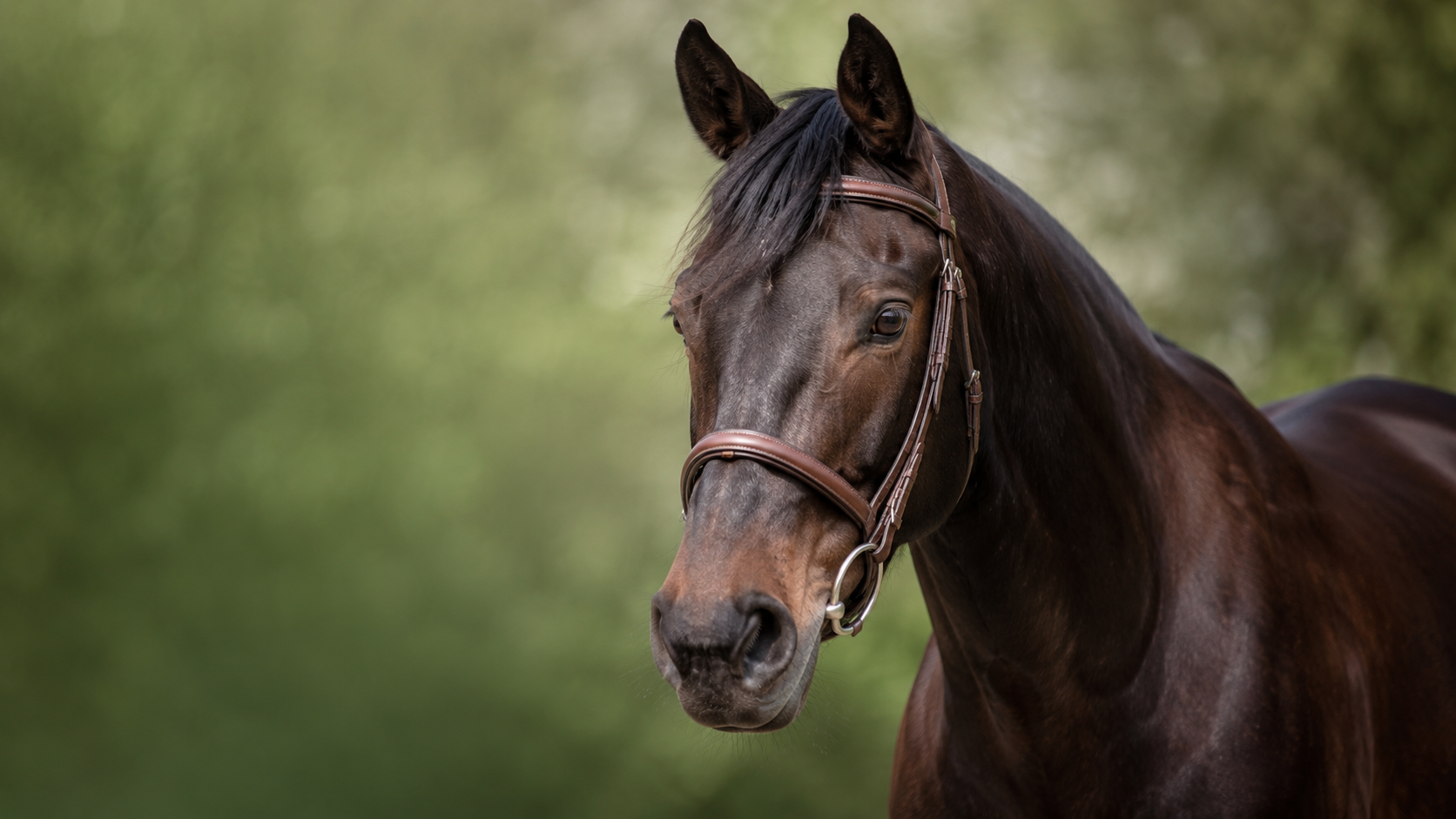
The breed at a glance
The Suffolk Punch is renowned for its calm, gentle, and docile temperament, making it a pleasant horse to handle and work with. It is also very courageous, willing, and intelligent, which makes it efficient for agricultural and forestry tasks.
- Category
- draft horse
- Origin
- United Kingdom (England) · 18th century
- Height at withers
- 165–178 cm
- Weight
- 900–1000 kg
- Lifespan
- 20-25 years
- Common coats
- chestnut
- Disciplines
- Traditional driving, Competitive driving (recreational), Agricultural demonstration work
- Other names
- Suffolk Horse
Origin and history
The Suffolk Punch is the oldest British draft horse breed, developed in the county of Suffolk. Its origins date back to the early 18th century, with a unique paternal lineage tracing back to a stallion named Crisp's Horse of Ufford in 1768. The breed was established through rigorous selection for power and endurance in agricultural work. The studbook was created in 1880, ensuring the purity of the breed.

Conformation and physique
A draft horse with a square, compact, and powerful build, featuring dense bone structure and highly developed musculature. It is renowned for its mass and strength, without being excessively tall.
Medium-sized head, with a straight or slightly convex profile, a broad forehead, and expressive eyes. The ears are medium-sized and well-set.
Short, thick, and very muscular neck, well-set and arched, blending into a broad, low-set wither.
Short and broad back, strong and muscular topline. Deep and broad chest, well-sprung ribs. Massive, rounded, and very muscular croup, often double.
Short, very strong, and muscular limbs, with large and solid joints. The cannons are short and the feathers are sparse, or even absent, which is a distinctive characteristic of the breed. The feet are large and round.
- Common coats: chestnut
Temperament and aptitudes
The Suffolk Punch is renowned for its calm, gentle, and docile temperament, making it a pleasant horse to handle and work with. It is also very courageous, willing, and intelligent, which makes it efficient for agricultural and forestry tasks.
Energetic, straight, and powerful gaits, with good impulsion. The walk is regular and ground-covering, the trot is active and balanced, reflecting its capacity for draft work.
- Uses: Agricultural work (plowing, harrowing), Forest skidding, Recreational and competitive driving, Heritage preservation, Equestrian tourism (carriages)
- Disciplines: Traditional driving, Competitive driving (recreational), Agricultural demonstration work
Feeding the Suffolk Punch
The Suffolk Punch is a draft horse with an efficient metabolism, capable of efficiently utilizing forage. It has a tendency to gain weight if not worked regularly or if its diet is too rich. A diet based on good quality forage (hay, grass) is essential, supplemented with concentrates only if the workload justifies it, taking care not to overfeed.
Like many draft horses with efficient metabolisms, the Suffolk Punch can be predisposed to Equine Metabolic Syndrome (EMS) and laminitis if overfed or if it has unlimited access to rich pastures. Careful management of diet and exercise is crucial to prevent these conditions.
With Equio, every feed, supplement or treat is read against the horse's real profile (age, weight, Body Condition Score, conditions) — useful for a Suffolk Punch as soon as a metabolic or digestive sensitivity is known.

Health and points to watch
Particular attention must be paid to weight management to prevent metabolic and joint problems. Hoof quality is paramount and requires regular trimming adapted to their size and shape. Monitoring of joints is recommended, especially in older or heavily worked horses.
- Documented genetic disorders: Factor XI coagulation deficiency (FXI deficiency)
- More frequent conditions: Joint problems related to weight and intense work (osteoarthritis), Hoof problems (cracks, abscesses) if the feet are not properly maintained
Care and grooming
The Suffolk Punch's hooves are large and round, requiring regular and precise trimming to maintain their integrity. Feathering is sparse, which reduces the risk of pastern dermatitis, but regular inspection is still advised. The coat is easy to maintain, and clipping is generally only necessary for horses in intense work or for aesthetic reasons.
Did you know?
- The Suffolk Punch is the only British draft horse breed whose coat color is exclusively chestnut, with variations in shade ranging from light to dark.
- All male Suffolk Punches can trace their paternal lineage back to a single stallion, Crisp's Horse of Ufford, born in 1768.
- The breed is nicknamed 'Suffolk Sorrel' due to its characteristic chestnut coat.
- The Suffolk Punch was used as a war horse to pull heavy artillery during World War I.
The Suffolk Punch and how to track it
The Suffolk Punch breed is very rare in France, with only a few imported individuals. There is no significant breeding or widespread use, the breed being primarily found in its country of origin and North America.
Equio lets you build a complete profile for a Suffolk Punch: identity, weight, Body Condition Score, feeding, conditions, care reminders (vaccines, worming, trimming) and an exportable health log. The breed sets the identity; everyday decisions still depend on the real horse and your vet's advice.
- Record the activity level: rest, leisure, sport or breeding
- Add known conditions or sensitivities
- Scan feeds, plants and care products
- Keep reminders (vaccines, worming, trimming)
- Prepare a PDF export before a vet appointment
Frequently asked questions
What is unique about the Suffolk Punch's coat?
The Suffolk Punch is unique among draft breeds in that all individuals are chestnut. The color can vary from light (golden chestnut) to dark (liver chestnut), but it is always a shade of chestnut, often with a lighter mane and tail.
Is the Suffolk Punch a good horse for recreational driving?
Yes, absolutely. Thanks to its calm temperament, strength, and endurance, the Suffolk Punch is an excellent driving horse. It is reliable and easy to handle, making it suitable for both beginners and experienced drivers.
Is the Suffolk Punch an endangered breed?
Yes, the Suffolk Punch is classified as a critically endangered breed by the Rare Breeds Survival Trust in the United Kingdom. Conservation efforts are underway to maintain and increase its population, which has significantly declined with the mechanization of agriculture.
What is the difference between a Suffolk Punch and a Shire or a Clydesdale?
Although all are British draft horses, the Suffolk Punch is distinguished by its exclusively chestnut coat, its more compact body, and the almost complete absence of feathering. Shires and Clydesdales are generally larger, have varied coat colors (often bay, black, grey), and very abundant feathering.
Is the Suffolk Punch suited to hot climates?
Originating from a temperate climate, the Suffolk Punch can adapt to hot climates, but it requires careful management. It is important to provide shade, plenty of fresh water, and adapt work to the coolest hours of the day to avoid heatstroke, as with any large and heavily built horse.