
Horse breed
Clydesdale
The Clydesdale originated in the Clyde Valley, Lanarkshire, Scotland, where it was developed from local mares crossed with imported Flemish stallions, notably Flemish draft horses and Shires. Initially used for agriculture and coal transport, it quickly gained popularity for its strength and temperament.

The breed at a glance
The Clydesdale is renowned for its gentle, calm, and docile temperament, making it a pleasant horse to handle and work with. It is intelligent, willing, and very cooperative, which makes it suitable for various tasks.
- Category
- draft horse
- Origin
- Scotland · 18th century
- Height at withers
- 163–183 cm
- Weight
- 700–1000 kg
- Lifespan
- 20-25 years
- Common coats
- bay, black, chestnut, grey
- Disciplines
- competitive driving, agricultural and forestry work, equestrian shows
- Other names
- Clydesdale Horse

Origin and history
The Clydesdale originated in the Clyde Valley, Lanarkshire, Scotland, where it was developed from local mares crossed with imported Flemish stallions, notably Flemish draft horses and Shires. Initially used for agriculture and coal transport, it quickly gained popularity for its strength and temperament. The breed was officially recognized with the creation of the Clydesdale Horse Society in 1877, establishing the first studbook. It played a crucial role in Scottish and British agriculture and industry.
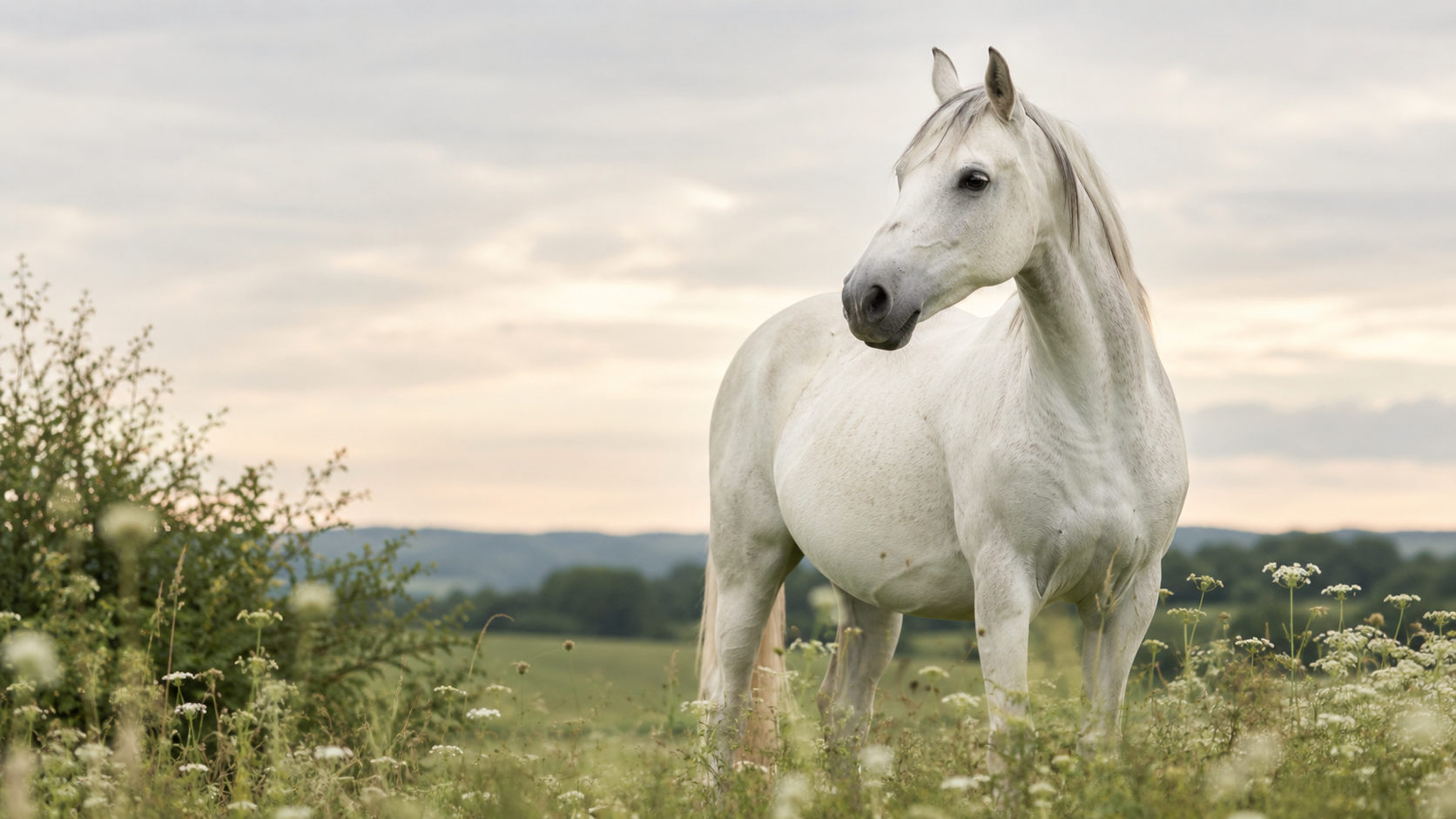
Conformation and physique
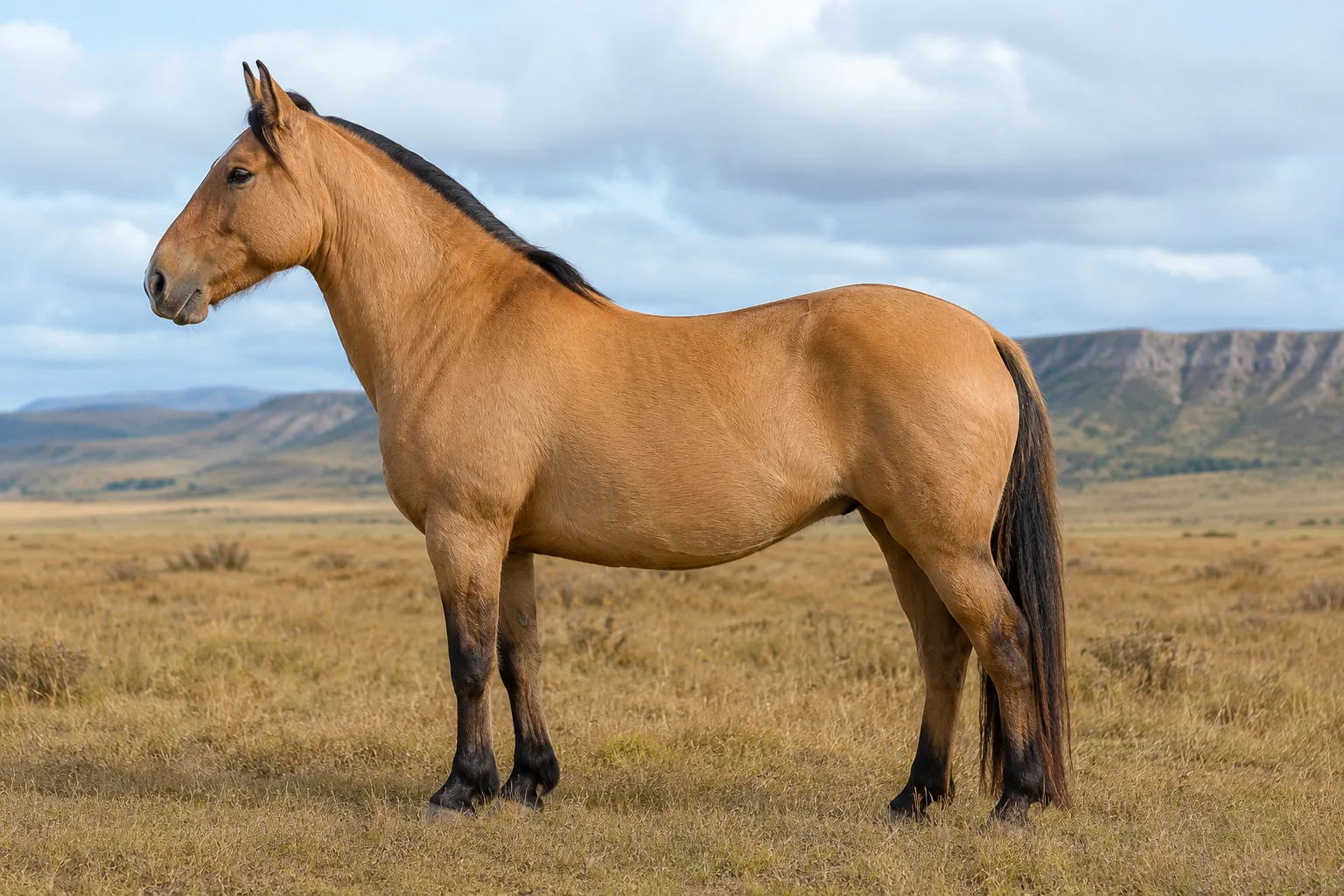
The Clydesdale is a large, powerful, and elegant draft horse, with a harmonious silhouette and strong bone structure. It is renowned for its proud bearing and energetic gait.
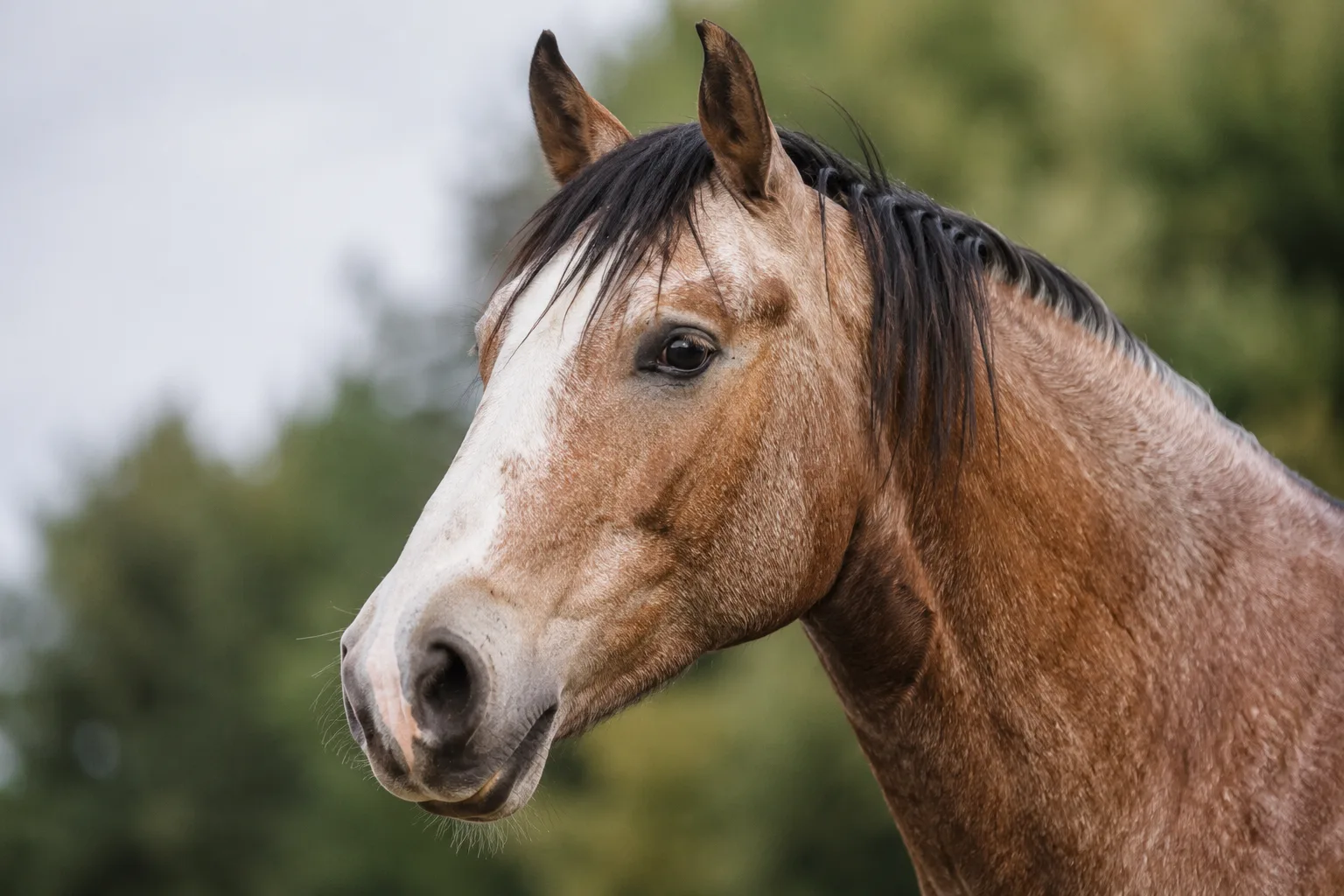
The head is well-proportioned, with a straight or slightly convex profile, large expressive eyes, and wide nostrils. The ears are medium-sized and well-placed.
The neck is long, arched, and muscular, well-set into the shoulders. The withers are well-defined and muscular, blending harmoniously into the back.
The body is compact and powerful, with a short, strong back, a muscular topline, and a broad, deep chest. The croup is long, muscular, and slightly sloped.
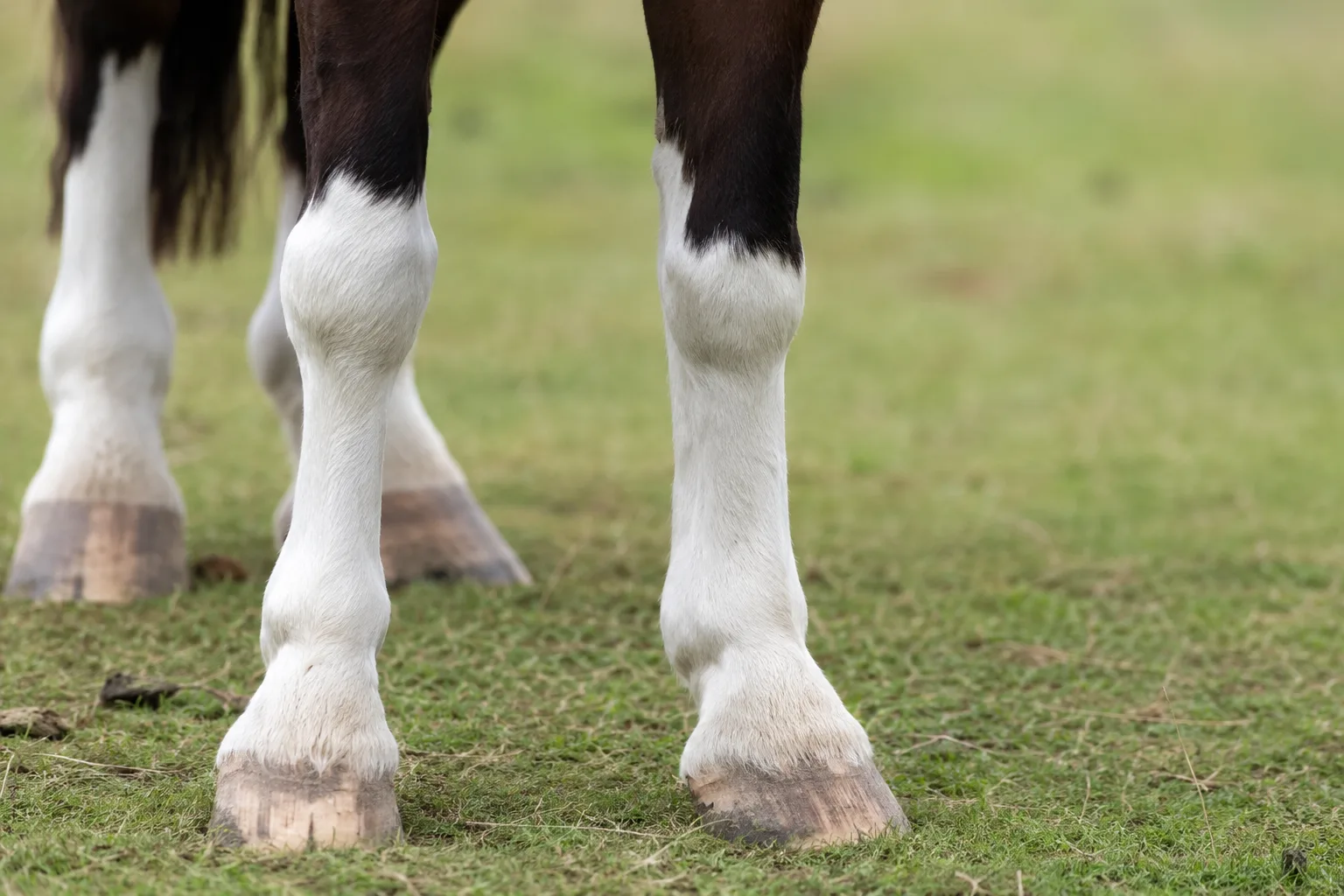
The limbs are long, strong, and well-muscled, with large, sound joints. The cannons are short and the pasterns long. The feathering is abundant, silky, and white, covering the hooves. The hooves are wide and well-formed.
- Common coats: bay, black, chestnut, grey
Temperament and aptitudes
The Clydesdale is renowned for its gentle, calm, and docile temperament, making it a pleasant horse to handle and work with. It is intelligent, willing, and very cooperative, which makes it suitable for various tasks.
The gaits are ample, energetic, and regular, with high action and powerful movement. The Clydesdale is known for its elegant stride and rhythmic trot.
- Uses: agricultural draft, heavy hauling, forestry work, competitive and recreational driving, parades and processions, recreational riding (for experienced riders)
- Disciplines: competitive driving, agricultural and forestry work, equestrian shows
Feeding the Clydesdale
The Clydesdale, as a large draft horse, has significant energy requirements, but is often an efficient metabolizer. It requires a diet rich in good quality forage (hay or grass) in large quantities to maintain its weight and muscle mass. Concentrates should be adjusted according to its activity level, taking care not to overfeed to avoid obesity. Particular attention should be paid to mineral and vitamin balance.
Although generally robust, the Clydesdale can be prone to laminitis if overfed or if it has excessive access to rich pastures, like many draft horses. It does not have a documented specific predisposition to Equine Metabolic Syndrome (EMS) or PSSM type 1 or 2, but careful dietary management is always recommended to prevent problems related to excess weight and sugars/starches.
With Equio, every feed, supplement or treat is read against the horse's real profile (age, weight, Body Condition Score, conditions) — useful for a Clydesdale as soon as a metabolic or digestive sensitivity is known.

Health and points to watch
Regular monitoring of the limbs and feathering is essential to prevent skin conditions. Particular attention should be paid to the condition of the joints, especially in older or heavily worked horses. Regular and appropriate hoof trimming is crucial to support their weight.
- Documented genetic disorders: chronic progressive lymphedema (CPL)
- More frequent conditions: skin problems under the feathering (dermatitis, mud fever), joint conditions due to weight and size
Care and grooming
Abundant feathering requires regular maintenance to prevent dermatitis and infections (cleaning, drying). The wide and robust hooves require professional and regular trimming. The thick coat may require frequent brushing, and clipping is sometimes practiced for working or competition horses to facilitate maintenance and thermal regulation.
Did you know?
- The Clydesdale is one of the most recognizable horses in the world, notably thanks to its association with the famous Budweiser brewery hitches in the United States.
- The abundant white feathering is a distinctive and highly valued characteristic of the breed, often referred to as 'feathers'.
- Despite its imposing size, the Clydesdale is renowned for the lightness and elegance of its movements, which is rare for a draft horse.
The Clydesdale and how to track it
The Clydesdale breed is present in France, but in limited numbers. It is primarily bred by enthusiasts for recreational driving, equestrian shows, or breeding. Its use remains marginal compared to French draft breeds.
Equio lets you build a complete profile for a Clydesdale: identity, weight, Body Condition Score, feeding, conditions, care reminders (vaccines, worming, trimming) and an exportable health log. The breed sets the identity; everyday decisions still depend on the real horse and your vet's advice.
- Record the activity level: rest, leisure, sport or breeding
- Add known conditions or sensitivities
- Scan feeds, plants and care products
- Keep reminders (vaccines, worming, trimming)
- Prepare a PDF export before a vet appointment
Frequently asked questions
Is the Clydesdale a good horse for recreational riding?
Yes, thanks to its calm and docile temperament, the Clydesdale can be an excellent leisure horse for experienced riders. However, its large size and strength require good horsemanship and suitable equipment.
What are the maintenance costs of a Clydesdale?
The maintenance costs of a Clydesdale are generally higher than those of a medium-sized horse due to its greater dietary needs, the size of its equipment (shoeing, harness), and the specific care required for its feathers. A substantial budget should be allocated for its feed and veterinary care.
Is the Clydesdale suited to hot climates?
Originating from Scotland, the Clydesdale is better suited to temperate to cold climates. Its thick coat and feathers can make it sensitive to heat and humidity, requiring careful management during summer (clipping, insect protection, access to shade and water).
How to recognize a purebred Clydesdale?
A purebred Clydesdale is recognized by its large size, bay coat (often with extensive white markings), abundant white feathers, and proud carriage. Confirmation of breed purity is done by registration in the Clydesdale Horse Society studbook.
Is the Clydesdale an endangered breed?
Although its numbers decreased after the mechanization of agriculture, the Clydesdale is not considered a critically endangered breed. However, it is classified as 'vulnerable' by some conservation organizations, and efforts are being made to maintain and develop the breed.