
Horse breed
Shire
Descended from the great medieval warhorses, the Shire developed in the central counties of England. It originated from crosses between local mares and Flemish and Dutch stallions, notably the 'Dutch Black'.

The breed at a glance
The Shire is renowned for its gentle, calm, and docile temperament, making it a pleasant horse to handle and work with. It is intelligent, patient, and willing, displaying great quiet strength.
- Category
- draft horse
- Origin
- United Kingdom · Middle Ages (development), 19th Century (establishment)
- Height at withers
- 173–193 cm
- Weight
- 850–1100 kg
- Lifespan
- 20-25 years
- Common coats
- bay, black, grey
- Disciplines
- competition driving, working harness, logging
- Other names
- Cheval de Shire
Origin and history
Descended from the great medieval warhorses, the Shire developed in the central counties of England. It originated from crosses between local mares and Flemish and Dutch stallions, notably the 'Dutch Black'. The breed was officially recognized with the creation of the Shire Horse Society in 1878, playing a crucial role in agriculture and heavy transport before motorization.

Conformation and physique
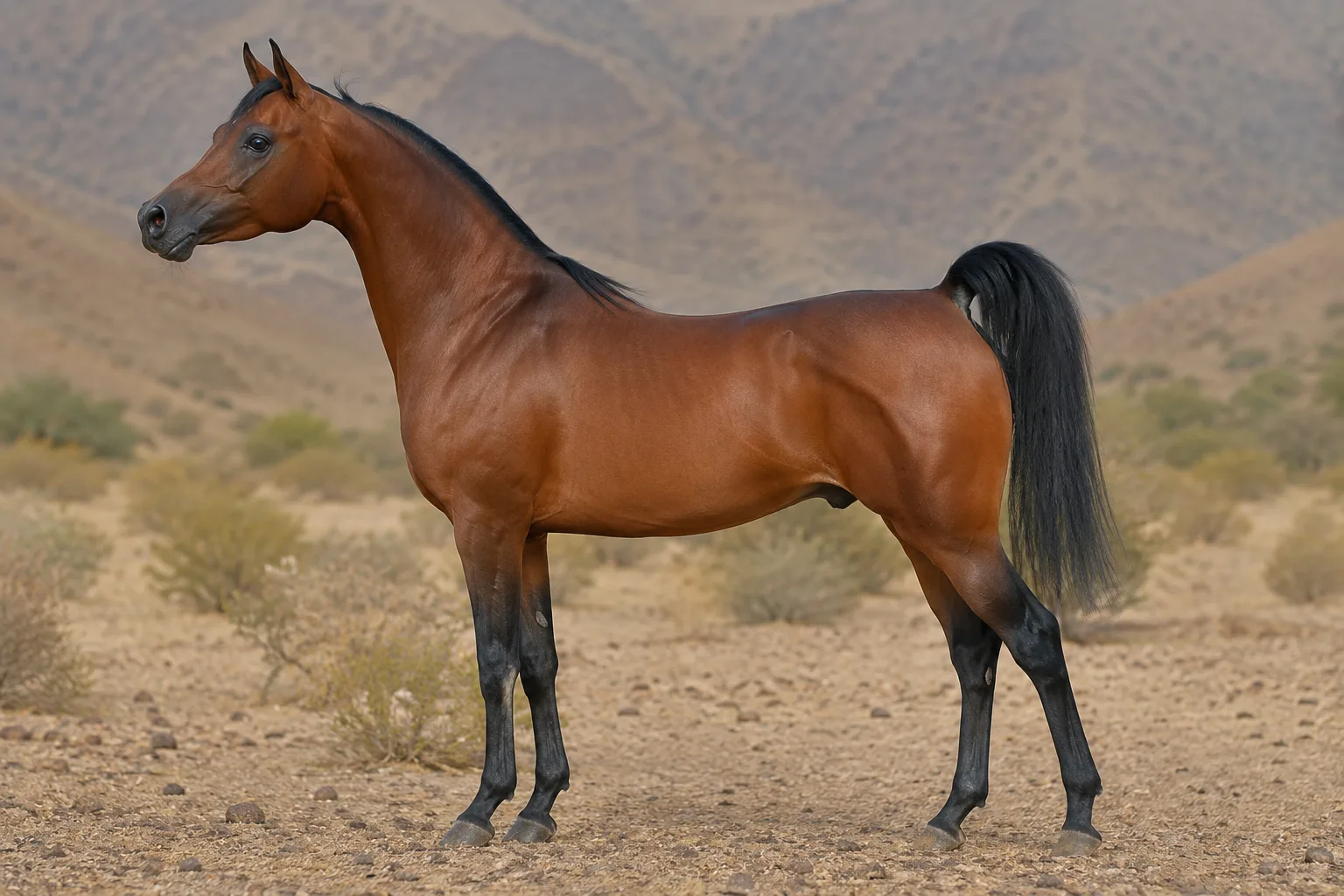
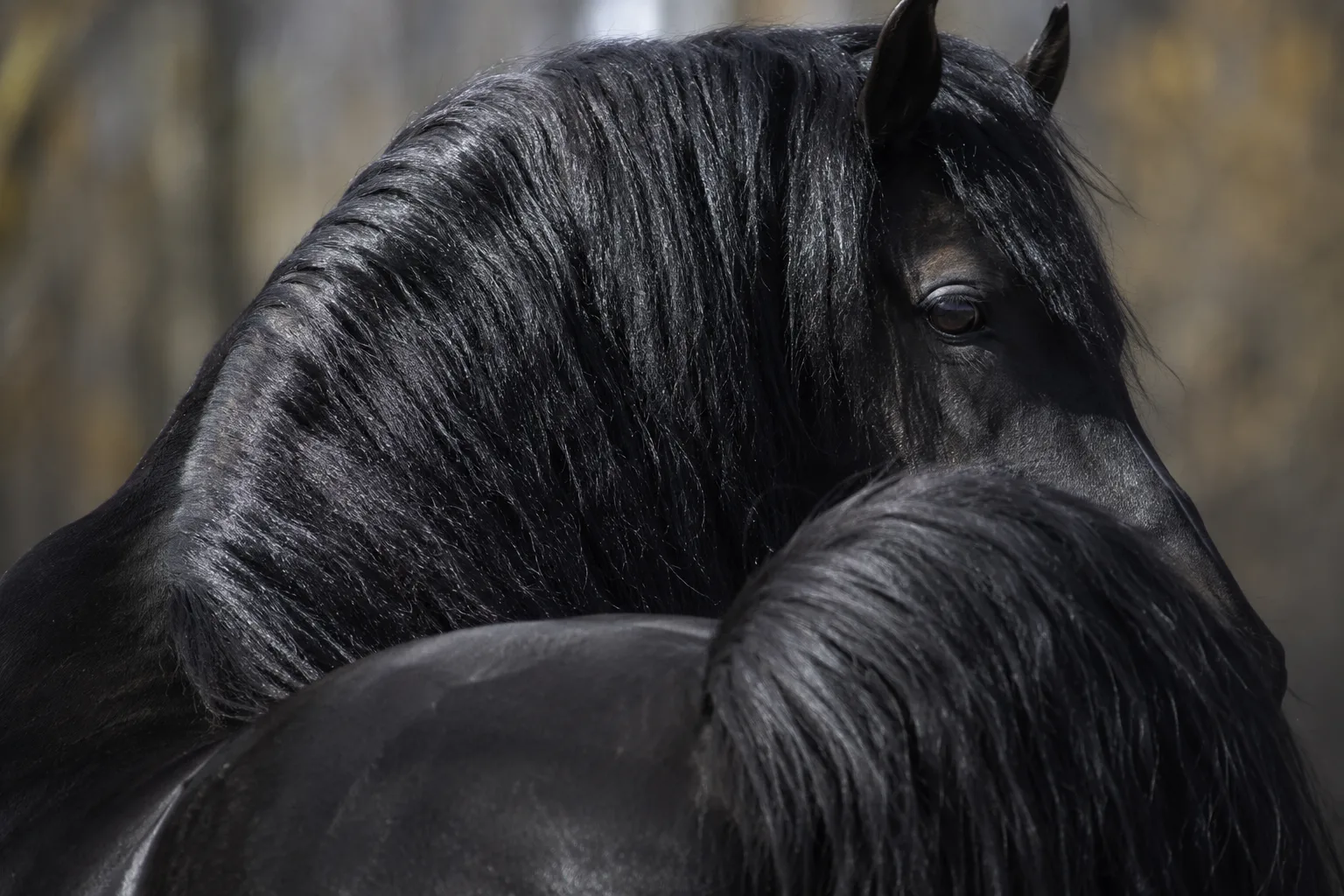
The Shire is a very large, powerful, and massive horse, with strong bone structure and well-developed musculature. It presents an imposing yet harmonious silhouette, typical of heavy draft horses.
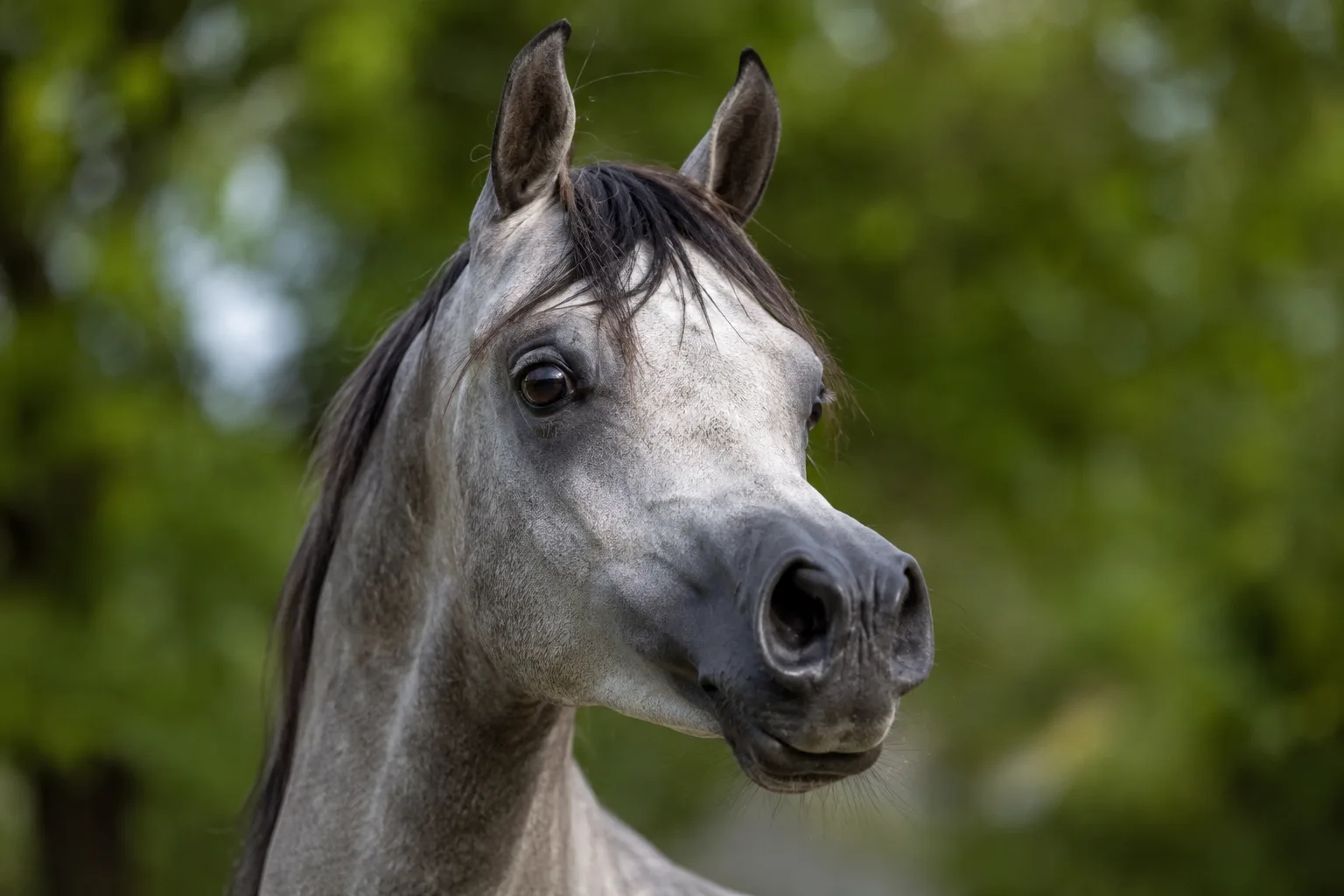
The head is long and expressive, with a slightly convex (Roman nose) or straight profile. The eyes are large and kind, the ears well-proportioned and alert.
The neck is long, muscular, and well-arched, blending harmoniously into a broad, low-set wither, typical of draft horses.
The body is deep and broad, with a short, strong back, a muscular topline, and a capacious chest. The hindquarters are powerful, broad, and slightly sloped.
The limbs are long, strong, and well-muscled, with broad joints and short cannons. They are characterized by abundant, silky feathering, covering the hooves. The feet are large and solid.
- Common coats: bay, black, grey
Temperament and aptitudes
The Shire is renowned for its gentle, calm, and docile temperament, making it a pleasant horse to handle and work with. It is intelligent, patient, and willing, displaying great quiet strength.
The Shire's gaits are expansive, powerful, and regular, with good impulsion. Despite its size, it moves with a certain elegance and great suppleness.
- Uses: agricultural draft (historical), goods transport (historical), recreational and competitive driving, forestry work, logging, advertising and events, leisure riding (for experienced riders)
- Disciplines: competition driving, working harness, logging
Feeding the Shire
The Shire is a horse with a rather efficient metabolism, capable of effectively utilizing forage. It tends to gain weight if not sufficiently exercised or if its diet is too rich. A base of good quality hay ad libitum is essential. Concentrates should be adapted to its activity level, often low for leisure horses and increased for horses in intense work, prioritizing feeds with low starch and sugar content.
Like many draft horses, the Shire can be predisposed to Equine Metabolic Syndrome (EMS) and laminitis if overfed or sedentary. Careful monitoring of its weight and a controlled diet are crucial to prevent these conditions.
With Equio, every feed, supplement or treat is read against the horse's real profile (age, weight, Body Condition Score, conditions) — useful for a Shire as soon as a metabolic or digestive sensitivity is known.

Health and points to watch
Particular attention must be paid to the health of the limbs and feet, due to their size and the weight they bear. Management of chronic progressive lymphedema requires regular care of the feathering and skin. Weight monitoring is essential to prevent metabolic risks.
- Documented genetic disorders: chronic progressive lymphedema (CPL)
- More frequent conditions: foot conditions (due to size and weight), joint problems (osteoarthritis)
Care and grooming
The Shire's abundant feathering requires regular maintenance to prevent skin conditions (mud fever, dermatophilosis). Daily brushing and thorough drying after exposure to moisture are recommended. The large, solid hooves require regular trimming adapted to their size. The thick coat may require clipping in winter if the horse is working intensely.
Did you know?
- The Shire holds the world record for the tallest horse, with individuals regularly exceeding 2 meters at the wither.
- Historically, Shires were used to pull brewery drays, a tradition that continues today in some English towns.
- The Shire is often nicknamed the 'gentle giant' due to its imposing size and placid nature.
The Shire and how to track it
The Shire breed is present in France, although its population is modest. It is primarily used for leisure driving, logging (skidding), and demonstrations, appreciated for its strength and temperament.
Equio lets you build a complete profile for a Shire: identity, weight, Body Condition Score, feeding, conditions, care reminders (vaccines, worming, trimming) and an exportable health log. The breed sets the identity; everyday decisions still depend on the real horse and your vet's advice.
- Record the activity level: rest, leisure, sport or breeding
- Add known conditions or sensitivities
- Scan feeds, plants and care products
- Keep reminders (vaccines, worming, trimming)
- Prepare a PDF export before a vet appointment
Frequently asked questions
Is the Shire suitable for beginner riders?
Despite its gentle temperament, the Shire's size and power can be intimidating for a beginner. It is advisable to have some equestrian experience to ride a Shire safely and effectively.
What is the cost of keeping a Shire?
Keeping a Shire is generally more expensive than a medium-sized horse due to its greater needs for feed, shoeing (larger hooves), and medication (higher doses).
Can the Shire live outdoors all year round?
Yes, the Shire is a hardy breed that can live outdoors all year round, provided it has adequate shelter from the elements and a suitable diet. Its feathers require particular attention in damp environments.
Is the Shire a good family horse?
Thanks to its calm and patient temperament, the Shire can be an excellent family horse, especially for driving or quiet rides, provided family members are aware of its size and strength.
What are the main differences between a Shire and a Clydesdale?
Although similar, the Shire is generally heavier and more massive than the Clydesdale. The Clydesdale often has more abundant feathering and a higher-stepping gait. Coat colours are also a distinguishing factor, with the Clydesdale more often bay with extensive white markings.