
Horse breed
Peruvian Paso
The Peruvian Paso descends from horses imported by Spanish conquistadors to Peru, notably Barbs, Andalusians, and Jinete horses. Geographically isolated for centuries, it was selectively bred for its natural gaits and endurance.
The breed at a glance
It is a horse with a noble, gentle, and cooperative temperament, renowned for its 'brio' (energy and pride) without being nervous. It is intelligent, easy to train, and very close to humans, making it an excellent companion.
- Category
- saddle horse
- Origin
- Peru · 17th - 18th century
- Height at withers
- 142–152 cm
- Weight
- 400–500 kg
- Lifespan
- 25-30 years
- Common coats
- bay, chestnut, grey, black, palomino, dun
- Disciplines
- breed-specific gait competitions, working equitation
- Other names
- Caballo Peruano de Paso, Peruvian Paso
Origin and history
The Peruvian Paso descends from horses imported by Spanish conquistadors to Peru, notably Barbs, Andalusians, and Jinete horses. Geographically isolated for centuries, it was selectively bred for its natural gaits and endurance. The breed was officially recognized in Peru in the mid-20th century, becoming a national symbol.
Conformation and physique
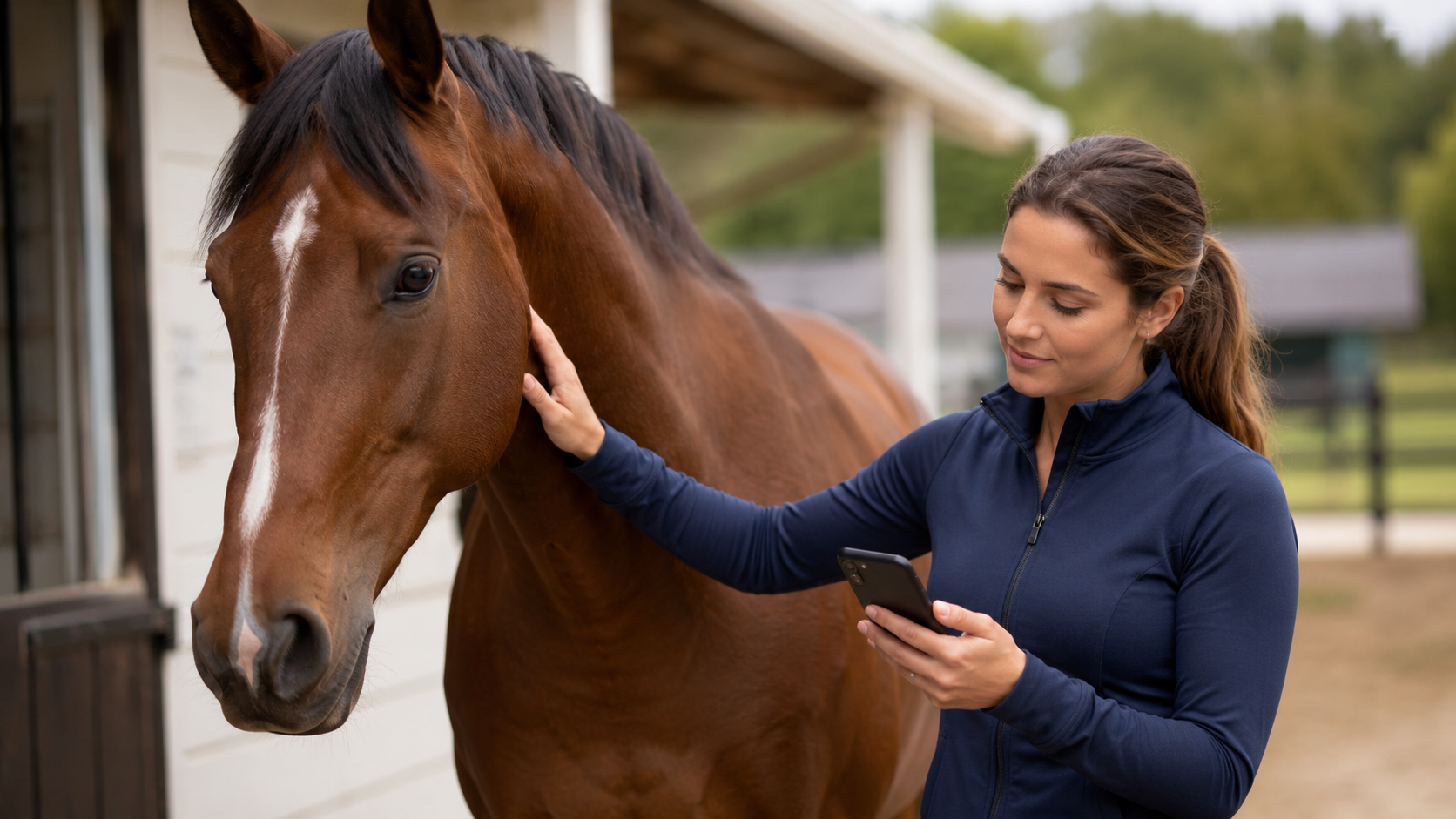
It is a medium-sized horse, compact and muscular, with solid bone structure. It has an elegant and harmonious silhouette, typical of Iberian saddle horses.
The head is medium-sized, well-proportioned, with a straight or slightly convex profile. The eyes are large and expressive, the nostrils wide, and the ears small and mobile.
The neck is strong, muscular, and well-arched, blending harmoniously into a low but well-defined wither.
The back is short and strong, the topline is taut. The chest is broad and deep, the croup is rounded and muscular, with a low-set tail.
The limbs are strong, with well-defined joints and clean tendons. The hooves are hard and well-formed. Feathering is generally sparse.
- Common coats: bay, chestnut, grey, black, palomino, dun
Temperament and aptitudes
It is a horse with a noble, gentle, and cooperative temperament, renowned for its 'brio' (energy and pride) without being nervous. It is intelligent, easy to train, and very close to humans, making it an excellent companion.
The Peruvian Paso is famous for its natural and specific gaits: the 'Paso Llano' (a very comfortable four-beat lateral gait) and the 'Termino' (an outward swinging motion of the forelegs).
- Uses: recreational riding, trail riding, cattle work, parades and demonstrations, gait competitions
- Disciplines: breed-specific gait competitions, working equitation
Feeding the Peruvian Paso
The Peruvian Paso is generally a thrifty horse, capable of efficiently utilizing forage. It is not particularly prone to obesity if worked regularly. A diet based on good quality forage (hay or grass) is essential. Concentrates are only necessary in cases of intense work or specific needs (growth, reproduction), and should be adjusted cautiously to avoid excesses.
Although generally robust, like any thrifty horse, it can be predisposed to Equine Metabolic Syndrome (EMS) and laminitis if the diet is too rich in sugars and starches, or if exercise is insufficient. It is important to monitor its weight and adjust the diet accordingly.
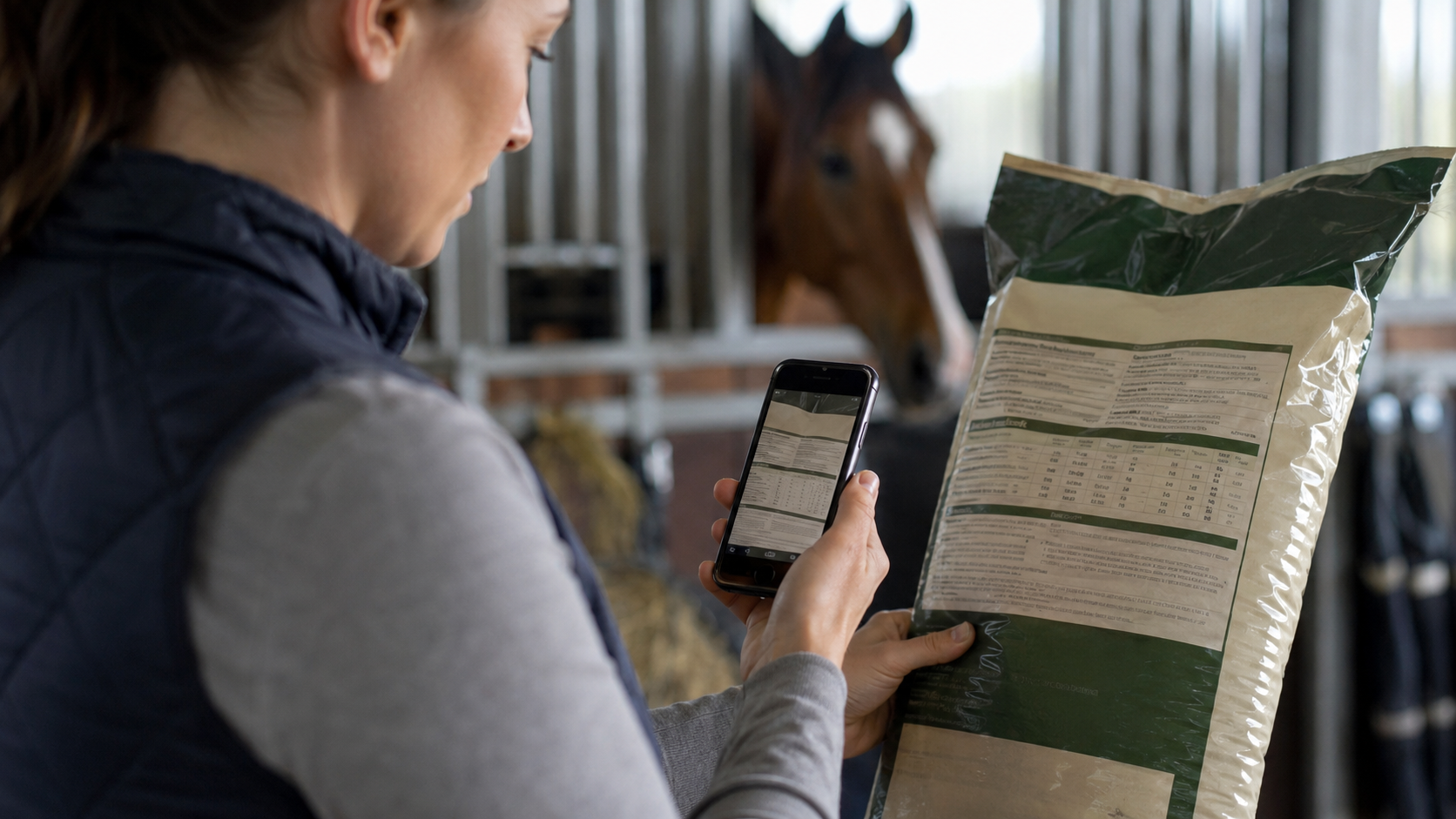
With Equio, every feed, supplement or treat is read against the horse's real profile (age, weight, Body Condition Score, conditions) — useful for a Peruvian Paso as soon as a metabolic or digestive sensitivity is known.

Health and points to watch
Particular attention should be paid to hoof care, which is essential for the comfort and performance of its specific gaits. Monitoring weight and body condition is important to prevent metabolic risks.
- More frequent conditions: joint conditions related to the intensity of the gaits if poorly managed, hoof problems if inadequately trimmed
Care and grooming
The hooves require regular trimming adapted to its gaits. The mane and tail are often left long and natural, requiring regular detangling. The coat is easy to maintain. Clipping is generally not necessary except for aesthetic reasons or comfort during intense work.
Did you know?
- The Peruvian Paso is the only horse in the world to have a natural four-beat lateral gait, the 'Paso Llano', which is genetically fixed.
- The 'Termino' is a unique movement where the forelegs swing outward in an arc, adding to the elegance of the gait.
- In Peru, the Peruvian Paso is often shown with traditional saddle and tack, reflecting its cultural heritage.
The Peruvian Paso and how to track it
The breed is not widely represented in France, with a few passionate breeders and leisure riders seeking its comfortable gaits and temperament. Its breeding remains limited.
Equio lets you build a complete profile for a Peruvian Paso: identity, weight, Body Condition Score, feeding, conditions, care reminders (vaccines, worming, trimming) and an exportable health log. The breed sets the identity; everyday decisions still depend on the real horse and your vet's advice.
- Record the activity level: rest, leisure, sport or breeding
- Add known conditions or sensitivities
- Scan feeds, plants and care products
- Keep reminders (vaccines, worming, trimming)
- Prepare a PDF export before a vet appointment
Frequently asked questions
What is unique about the Peruvian Paso's gaits?
The Peruvian Paso is unique for its natural four-beat gaits, the 'Paso Llano' and the 'Termino'. The Paso Llano is a very comfortable lateral gait for the rider, while the Termino is a distinctive outward swing of the forelegs.
Is the Peruvian Paso suitable for beginners?
Yes, thanks to its gentle, cooperative temperament and great docility, the Peruvian Paso is often recommended for beginners and riders seeking a comfortable and safe horse.
What is the cost of a Peruvian Paso?
The price of a Peruvian Paso can vary considerably depending on its age, training level, lineage, and gait qualities. In France, where the breed is rare, prices may be higher than in its country of origin.
Can the Peruvian Paso jump or perform classical dressage?
While versatile, the Peruvian Paso is not naturally predisposed to show jumping or classical dressage, as its gaits are very specific. It excels in disciplines that highlight its natural gaits and endurance, such as trail riding or working equitation.
How to care for a Peruvian Paso's hooves?
Hoof care is crucial for the Peruvian Paso. Regular trimming adapted to its foot conformation and specific gaits is essential to maintain its comfort and the quality of its movement. It is recommended to consult a farrier experienced with gaited horses.