
Horse breed
Tennessee Walking Horse
The Tennessee Walking Horse originated in Tennessee, where it was developed from crosses between Standardbreds, Morgans, American Saddlebreds, and local saddle horses. The objective was to create a versatile, comfortable, and enduring horse for farm work and transportation.
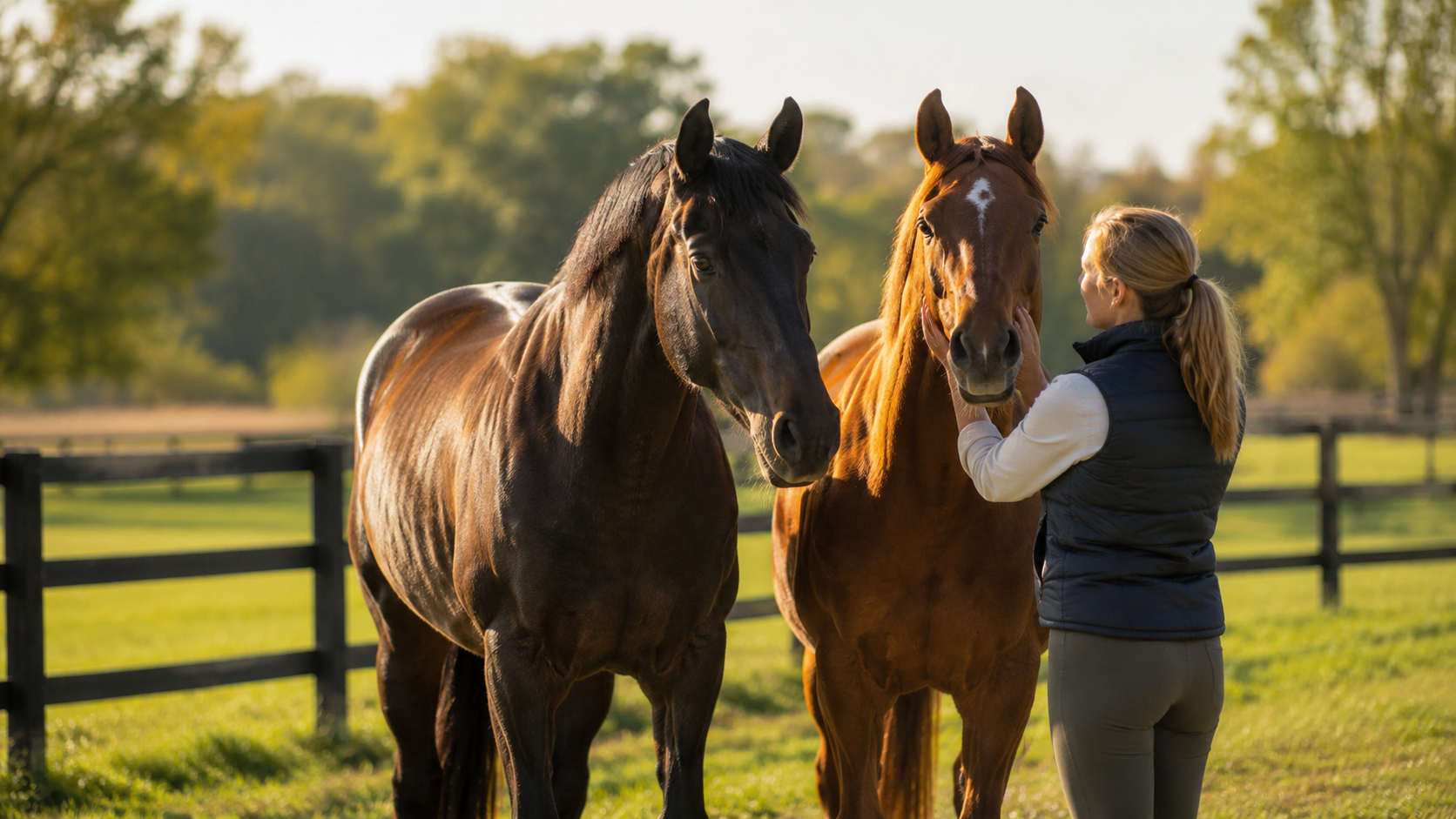
The breed at a glance
It is a horse with a gentle, calm, and cooperative temperament, renowned for its kindness and willingness to please. It is intelligent, easy to train, and very enduring, making it an excellent partner for work and leisure.
- Category
- saddle horse
- Origin
- United States · Late 19th century
- Height at withers
- 142–173 cm
- Weight
- 450–650 kg
- Lifespan
- 25-30 years
- Common coats
- bay, chestnut, black, grey, palomino, cremello, perlino, roan, tobiano, overo, tovero
- Disciplines
- pleasure riding, trail, trail riding, western riding
- Other names
- TWH
Origin and history
The Tennessee Walking Horse originated in Tennessee, where it was developed from crosses between Standardbreds, Morgans, American Saddlebreds, and local saddle horses. The objective was to create a versatile, comfortable, and enduring horse for farm work and transportation. The breed was officially recognized in 1935 with the creation of the Tennessee Walking Horse Breeders' Association of America.

Conformation and physique
It is a medium to large saddle horse, elegant and athletic, with solid bone structure and well-developed musculature. Its silhouette is harmonious, exuding an impression of power and suppleness.
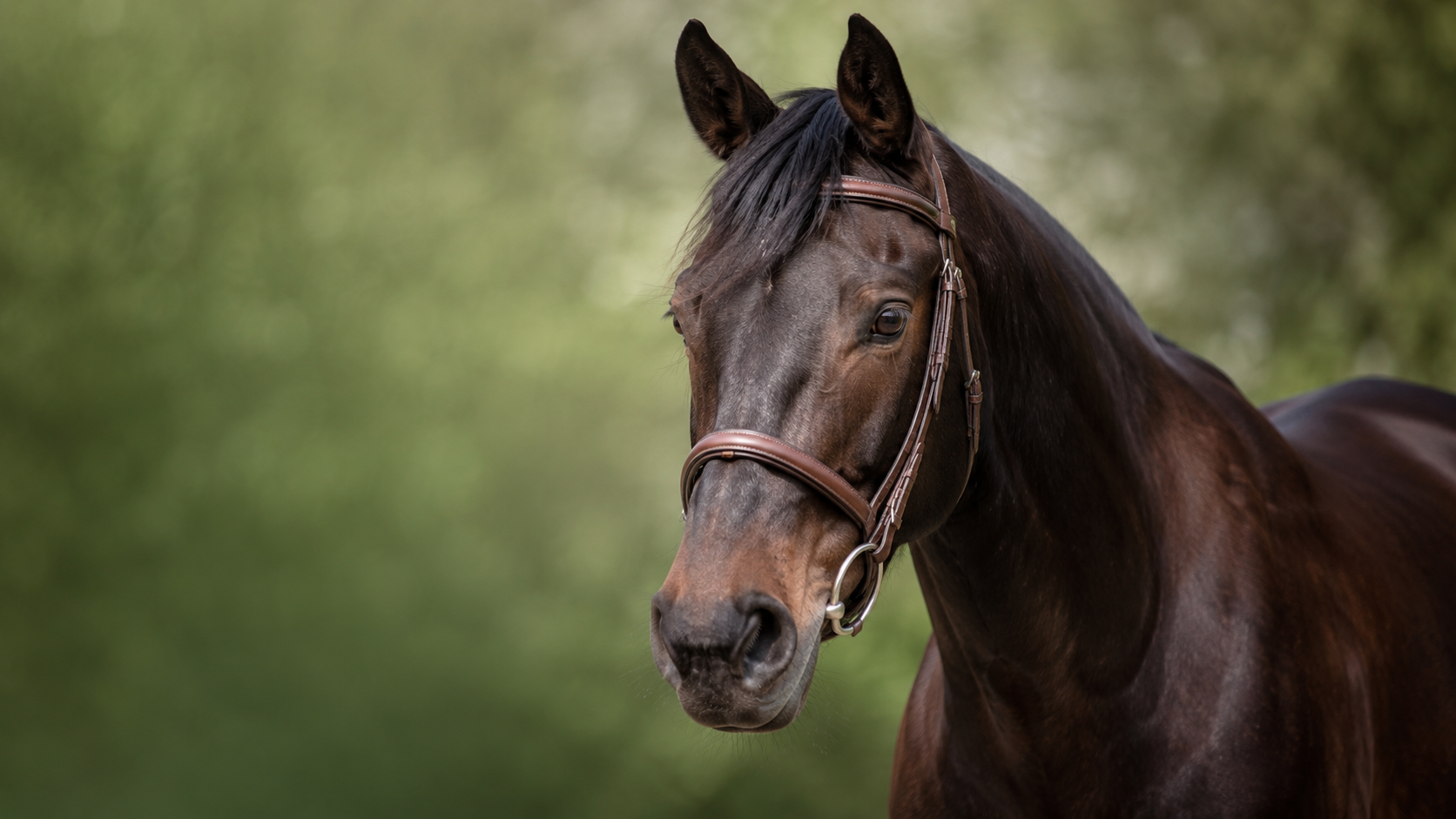
The head is refined, well-proportioned, with a straight or slightly convex profile. The eyes are large and expressive, the ears medium-sized and well-placed. The muzzle is broad and the nostrils open.
The neck is long, muscular, and well-arched, blending harmoniously into a well-defined wither. It is carried high, contributing to the overall elegance of the breed.
The back is short and strong, the topline taut. The chest is deep and broad, the ribs well-sprung. The croup is long, muscular, and slightly sloped, with a high-set tail often carried naturally high.
The limbs are strong, with broad joints and well-defined tendons. The cannons are short and the pasterns of medium length. The feet are well-formed, medium to large in size, with good quality horn. Feathering is generally sparse.
- Common coats: bay, chestnut, black, grey, palomino, cremello, perlino, roan, tobiano, overo, tovero
Temperament and aptitudes
It is a horse with a gentle, calm, and cooperative temperament, renowned for its kindness and willingness to please. It is intelligent, easy to train, and very enduring, making it an excellent partner for work and leisure.
The Tennessee Walking Horse is famous for its three distinctive gaits: the flat walk (a fast, ground-covering walk), the running walk (an intermediate four-beat gait, faster than the walk, with a characteristic head bob), and the canter (a smooth, rhythmic gallop).
- Uses: saddle horse, trail riding, recreational riding, light ranch work, equestrian shows
- Disciplines: pleasure riding, trail, trail riding, western riding
Feeding the Tennessee Walking Horse
The Tennessee Walking Horse generally has a moderate metabolism, capable of efficiently utilizing its feed. It is not particularly prone to obesity if kept in regular activity. A diet based on good quality forage in sufficient quantity is paramount. Concentrate requirements will depend on the intensity of work, but are often moderate for a pleasure horse.
Although the breed is not specifically documented for major dietary sensitivities, like any equine breed, it can be susceptible to laminitis or Equine Metabolic Syndrome (EMS) in cases of overfeeding or a diet too rich in sugars and starch, especially if activity is insufficient. Careful dietary management is always recommended.
With Equio, every feed, supplement or treat is read against the horse's real profile (age, weight, Body Condition Score, conditions) — useful for a Tennessee Walking Horse as soon as a metabolic or digestive sensitivity is known.
Health and points to watch
Particular attention must be paid to the health of the feet and limbs, due to the importance of the breed's specific gaits. Regular veterinary check-ups and appropriate trimming/shoeing are essential to prevent lameness. Early detection of PSSM1 is important for proper dietary and exercise management.
- Documented genetic disorders: PSSM1 (Polysaccharide Storage Myopathy type 1)
- More frequent conditions: hoof problems related to inappropriate trimming or shoeing practices (particularly in the context of 'big lick' competition)
Care and grooming
Routine care includes regular hoof trimming to maintain their integrity and promote natural gaits. The mane and tail are often left long and require regular detangling. The coat is easy to maintain, with daily brushing usually sufficient. Particular attention should be paid to the cleanliness of the limbs to prevent skin conditions.
Did you know?
- The 'running walk' is a four-beat, lateral gait where the horse bobs its head in rhythm with its feet, and its hind feet overstep the prints of its front feet.
- The Tennessee Walking Horse is the only equine breed to have a specific gait, the 'running walk', recognized as a natural gait and not an artificial training.
- The practice of 'soring', a cruel method aimed at exaggerating gaits through pain, is illegal but has unfortunately tarnished the breed's reputation in the past.
The Tennessee Walking Horse and how to track it
The Tennessee Walking Horse breed is not widely represented in France, where it is primarily bred by enthusiasts for pleasure riding and trail riding, who appreciate its temperament and comfortable gaits.
Equio lets you build a complete profile for a Tennessee Walking Horse: identity, weight, Body Condition Score, feeding, conditions, care reminders (vaccines, worming, trimming) and an exportable health log. The breed sets the identity; everyday decisions still depend on the real horse and your vet's advice.
- Record the activity level: rest, leisure, sport or breeding
- Add known conditions or sensitivities
- Scan feeds, plants and care products
- Keep reminders (vaccines, worming, trimming)
- Prepare a PDF export before a vet appointment
Frequently asked questions
What is unique about the gaits of the Tennessee Walking Horse?
The Tennessee Walking Horse is unique for its three specific gaits: the flat walk, the running walk, and the canter. The running walk is a very comfortable, four-beat gait where the horse nods its head in rhythm with its movements, and its hind feet overstep the prints of its front feet.
Is the Tennessee Walking Horse a good horse for beginners?
Yes, thanks to its gentle, calm, and cooperative temperament, the Tennessee Walking Horse is often considered an excellent choice for beginners and riders of all levels. Its patient nature and comfortable gaits make it a pleasant and safe partner.
Is 'soring' still practiced on Tennessee Walking Horses?
'Soring' is an illegal and cruel practice that involves inflicting pain on a horse's limbs to amplify its gaits. Although it has historically been associated with certain breed competitions, it is firmly condemned and actively combated by authorities and the majority of breeders. Strict laws are in place to eradicate it.
What is the average height of a Tennessee Walking Horse?
The average height of a Tennessee Walking Horse generally ranges between 142 cm and 173 cm at the withers, making it a medium to large-sized horse. There is some variability depending on bloodlines and individuals.
What are the main uses of the Tennessee Walking Horse?
The Tennessee Walking Horse is primarily used as a saddle horse for pleasure riding, trekking, and trail riding, thanks to its comfortable gaits and pleasant temperament. It is also appreciated in equestrian shows and for light ranch work.