
Horse breed
Paso Fino
The Paso Fino descends from horses imported by Christopher Columbus and the Spanish conquistadors, notably Barbs, Andalusians, and Spanish Jennets. The breed developed and became established in the Caribbean, primarily in Puerto Rico and Colombia, where it was selected for its unique gaits and endurance.

The breed at a glance
It is a horse with a fiery and energetic temperament, but generally gentle, intelligent, and very willing. It is renowned for its great sensitivity and responsiveness, making it an attentive and pleasant partner to ride. It is also courageous and enduring.
- Category
- saddle horse
- Origin
- Caribbean (Puerto Rico, Colombia) · 16th century
- Height at withers
- 137–152 cm
- Weight
- 360–450 kg
- Lifespan
- 25-30 years
- Common coats
- bay, chestnut, black, grey, palomino, dun, cremello, perlino, roan, all coat colors are accepted
- Disciplines
- Paso Fino gait competitions, equestrian trail riding, working equitation, dressage (recreational)
- Other names
- Paso Fino Colombien, Paso Fino Portoricain
Origin and history
The Paso Fino descends from horses imported by Christopher Columbus and the Spanish conquistadors, notably Barbs, Andalusians, and Spanish Jennets. The breed developed and became established in the Caribbean, primarily in Puerto Rico and Colombia, where it was selected for its unique gaits and endurance. It was used for transport and working cattle in difficult terrain. Official recognition of the breed and the establishment of registries occurred in the mid-20th century.
Conformation and physique
The Paso Fino is a medium-sized saddle horse, elegant and athletic, with a harmonious silhouette and fine but strong bone structure. It has a rather square build, a sign of its agility and ability to collect.
The head is refined, medium-sized, with a straight or slightly concave profile. The eyes are large, expressive, and lively, the nostrils wide, and the ears small and well-shaped.
The neck is arched, well-muscled, and proportionate, blending harmoniously into a well-defined and extended wither. It is carried elegantly, contributing to the horse's overall balance.
The back is short and strong, the topline taut and muscular. The chest is deep and wide, ensuring good lung capacity. The croup is rounded and muscular, with a tail set low and carried with flair.
The limbs are fine but robust, with clean joints and well-defined tendons. The cannons are short and the pasterns are medium length. The hooves are small, round, and very hard. Feathers are generally absent or very discreet.
- Common coats: bay, chestnut, black, grey, palomino, dun, cremello, perlino, roan, all coat colors are accepted
Temperament and aptitudes
It is a horse with a fiery and energetic temperament, but generally gentle, intelligent, and very willing. It is renowned for its great sensitivity and responsiveness, making it an attentive and pleasant partner to ride. It is also courageous and enduring.
The Paso Fino is famous for its natural four-beat gaits, distinct from the trot and canter. It performs the 'Paso Fino' (very fast and collected), the 'Paso Corto' (intermediate), and the 'Paso Largo' (extended and fast), all characterized by great suppleness and exceptional comfort for the rider.
- Uses: saddle horse, trail riding, cattle work (historical), show, gait competitions
- Disciplines: Paso Fino gait competitions, equestrian trail riding, working equitation, dressage (recreational)
Feeding the Paso Fino
The Paso Fino generally has an efficient metabolism, capable of efficiently utilizing forage. It is not particularly prone to being overweight if worked regularly. A diet based on good quality forage (hay or grass) is paramount. Concentrates should be adjusted according to work intensity, prioritizing low-starch and low-sugar feeds for lightly to moderately active horses.
Although generally robust, like many thrifty breeds, the Paso Fino can be sensitive to excess sugars and starches, which can increase the risk of laminitis or Equine Metabolic Syndrome (EMS) in cases of overfeeding or lack of exercise. There is no documented predisposition to conditions like PSSM specifically for this breed.
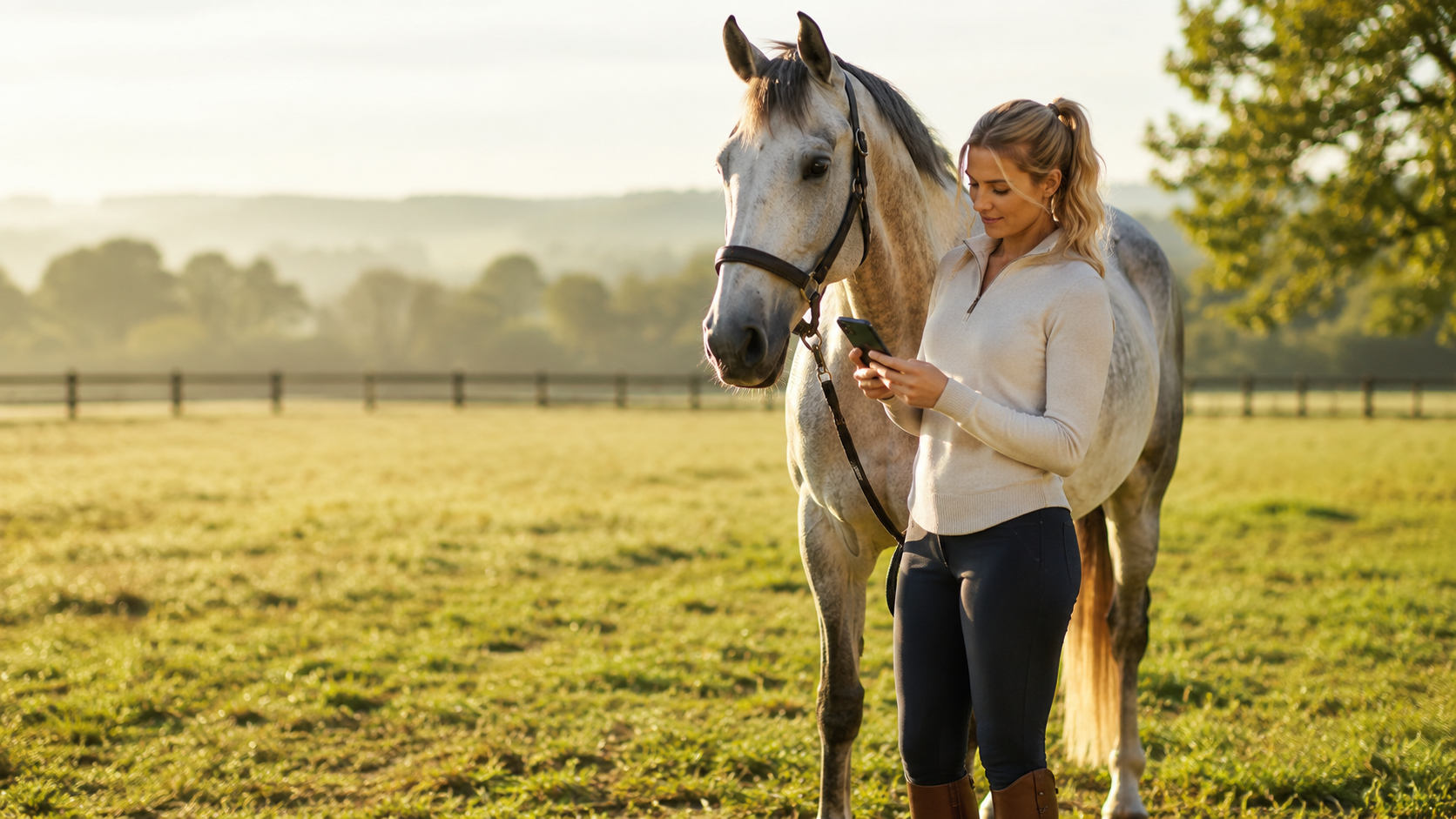
With Equio, every feed, supplement or treat is read against the horse's real profile (age, weight, Body Condition Score, conditions) — useful for a Paso Fino as soon as a metabolic or digestive sensitivity is known.
Health and points to watch
Particular attention must be paid to hoof care and shoeing or trimming, which must be adapted to its unique gaits to prevent locomotor problems. Careful management of diet and exercise is essential to maintain a healthy weight and prevent metabolic disorders.
- More frequent conditions: locomotor disorders related to poor shoeing or inappropriate trimming (due to its specific gaits)
Care and grooming
Paso Fino hooves are generally hard and resilient, but regular trimming adapted to its gaits is crucial. The mane and tail are often long and full, requiring regular detangling. The coat is fine and easy to maintain; clipping is generally not necessary except for competition horses or in cases of intense work in winter.
Did you know?
- The name 'Paso Fino' literally means 'fine step' or 'delicate step,' referring to the refinement and quickness of its gaits.
- There are three types of Paso Fino gaits: the 'Paso Fino' (the most collected and rapid), the 'Paso Corto' (intermediate), and the 'Paso Largo' (the most extended and rapid).
- Paso Fino horses are often judged on the regularity, fluidity, and speed of their gaits, as well as their 'brio' (energy and presence).
The Paso Fino and how to track it
The Paso Fino breed is present in France, but in small numbers. Breeding is not widespread, and the horses are mainly used for leisure, trail riding, and sometimes gait demonstrations.
Equio lets you build a complete profile for a Paso Fino: identity, weight, Body Condition Score, feeding, conditions, care reminders (vaccines, worming, trimming) and an exportable health log. The breed sets the identity; everyday decisions still depend on the real horse and your vet's advice.
- Record the activity level: rest, leisure, sport or breeding
- Add known conditions or sensitivities
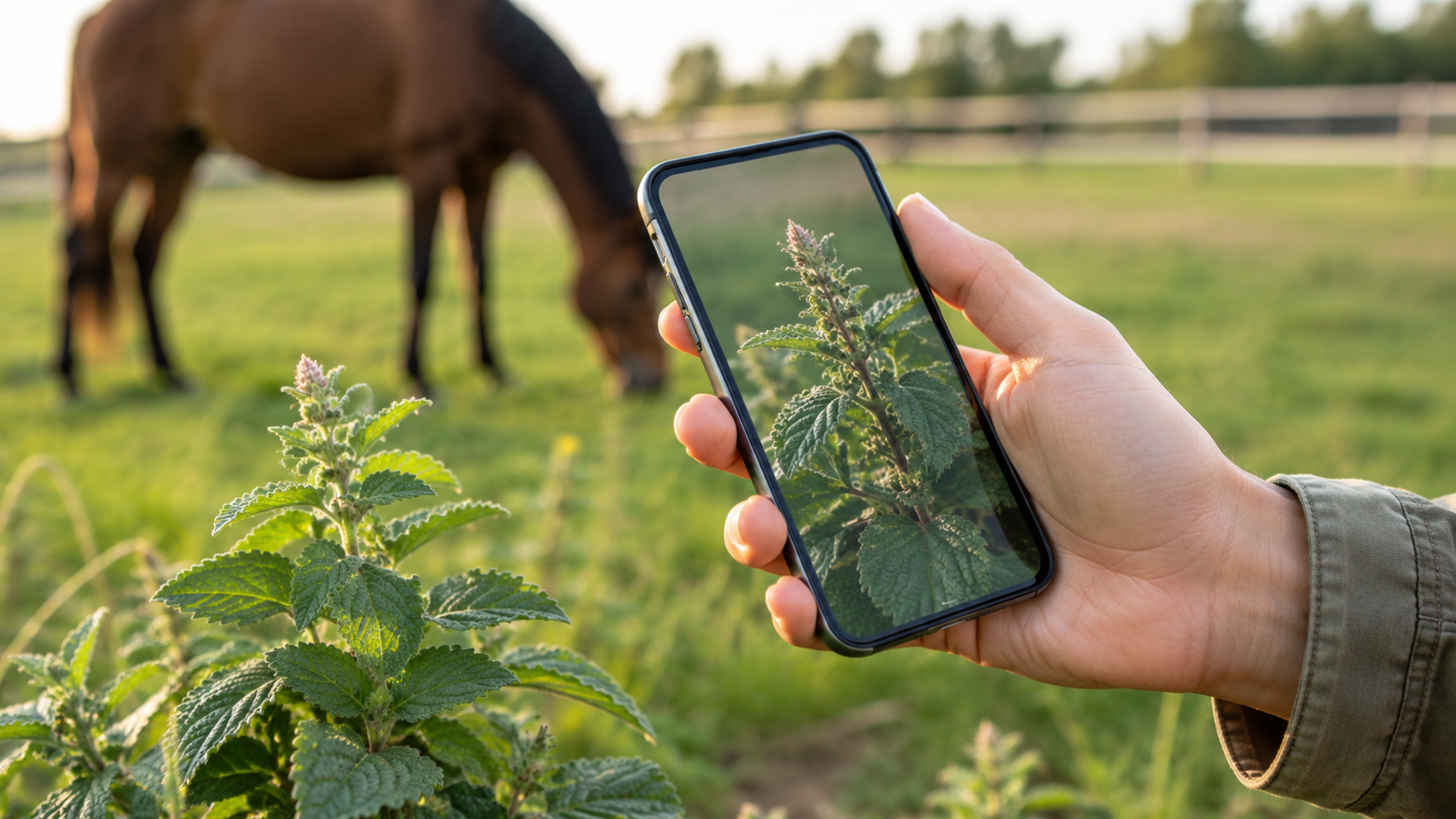
- Scan feeds, plants and care products
- Keep reminders (vaccines, worming, trimming)
- Prepare a PDF export before a vet appointment
Frequently asked questions
What makes the Paso Fino's gaits unique?
The Paso Fino is unique for its natural four-beat gaits, which differ from the trot and canter. These gaits, called 'Paso Fino,' 'Paso Corto,' and 'Paso Largo,' are extremely comfortable for the rider and allow for covering long distances without fatigue.
Is the Paso Fino a good horse for beginners?
Thanks to its willing temperament and great sensitivity, the Paso Fino can be an excellent partner. However, its reactivity and energy may require a rider with some experience to understand and guide it well, especially to master its specific gaits.
What is the average price of a Paso Fino?
The price of a Paso Fino varies considerably depending on its age, training level, lineage (competition lines), and quality. It can range from €5,000 for a leisure horse to over €20,000 for a high-level competition horse.
Is the Paso Fino suitable for trail riding?
Yes, the Paso Fino is particularly well-suited for trail riding. Its comfortable gaits allow for covering long distances without rider fatigue, and its endurance and surefootedness make it an excellent companion on varied terrain.
How to care for a Paso Fino's hooves?
Hoof care is crucial for the Paso Fino. Regular and precise trimming, or appropriate shoeing, is essential to maintain the balance of its gaits and prevent locomotor problems. It is recommended to consult a farrier experienced with gaited horses.