
Horse breed
Spanish Mustang
The Spanish Mustang descends directly from horses introduced by Spanish conquistadors to North America starting in the 16th century. These horses, primarily of Iberian stock (Andalusian, Barb), adapted and formed wild populations.
The breed at a glance
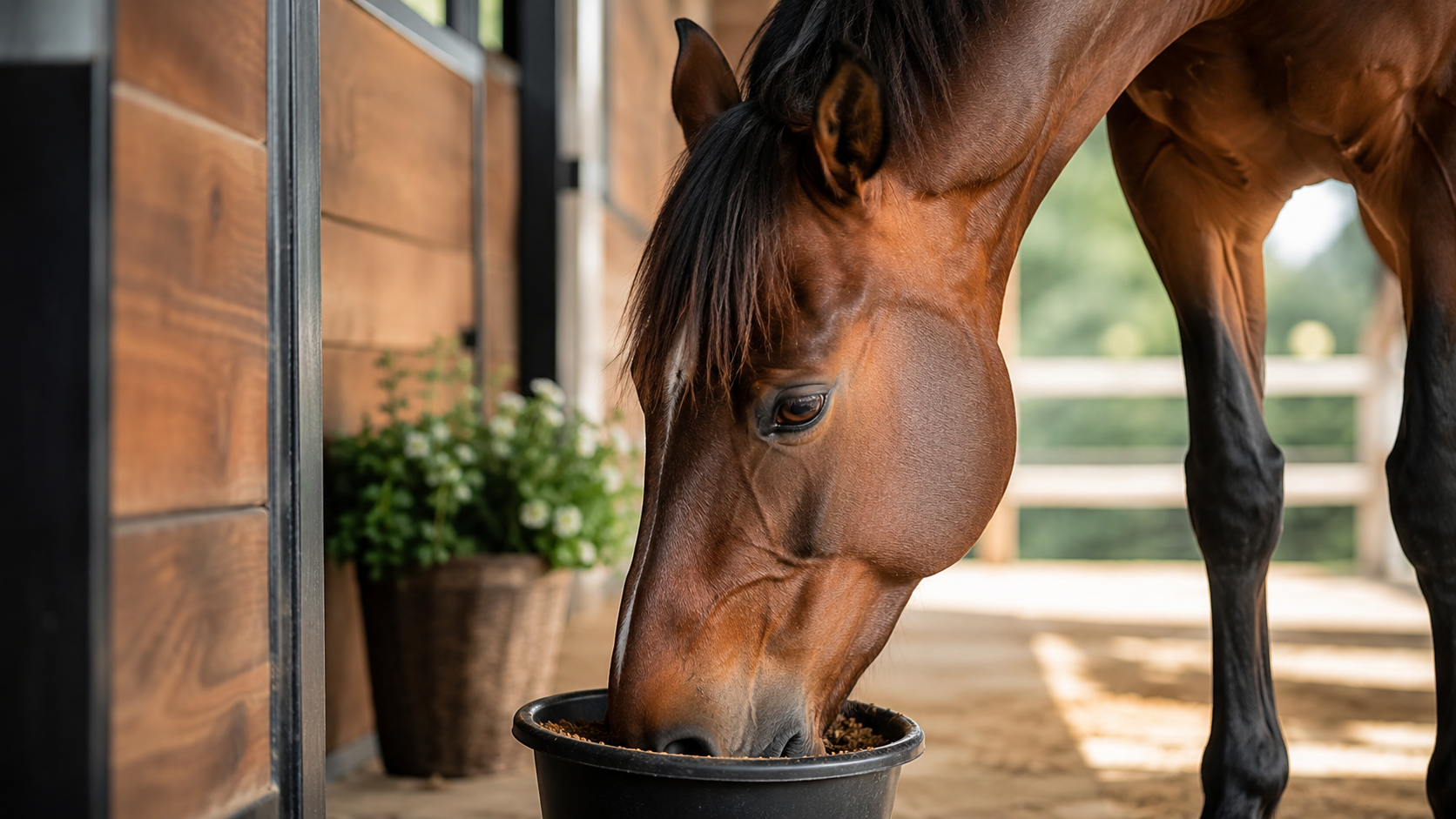
Intelligent, courageous, and possessing a strong survival instinct. It is renowned for its versatility, responsiveness, and willingness to work, while generally being calm and easy to handle once educated. It is an enduring and resilient horse.
- Category
- hardy breed
- Origin
- United States · 16th century (introduction), 20th century (establishment of the modern breed)
- Height at withers
- 137–152 cm
- Weight
- 360–450 kg
- Lifespan
- 25-35 years
- Common coats
- all coat colors are accepted, bay, chestnut, black, grey, palomino, dun, cremello, perlino, roan, pinto, appaloosa
- Disciplines
- Western riding (reining, cutting, trail), endurance riding, trail riding, dressage (classical and western)
- Other names
- Spanish Mustang, Colonial Spanish Horse
Origin and history
The Spanish Mustang descends directly from horses introduced by Spanish conquistadors to North America starting in the 16th century. These horses, primarily of Iberian stock (Andalusian, Barb), adapted and formed wild populations. In the 20th century, efforts were made to preserve these pure bloodlines, threatened by crossbreeding and habitat reduction. The Spanish Mustang Registry was founded in 1957 to register and preserve these horses, considered the most faithful descendants of Spanish colonial horses.
Conformation and physique
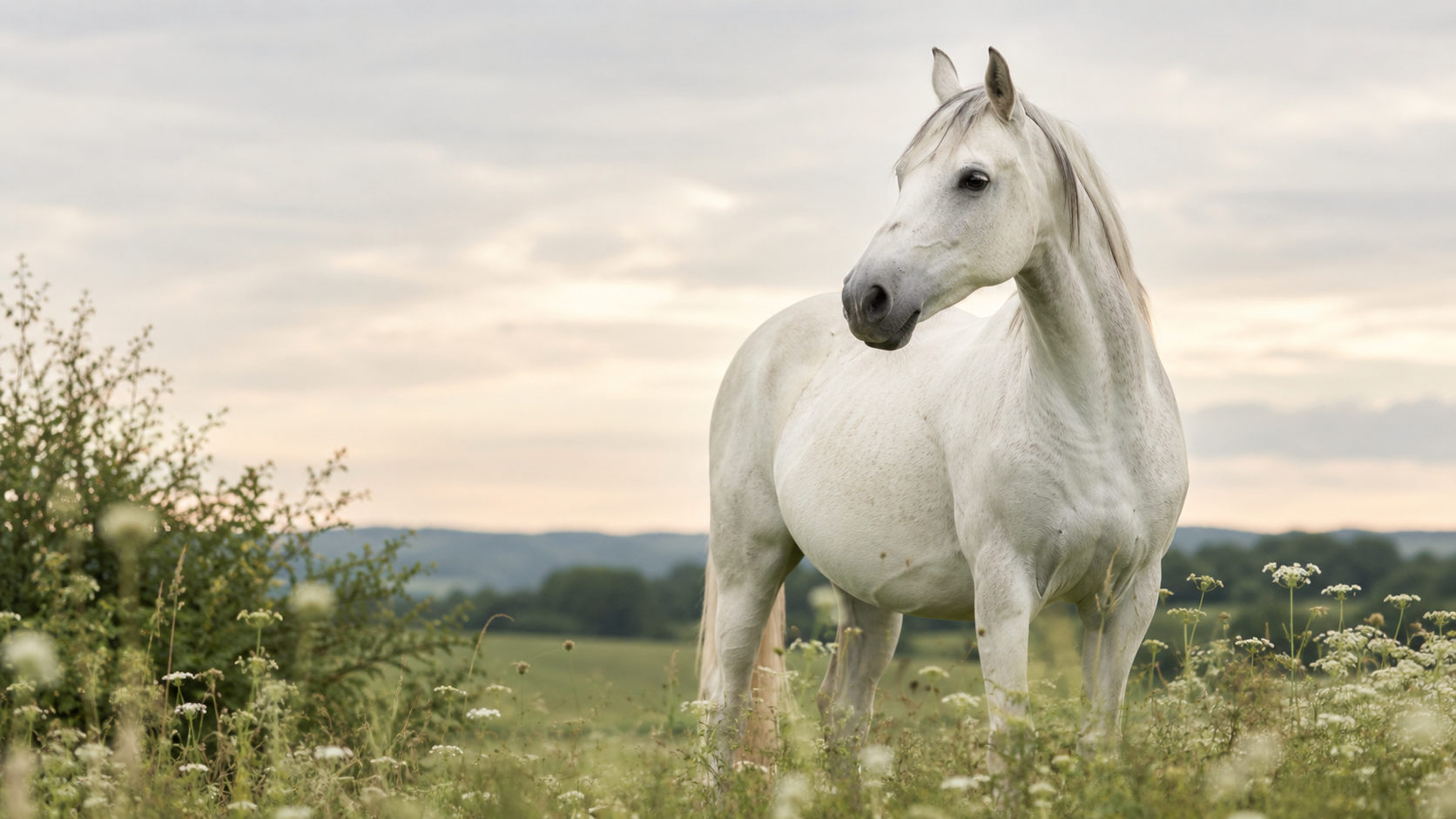
A medium-sized, compact, and muscular horse, with a dense bone structure and strong limbs. It has a harmonious build, typical of ancient Iberian horses, with great agility and endurance.
Refined head, often with a straight or slightly convex profile (Roman nose), large expressive eyes, medium-sized and well-placed ears, and a broad face.
Well-arched, muscular, and well-set neck, blending harmoniously into a prominent and well-defined wither.
Short, strong back, solid topline, deep and broad chest, well-sprung ribs. The croup is rounded and muscular, often slightly sloped.
Clean, strong limbs, with well-defined joints and clean tendons. The cannons are short and the pasterns of medium length. The hooves are hard, well-formed, and resilient, often with no or very little feathering.
- Common coats: all coat colors are accepted, bay, chestnut, black, grey, palomino, dun, cremello, perlino, roan, pinto, appaloosa
Temperament and aptitudes
Intelligent, courageous, and possessing a strong survival instinct. It is renowned for its versatility, responsiveness, and willingness to work, while generally being calm and easy to handle once educated. It is an enduring and resilient horse.
Supple, energetic, and balanced gaits, with good impulsion. Some individuals may exhibit additional gaits such as the 'gait' (broken pace) or the 'running walk', a legacy from their Iberian ancestors.
- Uses: working horse (ranching, cattle), equestrian trail riding, endurance riding, recreational riding, hunting, western dressage, show
- Disciplines: Western riding (reining, cutting, trail), endurance riding, trail riding, dressage (classical and western), cattle work
Feeding the Spanish Mustang
The Spanish Mustang is a hardy and very economical breed, accustomed to harsh environments. It has an efficient metabolism and is able to thrive on poor quality forage. It is important to monitor its weight as it has a tendency to gain weight if the diet is too rich. A diet based on good quality hay, with minimal concentrate intake, is generally sufficient, even for moderate work. Mineral and vitamin supplements are often necessary to balance the diet.
Due to its efficient metabolism, the Spanish Mustang can be predisposed to Equine Metabolic Syndrome (EMS) and laminitis if overfed or if its diet is too rich in sugars and starch. Careful dietary management is crucial to prevent these conditions.
With Equio, every feed, supplement or treat is read against the horse's real profile (age, weight, Body Condition Score, conditions) — useful for a Spanish Mustang as soon as a metabolic or digestive sensitivity is known.
Health and points to watch
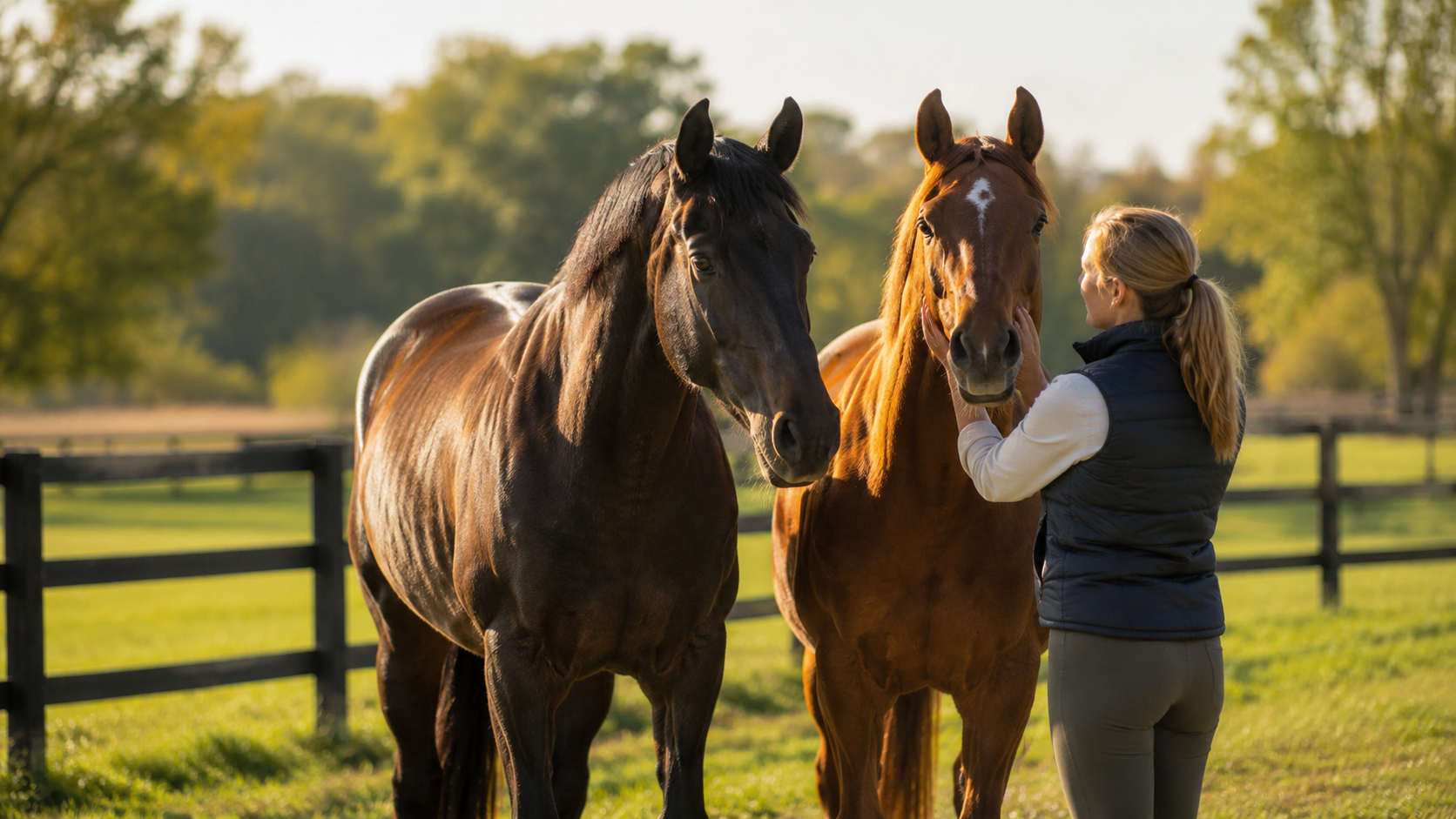
Carefully monitor weight and body condition to prevent obesity and associated risks such as laminitis and EMS. Particular attention should be paid to hoof quality; although generally robust, they require regular and appropriate trimming.
- More frequent conditions: laminitis (if overfed), Equine Metabolic Syndrome (EMS)
Care and grooming
The hooves of the Spanish Mustang are renowned for their hardness and good conformation, requiring regular trimming but often less intensive than other breeds. The mane and tail are generally full and may require regular detangling. The coat is easy to maintain and does not require specific care; clipping is generally not necessary except for the horse's comfort during intense work or for aesthetic reasons.
Did you know?
- The Spanish Mustang is considered one of the most genetically similar breeds to the original horses of the Spanish conquistadors.
- Some individuals of the breed are capable of performing additional gaits, such as the 'gait' or the 'running walk', which are four-beat gaits that are very comfortable for the rider.
- The Spanish Mustang Registry was created by Robert Brislawn, a pioneer in the conservation of these horses, who spent his life researching and preserving the pure bloodlines.
The Spanish Mustang and how to track it
The Spanish Mustang breed is very rare in France, with a very limited population of imported individuals or their descendants. Breeding is almost non-existent, and its use is primarily limited to enthusiasts or breeders specializing in hardy American breeds.
Equio lets you build a complete profile for a Spanish Mustang: identity, weight, Body Condition Score, feeding, conditions, care reminders (vaccines, worming, trimming) and an exportable health log. The breed sets the identity; everyday decisions still depend on the real horse and your vet's advice.
- Record the activity level: rest, leisure, sport or breeding
- Add known conditions or sensitivities
- Scan feeds, plants and care products
- Keep reminders (vaccines, worming, trimming)
- Prepare a PDF export before a vet appointment
Frequently asked questions
Is the Spanish Mustang a good horse for beginners?
Although the Spanish Mustang is intelligent and willing, its temperament can be spirited, and it requires an experienced rider or good guidance to channel its energy and intelligence. It is not always recommended for a complete beginner.
What is the difference between a Mustang and a Spanish Mustang?
The term 'Mustang' generally refers to wild horses of North America, whose ancestry is often mixed. The 'Spanish Mustang' is a specific and registered breed, whose bloodlines are carefully selected for their genetic purity and direct descent from Spanish colonial horses, without subsequent crossbreeding with modern breeds.
Is the Spanish Mustang easy to maintain?
Yes, it's a very hardy and economical breed. Its nutritional needs are moderate, and its hooves are generally very strong. It is well-suited to outdoor living and requires less intensive care than some more 'modern' or sport breeds.
Can Spanish Mustangs be found for sale in France?
It is very difficult to find Spanish Mustangs for sale in France due to the rarity of the breed in the country. It is more likely that one would need to turn to specialized breeders in North America or look for imports.
Is the Spanish Mustang suitable for leisure riding?
Absolutely. Its endurance, hardiness, and surefootedness make it an excellent companion for trail riding, TREC, and leisure riding in general. Its willing temperament and versatility are highly valued by riders who enjoy the outdoors.