
Horse breed
Sorraia
The Sorraia is considered a direct descendant of the wild horses of the Iberian Peninsula, as evidenced by cave paintings. Rediscovered in the 1920s by zoologist Ruy d'Andrade in the Sorraia Valley, it was saved from near certain extinction.

The breed at a glance
The Sorraia is an intelligent, courageous, and resilient horse. It has a lively temperament but is generally docile and willing with appropriate training. It is known for its great adaptability and hardiness.
- Category
- ancient/endangered breed
- Origin
- Portugal · Prehistory (discovered in the 20th century)
- Height at withers
- 140–150 cm
- Weight
- 350–450 kg
- Lifespan
- 25-30 years
- Common coats
- grullo (mouse-grey), dun (cream with dark points)
- Disciplines
- Working equitation, Equestrian trekking, Dressage (recreational)
Origin and history
The Sorraia is considered a direct descendant of the wild horses of the Iberian Peninsula, as evidenced by cave paintings. Rediscovered in the 1920s by zoologist Ruy d'Andrade in the Sorraia Valley, it was saved from near certain extinction. It is recognized as a primitive breed and is the origin of many Iberian breeds. A strict conservation program has been implemented to maintain its genetic purity.
Conformation and physique
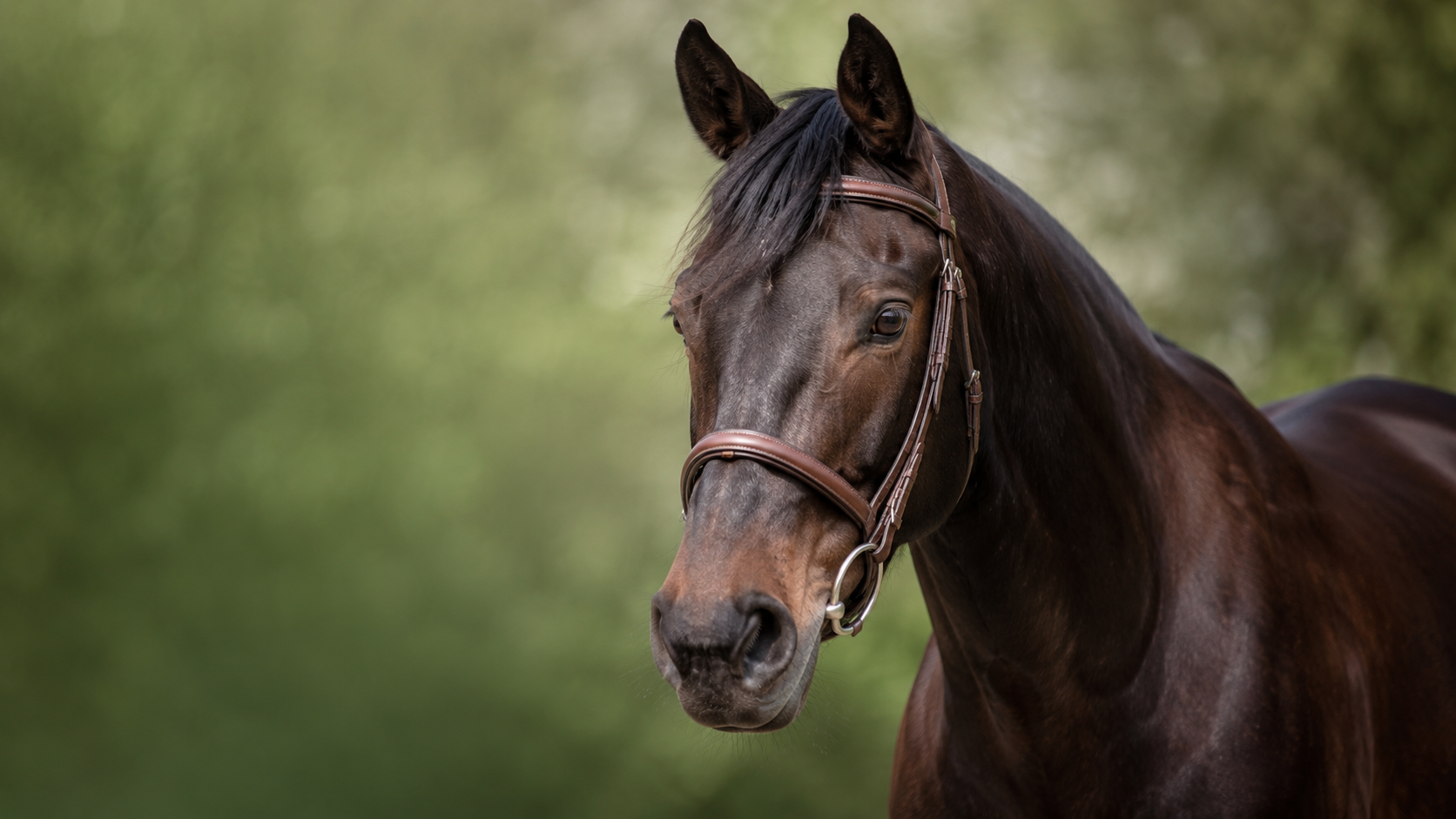
A horse of modest size, compact and muscular, with solid bone structure. It presents a primitive and hardy silhouette, adapted to difficult environments.
Long and narrow head, often with a convex profile (ram's nose), expressive eyes, and medium-sized, well-set ears. The face is straight or slightly Roman-nosed.
Medium-length neck, strong and well-muscled, often arched, set into a low but well-defined wither.
Short and strong back, straight and solid topline. Deep and wide chest. Sloping and muscular croup, with a low-set tail.
Fine but robust limbs, with clean joints and well-defined tendons. Hooves are small, hard, and of good quality. Little to no feathering.
- Common coats: grullo (mouse-grey), dun (cream with dark points)
Temperament and aptitudes
The Sorraia is an intelligent, courageous, and resilient horse. It has a lively temperament but is generally docile and willing with appropriate training. It is known for its great adaptability and hardiness.
The gaits are energetic, supple, and agile, with good impulsion. The walk is ample, the trot is elevated, and the canter is balanced, reflecting its origin as a working and survival horse.
- Uses: Cattle work (historical), Recreational riding, Trail riding, Genetic preservation, Equestrian demonstrations
- Disciplines: Working equitation, Equestrian trekking, Dressage (recreational)
Feeding the Sorraia
The Sorraia is a very economical horse, accustomed to poor diets and utilizing low-quality forage. It has a slow metabolism and is prone to obesity if its diet is too rich. A diet primarily consisting of coarse forage (meadow hay, straw) is sufficient for most individuals. Concentrates are only necessary for intense work or specific needs and should be given sparingly.
Due to its economical metabolism, the Sorraia is potentially predisposed to Equine Metabolic Syndrome (EMS) and laminitis if overfed, particularly with diets rich in sugars and starch. Careful weight monitoring and an adapted diet are crucial to prevent these conditions.
With Equio, every feed, supplement or treat is read against the horse's real profile (age, weight, Body Condition Score, conditions) — useful for a Sorraia as soon as a metabolic or digestive sensitivity is known.

Health and points to watch
Weight monitoring is paramount to prevent metabolic risks. Particular attention should be paid to hoof quality; although generally excellent, they require regular trimming. The hardiness of the breed makes it generally resistant to common diseases.
- More frequent conditions: Laminitis (in case of overfeeding), Equine Metabolic Syndrome (EMS)
Care and grooming
The Sorraia is a hardy horse that does not require excessive care. Its naturally hard hooves require regular trimming but are rarely shod. Mane and tail are often left natural. Its dense coat protects it well from the elements, and clipping is rarely necessary. Skin monitoring is recommended, especially in humid environments, but the breed is robust.
Did you know?
- The Sorraia is considered one of Europe's most primitive and pure equine breeds, a true living fossil.
- It has been used as a genetic foundation for the creation or improvement of several Iberian breeds, including the Lusitano and the Andalusian.
- The grullo (mouse-grey) coat with primitive markings (dorsal stripe, leg barring) is a distinctive characteristic and a marker of its purity.
The Sorraia and how to track it
The Sorraia breed is very rare in France, with only a few individuals present as part of conservation programs or with enthusiasts. There is no significant breeding in France.
Equio lets you build a complete profile for a Sorraia: identity, weight, Body Condition Score, feeding, conditions, care reminders (vaccines, worming, trimming) and an exportable health log. The breed sets the identity; everyday decisions still depend on the real horse and your vet's advice.
- Record the activity level: rest, leisure, sport or breeding
- Add known conditions or sensitivities
- Scan feeds, plants and care products
- Keep reminders (vaccines, worming, trimming)
- Prepare a PDF export before a vet appointment
Frequently asked questions
Is the Sorraia a good horse for beginners?
The Sorraia is intelligent and willing, but its spirited nature and primitive instincts can make it less suitable for complete beginners. It is better suited for experienced or supervised riders who can provide consistent and respectful training.
What is the typical coat color of the Sorraia?
The most typical and sought-after Sorraia coat colors are grullo (mouse-grey) and buckskin (cream with dark points). These coats are often accompanied by primitive markings such as a dorsal stripe and leg barring, signs of its genetic purity.
Is the Sorraia an endangered breed?
Yes, the Sorraia is a very rare and endangered breed. Significant conservation efforts are underway in Portugal and other countries to preserve its genetic purity and increase its population, which remains very low globally.
What is the price of a Sorraia horse?
The price of a Sorraia is difficult to estimate due to its rarity. It will depend on age, sex, lineage, and training level. As a conservation breed, sales are often regulated, and prices can be high for purebred individuals.
Can the Sorraia live outdoors all year round?
Absolutely. The Sorraia is an extremely hardy breed, perfectly adapted to living outdoors all year round, even in harsh climatic conditions. Its dense coat and efficient metabolism allow it to withstand cold and bad weather well, provided it has natural or artificial shelter.