
Horse breed
Kiger Mustang Horse
The Kiger Mustang is a lineage of wild horses (Mustangs) discovered in 1977 in southeastern Oregon. These horses exhibited distinct phenotypic and genetic characteristics, suggesting a strong influence from 16th-century Spanish horses.
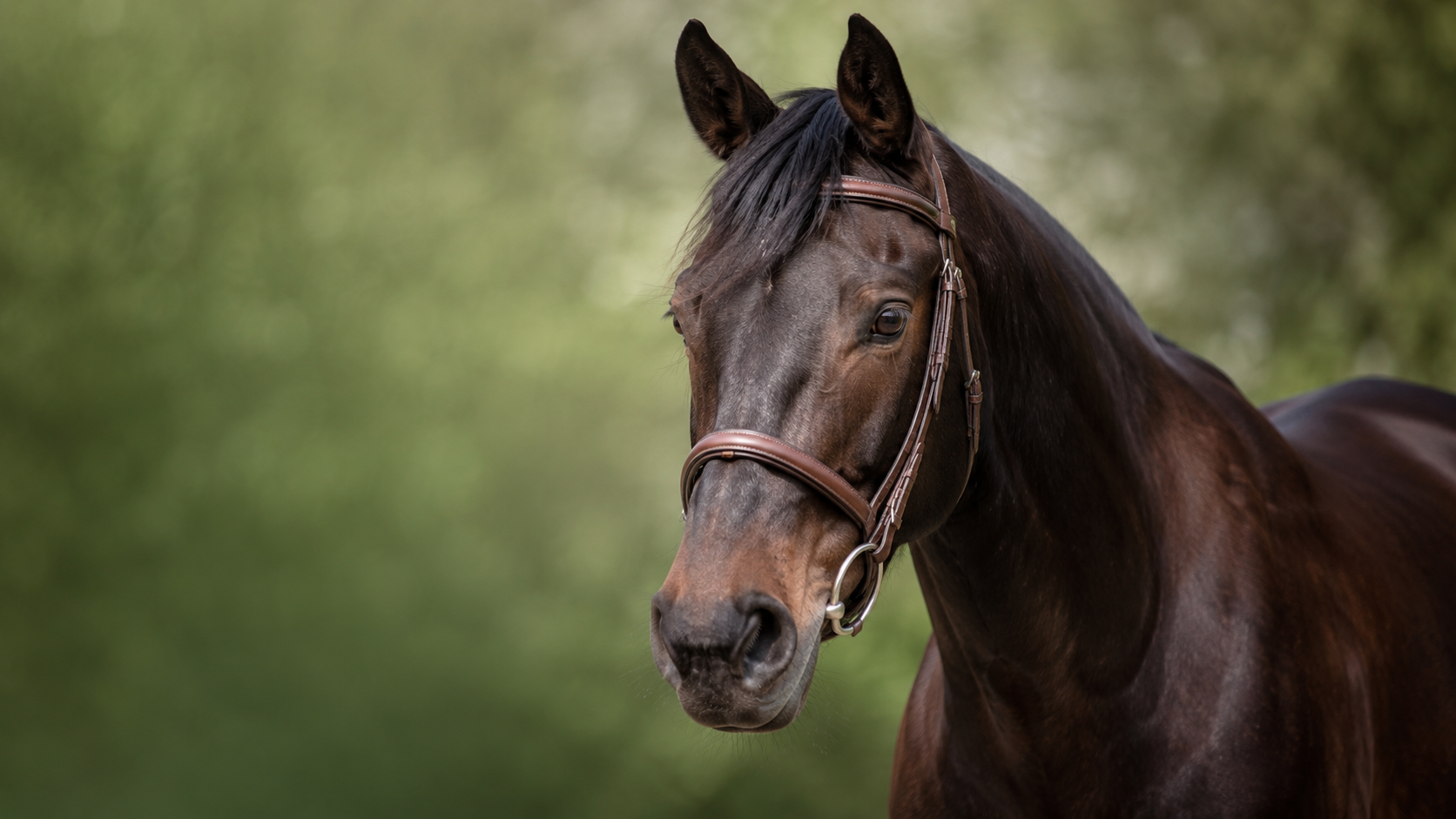
The breed at a glance
The Kiger Mustang is intelligent, courageous, and possesses a strong survival instinct. Although hardy, it is renowned for its trainability and loyalty once domesticated, making it a reliable and versatile partner.
- Category
- hardy breed
- Origin
- United States · Late 20th century
- Height at withers
- 137–157 cm
- Weight
- 360–450 kg
- Lifespan
- 25-30 years
- Common coats
- grullo (mouse dun), bay, chestnut, black
- Disciplines
- Western Pleasure, Reining, Trail, Working Cow Horse
- Other names
- Kiger, Kiger Wild Horse
Origin and history
The Kiger Mustang is a lineage of wild horses (Mustangs) discovered in 1977 in southeastern Oregon. These horses exhibited distinct phenotypic and genetic characteristics, suggesting a strong influence from 16th-century Spanish horses. The Bureau of Land Management (BLM) then created specific management areas to preserve this unique lineage. The breed was officially recognized, and a registry was established for captured and domesticated horses.

Conformation and physique
A compact and muscular horse, with dense, solid bone. It presents a harmonious silhouette, typical of Iberian horses, with great agility and endurance.
Expressive, medium-sized head, with a straight or slightly convex profile (ram's nose). The eyes are large and lively, the ears medium-sized and well-placed.
Muscular and arched neck, well-set into the Withers. The Withers are well-defined and muscular, blending harmoniously into the back.
Short, strong back, solid topline. Deep and wide chest, well-sprung ribs. Rounded and muscular croup, often double.
Strong and well-muscled limbs, with clean joints and well-defined tendons. Cannons are short, and the hooves are hard, round, and well-formed, adapted to difficult terrain. Little to no feathering.
- Common coats: grullo (mouse dun), bay, chestnut, black
Temperament and aptitudes
The Kiger Mustang is intelligent, courageous, and possesses a strong survival instinct. Although hardy, it is renowned for its trainability and loyalty once domesticated, making it a reliable and versatile partner.
Gaits are supple, energetic, and balanced, with good impulsion. The walk is ample, the trot is active, and the canter is powerful and regular, demonstrating great agility.
- Uses: recreational riding, trail riding, cattle work, western riding, endurance riding
- Disciplines: Western Pleasure, Reining, Trail, Working Cow Horse, Endurance
Feeding the Kiger Mustang Horse
The Kiger Mustang is a hardy and very economical breed, accustomed to arid environments. It has an efficient metabolism and can thrive on poor-quality forage. It tends to gain weight if its diet is too rich. A diet based primarily on good quality hay and grass is sufficient for most individuals. Concentrates are only necessary for horses in intense work or with specific needs.
Due to its economical metabolism, the Kiger Mustang can be predisposed to Equine Metabolic Syndrome (EMS) and laminitis if overfed or exposed to pastures too rich in fructans. Careful dietary management is crucial to prevent these conditions.
With Equio, every feed, supplement or treat is read against the horse's real profile (age, weight, Body Condition Score, conditions) — useful for a Kiger Mustang Horse as soon as a metabolic or digestive sensitivity is known.

Health and points to watch
Carefully monitor weight and body condition to prevent obesity. Particular attention should be paid to pasture management, especially in spring, to prevent laminitis. Regular dental checks are also important.
- More frequent conditions: laminitis, Equine Metabolic Syndrome (EMS)
Care and grooming
Kiger Mustangs are robust horses requiring basic care. Their hard, resilient hooves require regular trimming but can often be kept barefoot. Their manes, tails, and coats do not require special maintenance, apart from regular brushing. Clipping is rarely necessary, except for sport horses in competition.
Did you know?
- The name 'Kiger' comes from the Kiger High Desert, the area where they were discovered in Oregon.
- The Kiger Mustang is often confused with the Sorraia horse due to their phenotypic similarities and presumed Spanish ancestry.
- Their most iconic coat color is grullo (mouse dun), often accompanied by primitive markings such as a dorsal stripe and leg barring.
The Kiger Mustang Horse and how to track it
The Kiger Mustang breed is very rare in France. There is no significant breeding, and individuals present are generally imported for leisure riding or Western riding by enthusiasts.
Equio lets you build a complete profile for a Kiger Mustang Horse: identity, weight, Body Condition Score, feeding, conditions, care reminders (vaccines, worming, trimming) and an exportable health log. The breed sets the identity; everyday decisions still depend on the real horse and your vet's advice.
- Record the activity level: rest, leisure, sport or breeding
- Add known conditions or sensitivities
- Scan feeds, plants and care products
- Keep reminders (vaccines, worming, trimming)
- Prepare a PDF export before a vet appointment
Frequently asked questions
Is the Kiger Mustang a good horse for beginners?
The Kiger Mustang is intelligent and loyal, but it has a strong character and a developed survival instinct. It is better suited for experienced riders or beginners supervised by a professional capable of managing its temperament and channeling its energy.
What is the difference between a Kiger Mustang and an 'ordinary' Mustang?
The Kiger Mustang is a specific lineage of Mustang, selected for its distinct phenotypic and genetic characteristics, suggesting strong Spanish ancestry. All Kigers are Mustangs, but not all Mustangs are Kigers.
Is the Kiger Mustang easy to find in Europe?
No, the Kiger Mustang is primarily bred in the United States and is very rare in Europe. Acquiring a Kiger in Europe often involves importation, which can be costly and complex.
What are the most common coat colors in the Kiger Mustang?
The most common coat colors are grullo (mouse dun), bay, chestnut, and black. Grullo is particularly sought after and is often accompanied by primitive markings such as a dorsal stripe and leg barring.
Is the Kiger Mustang a sport horse?
Although not classified as a traditional sport horse, the Kiger Mustang excels in Western disciplines, endurance, and trail riding thanks to its agility, robustness, and stamina. It is very versatile.