
Horse breed
Lipizzan
The Lipizzan originated from the imperial stud farms of Lipica (now in Slovenia) and Piber (Austria), founded in 1580. It is the result of crosses between local Karst mares and Spanish, Neapolitan, and Arabian stallions.
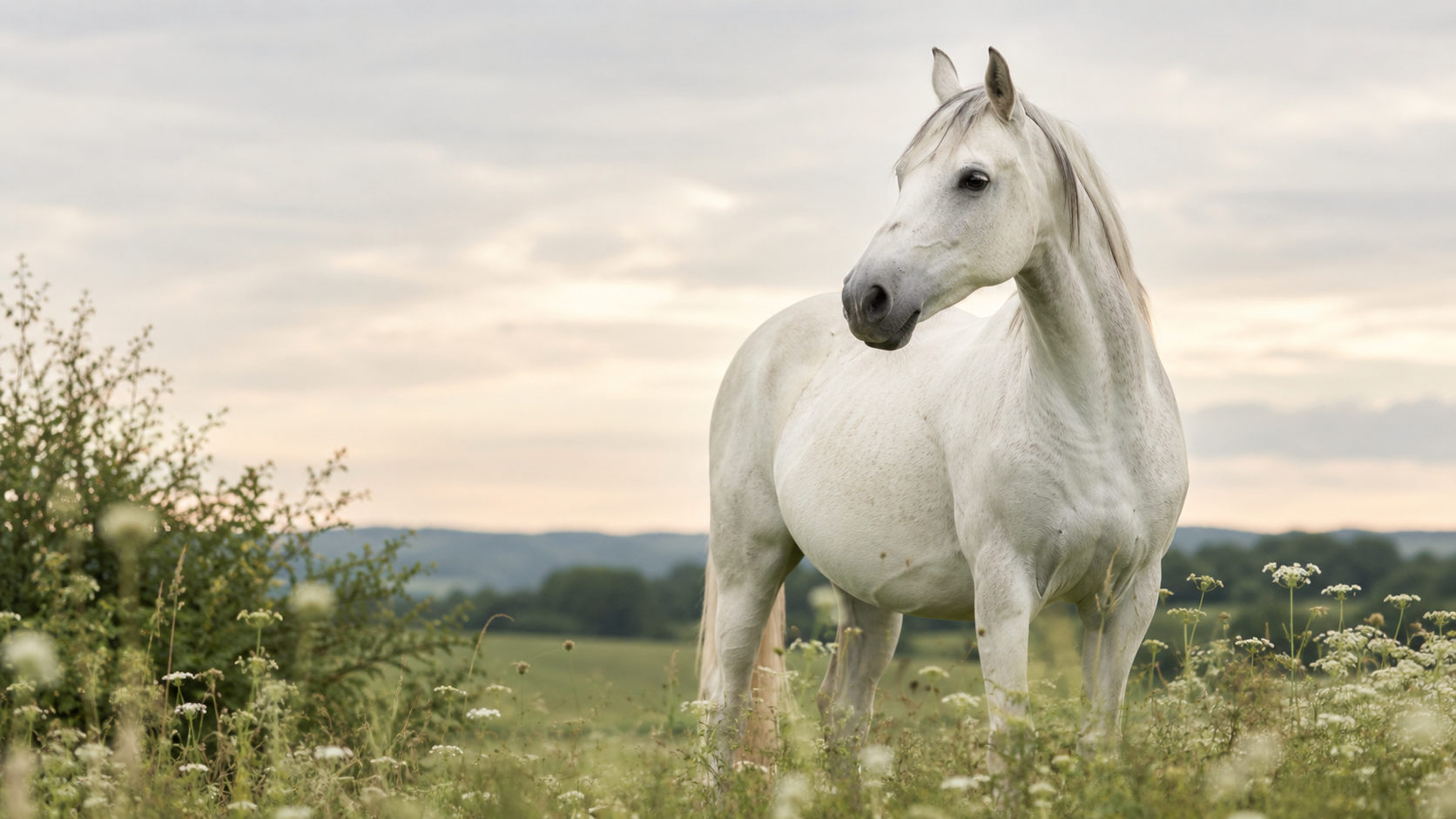
The breed at a glance
The Lipizzan is renowned for its intelligence, docility, and great learning ability. It is courageous, willing, and possesses a balanced temperament, making it a reliable partner for high school riding and dressage. It can sometimes be sensitive.
- Category
- sport horse
- Origin
- Austria / Slovenia · 16th century
- Height at withers
- 155–165 cm
- Weight
- 450–580 kg
- Lifespan
- 25-30 years
- Common coats
- grey
- Disciplines
- dressage, driving
- Other names
- Lipizzaner
Origin and history
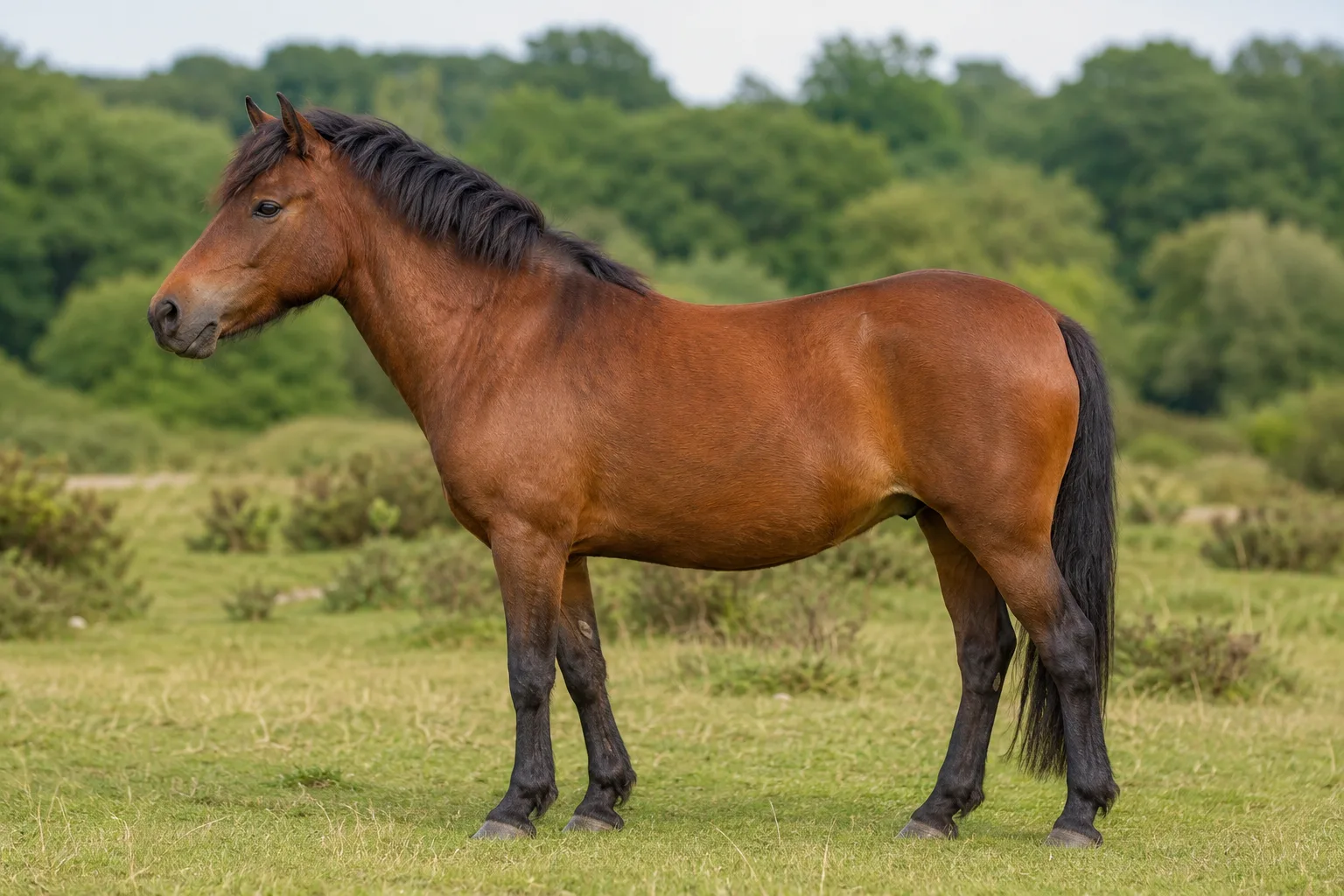
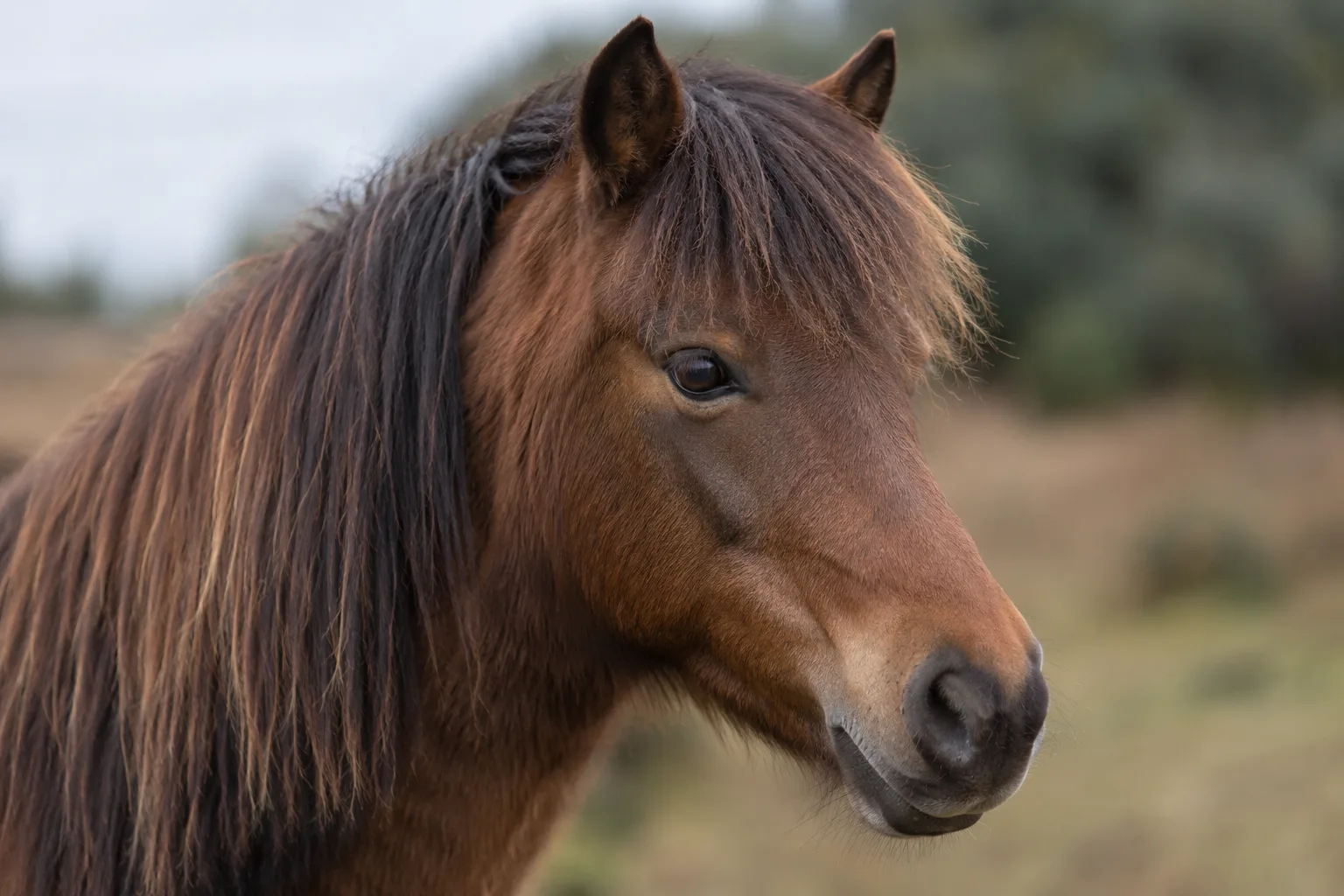
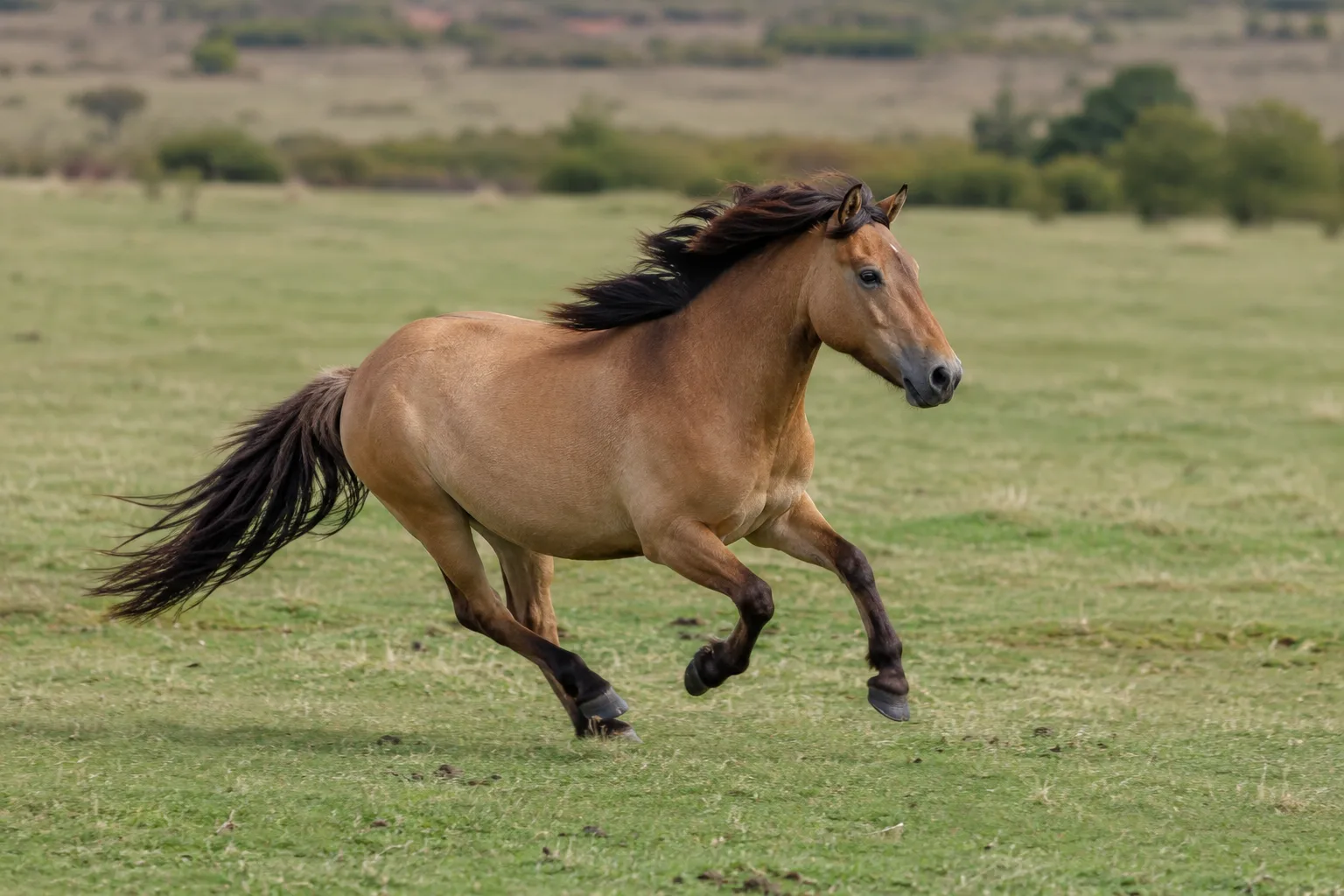
The Lipizzan originated from the imperial stud farms of Lipica (now in Slovenia) and Piber (Austria), founded in 1580. It is the result of crosses between local Karst mares and Spanish, Neapolitan, and Arabian stallions. Six foundation stallions are at the origin of all current bloodlines. The breed was developed for cavalry and classical riding, particularly at the Spanish Riding School of Vienna. Its official recognition is linked to its historical role and the preservation of its bloodlines.

Conformation and physique
The Lipizzan is a medium-framed horse, compact and harmonious, with solid bone structure and well-developed musculature. It conveys an impression of power and elegance, typical of baroque horses.
The head is noble, medium-sized, with a straight or slightly convex profile (ram's nose). The eyes are large, expressive, and lively. The ears are small and well-shaped.
The neck is powerful, well-arched, and set high, blending harmoniously into a well-defined and muscular wither, promoting an elegant head carriage.
The back is short and strong, the topline is taut and muscular. The chest is broad and deep. The croup is powerful, rounded, and slightly sloped, with a high-set tail.
The limbs are solid, with large and well-defined joints. The cannons are short and the pasterns are of medium length. The hooves are hard and well-formed. The feathering is sparse.
- Common coats: grey
Temperament and aptitudes
The Lipizzan is renowned for its intelligence, docility, and great learning ability. It is courageous, willing, and possesses a balanced temperament, making it a reliable partner for high school riding and dressage. It can sometimes be sensitive.
The gaits are elevated, expansive, and rhythmic, with excellent balance and a great aptitude for collection. The walk is regular, the trot energetic, and the canter supple and balanced, with a natural predisposition for the airs of high school.
- Uses: high school riding, dressage, driving, equestrian show, leisure
- Disciplines: dressage, driving
Feeding the Lipizzan
The Lipizzan is generally a horse with a rather efficient metabolism, capable of effectively utilizing forage. It is not particularly prone to obesity if worked regularly. A diet based on good quality forage (hay) is essential. Concentrate requirements should be adjusted according to the intensity of work, favoring low-starch and low-sugar feeds for sensitive or resting horses.
Although robust, the Lipizzan, like other baroque breeds, can exhibit sensitivity to sugars and starch in cases of overfeeding or lack of exercise, potentially predisposing them to Equine Metabolic Syndrome (EMS) or laminitis. It is therefore important to monitor their weight and adapt their diet.
With Equio, every feed, supplement or treat is read against the horse's real profile (age, weight, Body Condition Score, conditions) — useful for a Lipizzan as soon as a metabolic or digestive sensitivity is known.

Health and points to watch
Particular attention must be paid to weight management and the prevention of joint conditions, especially in sport horses. Regular dental check-ups and appropriate deworming are also crucial for maintaining good general health.
- More frequent conditions: osteoarthritis (in older or heavily worked horses), respiratory conditions (in case of poor environmental management)
Care and grooming
The care of the Lipizzan is standard. The hooves, often solid, require regular trimming adapted to its activity. The mane and tail, often abundant, require frequent brushing to prevent tangles. The grey coat requires regular cleaning to maintain its whiteness, especially during shedding periods or before presentations.
Did you know?
- All Lipizzans are born black, bay, or chestnut and gradually lighten to become grey (white) between 6 and 10 years of age.
- The Spanish Riding School of Vienna is the only institution in the world to practice and preserve classical Renaissance riding, exclusively with Lipizzan stallions.
- The breed was saved from extinction during World War II thanks to 'Operation Cowboy' led by the American army.
The Lipizzan and how to track it
The Lipizzan breed is present in France, but in more limited numbers than in its countries of origin. It is appreciated by dressage and classical riding enthusiasts, and a few breeders are dedicated to its preservation and promotion.
Equio lets you build a complete profile for a Lipizzan: identity, weight, Body Condition Score, feeding, conditions, care reminders (vaccines, worming, trimming) and an exportable health log. The breed sets the identity; everyday decisions still depend on the real horse and your vet's advice.
- Record the activity level: rest, leisure, sport or breeding
- Add known conditions or sensitivities
- Scan feeds, plants and care products
- Keep reminders (vaccines, worming, trimming)
- Prepare a PDF export before a vet appointment
Frequently asked questions
What is the price of a Lipizzan?
The price of a Lipizzan varies considerably depending on its age, level of training, lineage (bloodline), and potential. A young, unbroken horse can cost from 5,000 to 15,000 euros, while a horse trained for high school riding can reach much higher sums, sometimes over 50,000 euros.
Is the Lipizzan a good horse for beginners?
Due to its intelligence and sensitivity, the Lipizzan is generally not recommended for a complete beginner rider. It requires an experienced, gentle, and fair rider, capable of understanding and channeling its energy and refinement. However, a well-trained Lipizzan with a calm temperament may be suitable for a supervised intermediate rider.
What is the typical color of the Lipizzan?
The typical and most sought-after coat color of the Lipizzan is grey. Although foals are often born dark (black, bay, chestnut), they gradually lighten with age to become light grey, or even white, by adulthood. Dark coats are extremely rare in adults and are not sought after by the standard.
Is the Lipizzan a draft horse?
No, the Lipizzan is not a draft horse. It is a riding and sport horse, classified among the baroque breeds. It was developed for classical riding, dressage, and light harness work, not for agricultural labor or heavy transport.
Where can one see Lipizzans in France?
In France, Lipizzans can sometimes be seen at dressage or driving competitions. Some specialized breeding farms offer visits. For a more immersive experience, the Spanish Riding School in Vienna, Austria, is the iconic place to admire these horses in a full high-school demonstration.