
Horse breed
Danish Warmblood
The Danish Warmblood is a relatively young breed, developed after World War II. It originated from rigorous crosses between local Frederiksborg-type mares and stallions from European sport horse breeds, primarily the Trakehner, Thoroughbred, Hanoverian, and Holsteiner.
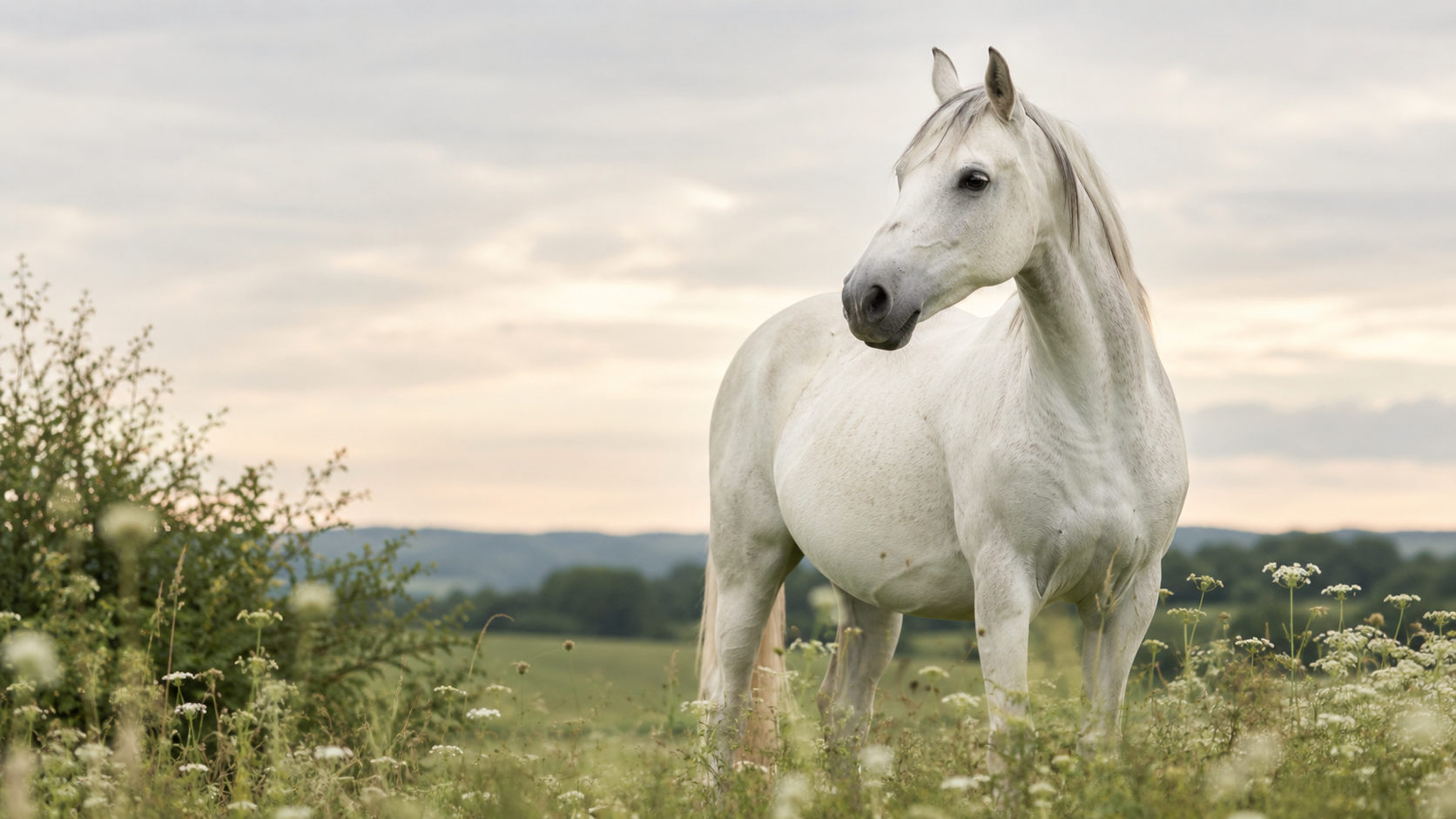
The breed at a glance
The Danish Warmblood is renowned for its balanced, intelligent, and willing temperament. It is courageous, cooperative, and highly trainable, making it an ideal partner for high-level sport. It is also appreciated for its kindness and calmness.
- Category
- sport horse
- Origin
- Denmark · Mid-20th century
- Height at withers
- 160–175 cm
- Weight
- 500–650 kg
- Lifespan
- 25-30 years
- Common coats
- bay, chestnut, black, grey
- Disciplines
- dressage, show jumping, eventing, driving
- Other names
- Dansk Varmblod, Danish Warmblood
Origin and history
The Danish Warmblood is a relatively young breed, developed after World War II. It originated from rigorous crosses between local Frederiksborg-type mares and stallions from European sport horse breeds, primarily the Trakehner, Thoroughbred, Hanoverian, and Holsteiner. The goal was to create a modern, versatile, and high-performing sport horse. The breed was officially recognized in 1962 with the founding of the Dansk Varmblod association.
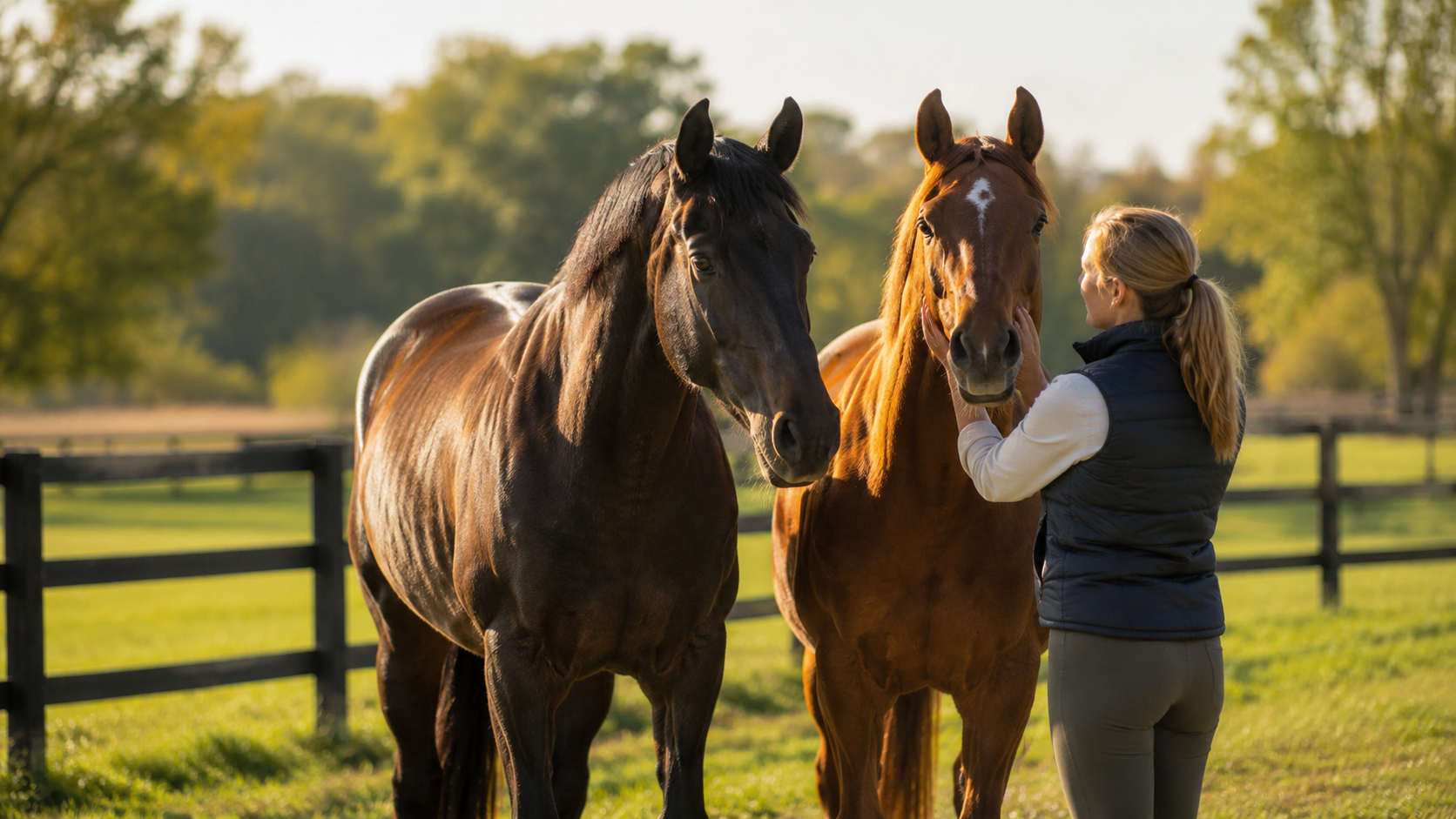
Conformation and physique
It is a medium to large-sized sport horse, harmonious and athletic, with a solid yet elegant bone structure. Its silhouette is that of a modern riding horse, combining power and suppleness.
The head is expressive, medium-sized, with a straight or slightly concave profile. The eyes are large and lively, the ears well-set and mobile. The muzzle is broad and the nostrils open.
The neck is long, well-muscled, and well-set, blending harmoniously into a long and prominent wither. It is carried elegantly, promoting balance and suppleness.
The body is compact and powerful. The back is short and strong, the topline taut and muscular. The chest is deep and broad, the ribs well-sprung. The croup is long, muscular, and slightly sloped, with a well-set tail.
The limbs are long, clean, and strong, with large and well-defined joints. The cannons are short and the tendons well-defined. The feet are solid and well-formed. Feathering is generally sparse.
- Common coats: bay, chestnut, black, grey
Temperament and aptitudes
The Danish Warmblood is renowned for its balanced, intelligent, and willing temperament. It is courageous, cooperative, and highly trainable, making it an ideal partner for high-level sport. It is also appreciated for its kindness and calmness.
The gaits are expansive, supple, and energetic, with good balance and great elasticity. The walk is regular, the trot is elevated and expressive, and the canter is powerful and rhythmic, with good impulsion.
- Uses: sport horse, premium leisure horse, breeding
- Disciplines: dressage, show jumping, eventing, driving
Feeding the Danish Warmblood
The Danish Warmblood is a demanding athlete. Its metabolism is adapted for performance, requiring a balanced and energy-rich diet. It needs good quality forage in sufficient quantity, supplemented by concentrates appropriate for its activity level. Protein, vitamin, and mineral requirements are important to support its musculature and recovery.
Although generally robust, like any sport horse, it can be sensitive to dietary imbalances if managed improperly. It has no documented predisposition to specific metabolic syndromes like EMS or PSSM, but a diet too rich in sugars and starch without sufficient exercise can still increase the risk of digestive disorders or laminitis.
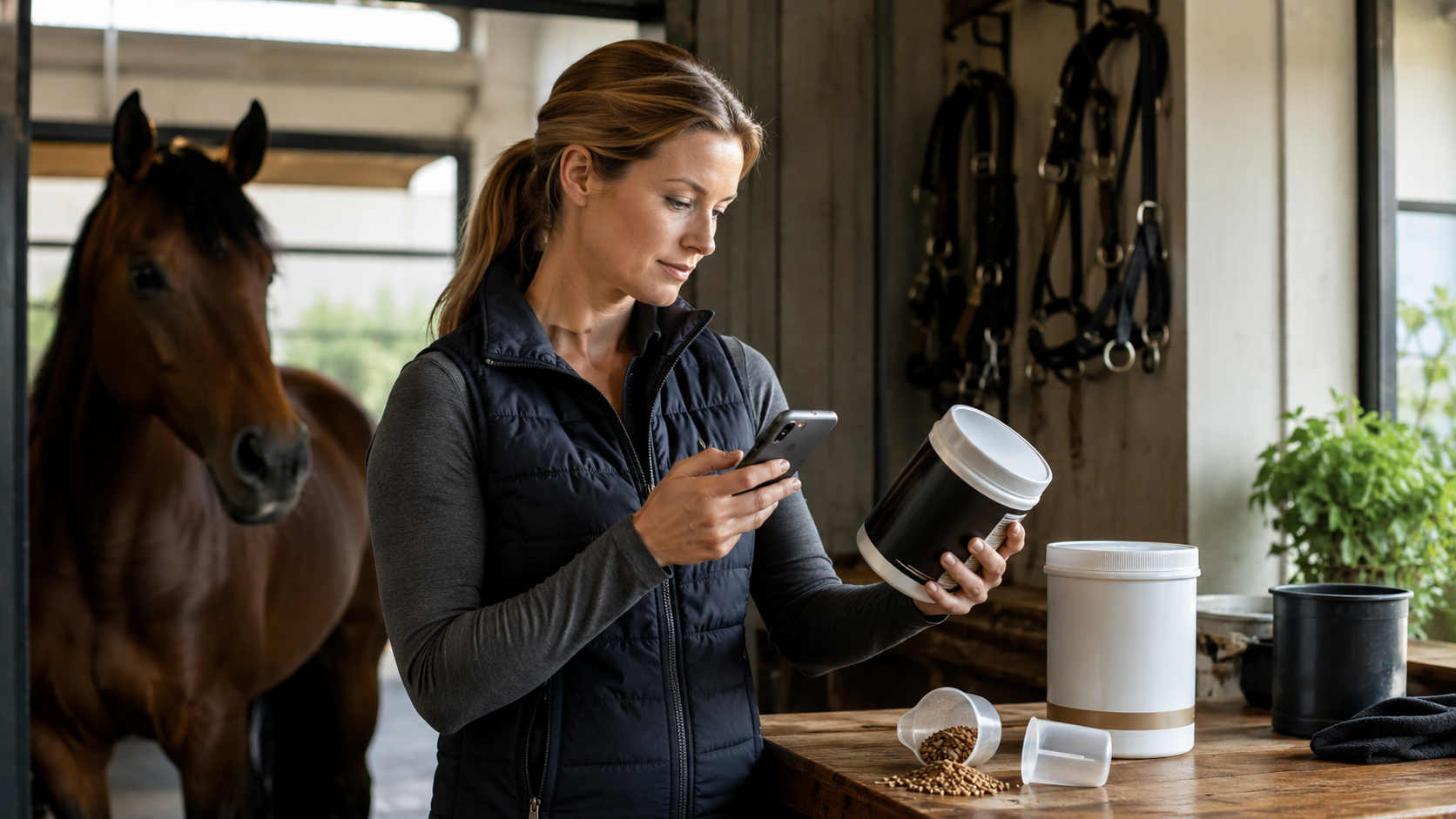
With Equio, every feed, supplement or treat is read against the horse's real profile (age, weight, Body Condition Score, conditions) — useful for a Danish Warmblood as soon as a metabolic or digestive sensitivity is known.
Health and points to watch
Regular monitoring of the locomotor system is essential, especially in sport horses. Stress management and an appropriate diet can prevent gastric ulcers. Regular veterinary check-ups and preventive care are recommended to maintain its health and longevity.
- More frequent conditions: sport-related locomotor conditions (osteoarthritis, tendinitis), gastric ulcers (in sport horses subjected to stress)
Care and grooming
Care requirements are those of a sport horse. Regular and appropriate hoof trimming or shoeing is crucial for its foot health. The mane, tail, and coat require regular maintenance to preserve their shine. Clipping is common during periods of intense work to facilitate thermal regulation and hygiene. Particular attention should be paid to the skin, especially after exercise.
Did you know?
- The Dansk Varmblod studbook is one of the strictest in Europe, with very rigorous selection criteria based on athletic performance and genetic qualities.
- Many Danish Warmblood horses have excelled at the Olympic Games and World Championships, particularly in dressage.
- Denmark annually hosts a prestigious auction of Danish Warmblood foals and young horses, attracting buyers from around the world.
The Danish Warmblood and how to track it
The Danish Warmblood is present in France, primarily imported for high-level sport in dressage and show jumping. Breeding is less developed than in Denmark, but the breed is gaining popularity among professional riders and knowledgeable amateurs.
Equio lets you build a complete profile for a Danish Warmblood: identity, weight, Body Condition Score, feeding, conditions, care reminders (vaccines, worming, trimming) and an exportable health log. The breed sets the identity; everyday decisions still depend on the real horse and your vet's advice.
- Record the activity level: rest, leisure, sport or breeding
- Add known conditions or sensitivities
- Scan feeds, plants and care products
- Keep reminders (vaccines, worming, trimming)
- Prepare a PDF export before a vet appointment
Frequently asked questions
What is the average price of a Danish Warmblood?
The price of a Danish Warmblood varies considerably depending on its age, lineage (bloodline, parents), training level, and potential or proven performance. An unbroken young horse can cost a few thousand euros, while a proven sport horse with good bloodlines can reach several tens of thousands of euros, or even more for exceptional individuals.
Is the Danish Warmblood suitable for beginner riders?
Due to its willing temperament and athletic abilities, the Danish Warmblood is generally more suitable for experienced or supervised riders. Its sensitivity and energy require a rider capable of guiding it with subtlety and consistency. However, some individuals with a calmer temperament may be suitable for intermediate riders.
What are the main qualities of the Danish Warmblood in dressage?
In dressage, the Danish Warmblood is valued for its expansive and expressive gaits, its great suppleness, natural balance, and ability to collect. Its cooperative temperament and willingness to please make it an excellent student, capable of reaching the highest levels of the discipline.
How to choose a Danish Warmblood foal?
The choice of a Danish Warmblood foal should be made by carefully studying the lineage (sire and dam), the performance of the ancestors, and by observing the foal itself for its conformation, build, and temperament. It is recommended to be accompanied by a professional and to consult the results of young horse performance tests.
Is the Danish Warmblood a good pleasure horse?
Yes, for an experienced rider, the Danish Warmblood can be an excellent pleasure horse. Its pleasant temperament and versatility allow it to adapt to various activities, from trail riding to more advanced training. However, it needs to be worked regularly to fully thrive.