
Horse breed
Zangersheide
The Zangersheide Studbook was founded in 1975 by Léon Melchior, with the aim of creating an exceptional sport horse, primarily for show jumping. Rather than a closed breed, it is a studbook based on the rigorous selection of sport horses of various origins (primarily Selle Français, Holsteiner, Hanoverian, KWPN) based on their performance and genetic aptitudes.

The breed at a glance
The Zangersheide is renowned for its willing, courageous, and intelligent temperament. It is generally cooperative and eager to please, making it a pleasant and high-performing sport horse, although it can be spirited and may require an experienced rider.
- Category
- sport horse
- Origin
- Belgium · 1970s
- Height at withers
- 160–175 cm
- Weight
- 500–650 kg
- Lifespan
- 25-30 years
- Common coats
- bay, chestnut, grey, black
- Disciplines
- Show Jumping, Dressage, Eventing
- Other names
- Zang, Studbook Zangersheide
Origin and history
The Zangersheide Studbook was founded in 1975 by Léon Melchior, with the aim of creating an exceptional sport horse, primarily for show jumping. Rather than a closed breed, it is a studbook based on the rigorous selection of sport horses of various origins (primarily Selle Français, Holsteiner, Hanoverian, KWPN) based on their performance and genetic aptitudes. The Zangersheide stud farm, located in Lanaken, has become a world-renowned breeding and competition center. The official recognition of the studbook has allowed this performance-oriented selection approach to be structured.
Conformation and physique
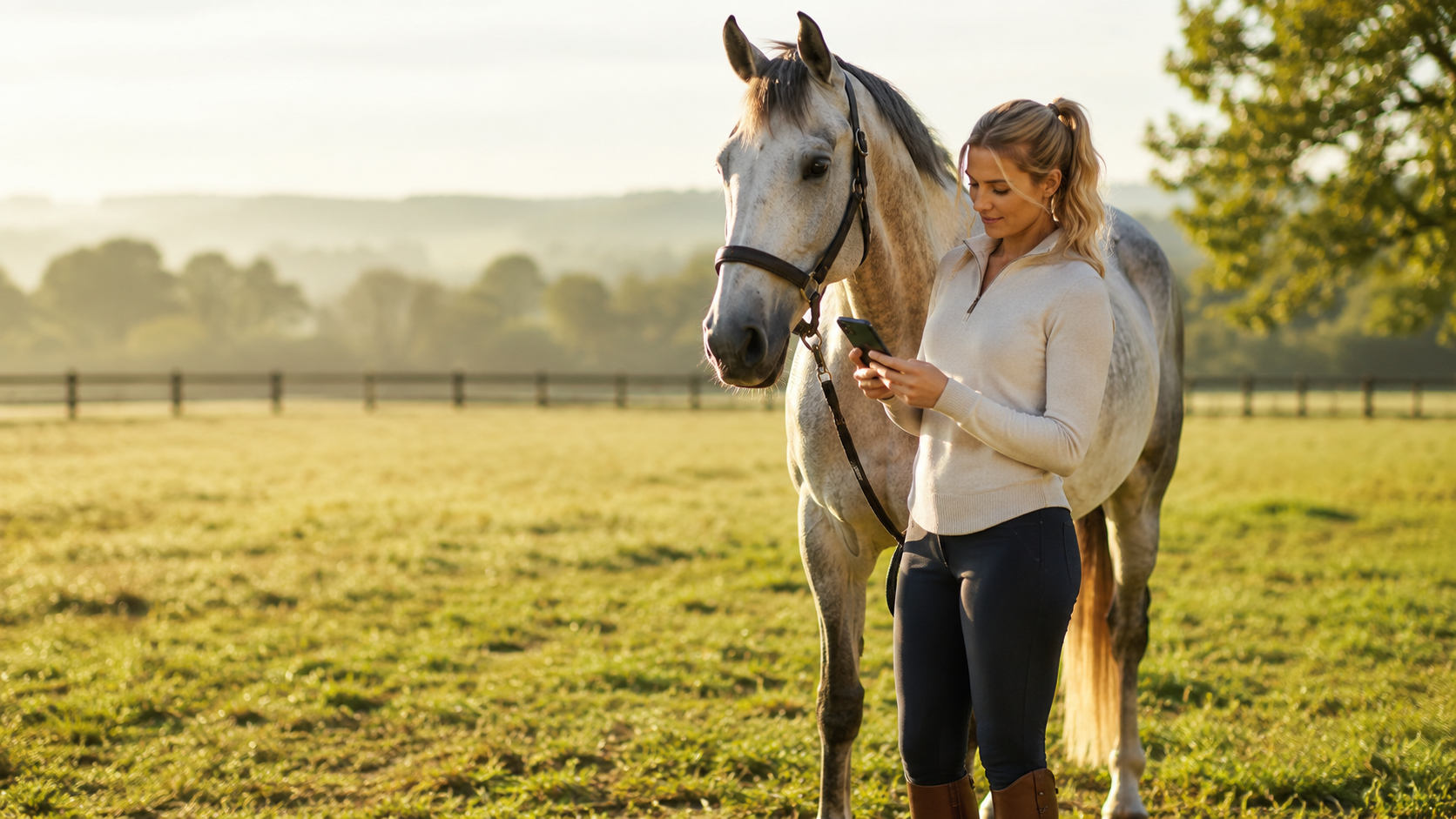
The Zangersheide is a modern, athletic, and harmonious sport horse, of medium to large size. It has a solid yet elegant bone structure, with well-developed musculature, typical of show jumpers.
The head is expressive, often with a straight or slightly concave profile, with large, lively eyes and well-set ears. The nostrils are wide and open.
The neck is long, well-set, and muscular, blending harmoniously into a long and prominent wither, promoting balance and flexibility.
The back is short and strong, the topline is taut and muscular. The chest is deep and wide, offering good lung capacity. The croup is long, muscular, and slightly sloping, conducive to jumping power.
The limbs are long, clean, and strong, with large and well-defined joints. The cannons are short and the tendons well-defined. The feet are generally well-formed and resilient. Feathering is sparse.
- Common coats: bay, chestnut, grey, black
Temperament and aptitudes
The Zangersheide is renowned for its willing, courageous, and intelligent temperament. It is generally cooperative and eager to please, making it a pleasant and high-performing sport horse, although it can be spirited and may require an experienced rider.
The gaits are ample, supple, and energetic, with good balance and excellent impulsion. The canter is particularly powerful and rhythmic, essential for show jumping.
- Uses: Show jumping (primary), Dressage, Eventing, Sport horse breeding
- Disciplines: Show Jumping, Dressage, Eventing
Feeding the Zangersheide
As an athletic sport horse, the Zangersheide has high energy requirements, especially during competition periods. Its metabolism is that of a demanding athlete. It requires a balanced diet, rich in quality forage (hay ad libitum) and supplemented with concentrates adapted to its activity level, providing proteins, vitamins, and minerals. Particular attention must be paid to fiber intake to maintain good digestive health.
While there is no specific documented genetic predisposition to major metabolic disorders like EMS or PSSM for the entire Zangersheide studbook, selection for performance can sometimes lead to increased susceptibility to gastric ulcers or stress-related colic in highly-stressed individuals. Rigorous dietary management is therefore paramount.
With Equio, every feed, supplement or treat is read against the horse's real profile (age, weight, Body Condition Score, conditions) — useful for a Zangersheide as soon as a metabolic or digestive sensitivity is known.
Health and points to watch
Regular monitoring of joints and limbs is essential, given the intensity of their work. Preventive veterinary follow-up, including lameness examinations, is recommended. Stress and dietary management are crucial for preventing digestive disorders.
- More frequent conditions: Osteochondrosis (OCD) (monitoring during growth), Joint problems related to intense exertion (osteoarthritis), Gastric ulcers (in high-level sport horses)
Care and grooming
The care of a Zangersheide is that of a sport horse. It requires regular farriery and trimming adapted to its activity, often shod to protect its feet. Mane and coat are maintained conventionally. Particular attention must be paid to skin hygiene, especially after exertion, to prevent skin conditions.
Did you know?
- The Zangersheide Studbook is unique because it is not limited to a traditional breed, but is an open studbook that selects the best sport horses, regardless of their origin, based on their performance and that of their offspring.
- The Zangersheide Stud organizes the World Championships for Young Show Jumping Horses annually, a major event that attracts the global elite of equine breeding and sport.
- Léon Melchior, the founder, was himself a high-level show jumper, which strongly influenced the studbook's selection philosophy.
The Zangersheide and how to track it
The Zangersheide is well represented in France, both by imported horses and by French-bred offspring resulting from crosses with Zangersheide stallions. It is highly valued and sought after by professional and amateur show jumpers.
Equio lets you build a complete profile for a Zangersheide: identity, weight, Body Condition Score, feeding, conditions, care reminders (vaccines, worming, trimming) and an exportable health log. The breed sets the identity; everyday decisions still depend on the real horse and your vet's advice.
- Record the activity level: rest, leisure, sport or breeding
- Add known conditions or sensitivities
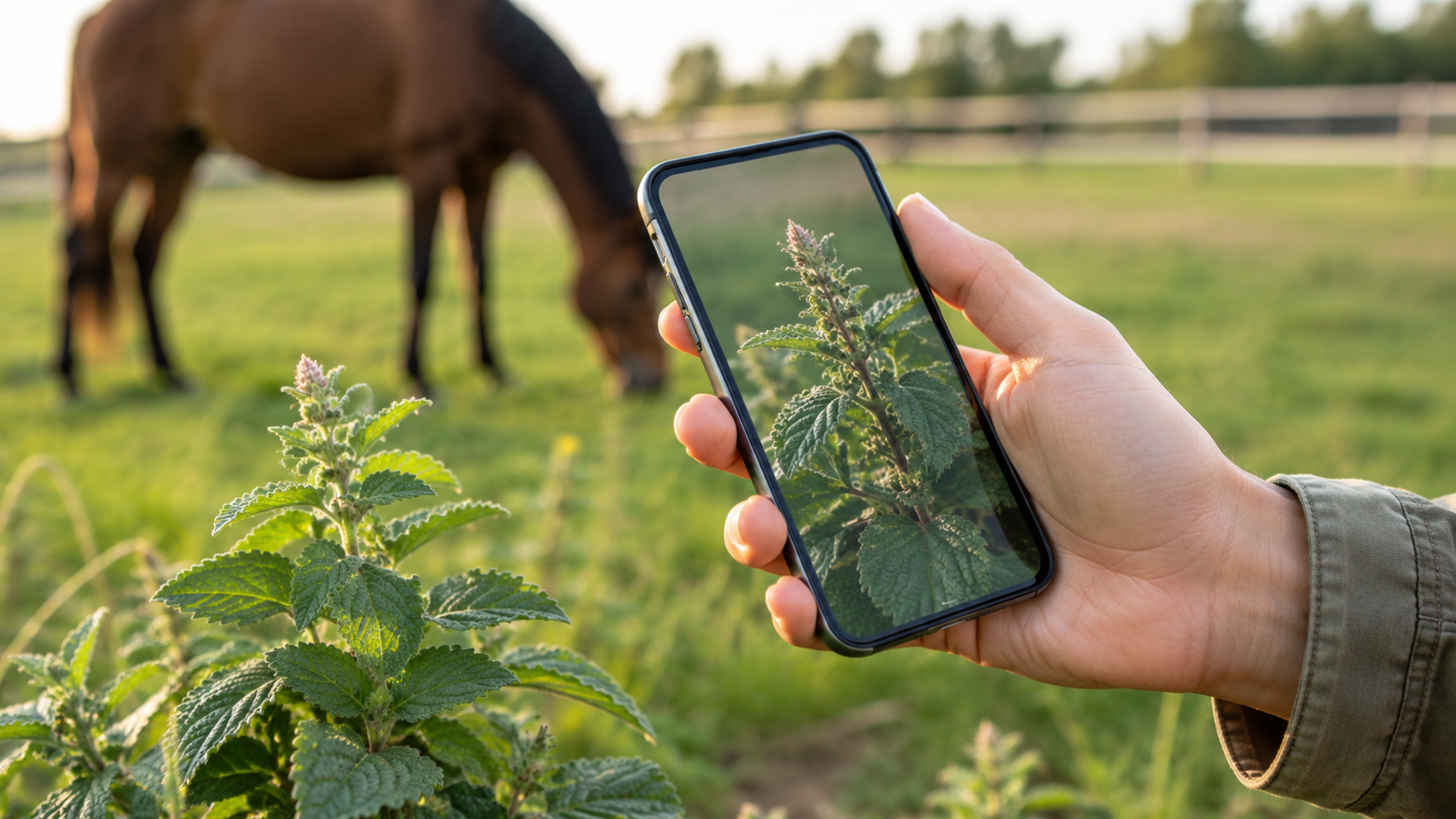
- Scan feeds, plants and care products
- Keep reminders (vaccines, worming, trimming)
- Prepare a PDF export before a vet appointment
Frequently asked questions
What is the price of a Zangersheide horse?
The price of a Zangersheide varies considerably depending on its age, training level, lineage (famous stallion and mare lines), and performance. A young, unbroken horse can cost a few thousand euros, while a proven sport horse with good results can reach tens or even hundreds of thousands of euros.
Is the Zangersheide suitable for beginner riders?
Generally, the Zangersheide is a spirited and energetic horse, selected for performance. It is rather recommended for experienced or supervised riders, capable of managing an athletic and willing horse, especially if it is intended for competition.
How to recognize a Zangersheide?
A Zangersheide is identified by its brand (a crowned Z) and its passport issued by the Zangersheide Studbook. Morphologically, it exhibits the characteristics of a modern sport horse: athletic, balanced, with good gaits and a natural aptitude for jumping.
What is the difference between a Zangersheide and a BWP?
The Zangersheide and the BWP (Belgisch Warmbloed Paard) are both Belgian sport horse studbooks. The main difference lies in their selection philosophy: the Zangersheide is a more open studbook, focused on pure performance and the use of global genetics, while the BWP historically has a base more rooted in traditional Belgian breeding, although it also incorporates external influences.
Is the Zangersheide a good dressage horse?
Although primarily selected for show jumping, many Zangersheides possess quality gaits and a temperament suitable for dressage. Some individuals excel in this discipline, but it is not the studbook's primary purpose.