
Horse breed
Walkaloosa
The Walkaloosa breed originated in the United States in the 1960s-1970s, resulting from crosses between Appaloosa horses and Walking Horses such as the Tennessee Walking Horse or the Missouri Fox Trotter. The goal was to combine the Appaloosa's spotted coat pattern with the gaited movements of Walking Horses.
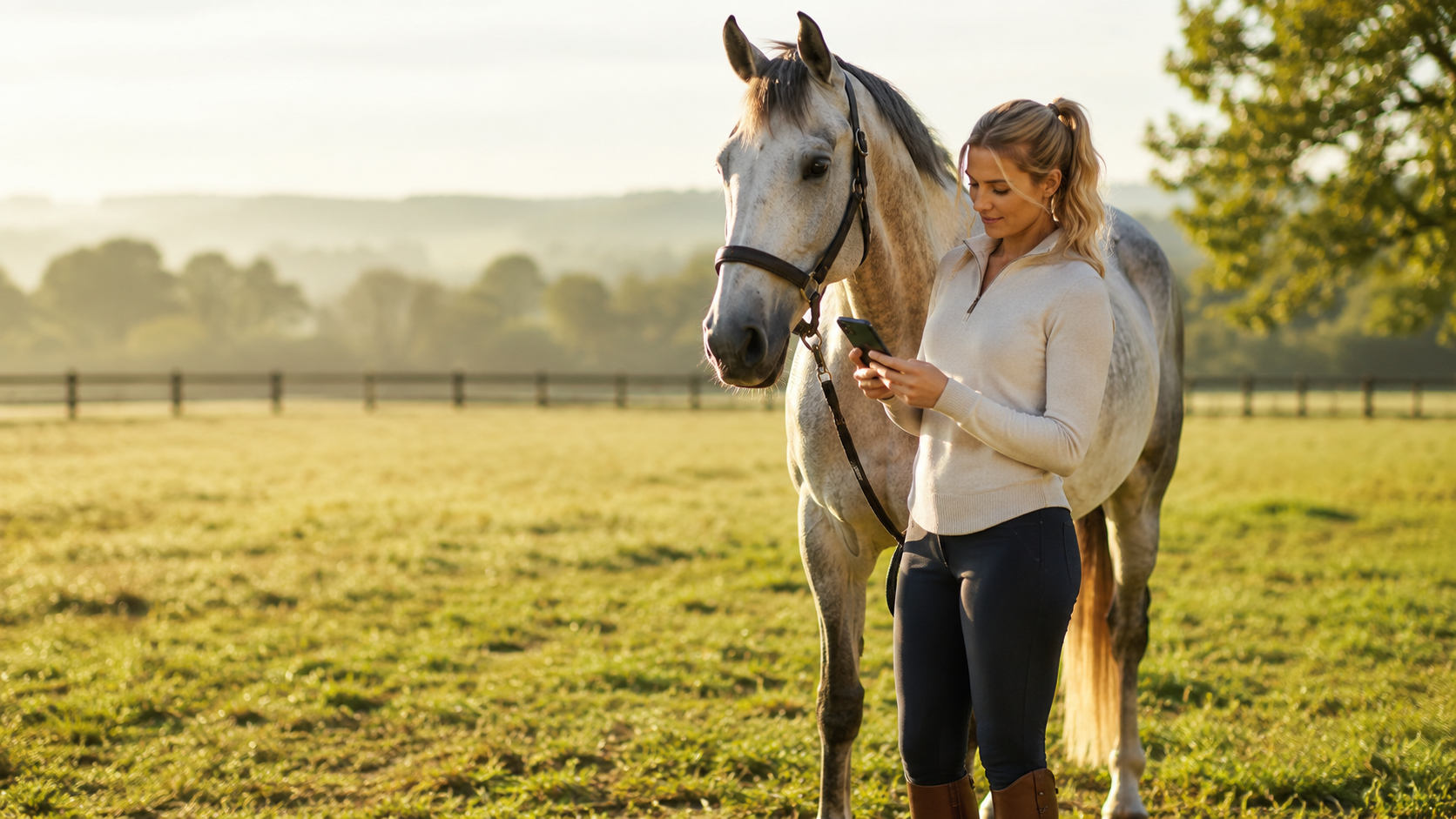
The breed at a glance
It is a generally calm, intelligent, and willing horse, making it pleasant to work with and suitable for various riders. It is renowned for its versatility, kindness, and quick learning ability.
- Category
- saddle horse
- Origin
- United States · 1960s-1970s
- Height at withers
- 142–163 cm
- Weight
- 450–590 kg
- Lifespan
- 25-30 years
- Common coats
- all Appaloosa coat patterns (leopard, blanket, snowflake, frosted, marbled), bay, chestnut, black, grey, palomino, dun
- Disciplines
- trail, equestrian trail riding, western riding, dressage (recreational)
Origin and history
The Walkaloosa breed originated in the United States in the 1960s-1970s, resulting from crosses between Appaloosa horses and Walking Horses such as the Tennessee Walking Horse or the Missouri Fox Trotter. The goal was to combine the Appaloosa's spotted coat pattern with the gaited movements of Walking Horses. The Walkaloosa Horse Association was founded in 1983 to register and promote the breed, recognizing horses exhibiting the desired characteristics. The breed is still under development, and its international recognition is progressive.

Conformation and physique
The Walkaloosa is a medium-sized saddle horse, well-muscled and athletic, with a solid yet refined bone structure. It presents a balanced silhouette, combining the elegance of gaited horses and the robustness of the Appaloosa.
The head is well-proportioned, with a straight or slightly convex profile. The eyes are expressive and lively, the ears medium-sized and well-placed. The muzzle is broad, and the nostrils are well-opened.
The neck is long, well-muscled, and arched, blending harmoniously into a well-defined and extended wither. It contributes to overall balance and gait fluidity.
The back is short and strong, and the topline is solid. The chest is deep and broad, providing good lung capacity. The croup is muscled and slightly sloped, with a rather low-set tail.
The limbs are straight, clean, and strong, with well-defined joints and clean tendons. The cannon bones are of good length, and the feet are well-formed, hard, and resilient. Feathers are generally sparse.
- Common coats: all Appaloosa coat patterns (leopard, blanket, snowflake, frosted, marbled), bay, chestnut, black, grey, palomino, dun
Temperament and aptitudes
It is a generally calm, intelligent, and willing horse, making it pleasant to work with and suitable for various riders. It is renowned for its versatility, kindness, and quick learning ability.
The Walkaloosa is characterized by its natural gaited movements, particularly the 'gait' (a four-beat, lateral, and regular gait, very comfortable for the rider) in addition to the walk, trot, and canter. These gaits are fluid, supple, and energy-efficient.
- Uses: recreational riding, trail riding, working equitation, family horse, show
- Disciplines: trail, equestrian trail riding, western riding, dressage (recreational), pleasure riding
Feeding the Walkaloosa
The Walkaloosa, descended from robust breeds, generally has a rather efficient metabolism. It is important to monitor its weight, as it can be prone to obesity if not sufficiently exercised or if its diet is too rich. A base of good quality forage (hay or grass) offered ad libitum is essential. Concentrates are only necessary for horses with intense activity or specific needs and should be adjusted to avoid excess sugars and starches.
Like many American breeds, the Walkaloosa can be predisposed to Equine Metabolic Syndrome (EMS) and laminitis, especially if overweight or fed diets high in sugars and starches. Careful management of diet and exercise is crucial to prevent these conditions.
With Equio, every feed, supplement or treat is read against the horse's real profile (age, weight, Body Condition Score, conditions) — useful for a Walkaloosa as soon as a metabolic or digestive sensitivity is known.

Health and points to watch
Particular attention should be paid to ocular health due to the predisposition to recurrent uveitis in Appaloosa horses and their descendants. Weight management and laminitis prevention are also paramount, particularly through a balanced diet and regular exercise.
- Documented genetic disorders: Appaloosa Coat Pattern Complex (LP gene), which can be linked to Equine Recurrent Uveitis (ERU) and Congenital Stationary Night Blindness (CSNB)
- More frequent conditions: Equine Recurrent Uveitis (ERU) in individuals carrying the LP gene, laminitis, Equine Metabolic Syndrome (EMS)
Care and grooming
Walkaloosa care is similar to that of other saddle horses. Regular hoof trimming is essential to maintain their integrity. The mane and tail can be thick and require regular detangling. The coat, often spotted, requires daily brushing to maintain its cleanliness and shine. Clipping is rarely necessary, except for aesthetic reasons or comfort during intense work.
Did you know?
- The name 'Walkaloosa' is a portmanteau combining 'Walking Horse' and 'Appaloosa', perfectly reflecting its origins.
- To be registered as a Walkaloosa, a horse must exhibit an Appaloosa coat pattern and demonstrate a natural gaited ability.
- The Walkaloosa Horse Association accepts the registration of horses from specific crosses, provided they meet the coat pattern and gait criteria.
The Walkaloosa and how to track it
The Walkaloosa breed is not widespread in France, where it is mainly known by enthusiasts of gaited horses and spotted coats. Breeding is very limited, and existing individuals are often imported or from specific bloodlines.
Equio lets you build a complete profile for a Walkaloosa: identity, weight, Body Condition Score, feeding, conditions, care reminders (vaccines, worming, trimming) and an exportable health log. The breed sets the identity; everyday decisions still depend on the real horse and your vet's advice.
- Record the activity level: rest, leisure, sport or breeding
- Add known conditions or sensitivities
- Scan feeds, plants and care products
- Keep reminders (vaccines, worming, trimming)
- Prepare a PDF export before a vet appointment
Frequently asked questions
What is the main characteristic of the Walkaloosa?
The main characteristic of the Walkaloosa is the combination of the spotted Appaloosa coat pattern with the natural gaited movements of gaited horses, offering exceptional comfort to the rider.
Is the Walkaloosa a good horse for beginners?
Yes, thanks to its calm, intelligent, and willing temperament, the Walkaloosa can be an excellent horse for beginners and pleasure riders, provided they have appropriate guidance.
How to recognize a Walkaloosa coat pattern?
A Walkaloosa must exhibit one of the Appaloosa coat patterns (leopard, blanket, snowflake, etc.), often with mottled skin, white sclera around the eyes, and striped hooves.
Is the Walkaloosa a hardy horse?
Yes, the Walkaloosa is generally a sturdy and enduring horse, inherited from its foundational bloodlines. It is well-suited for long trail rides and pleasure activities.
Where to buy a Walkaloosa in France?
Purchasing a Walkaloosa in France can be difficult due to the rarity of the breed. It is often necessary to look into imports or specialized breeders of gaited horses or Appaloosas who offer crosses.