
Horse breed
Waler
The Waler is a historic Australian breed developed from the early 19th century for military and civilian needs. It resulted from complex crosses between Cape horses (South Africa), Thoroughbreds, Arabs, Timor ponies, and draft horses.

The breed at a glance
The Waler is known for its courageous, intelligent, and willing temperament. It is a hardy, enduring, and reliable horse, with a great capacity for learning and loyalty to its rider. It is also renowned for its composure and ability to work in difficult conditions.
- Category
- saddle horse
- Origin
- Australia · 19th century
- Height at withers
- 142–163 cm
- Weight
- 400–550 kg
- Lifespan
- 20-25 years
- Common coats
- bay, chestnut, black, grey, palomino, dun
- Disciplines
- endurance riding, equestrian trail riding, working equitation, show jumping (historically)
- Other names
- Australian Waler, Australian Stock Horse (historique)
Origin and history
The Waler is a historic Australian breed developed from the early 19th century for military and civilian needs. It resulted from complex crosses between Cape horses (South Africa), Thoroughbreds, Arabs, Timor ponies, and draft horses. Initially bred in the New South Wales region, hence its name, it became the quintessential cavalry horse for the Australian army. Although the breed almost disappeared after World War II, preservation efforts are underway to recreate and maintain its bloodlines.
Conformation and physique
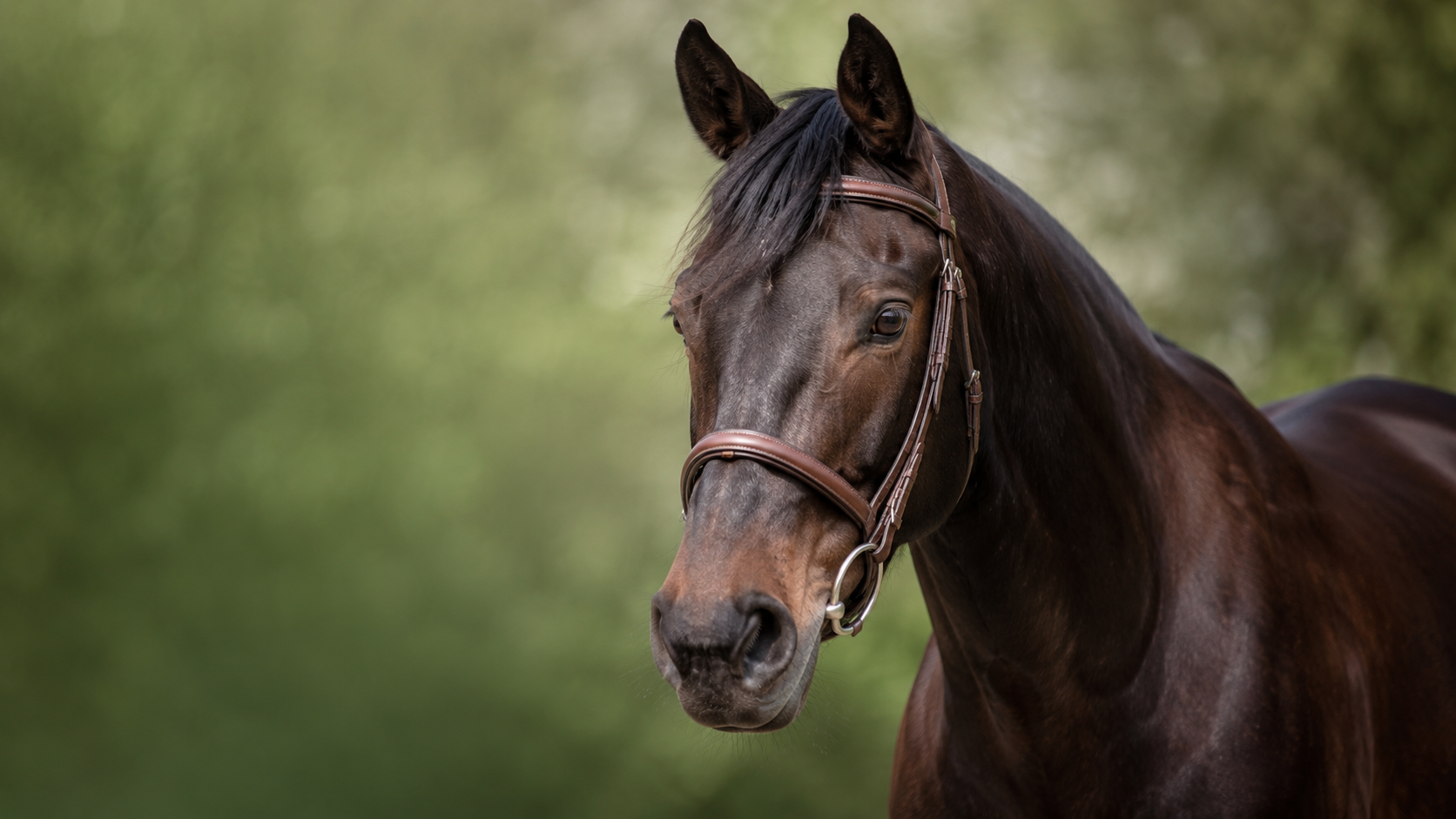
The Waler is a medium to large saddle horse, powerful and athletic, with a solid bone structure and well-developed musculature. It presents a harmonious silhouette, combining elegance and robustness, typical of a working and war horse.
Well-proportioned head, often with a straight or slightly convex profile, large expressive eyes, and wide nostrils. The ears are medium-sized and well-set.
Long and muscular neck, well-set, allowing good freedom of movement. The withers are generally well-defined and extended.
Short and strong back, solid and muscular topline. Deep and wide chest, providing good lung capacity. Powerful and well-rounded hindquarters, often slightly sloped.
Strong and clean legs, with large and well-defined joints. The cannons are short and the hooves are hard and well-formed. Little to no feathering.
- Common coats: bay, chestnut, black, grey, palomino, dun
Temperament and aptitudes
The Waler is known for its courageous, intelligent, and willing temperament. It is a hardy, enduring, and reliable horse, with a great capacity for learning and loyalty to its rider. It is also renowned for its composure and ability to work in difficult conditions.
The gaits are ample, supple, and energetic, with good ground cover. The Waler is renowned for its endurance and ability to maintain a good pace over long distances.
- Uses: military cavalry, cattle working horse (stock horse), transport, hunting, trail riding, recreational riding
- Disciplines: endurance riding, equestrian trail riding, working equitation, show jumping (historically), dressage (historically)
Feeding the Waler
The Waler, descended from hardy bloodlines and working horses, generally has a rather efficient metabolism. It is able to utilize medium-quality forage and is not particularly prone to obesity if kept active. A diet based on good quality forage (hay or grass) is essential. Concentrates are only necessary in cases of intense work or specific needs (growth, lactation), and must be adapted to the effort expended.
There are no documented specific predispositions to dietary sensitivities or particular metabolic risks (such as laminitis or EMS) for the Waler breed. However, like any horse, an unbalanced diet or one too rich in sugars and starch can lead to health problems.
With Equio, every feed, supplement or treat is read against the horse's real profile (age, weight, Body Condition Score, conditions) — useful for a Waler as soon as a metabolic or digestive sensitivity is known.

Health and points to watch
The Waler's robustness makes it a generally healthy horse. Attention should be paid to regular hoof care, parasite management, and general monitoring of body condition, especially if the horse is used intensively or is aging.
- More frequent conditions: locomotor conditions related to wear and tear from excessive work or on difficult terrain (historically)
Care and grooming
Care for the Waler is similar to that of a classic saddle horse. Regular hoof trimming is essential to maintain their soundness. The mane and tail can be left natural or maintained according to use. The coat requires regular brushing, especially during shedding season. Clipping is generally not necessary except for sport horses in intense work.
Did you know?
- Over 120,000 Walers were exported from Australia to serve as cavalry horses during World War I, particularly in the Middle East, where they demonstrated exceptional endurance and courage.
- The Waler is considered the primary ancestor of the Australian Stock Horse, a very popular modern breed in Australia.
- The name 'Waler' comes from 'New South Wales', the Australian state where the breed was primarily developed.
The Waler and how to track it
The Waler breed is extremely rare outside Australia and has no significant population or organized breeding in France. Any individuals present would be exceptional and imported.
Equio lets you build a complete profile for a Waler: identity, weight, Body Condition Score, feeding, conditions, care reminders (vaccines, worming, trimming) and an exportable health log. The breed sets the identity; everyday decisions still depend on the real horse and your vet's advice.
- Record the activity level: rest, leisure, sport or breeding
- Add known conditions or sensitivities
- Scan feeds, plants and care products
- Keep reminders (vaccines, worming, trimming)
- Prepare a PDF export before a vet appointment
Frequently asked questions
Is the Waler still bred today?
Yes, although the breed almost disappeared after the World Wars, associations like the 'Waler Horse Society of Australia' are actively working on its preservation and recreation from historical bloodlines and horses exhibiting the characteristics of the original Waler.
What is the difference between a Waler and an Australian Stock Horse?
The Waler is the historical ancestor of the Australian Stock Horse. The Australian Stock Horse is a modern, officially recognized breed that was developed from Walers and other breeds to excel in cattle work and Australian equestrian disciplines. The Waler more closely represents the type of military and working horse of the 19th and early 20th centuries.
Is the Waler a good horse for beginners?
Due to its intelligence, responsiveness, and willing temperament, the Waler can be an excellent partner for an experienced rider. For a beginner, its energy and courage might require suitable guidance, although its loyalty is an asset.
Where can one find a Waler for sale?
Walers are extremely rare and are primarily found in Australia, with breeders dedicated to preserving the breed. Acquiring one outside Australia would be complex and costly.
Is the Waler suited to the European climate?
Yes, the Waler is a robust and adaptable breed, accustomed to Australian climatic variations. It would adapt without issue to temperate European climates, provided it receives appropriate care and nutrition.