
Horse breed
Arabian Horse
The Arabian horse is one of the oldest equine breeds, with origins tracing back to the desert Bedouin tribes. Its rigorous selection, based on endurance, speed, and temperament, was shaped by the extreme conditions of its environment.
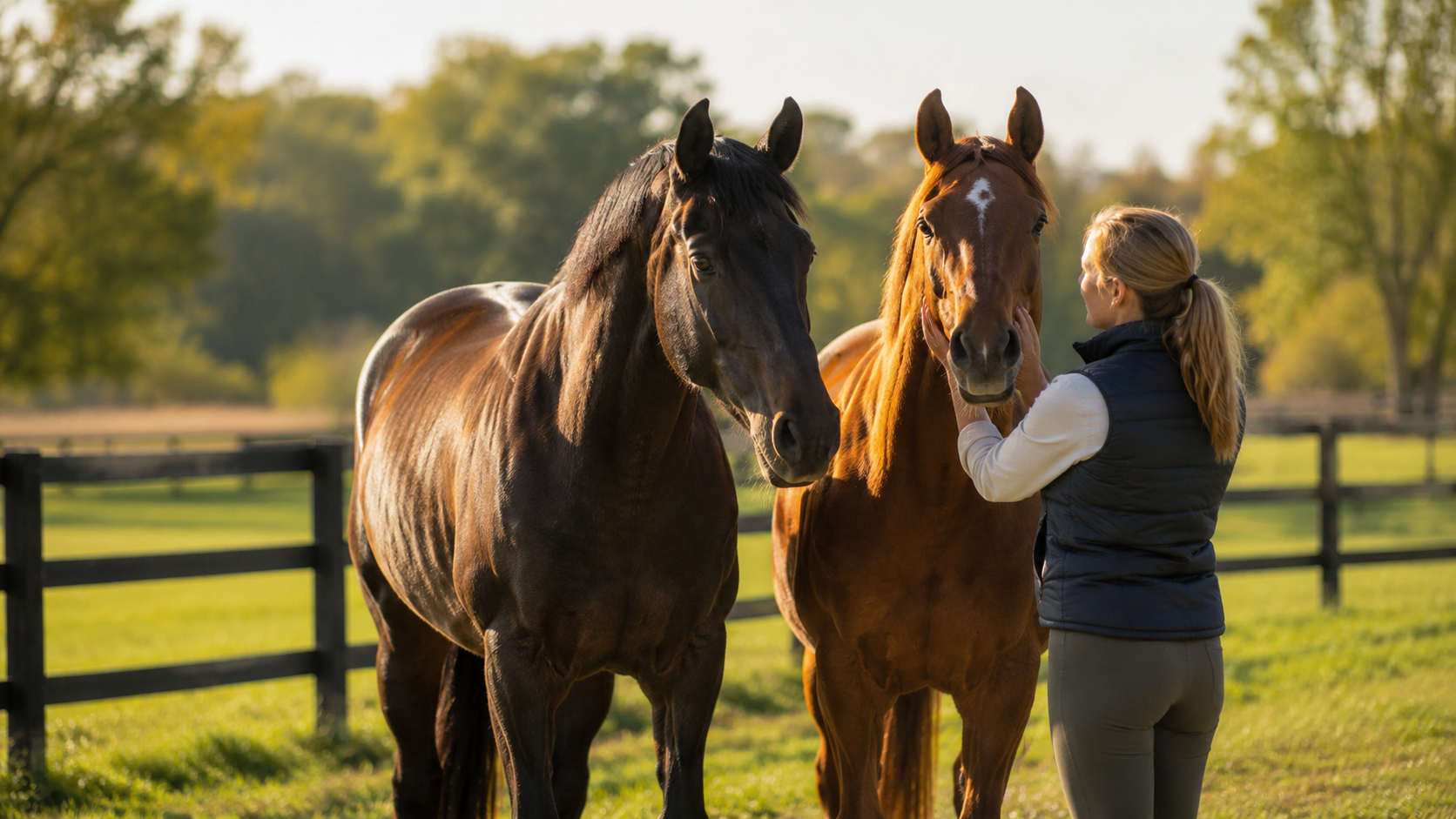
The breed at a glance
The Arabian temperament is renowned for being intelligent, sensitive, courageous, and willing. It is a horse that forms a close bond with humans, loyal and full of energy, but can be spirited if not properly educated and channeled. It is very versatile and eager to work.
- Category
- hot-blooded horse
- Origin
- Arabian Peninsula · Antiquity (over 2000 BC)
- Height at withers
- 145–155 cm
- Weight
- 400–450 kg
- Lifespan
- 25-30 years
- Common coats
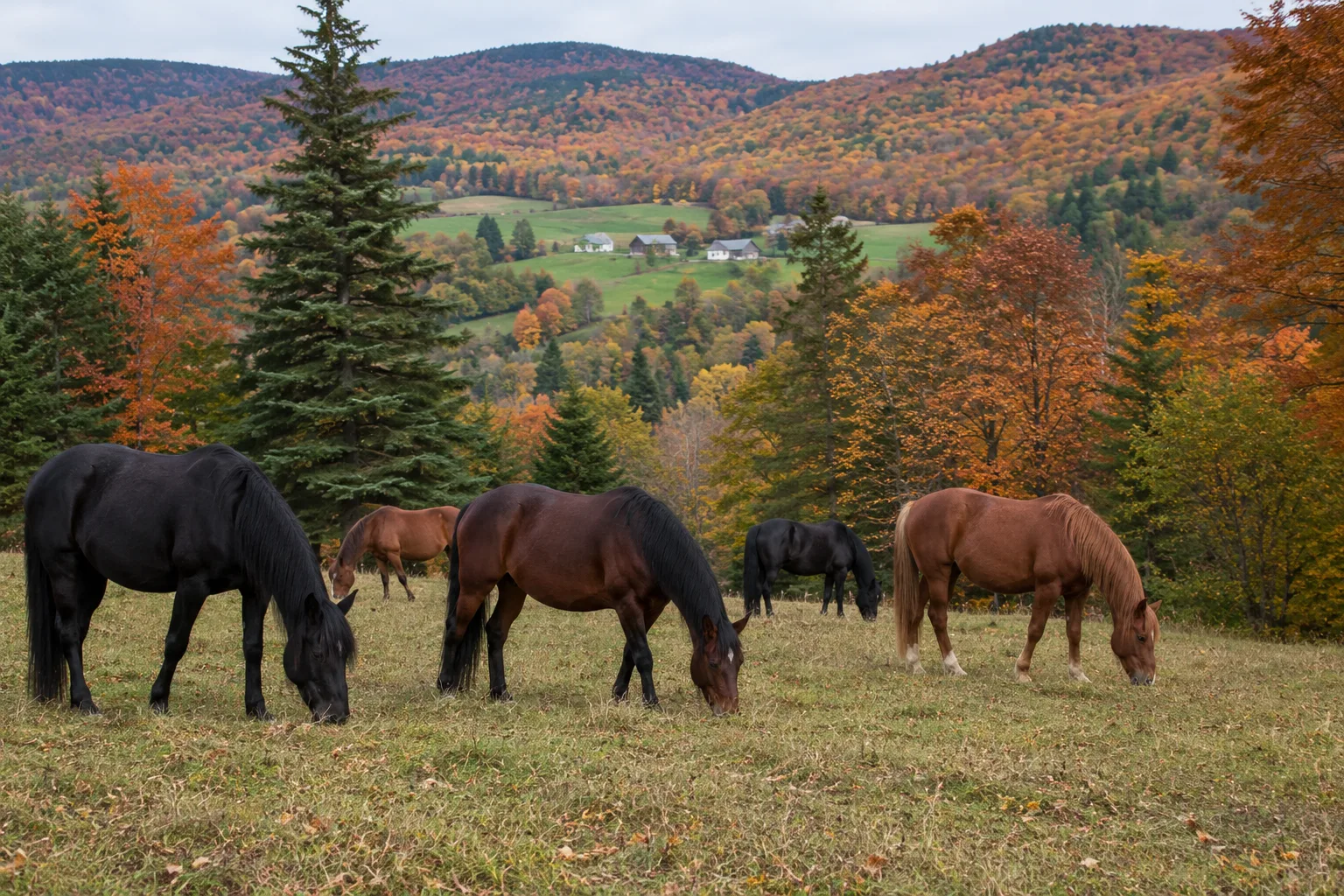
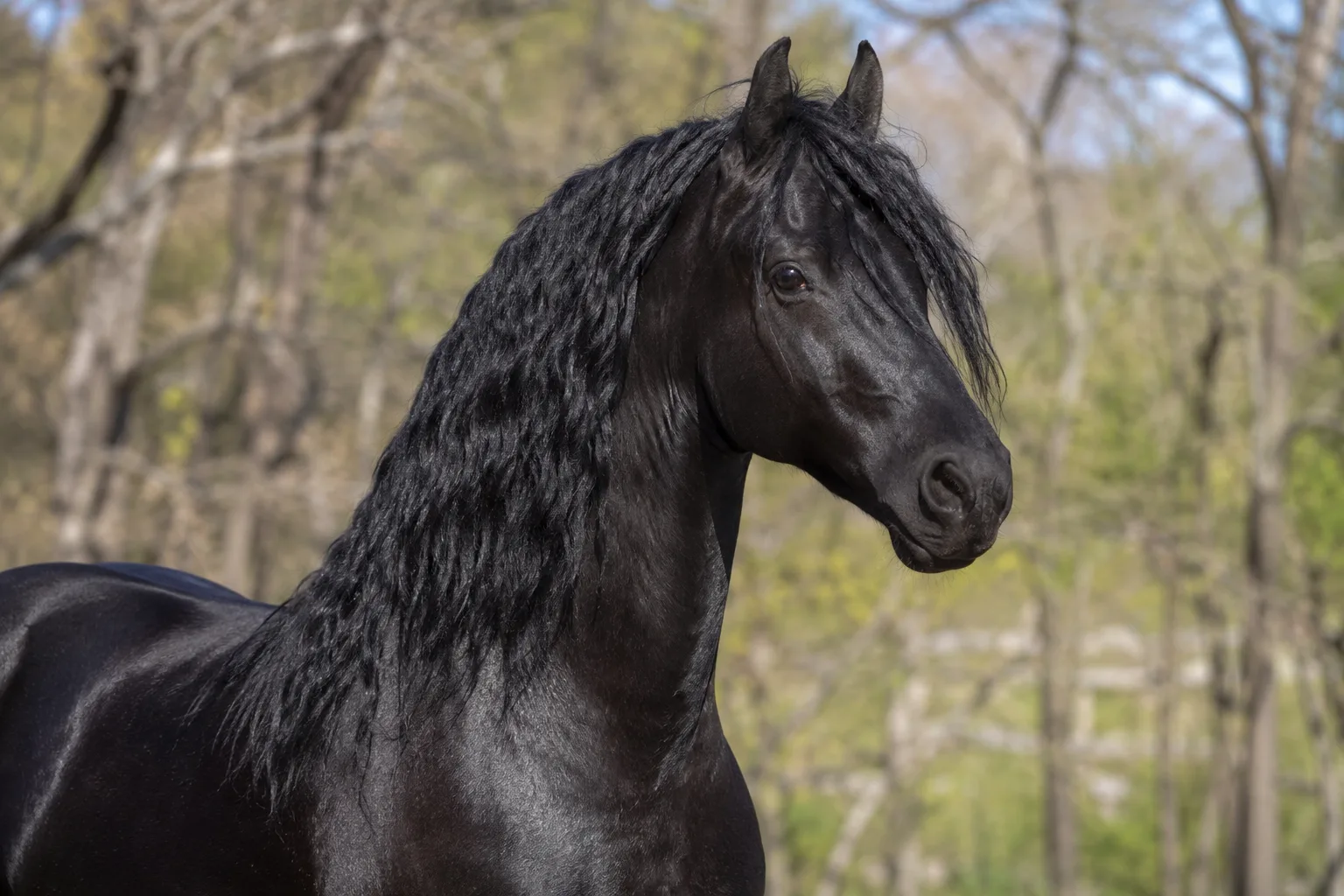
- bay, chestnut, grey, black
- Disciplines
- endurance riding, dressage, show jumping (CSO), TREC
- Other names
- Pur-Sang Arabe, Arabian Horse
Origin and history
The Arabian horse is one of the oldest equine breeds, with origins tracing back to the desert Bedouin tribes. Its rigorous selection, based on endurance, speed, and temperament, was shaped by the extreme conditions of its environment. It is considered the progenitor of many modern saddle horse breeds, having contributed its bloodlines and qualities worldwide. The breed has been officially recognized by international registries since the 19th century.

Conformation and physique
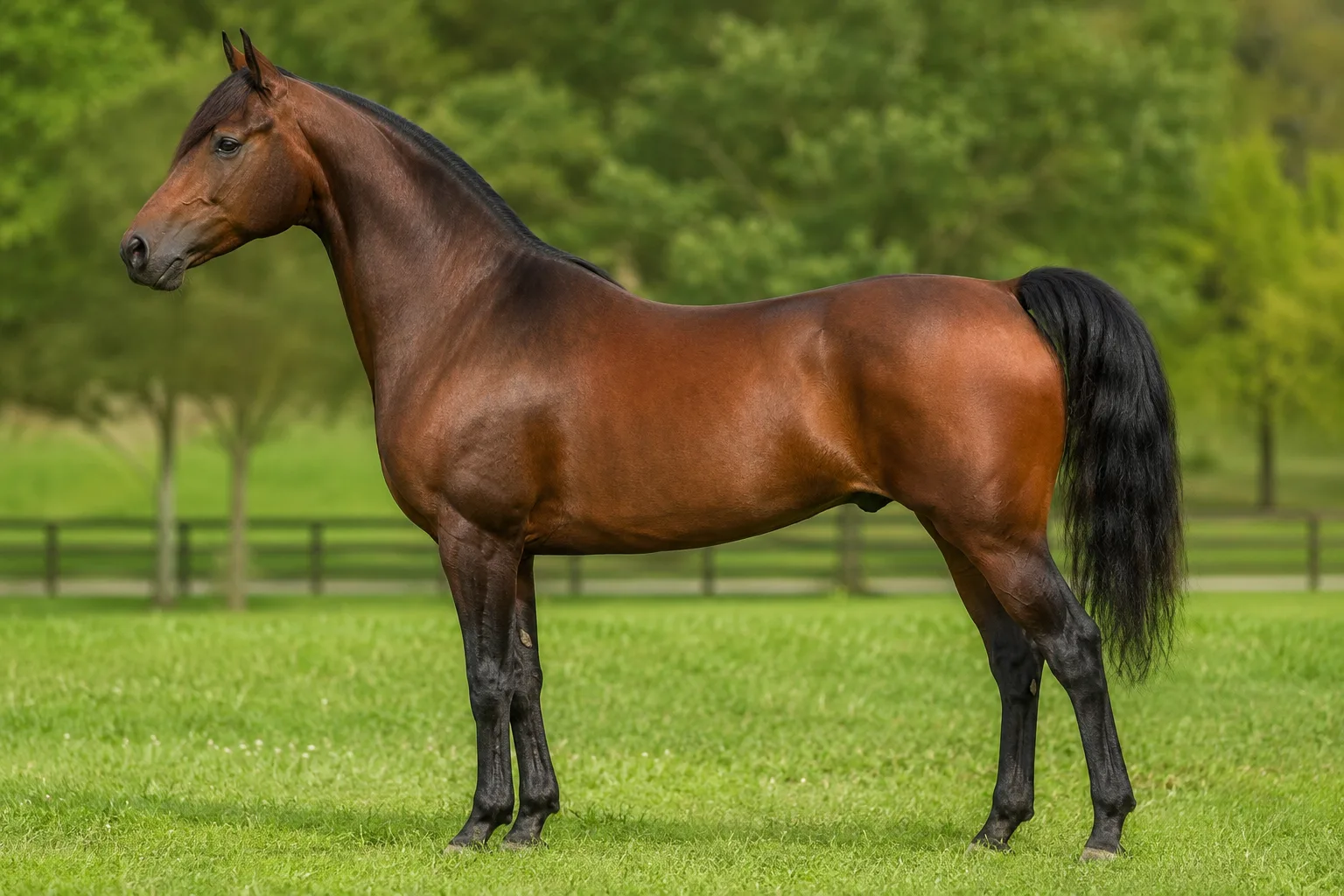
The Arabian horse is a small, elegant, and harmonious horse, with fine but dense bone structure. Its silhouette is characterized by great refinement and lean musculature, giving it an athletic and refined appearance.
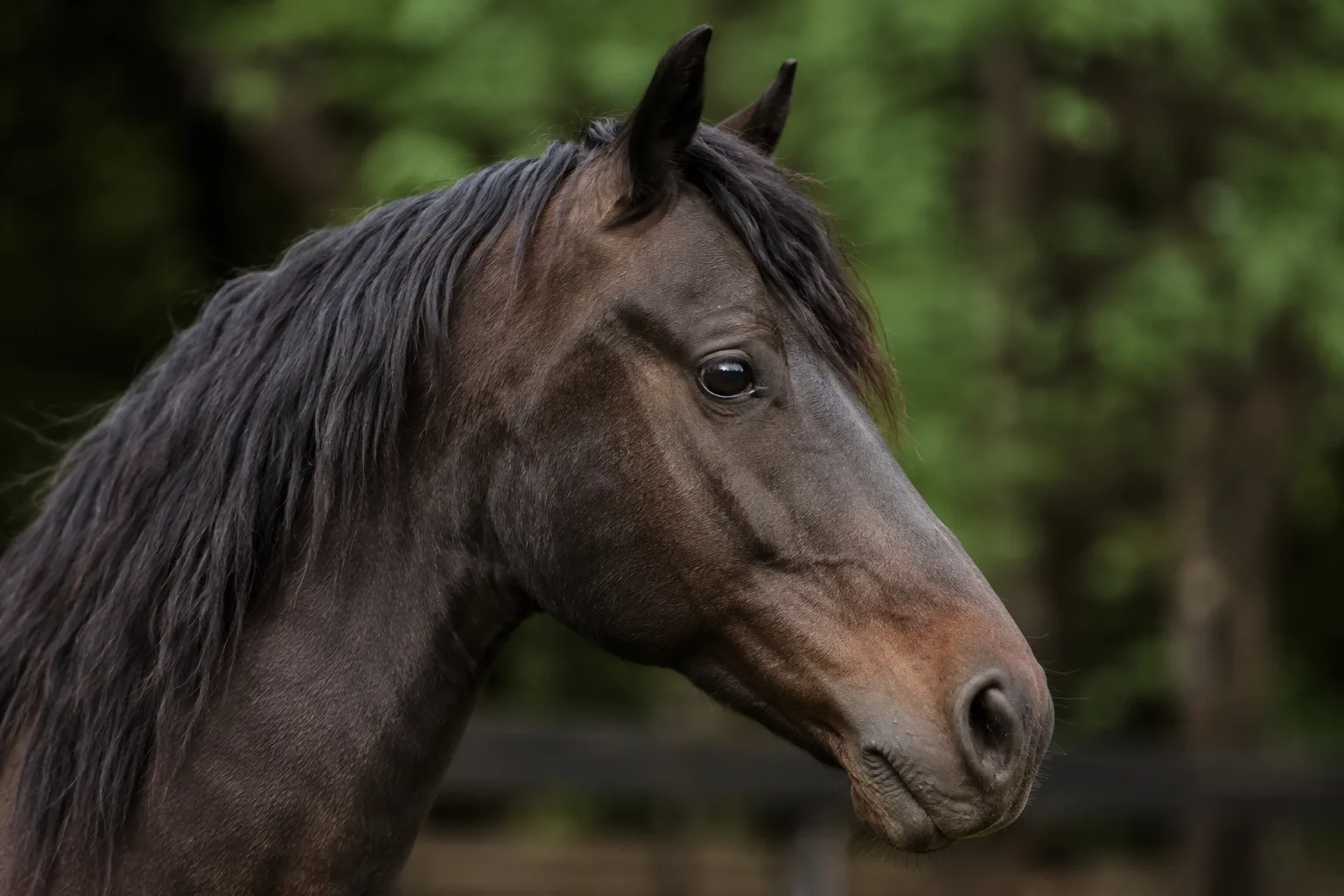
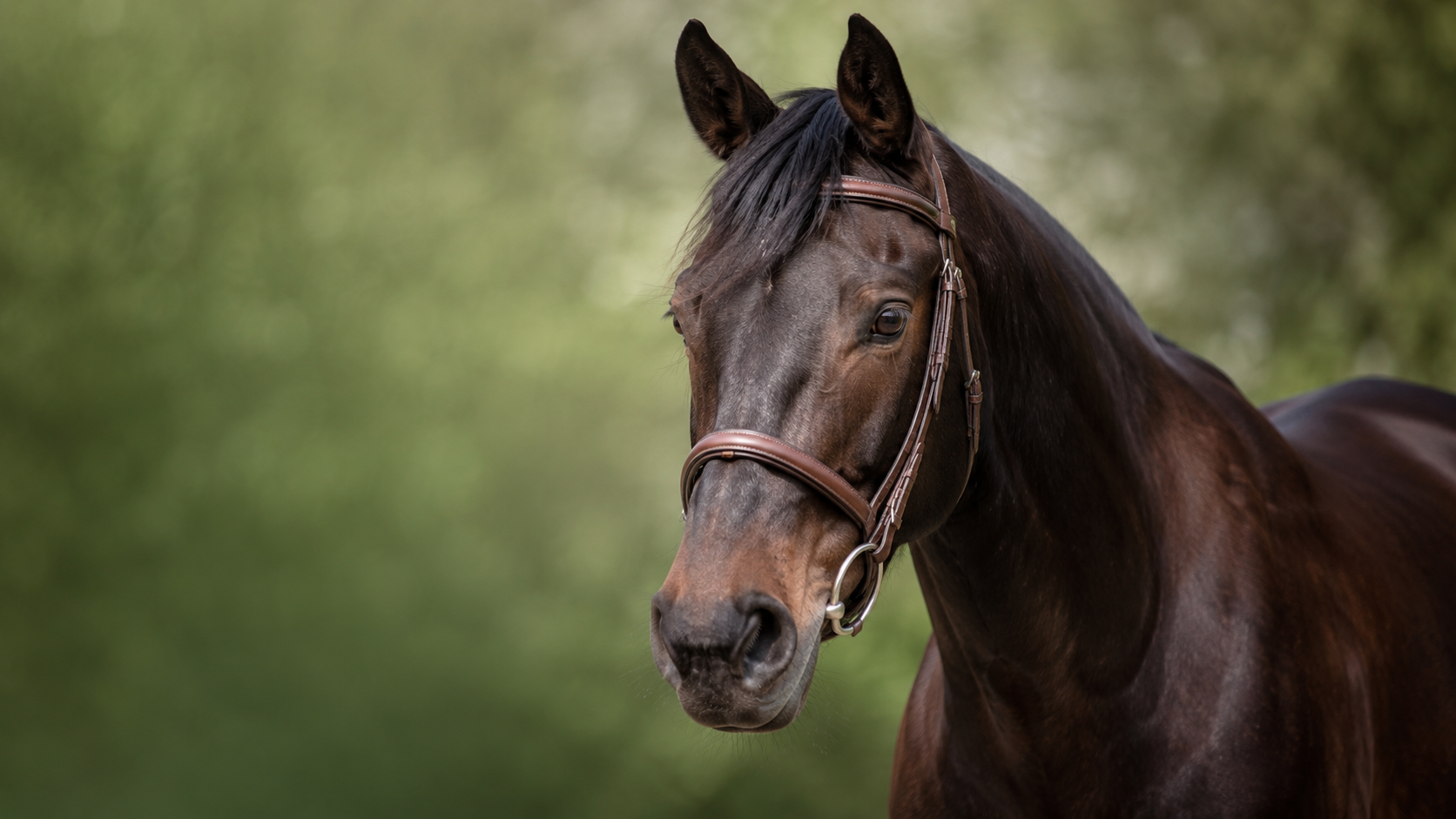
The head is one of its most distinctive features: small, very expressive, with a broad forehead, large dark and expressive eyes, and wide, fine nostrils. The profile is concave (often called 'dished'), and the ears are small, well-shaped, and very mobile.
The neck is long, arched, and well-set, forming an elegant curve. The withers are prominent and fine, blending harmoniously into the back.
The back is short and strong, with a taut topline. The chest is broad and deep, providing good lung capacity. The croup is long, level, and well-muscled, often with a high tail set.
The limbs are fine, clean, and strong, with well-defined joints and clear tendons. The cannons are short, and the hooves are small, hard, and well-formed. Feathering is generally absent or very sparse.
- Common coats: bay, chestnut, grey, black
Temperament and aptitudes
The Arabian temperament is renowned for being intelligent, sensitive, courageous, and willing. It is a horse that forms a close bond with humans, loyal and full of energy, but can be spirited if not properly educated and channeled. It is very versatile and eager to work.
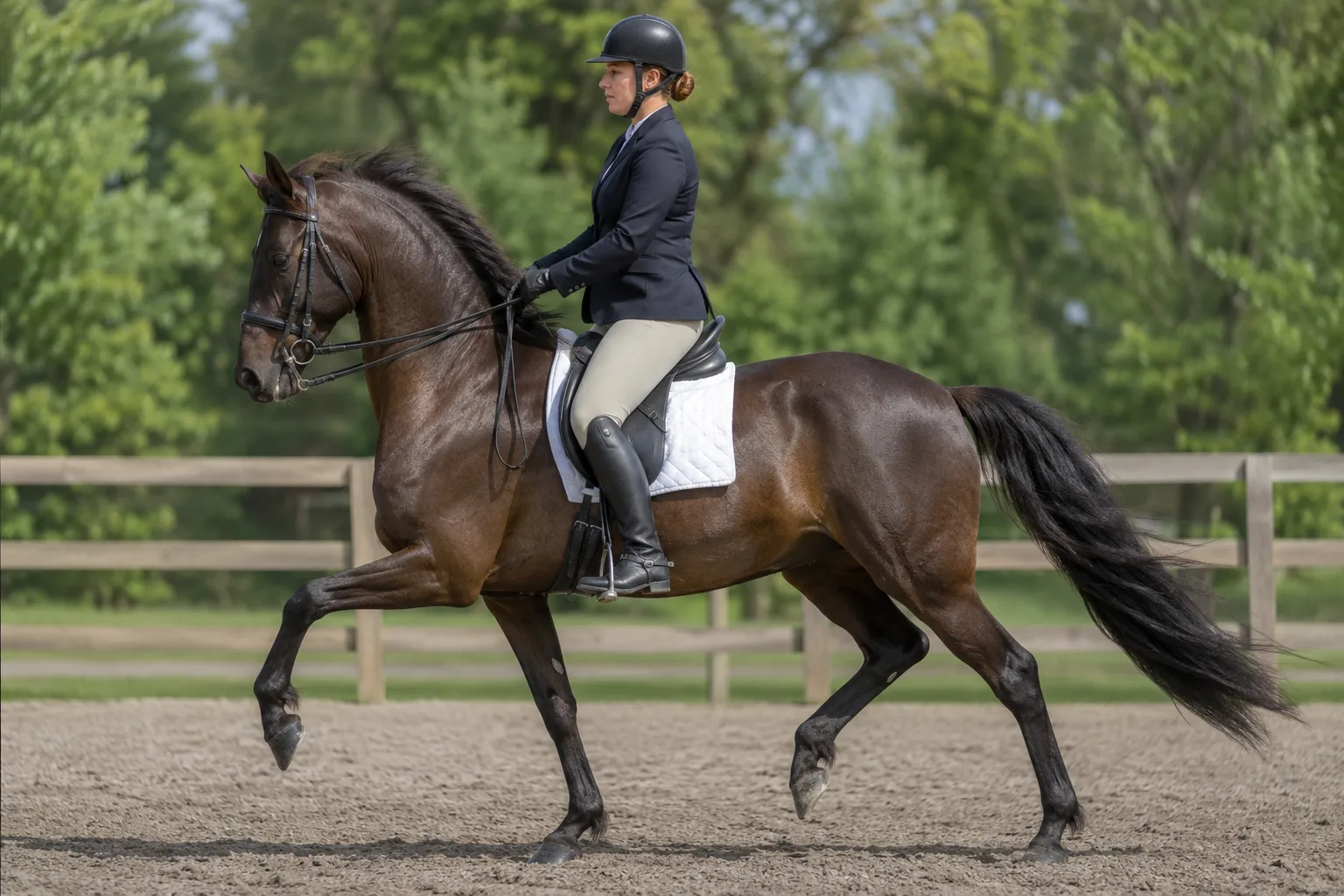
The gaits are light, supple, and airy, with great amplitude and good impulsion. The trot is particularly elevated and elegant, and the canter is fast and enduring.
- Uses: saddle horse, endurance riding, breeding (breed improver), show, leisure
- Disciplines: endurance riding, dressage, show jumping (CSO), TREC, driving, flat racing (for certain bloodlines)
Feeding the Arabian Horse
The Arabian horse has an efficient metabolism, adapted to arid environments. It tends to utilize its feed well and can easily become overweight if overfed or sedentary. A diet based on good quality forage (hay or grass) in sufficient quantity is paramount. Concentrates should be given sparingly and precisely adjusted according to the level of work to avoid excesses.
Due to its efficient metabolism, the Arabian horse can be predisposed to Equine Metabolic Syndrome (EMS) and laminitis if exposed to diets rich in sugars and starch, or if overweight. Careful dietary management is crucial to prevent these conditions.
With Equio, every feed, supplement or treat is read against the horse's real profile (age, weight, Body Condition Score, conditions) — useful for a Arabian Horse as soon as a metabolic or digestive sensitivity is known.
Health and points to watch
Regular weight monitoring is essential to prevent obesity and metabolic risks. Annual dental check-ups are recommended. It is important to ensure good stress management, as their sensitivity can make them more reactive to certain environments.
- Documented genetic disorders: SCID (Severe Combined Immunodeficiency), CA (Cerebellar Abiotrophy), LFS (Lavender Foal Syndrome), OAAM (Multiple Ocular Anterior Anomaly)
- More frequent conditions: dental problems (related to small jaw size), colic susceptibility (related to dietary management)
Care and grooming
Arabian hooves are generally hard and of good quality, requiring regular and appropriate trimming. The mane and tail are often very full and silky, requiring regular detangling. The fine, shiny coat does not require special care beyond daily grooming. Clipping is rarely necessary except for intensive work in winter.
Did you know?
- The Arabian horse typically has 17 ribs, 5 lumbar vertebrae, and 16 caudal vertebrae, which is one less vertebra in each section compared to most other equine breeds.
- The Arabian's tail is often carried very high, almost horizontally, which is considered a sign of nobility and pride.
- The Bedouins considered the Arabian horse a member of the family, sometimes allowing it to sleep inside their tents to protect it from bad weather and theft.
The Arabian Horse and how to track it
The Arabian breed is well represented in France, both in breeding and in use. It is highly valued for equestrian endurance, leisure, and as a breed improver.
Equio lets you build a complete profile for a Arabian Horse: identity, weight, Body Condition Score, feeding, conditions, care reminders (vaccines, worming, trimming) and an exportable health log. The breed sets the identity; everyday decisions still depend on the real horse and your vet's advice.
- Record the activity level: rest, leisure, sport or breeding
- Add known conditions or sensitivities
- Scan feeds, plants and care products
- Keep reminders (vaccines, worming, trimming)
- Prepare a PDF export before a vet appointment
Frequently asked questions
What is the average price of an Arabian horse?
The price of an Arabian horse varies considerably depending on its age, lineage (bloodlines), training level, and aptitudes. A foal can cost from €2,000 to €5,000, while a trained adult horse with good bloodlines can reach €10,000 or more, especially if intended for breeding or competition.
Is the Arabian horse suitable for beginners?
Due to its sensitivity and energy, the Arabian horse is generally not recommended for a complete novice rider. It requires an experienced, gentle, and patient rider capable of understanding its refinement and channeling its temperament. However, a well-schooled Arabian, ridden under good guidance, can be an excellent companion for a progressing rider.
What is the difference between a Purebred Arabian and an Anglo-Arabian?
The Purebred Arabian is a pure breed, with exclusively Arabian origins. The Anglo-Arabian is a cross between a Purebred Arabian and a Thoroughbred, combining the Arabian's endurance and refinement with the Thoroughbred's speed and size. The Anglo-Arabian is generally larger and more geared towards sport disciplines.
Is the Arabian horse resistant to cold?
Although originating from the desert, the Arabian horse has a good ability to adapt to varied climates. Its fine coat can make it more sensitive to damp cold than other hardy breeds, but with adequate shelter and sufficient feed, it tolerates temperate winters well. In cases of intense cold or work, blanketing may be considered.
What are the rarest coat colors in Arabians?
The most common coat colors are bay, chestnut, grey, and black. Rare coat colors include roan (very rare and often confused with grey roan), palomino or cream (only if a dilution gene is introduced through non-pure breeding, which is non-standard for the Purebred Arabian), and sabino (a type of white that can be present but is less common than the basic coat colors).