
Horse breed
Australian Stock Horse
The Australian Stock Horse originated from horses imported to Australia by early settlers, notably Thoroughbreds, Arabians, Cape Horses (South Africa), Timor Ponies, and ponies of various origins. These horses were selected for their robustness and their ability to work cattle across the vast Australian expanses.
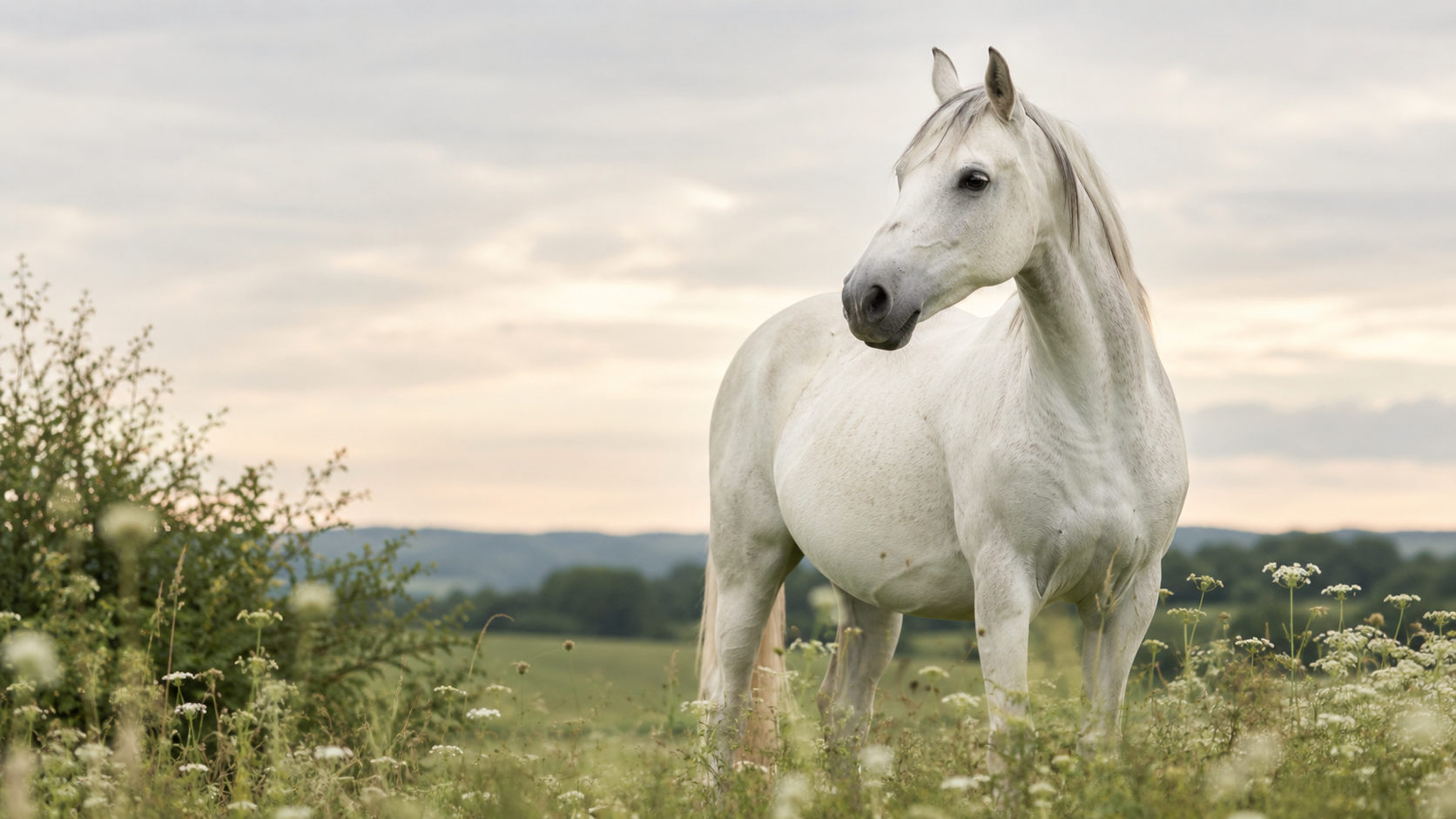
The breed at a glance
The Australian Stock Horse is renowned for its calm, intelligent, and courageous temperament. It is a willing, responsive, and easy-to-train horse, possessing an excellent cattle sense. It is also very enduring and reliable at work.
- Category
- saddle horse
- Origin
- Australia · 19th century
- Height at withers
- 142–163 cm
- Weight
- 400–550 kg
- Lifespan
- 25-30 years
- Common coats
- bay, chestnut, black, grey, palomino, dun
- Disciplines
- campdrafting, cutting, reining, polo
- Other names
- ASH

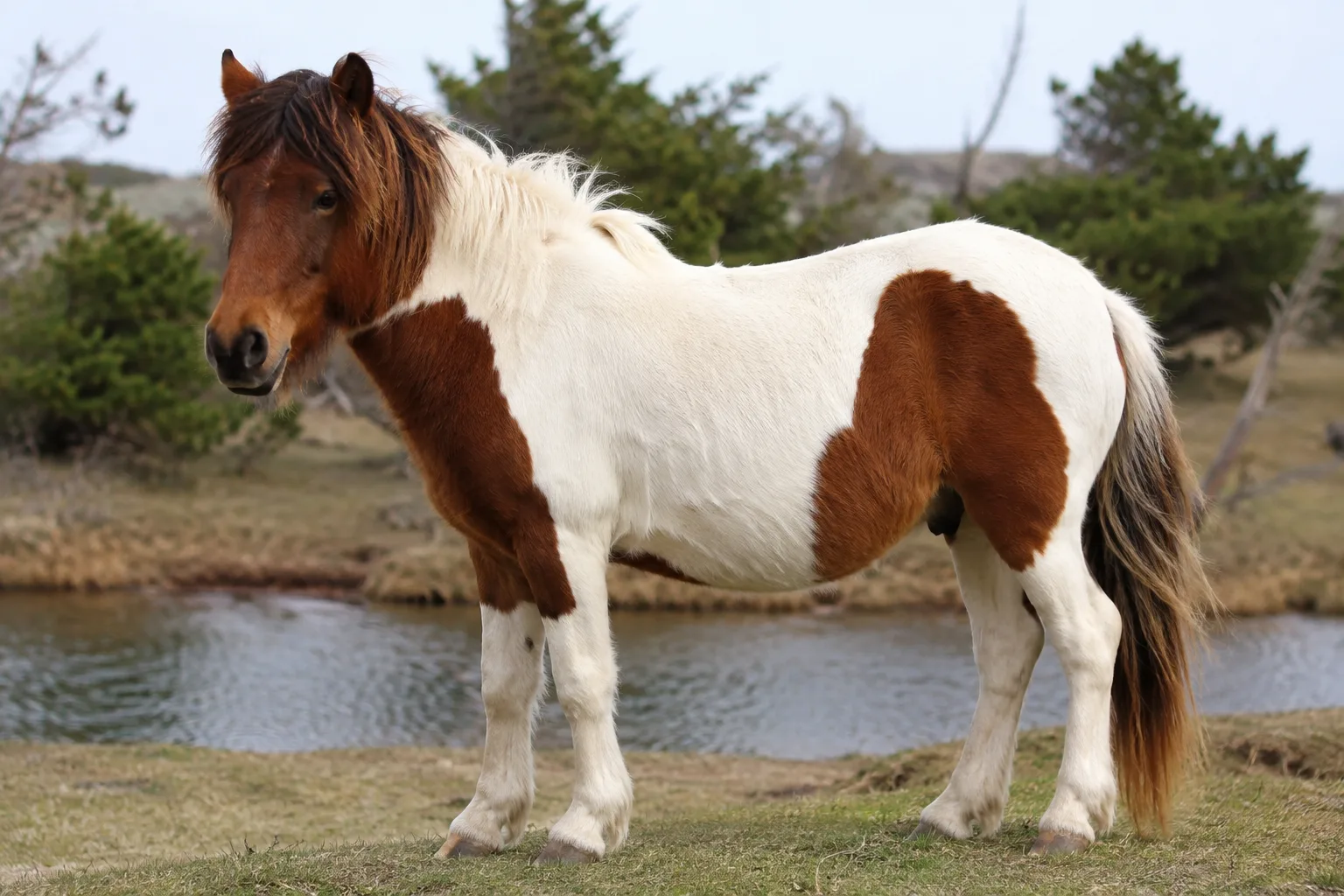
Origin and history
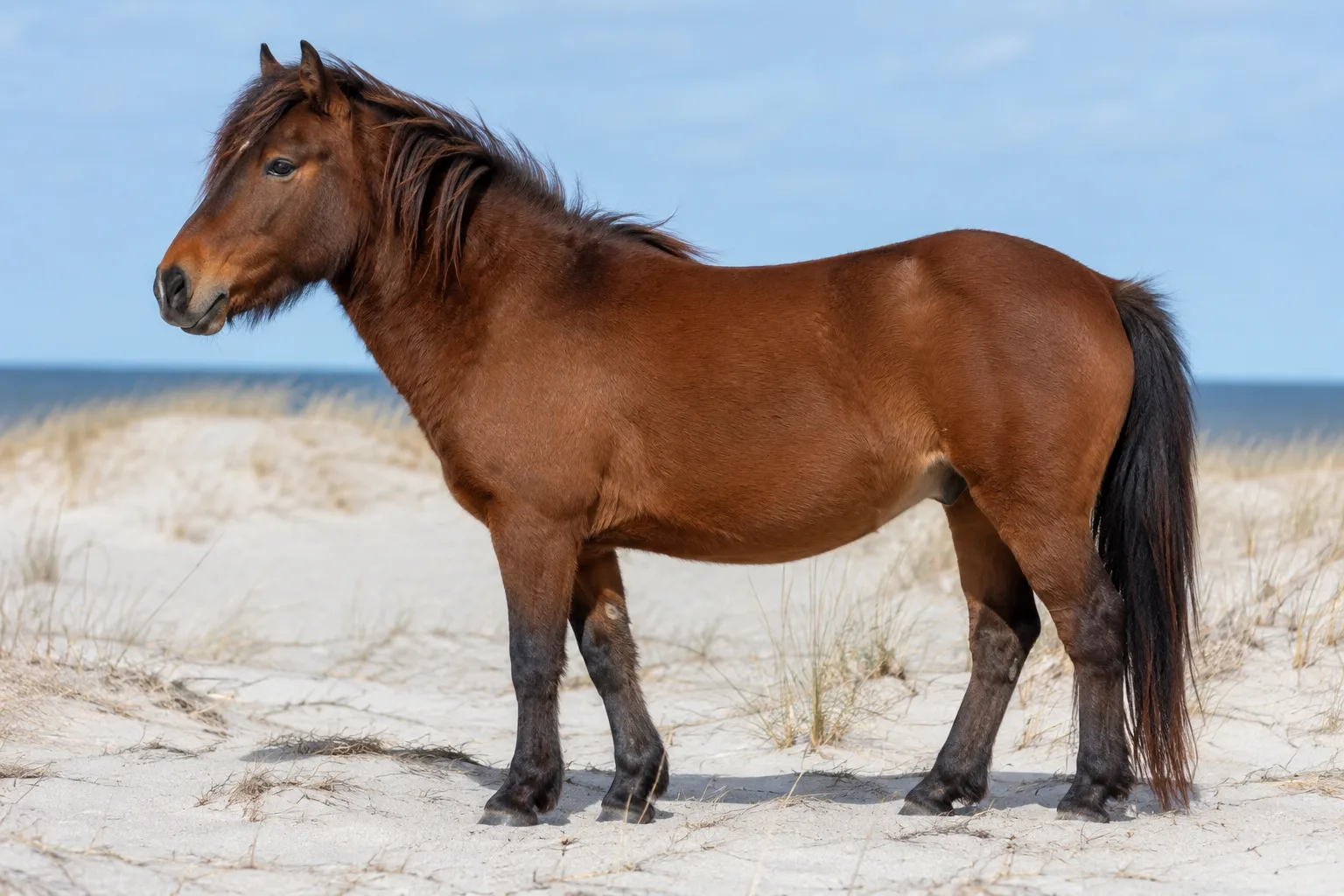
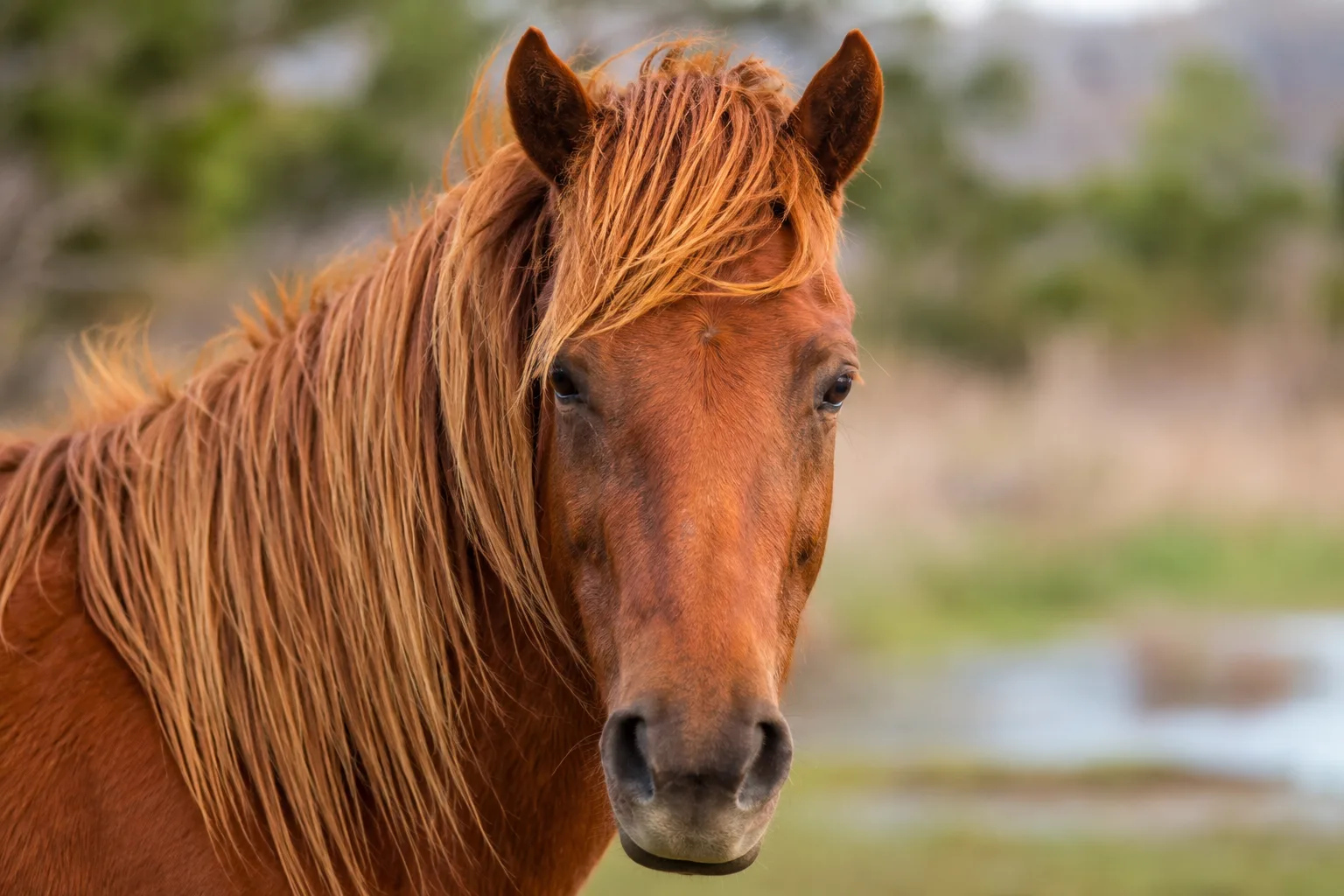
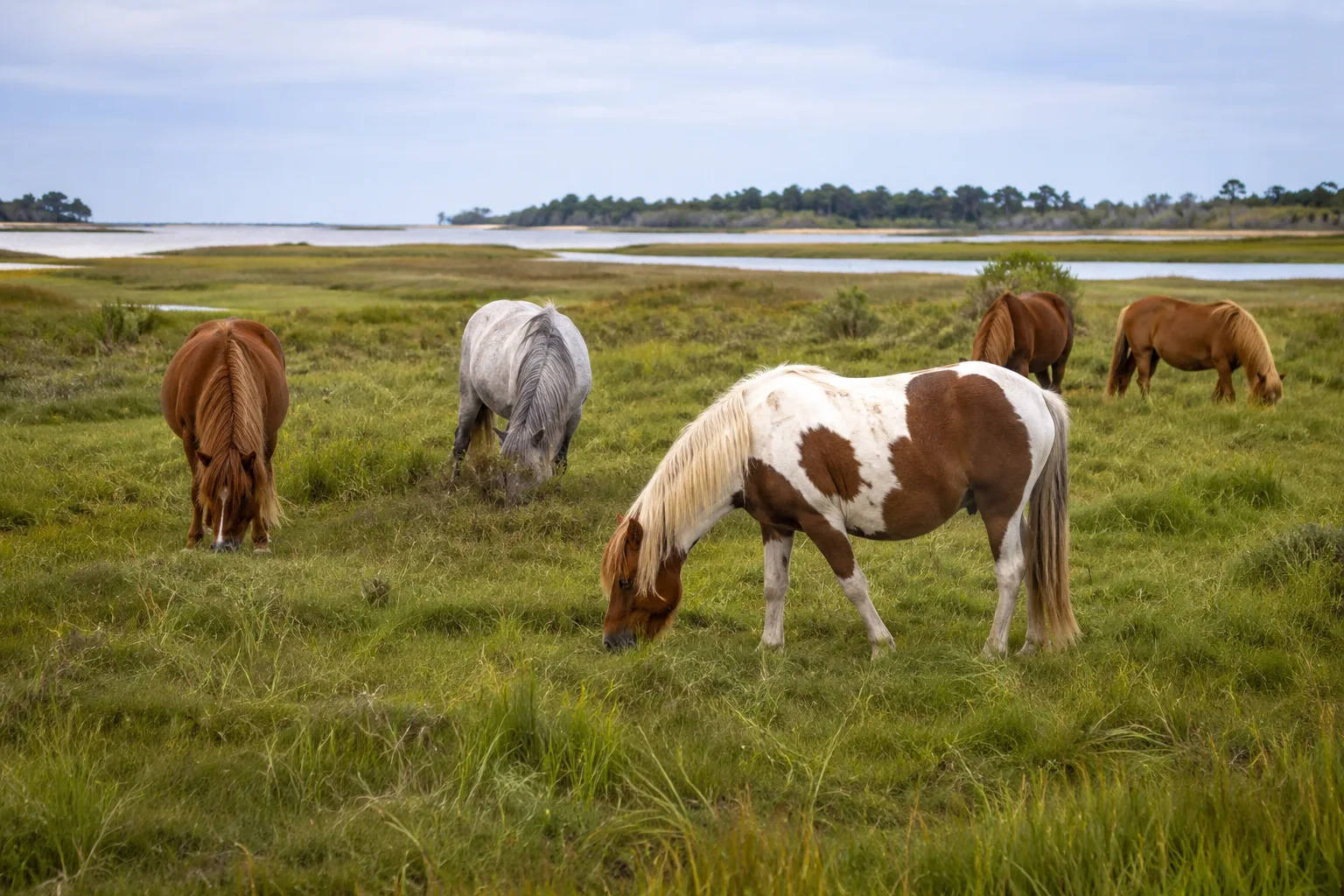
The Australian Stock Horse originated from horses imported to Australia by early settlers, notably Thoroughbreds, Arabians, Cape Horses (South Africa), Timor Ponies, and ponies of various origins. These horses were selected for their robustness and their ability to work cattle across the vast Australian expanses. The breed was officially recognized in 1971 with the establishment of the Australian Stock Horse Society.

Conformation and physique
It is a medium-sized horse, well-proportioned, muscular, and athletic, with strong bone structure. It presents a harmonious silhouette, combining power and agility.
The head is well-proportioned, with a broad forehead, expressive and intelligent eyes, and a straight or slightly concave profile. The nostrils are wide and the ears are medium-sized and well-set.
The neck is medium in length, well-muscled, and well-set, tapering towards the head. The withers are well-defined and muscular, blending harmoniously into the back.
The back is short, strong, and well-muscled, with a solid topline. The chest is deep and broad, providing good lung capacity. The croup is powerful, well-muscled, and slightly sloped.
The limbs are strong, with large and well-defined joints. The cannons are short and the tendons are clean and well-defined. The hooves are hard and well-formed, adapted to varied terrains. Feathering is generally sparse.
- Common coats: bay, chestnut, black, grey, palomino, dun
Temperament and aptitudes
The Australian Stock Horse is renowned for its calm, intelligent, and courageous temperament. It is a willing, responsive, and easy-to-train horse, possessing an excellent cattle sense. It is also very enduring and reliable at work.
The gaits are supple, energetic, and regular, with good amplitude. The walk is active, the trot is free-moving, and the canter is balanced and powerful, allowing for covering long distances.
- Uses: cattle work (stock work), trail riding, recreational riding, hunting, driving
- Disciplines: campdrafting, cutting, reining, polo, dressage, show jumping, endurance riding, eventing
Feeding the Australian Stock Horse
The Australian Stock Horse has a rather efficient metabolism, capable of thriving on medium-quality forage. It tends to maintain its weight easily. A diet based on good quality forage (hay or grass) is essential. Concentrates are only necessary in cases of intense work or specific needs (growth, reproduction), ensuring a balanced intake of energy and protein.
Although generally robust, like many hardy breeds, the Australian Stock Horse can be prone to obesity if overfed or lacking exercise, which can increase the risk of laminitis or Equine Metabolic Syndrome (EMS). It is important to monitor their weight and adjust their diet accordingly.
With Equio, every feed, supplement or treat is read against the horse's real profile (age, weight, Body Condition Score, conditions) — useful for a Australian Stock Horse as soon as a metabolic or digestive sensitivity is known.

Health and points to watch
Particular attention should be paid to limb and hoof health, given the intensity of their use. Regular dental checks and rigorous parasite management are also essential for maintaining good general health.
- More frequent conditions: locomotor conditions related to work intensity (osteoarthritis, tendinitis), dental problems
Care and grooming
The care of the Australian Stock Horse is relatively simple. Their hard, resilient hooves require regular trimming. The mane and tail are generally left natural. The coat is easy to maintain, and clipping is only necessary for sport horses in competition or in cases of intense work in hot weather. Skin monitoring is recommended, especially in humid climates.
Did you know?
- The Australian Stock Horse is often called the 'Australian cowboy horse' due to its central role in the cattle industry.
- It is renowned for its innate 'cattle sense', a natural ability to work cattle with intelligence and agility.
- An Australian Stock Horse was the mount for the Australian polo team at the 1956 Olympic Games in Melbourne.
The Australian Stock Horse and how to track it
The Australian Stock Horse breed is not widely represented in France. A few individuals may be present, imported for Western riding or leisure, but there is no significant breeding or specific registry in France.
Equio lets you build a complete profile for a Australian Stock Horse: identity, weight, Body Condition Score, feeding, conditions, care reminders (vaccines, worming, trimming) and an exportable health log. The breed sets the identity; everyday decisions still depend on the real horse and your vet's advice.
- Record the activity level: rest, leisure, sport or breeding
- Add known conditions or sensitivities
- Scan feeds, plants and care products
- Keep reminders (vaccines, worming, trimming)
- Prepare a PDF export before a vet appointment
Frequently asked questions
Is the Australian Stock Horse suitable for beginners?
Yes, thanks to its calm, intelligent, and willing temperament, the Australian Stock Horse can be an excellent mount for beginner or intermediate riders, provided it is well-trained and supervised.
What is the difference between an Australian Stock Horse and a Quarter Horse?
While both breeds are excellent for cattle work, the Australian Stock Horse is generally finer and more athletic, with greater endurance for long distances, whereas the Quarter Horse is more muscular and powerful, excelling over short distances and in speed disciplines.
What is the average price of an Australian Stock Horse?
The price of an Australian Stock Horse can vary considerably depending on its age, level of training, lineage, and abilities. In Australia, prices can range from a few thousand to tens of thousands of Australian dollars for high-level competition horses. In France, their rarity can drive prices higher.
Is the Australian Stock Horse a good family horse?
Absolutely. Its balanced temperament, versatility, and reliability make it an excellent family horse, capable of adapting to various activities, from trail riding to light work, and being ridden by different family members.
What are the main qualities of the Australian Stock Horse?
The main qualities of the Australian Stock Horse are its intelligence, courage, endurance, versatility, agility, and excellent temperament. It is also renowned for its 'cattle sense' and its ability to work in challenging conditions.