
Horse breed
Ljutomer Trotter
The Ljutomer Trotter originates from the Ljutomer region in Slovenia. It was developed from crosses between local mares and imported stallions, primarily Orlov Trotters, American Trotters, and Nonius horses.

The breed at a glance
It is a horse with a lively and energetic temperament, but generally docile and willing. It is intelligent, courageous, and possesses a good capacity for learning, making it a pleasant partner to work with.
- Category
- sport horse
- Origin
- Slovenia · Late 19th century
- Height at withers
- 150–165 cm
- Weight
- 450–550 kg
- Lifespan
- 20-25 years
- Common coats
- bay, chestnut, black, grey
- Disciplines
- Harness Trotting, Mounted Trotting, Dressage (recreational), Show Jumping (recreational)
- Other names
- Ljutomerski Kasac
Origin and history
The Ljutomer Trotter originates from the Ljutomer region in Slovenia. It was developed from crosses between local mares and imported stallions, primarily Orlov Trotters, American Trotters, and Nonius horses. The objective was to create a versatile horse, fast at the trot and suitable for light agricultural work as well as transport. The breed was officially recognized at the beginning of the 20th century and has become a symbol of the region.
Conformation and physique
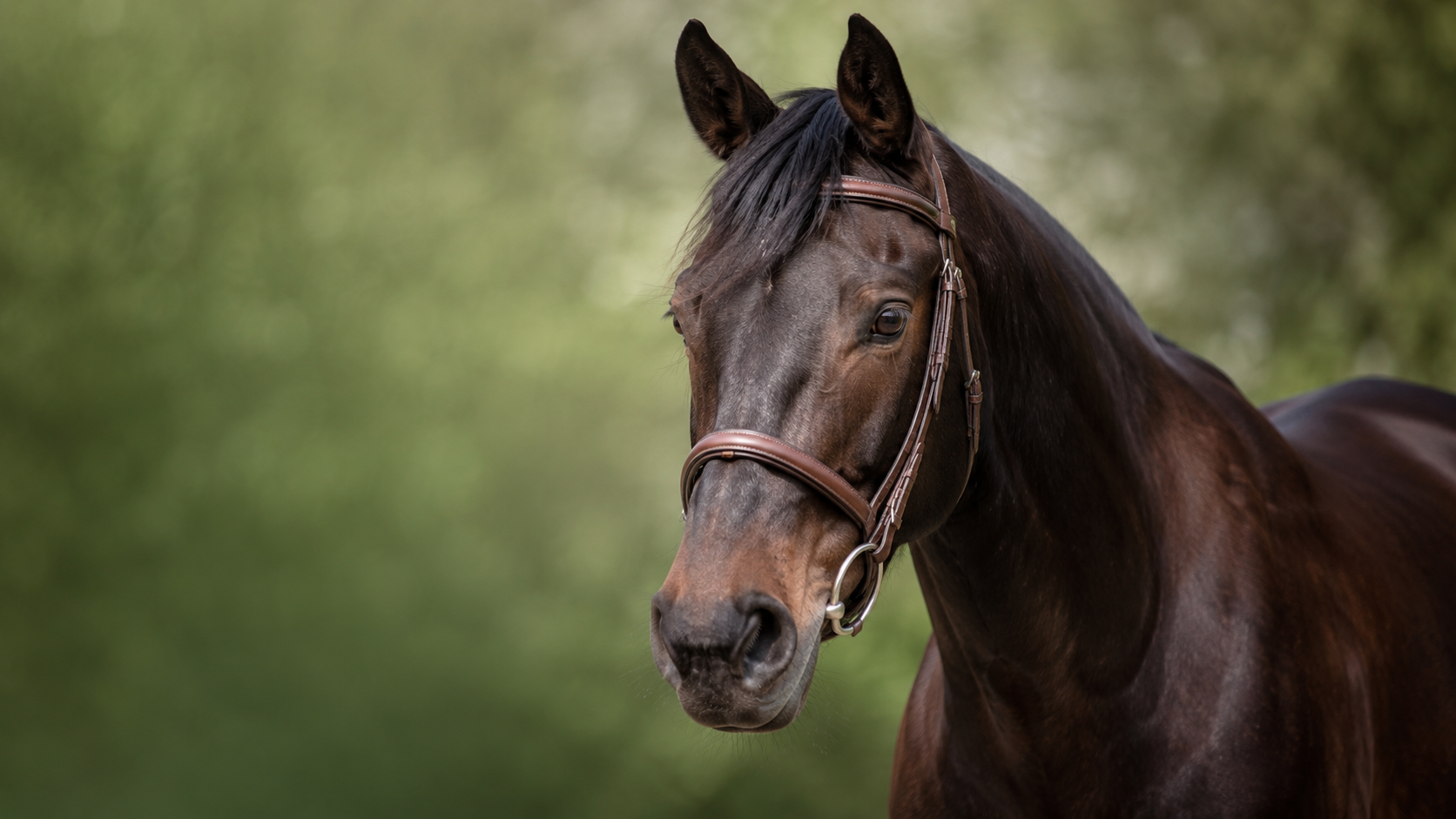
It is a medium-sized horse, athletic and well-proportioned, with a solid bone structure but without excessive heaviness. Its silhouette is that of a trotter, elegant and powerful, adapted for speed and endurance.
The head is medium-sized, well-set, with a straight or slightly convex profile. The eyes are large and expressive, the ears medium-sized and well-placed.
The neck is long, muscular, and well-arched, blending harmoniously into a well-defined and extended wither.
The back is straight and strong, the topline is harmonious. The chest is deep and wide, ensuring good lung capacity. The croup is long, muscular, and slightly sloped.
The limbs are clean, strong, and well-muscled, with large and healthy joints. The tendons are well-defined. Feathering is generally sparse.
- Common coats: bay, chestnut, black, grey
Temperament and aptitudes
It is a horse with a lively and energetic temperament, but generally docile and willing. It is intelligent, courageous, and possesses a good capacity for learning, making it a pleasant partner to work with.
The Ljutomer Trotter is renowned for its fast, regular, and extended trot, characteristic of trotting racehorses. Its gaits are supple and energetic, with good impulsion.
- Uses: harness racing, mounted trotting races, versatile riding horse, leisure driving, light agricultural work (historical)
- Disciplines: Harness Trotting, Mounted Trotting, Dressage (recreational), Show Jumping (recreational), Trail riding
Feeding the Ljutomer Trotter
As a sport horse, the Ljutomer Trotter has a demanding athlete's metabolism. Its diet must be rich in energy, with a sufficient intake of quality protein to maintain muscle mass. Good quality forage in sufficient quantity is essential, supplemented by concentrates adapted to its activity level. It is not particularly prone to obesity if worked regularly.
There are no documented specific predispositions to particular food sensitivities or metabolic risks (such as laminitis or EMS) for the Ljutomer Trotter breed. However, like any sport horse, a balanced and appropriate diet is crucial to prevent general digestive and metabolic disorders.
With Equio, every feed, supplement or treat is read against the horse's real profile (age, weight, Body Condition Score, conditions) — useful for a Ljutomer Trotter as soon as a metabolic or digestive sensitivity is known.

Health and points to watch
Particular attention must be paid to the musculoskeletal system due to its athletic use. Regular veterinary follow-up, preventive examinations, and rigorous training management are essential to prevent injuries. Digestive health must also be monitored, especially in horses subjected to competition stress.
- More frequent conditions: locomotor affections related to intensive training (tendinitis, osteoarthritis), gastric ulcers (in racehorses)
Care and grooming
The care of the Ljutomer Trotter is standard for a sport horse. Regular hoof trimming is crucial to maintain balance and prevent locomotor problems. The mane, tail, and coat require daily brushing to maintain their cleanliness and shine. Clipping may be necessary in winter for horses in intense work.
Did you know?
- The Ljutomer Trotter is considered a national treasure in Slovenia and is subject to conservation programs.
- The town of Ljutomer organizes traditional trotting races featuring this breed every year.
- Although primarily known for trotting, the Ljutomer Trotter is also valued for its versatility under saddle.
The Ljutomer Trotter and how to track it
The Ljutomer Trotter breed is very rare in France, where breeding is almost non-existent. A few individuals may be imported for sport or leisure, but it remains a niche breed in French territory.
Equio lets you build a complete profile for a Ljutomer Trotter: identity, weight, Body Condition Score, feeding, conditions, care reminders (vaccines, worming, trimming) and an exportable health log. The breed sets the identity; everyday decisions still depend on the real horse and your vet's advice.
- Record the activity level: rest, leisure, sport or breeding
- Add known conditions or sensitivities
- Scan feeds, plants and care products
- Keep reminders (vaccines, worming, trimming)
- Prepare a PDF export before a vet appointment
Frequently asked questions
Is the Ljutomer Trotter suitable for beginners?
Due to its lively temperament and energy, the Ljutomer Trotter is generally more suited to riders with some experience. However, with good guidance, an individual with a calmer disposition may be suitable for a motivated beginner.
What is the acquisition cost of a Ljutomer Trotter?
The cost can vary considerably depending on the horse's age, pedigree, performance, and level of training. In Slovenia, prices may be moderate, but importing to France would incur significant additional costs.
Can the Ljutomer Trotter do show jumping?
Yes, although its preferred discipline is trotting, the Ljutomer Trotter is an athletic and versatile horse that can certainly practice show jumping at a recreational or amateur level, thanks to its strength and agility.
How to care for a Ljutomer Trotter's feet?
The Ljutomer Trotter's feet are generally strong. Regular trimming every 6 to 8 weeks is essential. Depending on use and terrain, shoeing may be necessary, especially for racehorses or those in intense work.
Is it a hardy breed?
Although it has local origins, the Ljutomer Trotter is primarily a sport horse selected for its performance. It is not considered a hardy breed in the same way as some mountain breeds, and requires care and feeding adapted to its athlete status.