
Horse breed
Nonius
The Nonius breed was developed at the Mezőhegyes stud farm in Hungary, originating from an Anglo-Norman stallion named Nonius, born in France in 1810. This stallion, of uncertain ancestry but likely with Norfolk Roadster and Thoroughbred blood, was crossed with local mares, Lipizzans, Thoroughbreds, and Arabians.
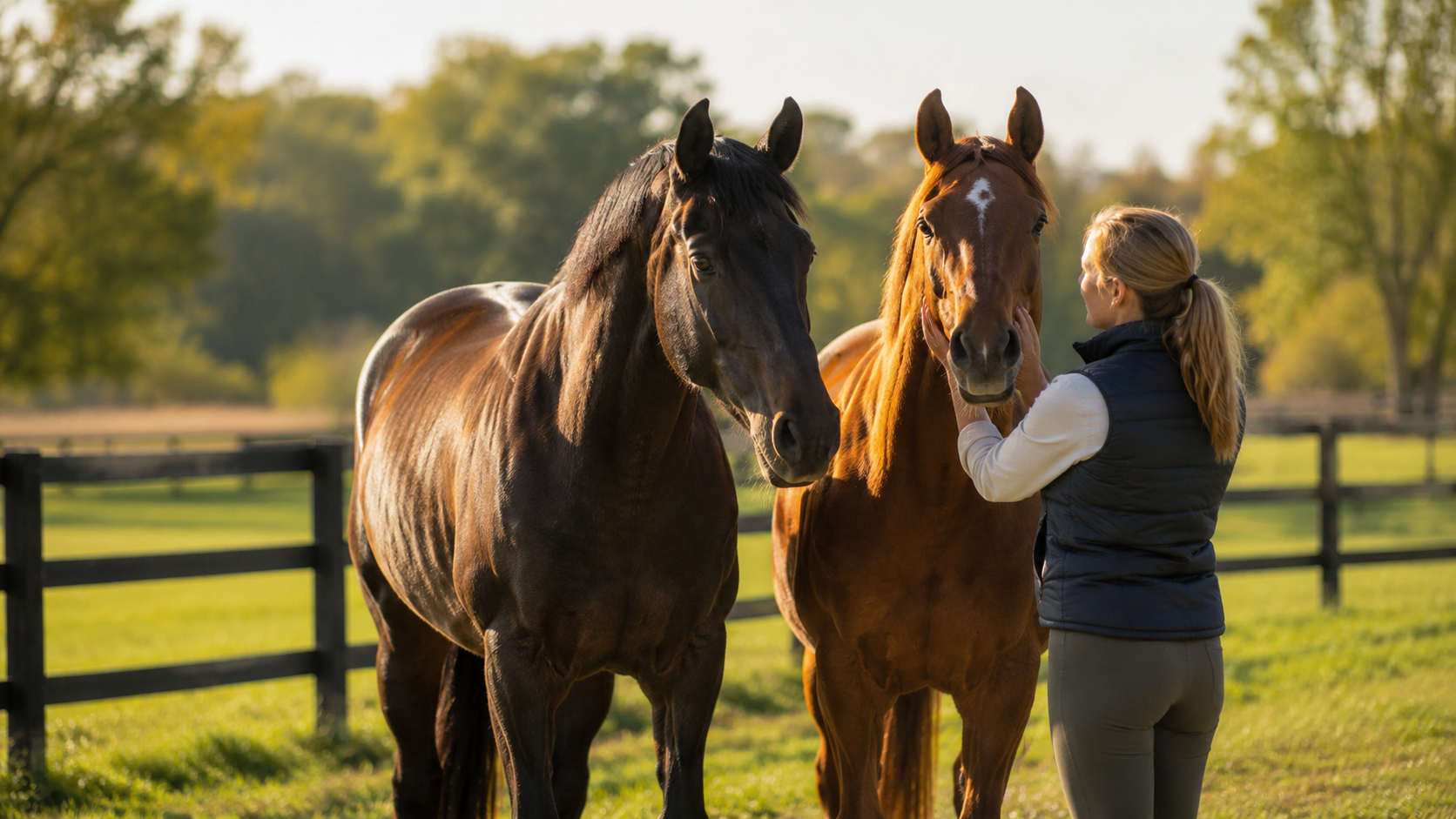
The breed at a glance
The Nonius is renowned for its calm, docile, and willing temperament. It is intelligent, easy to train, and very cooperative, making it an excellent partner for work and driving. Its robustness and patience are highly valued.
- Category
- saddle horse
- Origin
- Hungary · Early 19th century
- Height at withers
- 155–165 cm
- Weight
- 500–650 kg
- Lifespan
- 20-25 years
- Common coats
- black, dark bay
- Disciplines
- competition driving, working equitation, dressage (leisure)
- Other names
- Noniusz
Origin and history
The Nonius breed was developed at the Mezőhegyes stud farm in Hungary, originating from an Anglo-Norman stallion named Nonius, born in France in 1810. This stallion, of uncertain ancestry but likely with Norfolk Roadster and Thoroughbred blood, was crossed with local mares, Lipizzans, Thoroughbreds, and Arabians. The breed was officially recognized and its studbook established in the mid-19th century, becoming a versatile agricultural and military working horse.

Conformation and physique
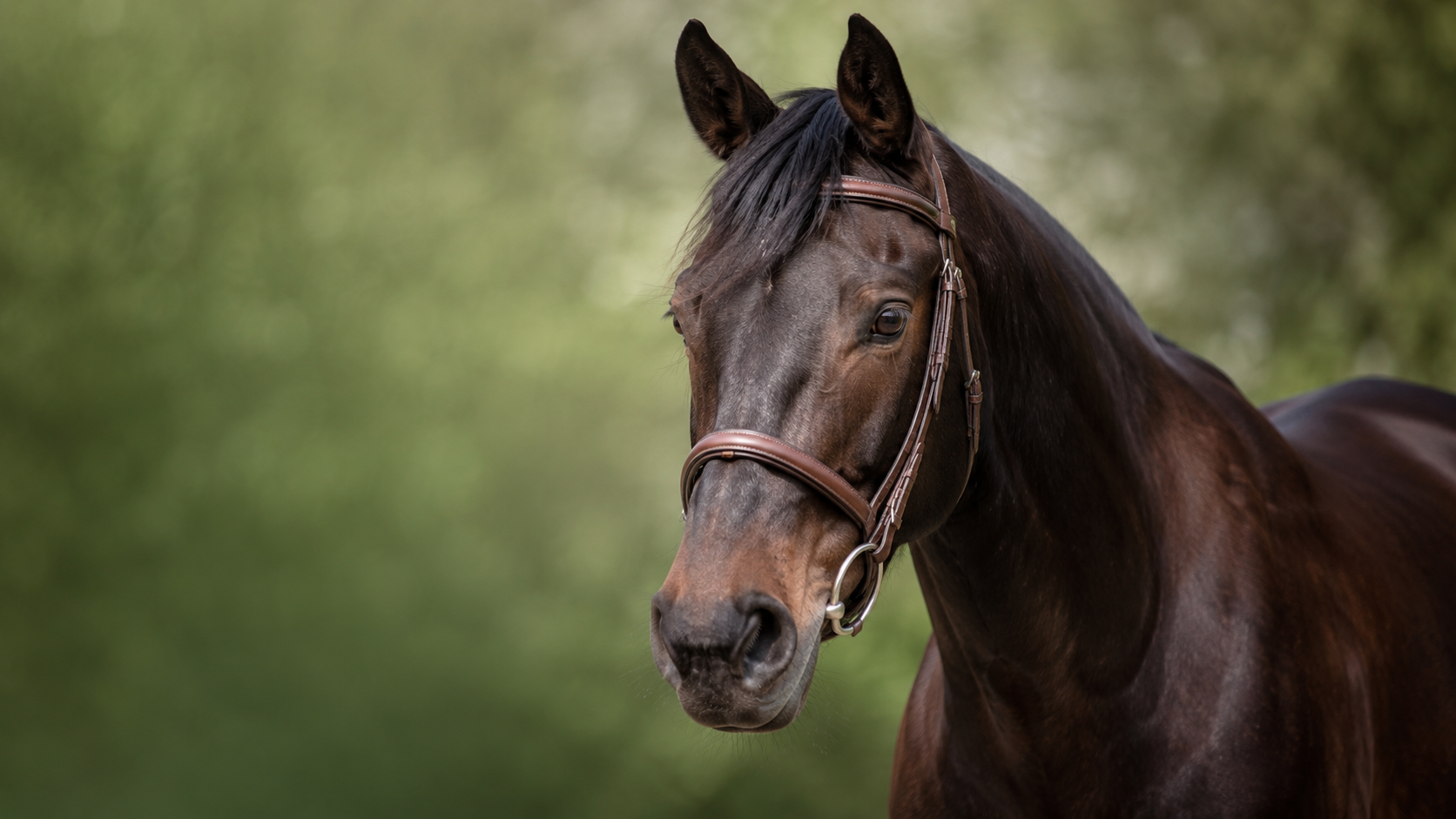
The Nonius is a medium to large-sized horse, with a powerful and harmonious silhouette. It exhibits a solid bone structure and well-developed musculature, typical of a robust yet elegant working horse.
The head is often large and expressive, with a slightly convex profile (ram's head) which is a distinctive characteristic of the breed. The eyes are large and lively, and the ears are medium-sized.
The neck is strong, well-muscled, and arched, blending harmoniously into a well-defined and long wither.
The back is broad and strong, and the topline is straight and muscular. The chest is deep and wide, and the hindquarters are powerful, often slightly sloped and well-muscled.
The limbs are solid, with large and well-defined joints. The cannons are short and strong, and the hooves are hard and well-formed. Feathering is generally sparse.
- Common coats: black, dark bay
Temperament and aptitudes
The Nonius is renowned for its calm, docile, and willing temperament. It is intelligent, easy to train, and very cooperative, making it an excellent partner for work and driving. Its robustness and patience are highly valued.
The Nonius's gaits are expansive, energetic, and regular, with good impulsion. They are characterized by their straightforwardness and ability to cover ground, suitable for agricultural work and driving.
- Uses: heavy and light driving, agricultural work, recreational riding, military saddle horse (historical), sport horse breeding (crosses)
- Disciplines: competition driving, working equitation, dressage (leisure)
Feeding the Nonius
The Nonius is a horse with a rather efficient metabolism, capable of effectively utilizing forage. It is not particularly prone to obesity if kept active. A diet based on good quality forage (hay or grass) is generally sufficient. Concentrates can be added depending on the intensity of work, but in moderation to avoid excesses.
The Nonius breed has no documented predispositions to specific dietary sensitivities such as laminitis, Equine Metabolic Syndrome (EMS), or PSSM. However, like any horse, a balanced diet adapted to its activity level is essential to prevent these conditions.
With Equio, every feed, supplement or treat is read against the horse's real profile (age, weight, Body Condition Score, conditions) — useful for a Nonius as soon as a metabolic or digestive sensitivity is known.
Health and points to watch
Due to its historical use in driving and work, particular attention should be paid to the Nonius's joint and hoof health. Regular dental check-ups are also important, especially with age, to ensure proper chewing and digestion.
- More frequent conditions: age and work-related joint conditions (osteoarthritis)
Care and grooming
The Nonius, being a hardy horse, does not require specific care beyond routine maintenance. Regular hoof trimming is essential to maintain their integrity. The mane, tail, and coat require regular brushing. Clipping is generally not necessary except for sport horses or in cases of intense work in winter.
Did you know?
- The foundation stallion, Nonius Senior, was renowned for his ugliness upon his arrival at Mezőhegyes, but he passed on exceptional qualities to his offspring.
- There are two types of Nonius: the Grand Nonius (Nagy Nonius) and the Small Nonius (Kis Nonius), differentiated by their size and weight, with the Grand being more geared towards heavy driving.
- The Nonius played a crucial role in the development of other Hungarian and Eastern European breeds.
The Nonius and how to track it
The Nonius breed is very rare in France, where it is not significantly bred. A few individuals may be present, often imported for leisure or competition driving.
Equio lets you build a complete profile for a Nonius: identity, weight, Body Condition Score, feeding, conditions, care reminders (vaccines, worming, trimming) and an exportable health log. The breed sets the identity; everyday decisions still depend on the real horse and your vet's advice.
- Record the activity level: rest, leisure, sport or breeding
- Add known conditions or sensitivities
- Scan feeds, plants and care products
- Keep reminders (vaccines, worming, trimming)
- Prepare a PDF export before a vet appointment
Frequently asked questions
Is the Nonius a good horse for beginners?
Yes, thanks to its calm, docile temperament and willingness to cooperate, the Nonius can be an excellent horse for beginner riders or those seeking a reliable and safe partner, particularly for driving or leisure riding.
What is the main use of the Nonius today?
Today, the Nonius is primarily used for driving, whether for leisure, competition, or light agricultural work. It is also valued as a versatile riding horse for leisure and working riding.
Is the Nonius easy to find outside of Hungary?
The Nonius is a relatively rare breed outside of Hungary and neighboring countries. It can be difficult to find breeders or horses for sale in other regions, including France.
Is the convex head profile always present in the Nonius?
The convex profile, or ram's head, is a typical and often sought-after characteristic in the Nonius, inherited from the foundation stallion. Although it can vary in intensity, it is generally present and forms part of the breed's visual identity.
Is the Nonius adapted to cold climates?
Yes, the Nonius is a hardy breed originating from Central Europe, accustomed to climatic variations. Its robust constitution and dense winter coat allow it to adapt well to cold climates, provided it has adequate shelter.