
Horse breed
Dutch Draft
The Dutch Draft was developed from crosses between heavy local mares and Belgian (Brabant) and Ardennes stallions. The goal was to create a powerful and docile draft horse, suited for heavy agricultural work on the clay soils of the Netherlands.
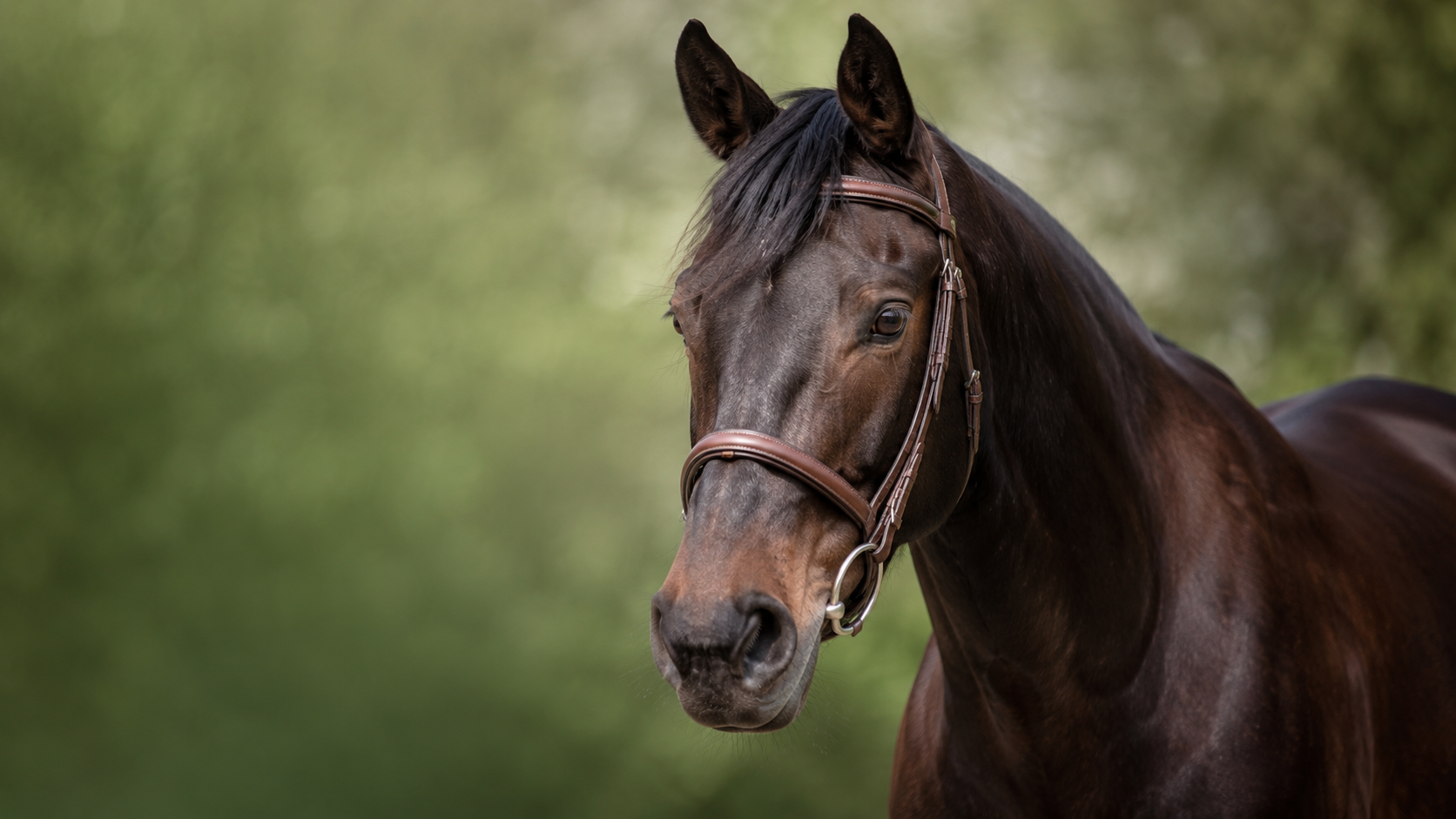
The breed at a glance
The Dutch Draft is renowned for its calm, gentle, and docile temperament. It is very willing to work, patient, and easy to handle, making it an excellent working horse and a pleasant companion.
- Category
- draft horse
- Origin
- Netherlands · Late 19th century - early 20th century
- Height at withers
- 160–170 cm
- Weight
- 700–900 kg
- Lifespan
- 20-25 years
- Common coats
- chestnut, bay, grey, black
- Disciplines
- Traditional driving, Competitive driving (marathon, cones), Logging
- Other names
- Dutch Draft, Nederlands Trekpaard
Origin and history
The Dutch Draft was developed from crosses between heavy local mares and Belgian (Brabant) and Ardennes stallions. The goal was to create a powerful and docile draft horse, suited for heavy agricultural work on the clay soils of the Netherlands. The breed was officially recognized and a studbook was established at the beginning of the 20th century. It played a crucial role in Dutch agriculture before mechanization.

Conformation and physique
It is a heavy, powerful, and compact draft horse, with strong bone structure and highly developed musculature. It has a square build and a massive silhouette, typical of European draft horses.
The head is medium to large, with a straight or slightly convex (Roman) profile. The eyes are expressive and the ears are medium-sized.
The neck is short, thick, and very muscular, well-set into the withers. The withers are broad and not very prominent, blending smoothly into the back.
The back is short, broad, and very muscular, with a strong topline. The chest is deep and wide, and the ribs are well-sprung. The croup is double, very muscular, and slightly sloped.
The limbs are short, strong, and very muscular, with large, solid joints. The cannons are short and thick. The feathering is abundant and thick, covering the pasterns. The hooves are large and well-formed.
- Common coats: chestnut, bay, grey, black
Temperament and aptitudes
The Dutch Draft is renowned for its calm, gentle, and docile temperament. It is very willing to work, patient, and easy to handle, making it an excellent working horse and a pleasant companion.
The gaits are ample, powerful, and energetic, with good hindquarter engagement. The walk is regular, and the trot is heavy but efficient, suited for pulling.
- Uses: Heavy agricultural work (historical), Forest skidding, Recreational and competitive driving, Urban and advertising hauling, Recreational riding (for experienced riders)
- Disciplines: Traditional driving, Competitive driving (marathon, cones), Logging
Feeding the Dutch Draft
The Dutch Draft is a horse with a rather economical metabolism, capable of efficiently utilizing forage. It tends to gain weight if not worked sufficiently or if its diet is too rich. A diet based on good quality forage (hay or grass) in sufficient quantity is paramount. Concentrates are only necessary in cases of intense work or to compensate for a deficiency, and should be given sparingly to avoid excess weight.
Like many draft horses, the Dutch Draft can be predisposed to laminitis in cases of overfeeding or excessive consumption of sugars and starch. Careful monitoring of its weight and rigorous management of its diet are essential to prevent Equine Metabolic Syndrome (EMS) and obesity.
With Equio, every feed, supplement or treat is read against the horse's real profile (age, weight, Body Condition Score, conditions) — useful for a Dutch Draft as soon as a metabolic or digestive sensitivity is known.
Health and points to watch
Particular attention must be paid to weight management to prevent laminitis and joint problems. Monitoring the lower limbs is crucial for early detection of signs of chronic progressive lymphedema, a common condition in heavily feathered horses. Regular dental care is also important.
- More frequent conditions: Chronic Progressive Lymphedema (CPL), Joint problems related to weight and conformation, Laminitis, Recurrent Summer Dermatitis (RSD)
Care and grooming
Abundant feathering requires regular maintenance to prevent mud accumulation and the onset of mud fever or dermatitis. Daily brushing and thorough drying after work or rain are recommended. The hooves, which are wide and strong, require regular trimming adapted to their size and conformation. The thick coat may necessitate clipping in winter if the horse works intensely, to facilitate drying and prevent chills.
Did you know?
- The Dutch Draft is one of the heaviest draft horse breeds in Europe.
- It is often used in parades and historical events in the Netherlands due to its imposing appearance and calm temperament.
- The breed nearly disappeared after World War II with the mechanization of agriculture but was saved by dedicated breeders.
The Dutch Draft and how to track it
The breed is not widely represented in France, where French draft breeds are preferred. A few passionate breeders may import them for recreational driving or logging, but there is no significant breeding population.
Equio lets you build a complete profile for a Dutch Draft: identity, weight, Body Condition Score, feeding, conditions, care reminders (vaccines, worming, trimming) and an exportable health log. The breed sets the identity; everyday decisions still depend on the real horse and your vet's advice.
- Record the activity level: rest, leisure, sport or breeding
- Add known conditions or sensitivities
- Scan feeds, plants and care products
- Keep reminders (vaccines, worming, trimming)
- Prepare a PDF export before a vet appointment
Frequently asked questions
Is the Dutch Draft suitable for beginners?
Thanks to its calm and docile temperament, the Dutch Draft can be a good horse for beginner riders or those with little driving experience, provided they are well-supervised. However, its size and strength demand respect and appropriate handling.
What is the cost of maintaining a Dutch Draft?
The cost of upkeep is comparable to that of other draft horses. It requires large quantities of forage but is generally economical with concentrates. Veterinary and farriery costs are similar, with particular attention to feather and limb care.
Can you ride a Dutch Draft?
Yes, it is absolutely possible to ride a Dutch Draft. Although not a typical saddle horse, its wide back and placid temperament make it an excellent trail or trekking horse for riders of all levels, including heavier riders.
Is the Dutch Draft an endangered breed?
Although its population significantly decreased after mechanization, the Dutch Draft is not considered a critically endangered breed. Conservation efforts are underway in the Netherlands to maintain the breed and promote its current uses.
What are the main differences with the Belgian Draft?
The Dutch Draft is very similar to the Belgian Draft (Brabant), from which it is partly derived. The main differences lie in nuances of conformation and selection, with the Dutch Draft sometimes described as slightly heavier and more compact, and potentially having a more convex head.