
Horse breed
American Saddlebred
The American Saddlebred originated from crosses between horses imported from England (Narragansett Pacer, Canadian Pacer, Thoroughbred) and local horses in the 18th century. It was developed in Kentucky and Virginia to be a versatile saddle horse, capable of covering long distances comfortably.
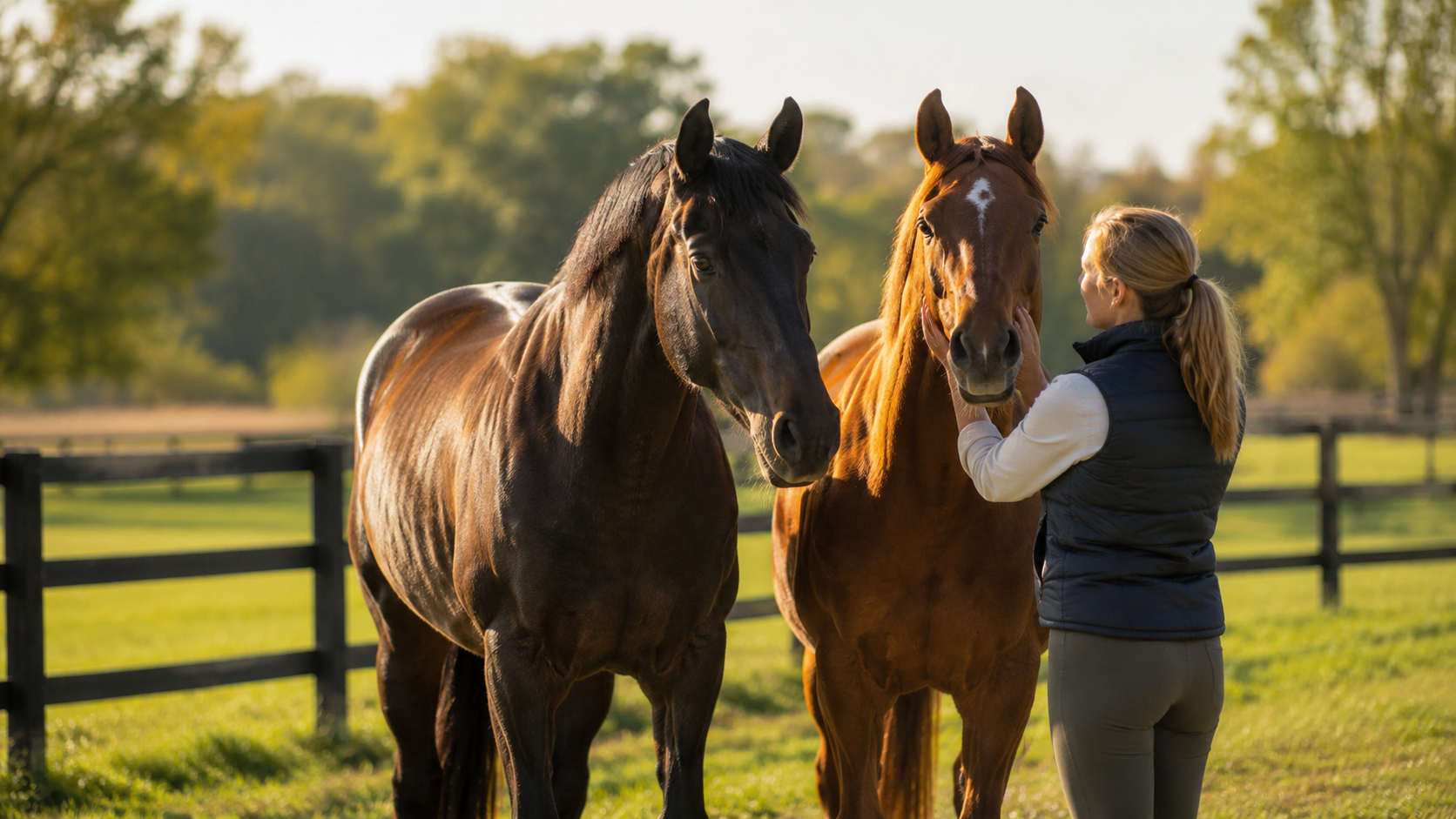
The breed at a glance
It is an intelligent, courageous horse with great energy. It is known for its willing temperament and responsiveness, while generally being gentle and easy to handle, making it an excellent partner for work.
- Category
- saddle horse
- Origin
- United States · 18th century - 19th century
- Height at withers
- 152–163 cm
- Weight
- 450–540 kg
- Lifespan
- 25-30 years
- Common coats
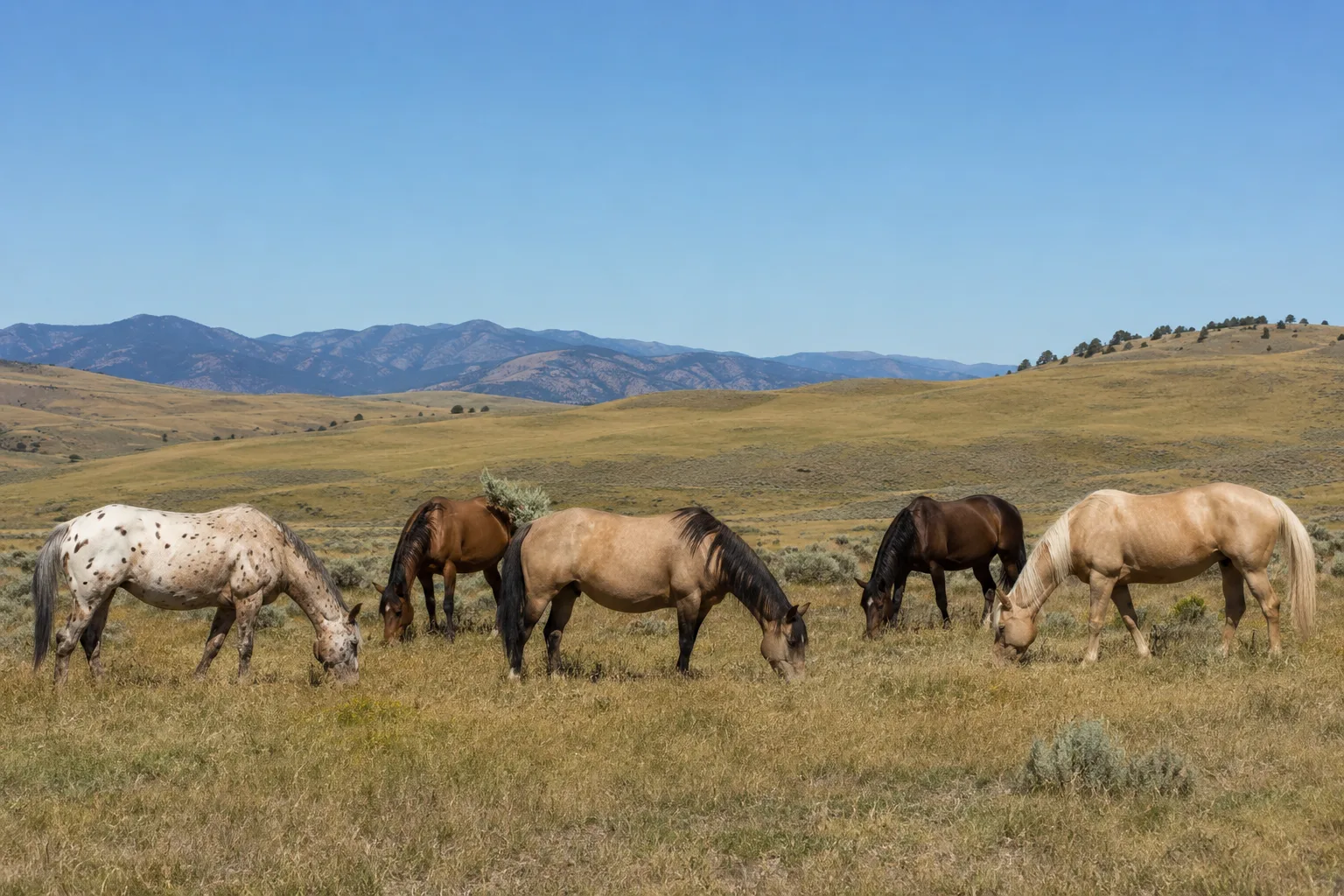
- bay, chestnut, black, grey, palomino, dun, roan
- Disciplines
- classical riding, Western riding (occasionally), driving, show (show ring)
- Other names
- Saddlebred, Kentucky Saddler
Origin and history
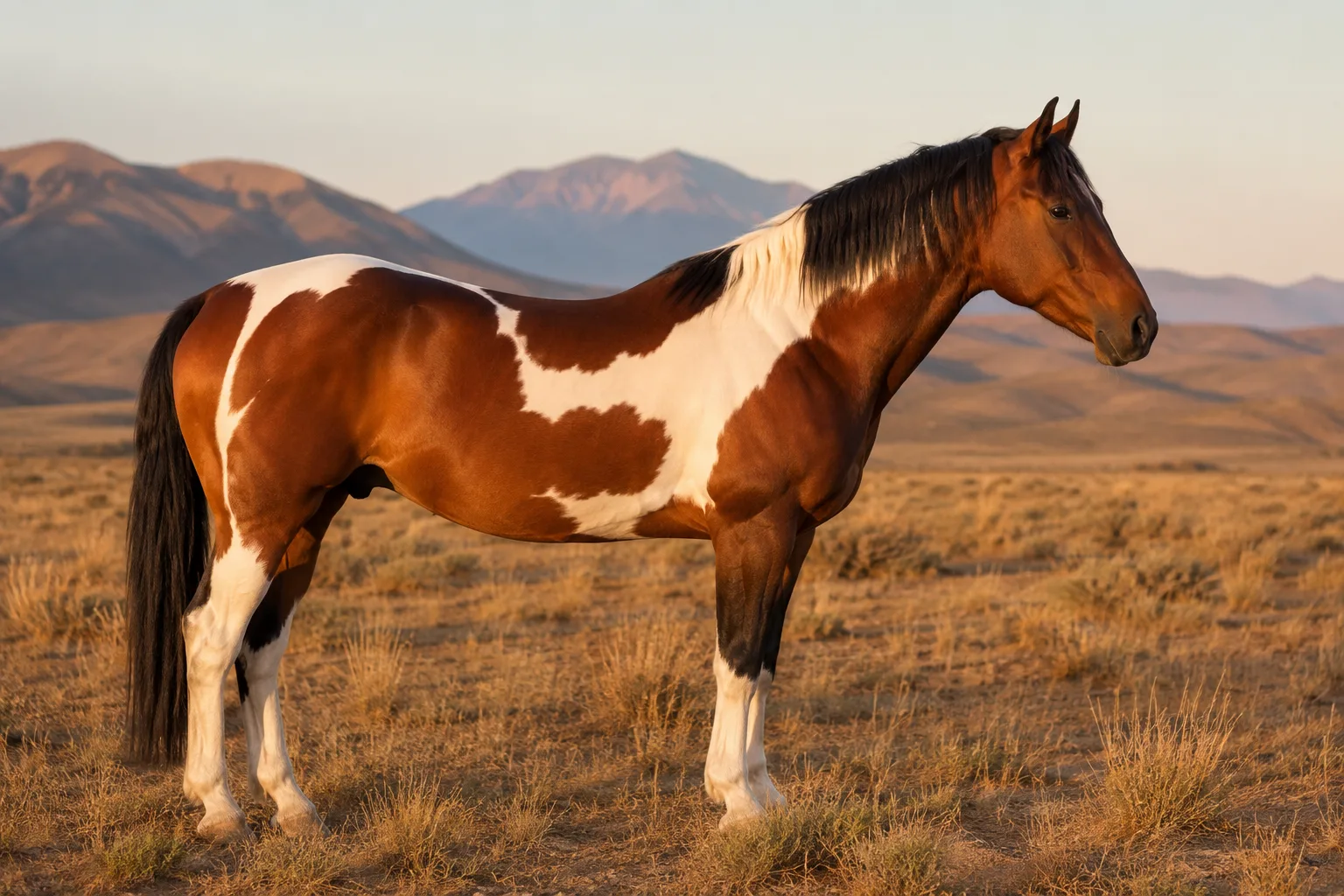
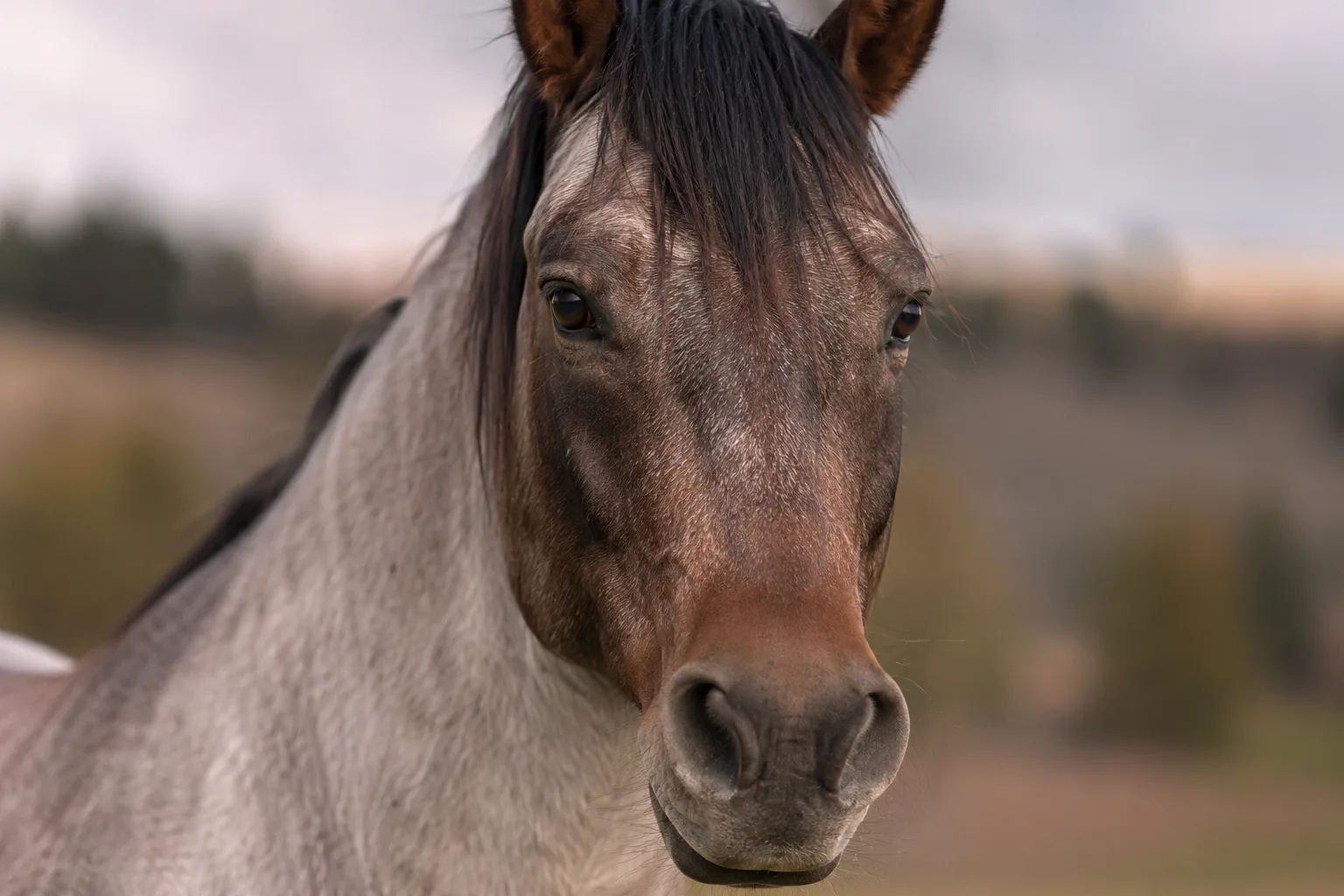
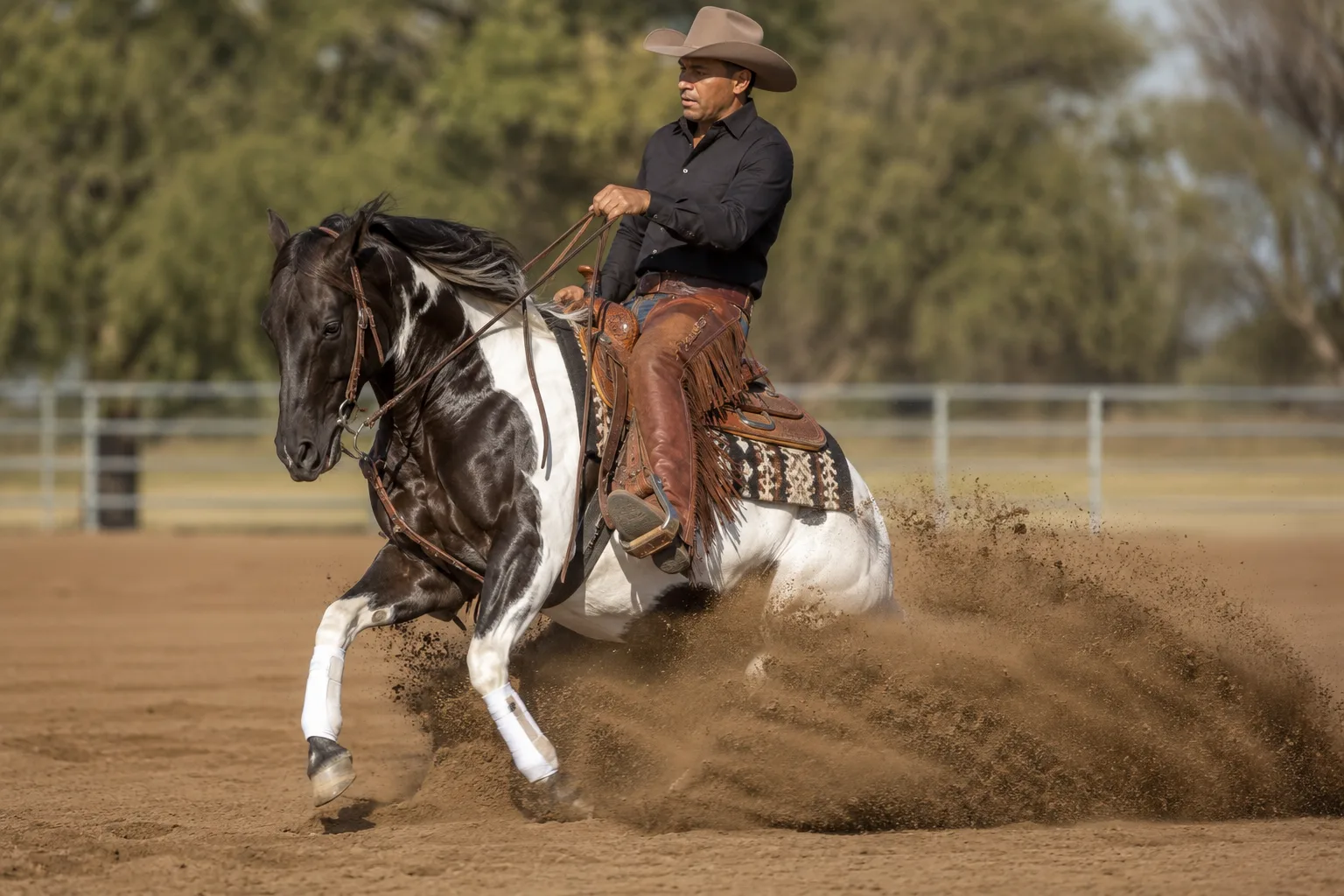
The American Saddlebred originated from crosses between horses imported from England (Narragansett Pacer, Canadian Pacer, Thoroughbred) and local horses in the 18th century. It was developed in Kentucky and Virginia to be a versatile saddle horse, capable of covering long distances comfortably. The breed was officially recognized with the creation of the American Saddle-Horse Breeders Association in 1891. It played a crucial role as a cavalry horse during the Civil War.

Conformation and physique
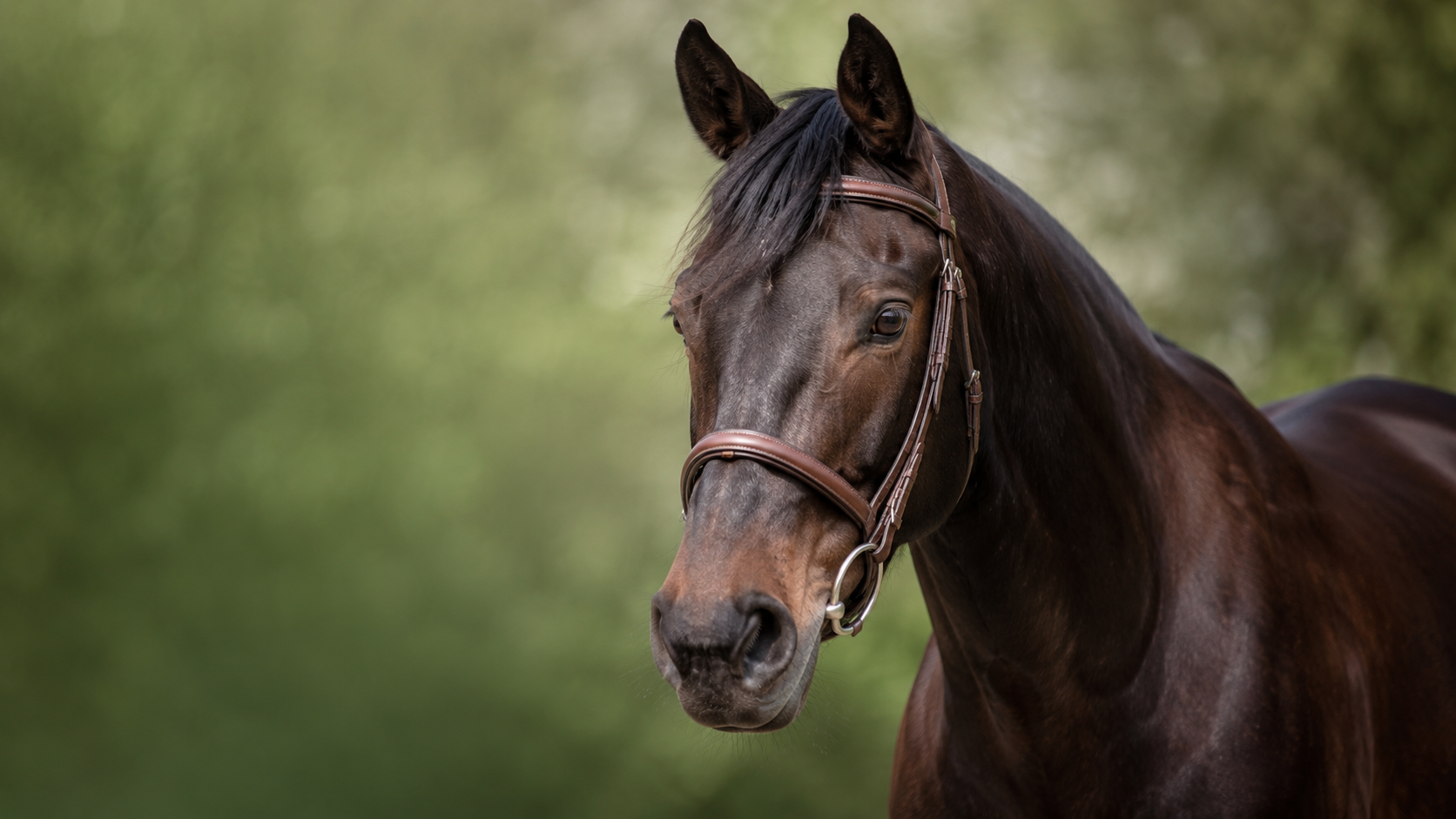
It is an elegant, athletic, and refined horse, medium to large in size, with a solid but not heavy bone structure. Its silhouette is characterized by great presence and a proud head carriage.
The head is well-proportioned, with a straight or slightly concave profile, large expressive eyes, and wide nostrils. The ears are well-shaped and alert.
The neck is long, arched, and carried high, blending harmoniously into a well-defined and muscular wither, contributing to its majestic appearance.
The back is short and strong, the topline is elegant. The chest is deep and wide, and the hindquarters are long, muscular, and slightly sloped, with a high-set tail.
The limbs are long, fine but strong, with well-defined joints and clean tendons. The hooves are well-formed. Feathering is generally sparse.
- Common coats: bay, chestnut, black, grey, palomino, dun, roan
Temperament and aptitudes
It is an intelligent, courageous horse with great energy. It is known for its willing temperament and responsiveness, while generally being gentle and easy to handle, making it an excellent partner for work.
The American Saddlebred is famous for its five gaits: the walk, trot, canter, and two specific gaits, the rack (a very fast and comfortable four-beat broken amble) and the slow gait (a slower, more elevated four-beat broken amble).
- Uses: saddle horse, driving horse, show horse, leisure horse
- Disciplines: classical riding, Western riding (occasionally), driving, show (show ring)
Feeding the American Saddlebred
The American Saddlebred is an athlete that can have high energy requirements, especially if trained for specific gaits or show. It requires a balanced diet, rich in good quality forage (hay or grass) and concentrates adapted to its activity level. It is not particularly prone to obesity if worked regularly.
The breed is not documented as having specific food sensitivities or particular metabolic predispositions such as laminitis or EMS more than other sport breeds. A balanced diet and regular monitoring are recommended to prevent general problems.
With Equio, every feed, supplement or treat is read against the horse's real profile (age, weight, Body Condition Score, conditions) — useful for a American Saddlebred as soon as a metabolic or digestive sensitivity is known.
Health and points to watch
Particular attention should be paid to limb and joint health, especially in horses performing demanding disciplines. Regular dental and farriery care is essential, as well as careful environmental management to prevent respiratory conditions.
- Documented genetic disorders: PSSM1 (Polysaccharide Storage Myopathy type 1)
- More frequent conditions: joint problems (due to the intensity of certain disciplines), respiratory conditions (as with any sport horse)
Care and grooming
Hoof care is crucial, especially if the horse is shod for specific gaits. The mane and tail are often left long and full for show, requiring regular brushing. The coat is easy to maintain, but clipping may be necessary in winter for horses in work.
Did you know?
- General Robert E. Lee, commander of the Confederate army, rode an American Saddlebred named Traveller.
- The American Saddlebred is often nicknamed the 'world's most beautiful horse' due to its elegance and presence.
- It is one of the few breeds to be judged on its five distinct gaits in competition.
The American Saddlebred and how to track it
The American Saddlebred breed is not widespread in France, where it is mainly found among a few passionate breeders or for American riding demonstrations. It remains a niche breed in French territory.
Equio lets you build a complete profile for a American Saddlebred: identity, weight, Body Condition Score, feeding, conditions, care reminders (vaccines, worming, trimming) and an exportable health log. The breed sets the identity; everyday decisions still depend on the real horse and your vet's advice.
- Record the activity level: rest, leisure, sport or breeding
- Add known conditions or sensitivities
- Scan feeds, plants and care products
- Keep reminders (vaccines, worming, trimming)
- Prepare a PDF export before a vet appointment
Frequently asked questions
What is the price of an American Saddlebred?
The price of an American Saddlebred varies considerably depending on its age, training, bloodlines, and performance. A foal can cost a few thousand euros, while a trained show horse can reach several tens of thousands of euros.
Is the American Saddlebred suitable for beginners?
Although the American Saddlebred is intelligent and generally gentle, its energy and responsiveness can make it more suitable for riders with some experience. Good supervision is essential for beginners.
What are the specific gaits of the American Saddlebred?
In addition to the walk, trot, and canter, the American Saddlebred masters the 'slow gait' and the 'rack'. These two gaits are broken four-beat ambling gaits, with the slow gait being slower and more collected, and the rack very fast and fluid.
Is the American Saddlebred a good family horse?
Yes, with appropriate training and regular work, the American Saddlebred can be an excellent family horse. Its willing temperament and kindness make it a pleasant companion for various leisure activities.
How to care for an American Saddlebred's mane and tail?
For show horses, the mane and tail are often left very long and full. They require gentle daily brushing to prevent tangles, moisturizing care, and sometimes protective braids to maintain their length and beauty.