
Horse breed
Spanish Jennet Horse
The Spanish Jennet Horse is a modern breed developed in the United States in the 1980s and 1990s. Its goal was to recreate the medieval Jennet horse type, known for its smooth gaits and temperament.
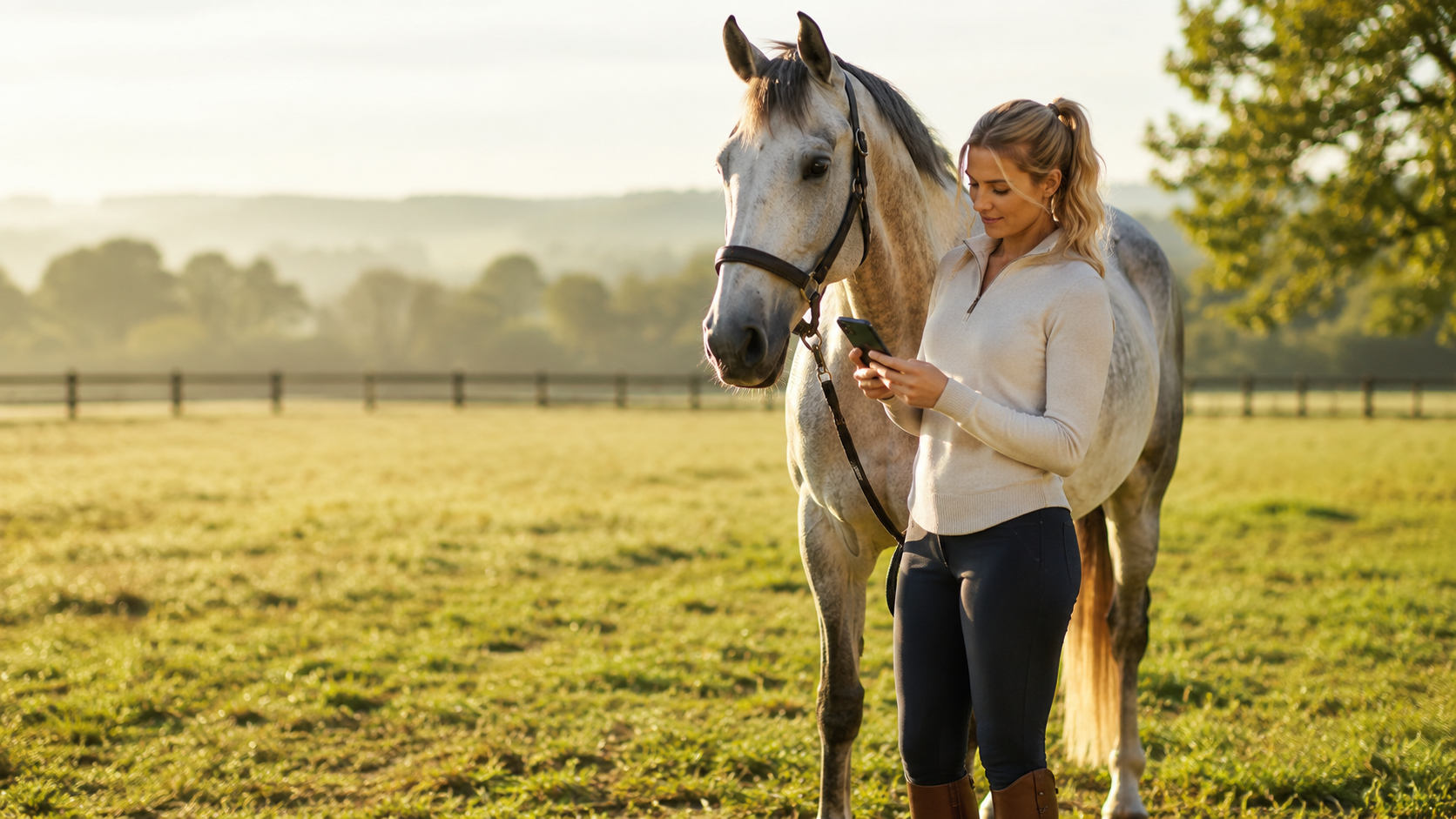
The breed at a glance
It is an intelligent, willing, and very responsive horse, but also gentle and easy to handle. It is known for its goodwill and desire to please, making it an excellent partner for work and leisure.
- Category
- saddle horse
- Origin
- United States · Late 20th century
- Height at withers
- 137–152 cm
- Weight
- 360–450 kg
- Lifespan
- 25-30 years
- Common coats
- all Appaloosa coat patterns (leopard, blanket, snowflake, frosted), bay, chestnut, black, grey
- Disciplines
- equestrian trail riding, working equitation, gaited dressage, pleasure riding
- Other names
- Jennet Horse, Spanish Jennet
Origin and history
The Spanish Jennet Horse is a modern breed developed in the United States in the 1980s and 1990s. Its goal was to recreate the medieval Jennet horse type, known for its smooth gaits and temperament. It resulted from crosses between Paso Fino and Appaloosa horses, combining the natural gaits of the Paso Fino with the spotted coats of the Appaloosa. The Spanish Jennet Horse Society was founded to register and promote the breed.

Conformation and physique
It is a medium-sized horse, elegant and athletic, with a fine but sturdy bone structure. Its build is harmonious, evoking lightness and agility.
The head is refined, medium-sized, with a straight or slightly concave profile. The eyes are large and expressive, and the ears are well-formed and alert.
The neck is well-arched, muscular, and attaches harmoniously to the withers. The withers are well-defined and prominent.
The back is short and strong, and the topline is taut. The chest is deep and broad, and the croup is rounded and muscular, often slightly sloped.
The limbs are fine but robust, with well-defined joints and clean tendons. Feathers are generally absent or very light.
- Common coats: all Appaloosa coat patterns (leopard, blanket, snowflake, frosted), bay, chestnut, black, grey
Temperament and aptitudes
It is an intelligent, willing, and very responsive horse, but also gentle and easy to handle. It is known for its goodwill and desire to please, making it an excellent partner for work and leisure.
The Spanish Jennet Horse is characterized by its natural four-beat gaits, particularly the 'Jennet Gait' (often a tölt or a gait similar to the Paso Fino), which is very comfortable for the rider and smooth.
- Uses: recreational riding, trail riding, show, light riding disciplines, gaited dressage
- Disciplines: equestrian trail riding, working equitation, gaited dressage, pleasure riding
Feeding the Spanish Jennet Horse
The Spanish Jennet Horse generally has an efficient metabolism, inherited from its ancestors. It is important to monitor its weight as it can be prone to obesity. A diet based on good quality forage in sufficient quantity is essential. Concentrates are only necessary for intense work or specific needs and must be adapted to avoid excessive sugar and starch intake.
Like many breeds with efficient metabolisms, the Spanish Jennet Horse can be predisposed to Equine Metabolic Syndrome (EMS) and laminitis if overfed or exposed to overly rich pastures. Careful dietary management is crucial to prevent these conditions.
With Equio, every feed, supplement or treat is read against the horse's real profile (age, weight, Body Condition Score, conditions) — useful for a Spanish Jennet Horse as soon as a metabolic or digestive sensitivity is known.

Health and points to watch
Regular monitoring of weight and body condition is essential. It is important to maintain a balanced diet and an appropriate exercise program to prevent metabolic problems. Particular attention must be paid to hoof health.
- Documented genetic disorders: no specific DOCUMENTED genetic pathology for the breed to date
- More frequent conditions: laminitis (in case of poor dietary management), Equine Metabolic Syndrome (EMS)
Care and grooming
Care is standard for a riding horse. Regular hoof trimming is necessary to maintain hoof balance and health. The mane and tail can be thick and require regular detangling. The coat, often spotted, does not require specific care beyond usual grooming.
Did you know?
- The name 'Jennet' refers to a type of light and agile horse, originating from medieval Spain, renowned for its smooth gaits and comfort.
- The breed's objective is to combine the natural gaits of the Paso Fino with the spotted coats of the Appaloosa, thus creating a horse that is both comfortable and visually distinctive.
- Although 'Spanish' is in its name, the breed was developed in the United States and not in Spain.
The Spanish Jennet Horse and how to track it
The Spanish Jennet Horse breed is very rare in France, with an almost non-existent breeding and usage population. It is primarily found in the United States.
Equio lets you build a complete profile for a Spanish Jennet Horse: identity, weight, Body Condition Score, feeding, conditions, care reminders (vaccines, worming, trimming) and an exportable health log. The breed sets the identity; everyday decisions still depend on the real horse and your vet's advice.
- Record the activity level: rest, leisure, sport or breeding
- Add known conditions or sensitivities
- Scan feeds, plants and care products
- Keep reminders (vaccines, worming, trimming)
- Prepare a PDF export before a vet appointment
Frequently asked questions
What is the main characteristic of the Spanish Jennet Horse?
Its main characteristic is its ability to produce natural, four-beat gaits that are very comfortable for the rider, combined with Appaloosa-type spotted coats. It is valued for its gentle temperament and versatility.
Is the Spanish Jennet Horse suitable for beginners?
Yes, thanks to its calm temperament, willingness, and smooth gaits, the Spanish Jennet Horse can be an excellent choice for beginner riders or those looking for a comfortable and easy-to-manage horse.
Where can Spanish Jennet Horses be found?
The breed is primarily raised and found in the United States. It is very rare to find them in Europe, and even less so in France. Importation would be the main way to acquire such a horse in France.
What are the accepted coat patterns for the Spanish Jennet Horse?
All Appaloosa-type coat patterns are accepted and sought after, including leopard, blanket, snowflake, frosted, as well as solid coats such as bay, chestnut, black, and grey, provided they come from Appaloosa bloodlines.
Is the Spanish Jennet Horse a good sport horse?
It primarily excels in recreational riding, trail riding, and light work disciplines, where its comfortable gaits are a major asset. It is generally not geared towards classic sport disciplines such as show jumping or high-level dressage.