
Horse breed
Slovenian Coldblood
The Slovenian Coldblood is a draft breed developed in Slovenia from crosses between local mares and European draft horse stallions, primarily the Noriker, Percheron, Belgian, and Ardennes. The objective was to create a robust and powerful horse, suitable for agricultural and forestry work in mountainous regions.
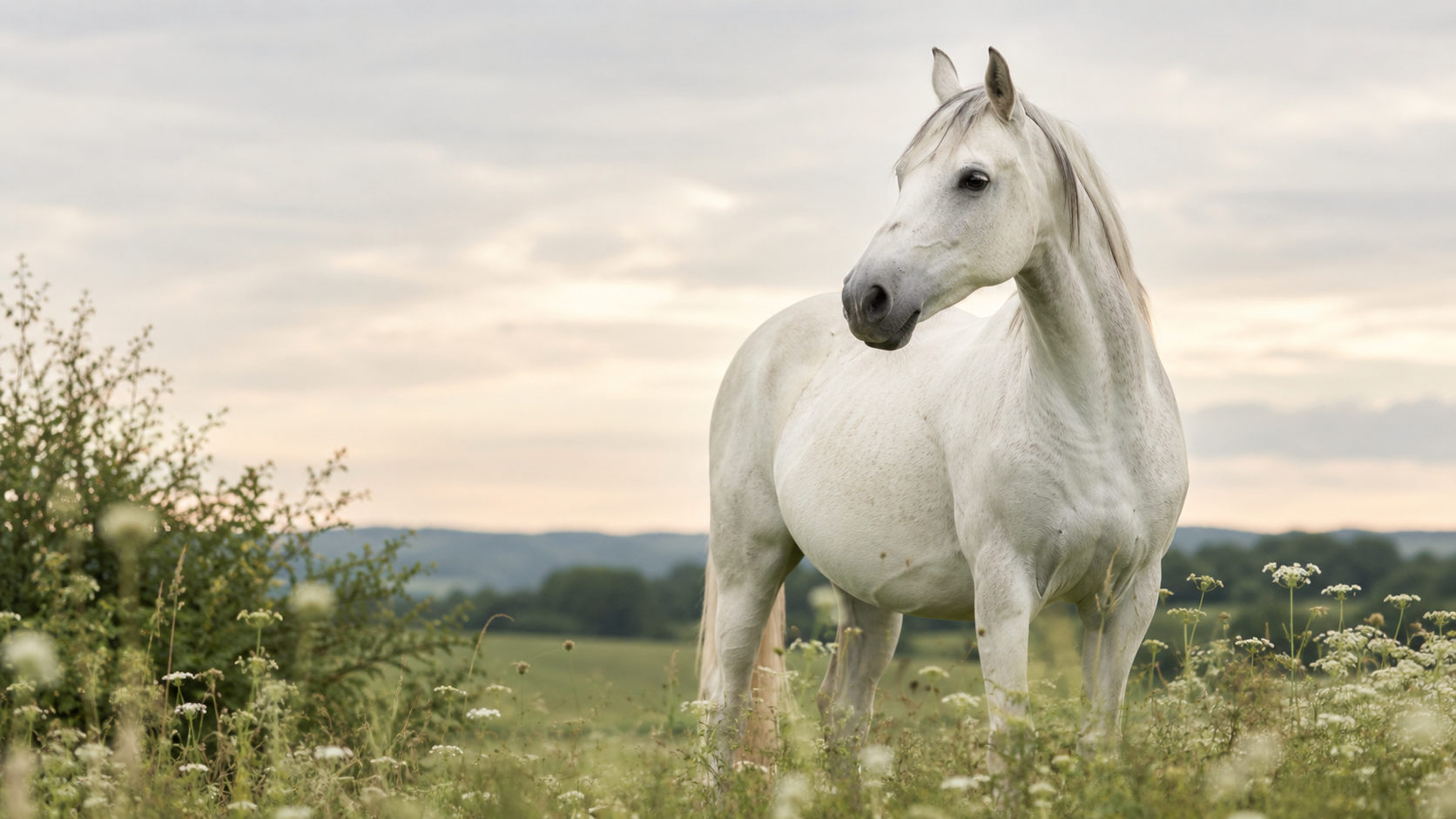
The breed at a glance
The Slovenian Coldblood is renowned for its calm, docile, and cooperative temperament. It is hardworking, patient, and reliable, making it an excellent partner for demanding tasks. Its willingness and robustness make it easy to handle and train.
- Category
- draft horse
- Origin
- Slovenia · Late 19th century - early 20th century
- Height at withers
- 150–160 cm
- Weight
- 600–800 kg
- Lifespan
- 20-25 years
- Common coats
- chestnut, black, bay, roan
- Disciplines
- Draft work, Competitive driving (traditional), Working equitation
- Other names
- Slovenian Coldblood, Slovenski Hladnokrvnež
Origin and history
The Slovenian Coldblood is a draft breed developed in Slovenia from crosses between local mares and European draft horse stallions, primarily the Noriker, Percheron, Belgian, and Ardennes. The objective was to create a robust and powerful horse, suitable for agricultural and forestry work in mountainous regions. The breed was officially recognized and a studbook was established in the mid-20th century, consolidating its distinctive characteristics.
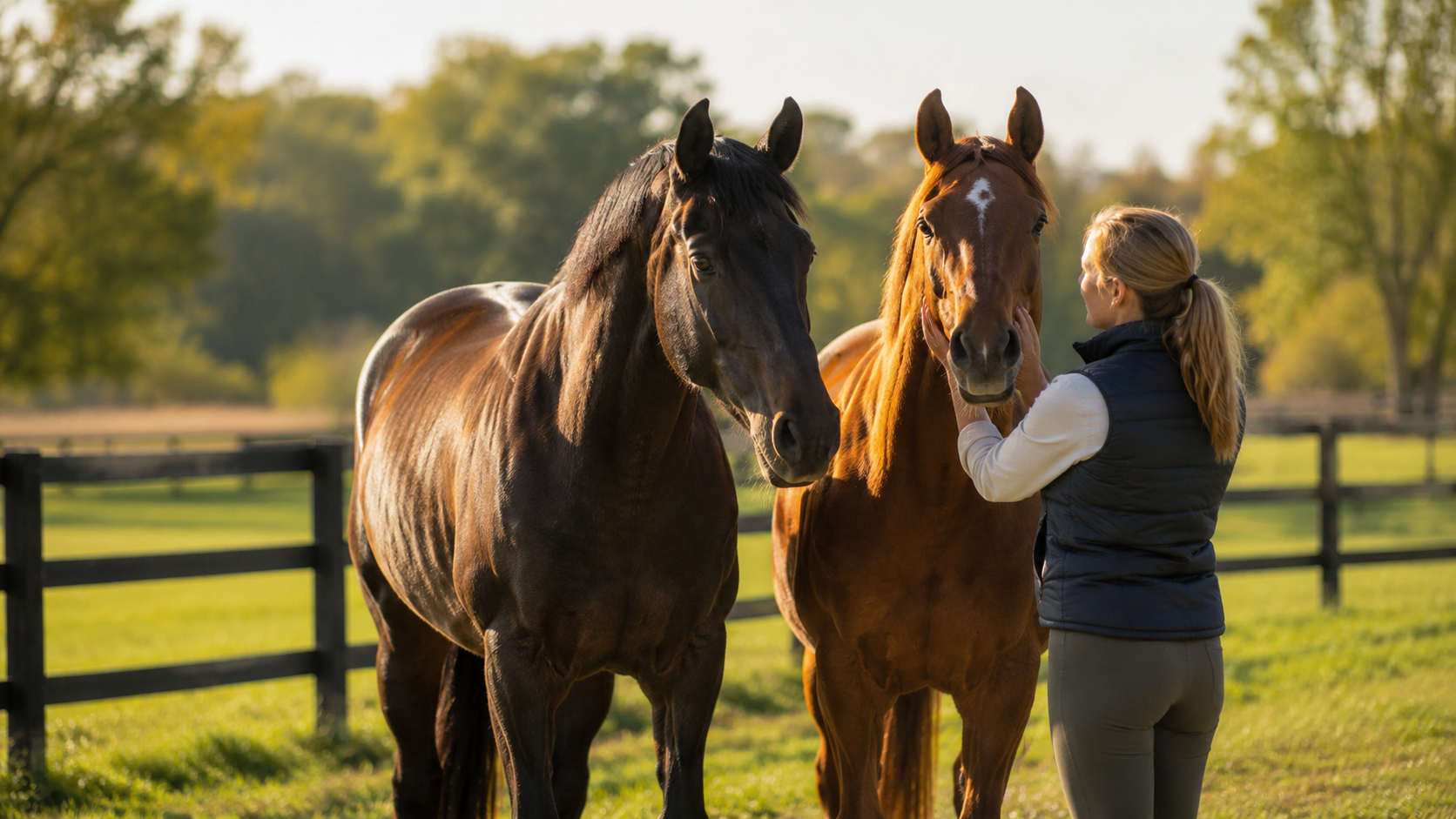
Conformation and physique
It is a medium to large-sized draft horse with a compact and muscular build. It possesses a strong bone structure and a robust constitution, typical of draft breeds adapted for heavy work.
The head is medium-sized, with a straight or slightly convex (Roman) profile. The eyes are expressive, and the ears are medium-sized.
The neck is short, thick, and muscular, well-set into the withers. The withers are broad and not very prominent, blending harmoniously into the back.
The back is short, broad, and strong, with a straight and muscular topline. The chest is deep and wide, and the hindquarters are powerful, broad, and often double-muscled.
The limbs are short, strong, and muscular, with large and solid joints. Feathers are present, but generally not excessively abundant. The feet are wide and well-formed.
- Common coats: chestnut, black, bay, roan
Temperament and aptitudes
The Slovenian Coldblood is renowned for its calm, docile, and cooperative temperament. It is hardworking, patient, and reliable, making it an excellent partner for demanding tasks. Its willingness and robustness make it easy to handle and train.
The gaits are energetic, regular, and expansive, with good impulsion. They are suited for draft work, offering power and endurance rather than speed or lightness.
- Uses: Agricultural work (plowing, harrowing), Forest skidding, Recreational and competitive driving, Leisure riding (for heavier riders or those seeking a calm mount), Meat production (historically)
- Disciplines: Draft work, Competitive driving (traditional), Working equitation
Feeding the Slovenian Coldblood
The Slovenian Coldblood is a horse with an efficient metabolism, typical of draft breeds. It tends to utilize its feed efficiently and can easily become overweight if its diet is not adjusted to its activity level. A diet based on good quality forage (hay, grass) is essential. Concentrates are only necessary in cases of intense work or specific needs (growth, lactation) and should be given sparingly to avoid excess weight.
Like many draft breeds with efficient metabolisms, the Slovenian Coldblood can be predisposed to laminitis and Equine Metabolic Syndrome (EMS) in cases of overfeeding or a diet too rich in sugars and starch. Careful monitoring of body condition and rigorous dietary management are crucial to prevent these conditions.
With Equio, every feed, supplement or treat is read against the horse's real profile (age, weight, Body Condition Score, conditions) — useful for a Slovenian Coldblood as soon as a metabolic or digestive sensitivity is known.

Health and points to watch
It is important to regularly monitor the condition of the joints, especially in older horses or those subjected to intense work. Particular attention should be paid to weight management and laminitis prevention through a balanced diet and regular exercise.
- More frequent conditions: Joint problems related to weight and heavy work (osteoarthritis), Laminitis (in case of poor dietary management), Equine Metabolic Syndrome (EMS)
Care and grooming
The hooves of the Slovenian Coldblood, although robust, require regular trimming adapted to their size and use. Feathers must be cleaned and dried to prevent skin conditions such as mud fever. The dense coat may require regular brushing, and clipping is often practiced for horses in intense work to facilitate thermal regulation.
Did you know?
- The Slovenian Coldblood is a symbol of Slovenia's agricultural and cultural heritage.
- It is often used in traditional work demonstrations and folk festivals in Slovenia.
- The breed played a crucial role in the Slovenian rural economy before the mechanization of agriculture.
The Slovenian Coldblood and how to track it
The Slovenian Coldblood breed is very rarely found in France, where it is not significantly bred. The few individuals present are generally imported for specific uses or by enthusiasts.
Equio lets you build a complete profile for a Slovenian Coldblood: identity, weight, Body Condition Score, feeding, conditions, care reminders (vaccines, worming, trimming) and an exportable health log. The breed sets the identity; everyday decisions still depend on the real horse and your vet's advice.
- Record the activity level: rest, leisure, sport or breeding
- Add known conditions or sensitivities
- Scan feeds, plants and care products
- Keep reminders (vaccines, worming, trimming)
- Prepare a PDF export before a vet appointment
Frequently asked questions
Is the Slovenian Coldblood suitable for beginners?
Yes, thanks to its calm and docile temperament, the Slovenian Coldblood is generally well-suited for beginners, especially for driving or quiet leisure riding. However, its large size and strength require appropriate guidance.
What type of work can a Slovenian Coldblood perform?
The Slovenian Coldblood excels in heavy draft work such as plowing, forest logging, and driving. It can also be ridden for hacks or leisure activities, offering a safe and powerful mount.
Is the Slovenian Coldblood a rare breed?
Outside of Slovenia and neighboring countries, the Slovenian Coldblood is considered a relatively rare breed. Its population is stable in its country of origin but limited internationally.
How to care for the Slovenian Coldblood's feathers?
The Slovenian Coldblood's feathers must be regularly cleaned and dried, especially after outings in wet or muddy terrain, to prevent skin irritations and mud fever. Gentle brushing and the application of protective products can be helpful.
What is the difference between a Slovenian Coldblood and a Noriker?
The Slovenian Coldblood has common origins with the Noriker and shares many characteristics. However, the Slovenian Coldblood was developed specifically in Slovenia with local crossbreeding, which gives it distinct traits, including greater homogeneity in type and coat color than some Noriker lines.