
Horse breed
Purosangue Orientale
The Purosangue Orientale is an Italian breed resulting from complex crosses between indigenous horses from Southern Italy and imported Oriental stallions (Arabian, Barb, Turkish). The objective was to create a light, fast, and resilient saddle horse, adapted to the military and agricultural needs of the time.
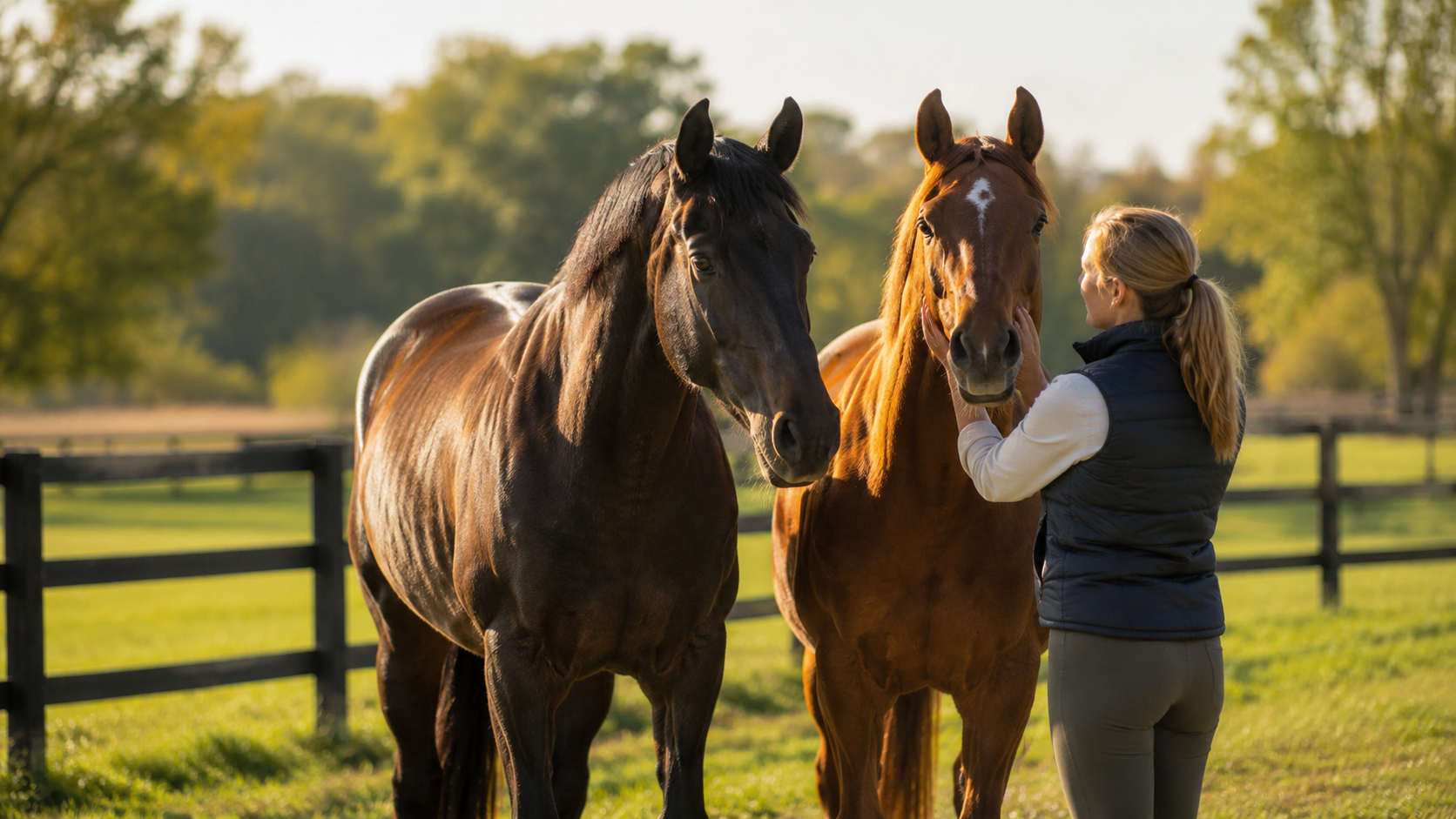
The breed at a glance
The Purosangue Orientale is renowned for its lively, courageous, and intelligent temperament. It is willing to work, endowed with great energy and a good learning ability, but can sometimes be sensitive and require a soft yet experienced hand.
- Category
- hot-blooded horse
- Origin
- Italy · 19th century
- Height at withers
- 150–165 cm
- Weight
- 400–500 kg
- Lifespan
- 25-30 years
- Common coats
- bay, chestnut, grey, black
- Disciplines
- endurance riding, show jumping, dressage, eventing
- Other names
- Purosangue Orientale Italiano, PO
Origin and history
The Purosangue Orientale is an Italian breed resulting from complex crosses between indigenous horses from Southern Italy and imported Oriental stallions (Arabian, Barb, Turkish). The objective was to create a light, fast, and resilient saddle horse, adapted to the military and agricultural needs of the time. The breed was officially recognized and its studbook established in the early 20th century, although its origins date back several centuries of informal selection. It played an important role in the Italian cavalry.

Conformation and physique
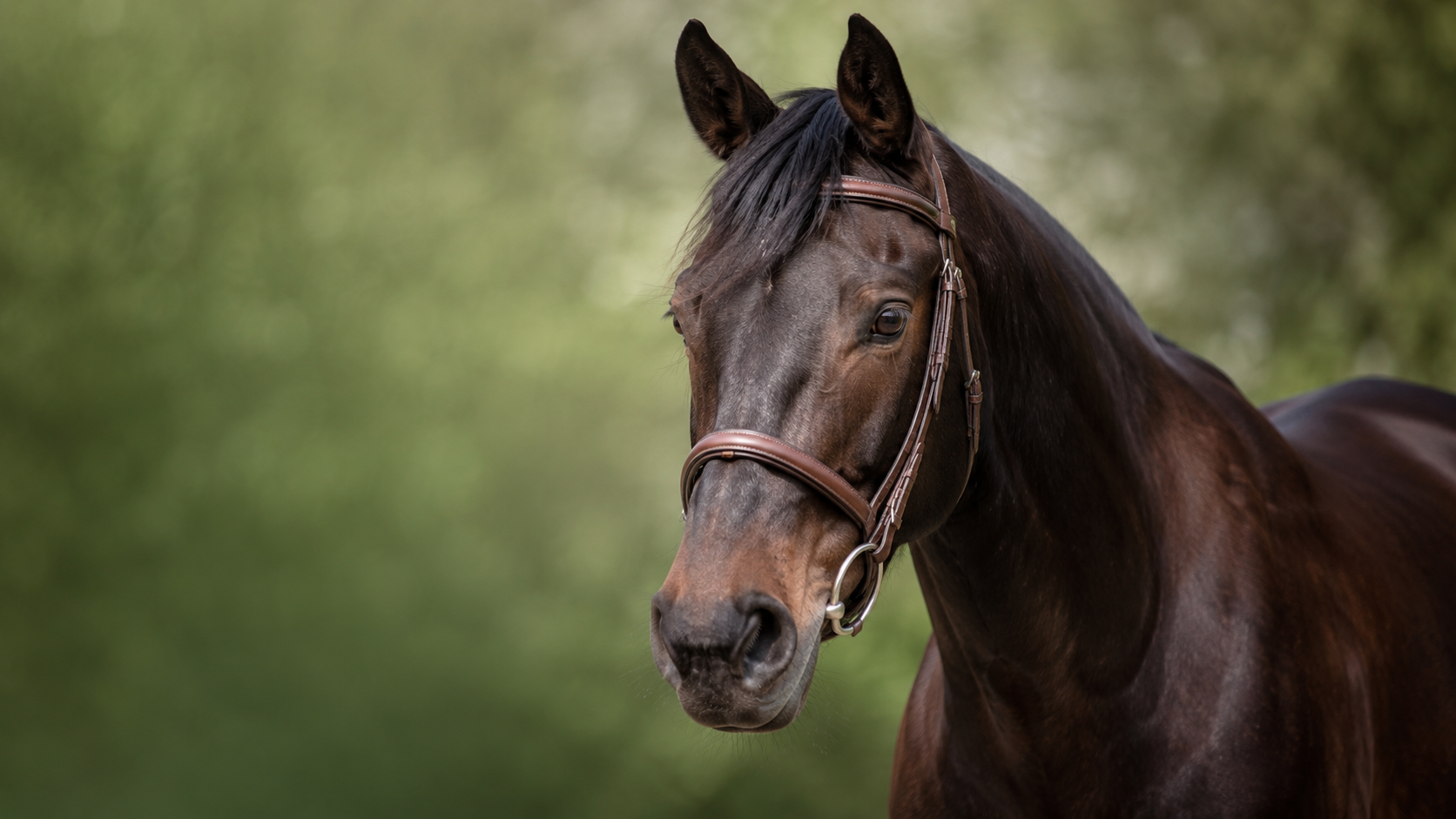
It is a medium-sized horse, elegant and harmonious, with a fine but solid bone structure. It presents a typical hot-blooded horse silhouette, athletic and well-proportioned, evoking lightness and speed.
Noble, dry head, with a straight or slightly concave profile. The eyes are large and expressive, the nostrils wide, and the ears fine and well-shaped.
Long, well-muscled, and arched neck, blending harmoniously into well-defined and extended withers.
Short and strong back, taut and muscular topline. Deep and wide chest, well-sprung ribs. Long and muscular croup, slightly sloped, with a high-set tail.
Long, dry, and muscular limbs, with clean joints and well-defined tendons. The cannons are short, and the hooves are well-formed and strong. Little to no feathering.
- Common coats: bay, chestnut, grey, black
Temperament and aptitudes
The Purosangue Orientale is renowned for its lively, courageous, and intelligent temperament. It is willing to work, endowed with great energy and a good learning ability, but can sometimes be sensitive and require a soft yet experienced hand.
The gaits are expansive, supple, and energetic, with good impulsion. The canter is particularly airy and fast, reflecting its heritage as a racehorse and saddle horse.
- Uses: light saddle horse, cavalry horse, flat and jump racing (historical), light driving, light agricultural work (historical)
- Disciplines: endurance riding, show jumping, dressage, eventing, recreational riding
Feeding the Purosangue Orientale
The Purosangue Orientale, as a hot-blooded horse, has a rather active metabolism and can be considered a demanding athlete. It requires a balanced and quality diet, rich in forage (good quality hay ad libitum) and supplemented with concentrates adapted to its activity level. It does not have a marked tendency to gain weight if regularly exercised.
There are no specific documented predispositions to major dietary sensitivities (such as laminitis or EMS) for the Purosangue Orientale as a breed. However, like any hot-blooded horse, a diet too rich in sugars and starch without sufficient exercise can increase the risk of general digestive or metabolic disorders.
With Equio, every feed, supplement or treat is read against the horse's real profile (age, weight, Body Condition Score, conditions) — useful for a Purosangue Orientale as soon as a metabolic or digestive sensitivity is known.
Health and points to watch
Particular attention must be paid to the quality of conformation and the soundness of the joints, especially in horses subjected to intense work. Regular veterinary monitoring and good training management are essential to prevent sports injuries.
- More frequent conditions: locomotor conditions related to intense athletic activity (tendinitis, osteoarthritis)
Care and grooming
Routine care is sufficient for this breed. The hooves, often hard and strong, require regular trimming. The mane and tail are generally fine and do not require special care. The coat is short and easy to maintain; clipping is only necessary for sport horses in winter.
Did you know?
- The Purosangue Orientale has been used to improve other Italian breeds, notably the Salernitano.
- Its name literally means 'Oriental Thoroughbred', highlighting its ancestry and status as a hot-blooded horse.
- Historically, it was highly valued for its speed and endurance in horse races in Italy.
The Purosangue Orientale and how to track it
The Purosangue Orientale breed is very rare in France. There is no significant breeding or established population, with most individuals being found in Italy.
Equio lets you build a complete profile for a Purosangue Orientale: identity, weight, Body Condition Score, feeding, conditions, care reminders (vaccines, worming, trimming) and an exportable health log. The breed sets the identity; everyday decisions still depend on the real horse and your vet's advice.
- Record the activity level: rest, leisure, sport or breeding
- Add known conditions or sensitivities
- Scan feeds, plants and care products
- Keep reminders (vaccines, worming, trimming)
- Prepare a PDF export before a vet appointment
Frequently asked questions
Is the Purosangue Orientale a good horse for beginners?
Due to its lively temperament and high energy, the Purosangue Orientale is generally more suitable for experienced riders. It requires a soft yet firm hand and a good understanding of its sensitive nature.
What is the difference between a Purosangue Orientale and an Arabian Thoroughbred?
Although the Purosangue Orientale has Arabian blood in its lineage, it is the result of more complex crossbreeding with other Oriental breeds and local horses. It is generally taller and heavier than the purebred Arabian, with a slightly different conformation, although it retains the elegance and refinement of Oriental horses.
Where can one buy a Purosangue Orientale outside of Italy?
It is very difficult to find a Purosangue Orientale outside of Italy, where the breed is primarily raised. One would need to contact Italian breeders or breed associations to consider an import.
Is the Purosangue Orientale an endangered breed?
Although the breed is not classified as 'endangered' in the strict sense, its population is relatively small and concentrated in Italy. It is considered an indigenous breed to be preserved and is subject to conservation programs.
What are the main qualities of the Purosangue Orientale in sport?
The Purosangue Orientale excels in its endurance, speed, agility, and courage. These qualities make it particularly suited to disciplines requiring energy and stamina, such as endurance riding, eventing, and show jumping.