
Horse breed
Dales Pony
The Dales Pony originates from the dales (valleys) of Yorkshire and Northumberland, in northern England. It descends from robust indigenous ponies, used for transporting lead from the mines.
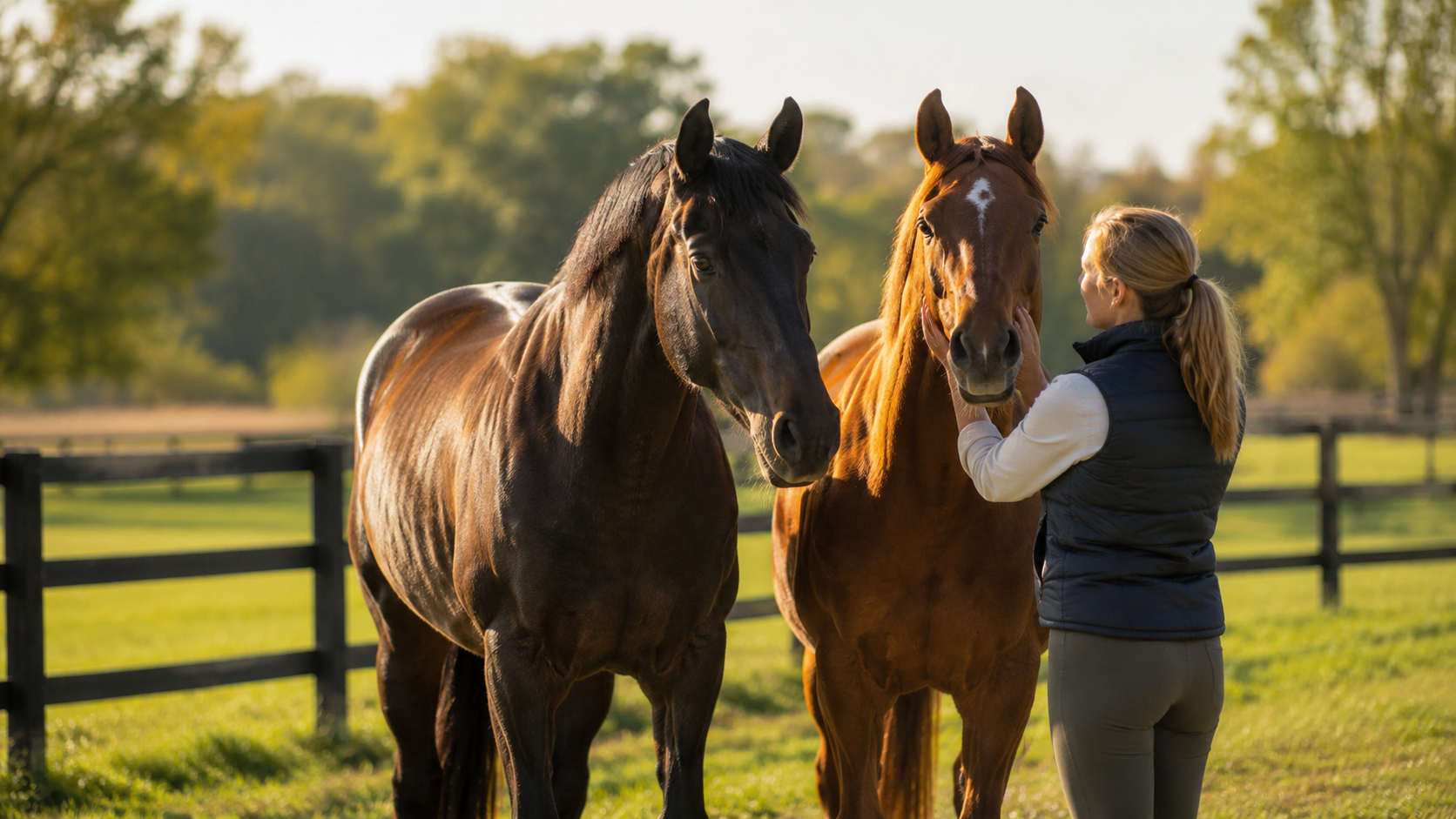
The breed at a glance
The Dales Pony is renowned for its calm, courageous, and reliable temperament. It is intelligent, willing, and very hardy, making it an excellent working and leisure companion, suitable for the whole family.
- Category
- pony
- Origin
- United Kingdom · 18th century
- Height at withers
- 142–147 cm
- Lifespan
- 25-30 years
- Common coats
- black, bay, grey, roan, chestnut
- Disciplines
- Driving, Equestrian trekking, TREC, Dressage
- Other names
- Dales Pony
Origin and history
The Dales Pony originates from the dales (valleys) of Yorkshire and Northumberland, in northern England. It descends from robust indigenous ponies, used for transporting lead from the mines. Crossings with the Norfolk Trotter and Welsh Cob helped establish its qualities as a pack and trotting pony. The breed was officially recognized and its studbook established at the beginning of the 20th century.

Conformation and physique
It is a powerful and compact cob-type pony, with a strong bone structure and well-developed musculature. It conveys an impression of strength and hardiness, with a harmonious build.
The head is well-proportioned, with a broad forehead, lively and intelligent eyes, and a straight or slightly concave profile. The nostrils are wide and the ears are medium-sized, well-placed.
The neck is strong, muscular, and well-arched, blending harmoniously into a well-defined and muscular wither. It is carried proudly.
The back is short, strong, and well-muscled, ending in powerful and rounded hindquarters. The chest is deep and wide, offering good lung capacity.
The limbs are short, very strong, and well-muscled, with broad joints and short cannons. The feathers are abundant and silky, and the feet are wide, round, and have very hard horn.
- Common coats: black, bay, grey, roan, chestnut
Temperament and aptitudes
The Dales Pony is renowned for its calm, courageous, and reliable temperament. It is intelligent, willing, and very hardy, making it an excellent working and leisure companion, suitable for the whole family.
The gaits are energetic, free-moving, and regular, with a particularly powerful and extended trot characterized by good knee and hock action. The walk is active and the canter is balanced.
- Uses: Pack animal (historical), driving, trail riding, recreational riding, hunting, dressage, show jumping
- Disciplines: Driving, Equestrian trekking, TREC, Dressage, Show jumping (at an amateur level)
Feeding the Dales Pony
The Dales Pony is a hardy and economical pony, accustomed to the poor pastures of its native region. It tends to become overweight if overfed. Its diet should primarily consist of good quality forage (grass, hay) and mineral and vitamin supplements. Concentrates are only necessary during intense work and should be given sparingly to avoid excess weight.
Like many hardy ponies, the Dales Pony is predisposed to Equine Metabolic Syndrome (EMS) and laminitis, especially if overweight or if it has unlimited access to rich grass. Careful dietary management is crucial to prevent these conditions.
With Equio, every feed, supplement or treat is read against the horse's real profile (age, weight, Body Condition Score, conditions) — useful for a Dales Pony as soon as a metabolic or digestive sensitivity is known.
Health and points to watch
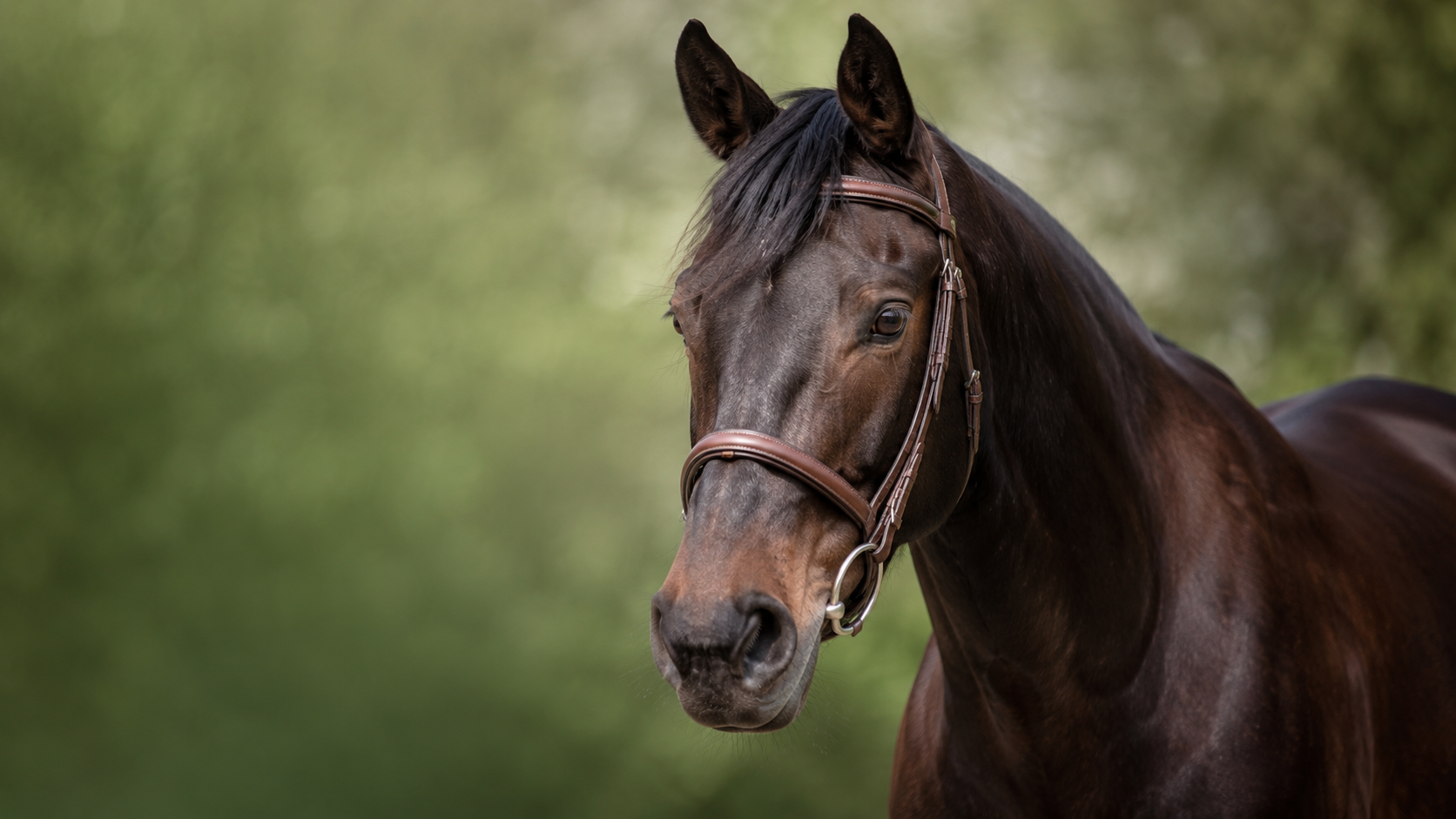
Regular monitoring of weight and body condition is essential. Be attentive to the early signs of laminitis (heat in the feet, lameness, camped-out stance). Regular and appropriate hoof trimming is also crucial for hoof health.
- More frequent conditions: laminitis, Equine Metabolic Syndrome (EMS), obesity
Care and grooming
The Dales Pony's hooves are naturally hard and resilient but require regular trimming every 6 to 8 weeks. The abundant mane, tail, and feathers should be brushed regularly to prevent tangles and mud accumulation, thus preventing skin problems. The dense coat does not require special care, but clipping may be considered for ponies working intensely in winter.
Did you know?
- Historically, Dales Ponies were used to transport lead from the Pennine mines, covering long distances with heavy loads.
- They were also highly valued by the British army for their hardiness and their ability to work in difficult conditions.
- The Dales Pony is one of the nine mountain and moorland pony breeds recognized in the United Kingdom.
The Dales Pony and how to track it
The breed is not widely represented in France, where it remains relatively unknown. A few passionate breeders contribute to its spread, mainly for driving and family leisure riding.
Equio lets you build a complete profile for a Dales Pony: identity, weight, Body Condition Score, feeding, conditions, care reminders (vaccines, worming, trimming) and an exportable health log. The breed sets the identity; everyday decisions still depend on the real horse and your vet's advice.
- Record the activity level: rest, leisure, sport or breeding
- Add known conditions or sensitivities
- Scan feeds, plants and care products
- Keep reminders (vaccines, worming, trimming)
- Prepare a PDF export before a vet appointment
Frequently asked questions
Is the Dales Pony suitable for children?
Yes, thanks to its calm, reliable, and patient temperament, the Dales Pony is generally an excellent pony for children and novice riders. Its hardiness also allows it to carry adults.
What is the maximum height of a Dales Pony?
According to the breed standard, the maximum height at the withers for a Dales Pony is 147 cm. It is therefore considered a large pony.
Is the Dales Pony an endangered breed?
Although its population experienced a significant decline after World War II, the Dales Pony is currently considered an 'endangered' breed by the Rare Breeds Survival Trust, but conservation efforts are underway.
What type of rider is suitable for the Dales Pony?
The Dales Pony is suitable for a wide range of riders, from beginners to the more experienced, seeking a versatile, hardy, and reliable companion for leisure, trekking, driving, or various equestrian disciplines.
Can the Dales Pony live outdoors all year round?
Absolutely. Thanks to its hardiness, dense coat, and robust constitution, the Dales Pony is perfectly adapted to outdoor life all year round, provided it has natural or artificial shelter to protect itself from the elements.