
Horse breed
Welsh Cob
The Welsh Cob originates from the indigenous ponies of Wales, used for centuries as mounts and draft animals. Crossings with Iberian horses, Thoroughbreds, and Hackneys helped establish its type in the 19th century, giving it strength and elegance.
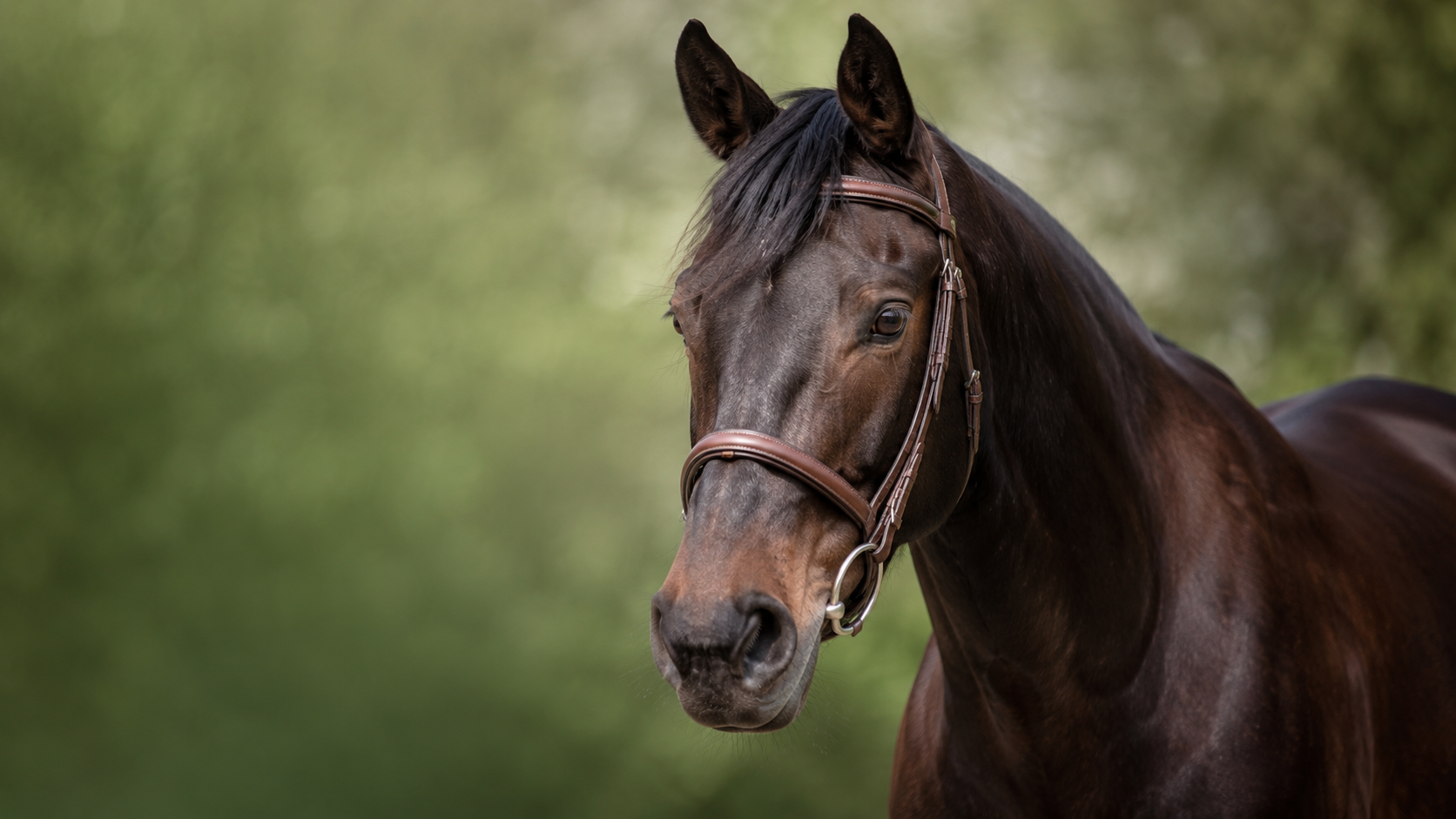
The breed at a glance
The Welsh Cob is renowned for its courageous, intelligent, and willing temperament. It is generally docile and easy to train, making it an excellent family and working horse, combining strength and kindness.
- Category
- cob
- Origin
- United Kingdom (Wales) · Antiquity (origins), 19th century (modern establishment)
- Height at withers
- à partir de 137 cm
- Weight
- 400–550 kg
- Lifespan
- 25-30 years
- Common coats
- bay, chestnut, grey, black, palomino, dun
- Disciplines
- Competitive Driving, Dressage, Show Jumping (at amateur level), TREC
- Other names
- Welsh Section D
Origin and history
The Welsh Cob originates from the indigenous ponies of Wales, used for centuries as mounts and draft animals. Crossings with Iberian horses, Thoroughbreds, and Hackneys helped establish its type in the 19th century, giving it strength and elegance. It was historically essential for transport, agriculture, and as an officer's horse. The breed is officially recognized by the Welsh Pony and Cob Society (WPCS), which manages its studbook.

Conformation and physique
The Welsh Cob is a large, powerful, and compact pony, with strong bone and well-developed musculature. It presents a harmonious silhouette, combining strength and elegance, typical of a cob.
Pony head, expressive, with a broad forehead, large lively eyes, and well-placed ears. The profile is straight or slightly concave.
Long and well-muscled neck, arched, blending harmoniously into a well-defined and muscular wither.
Short and strong back, taut and muscular topline. Deep and broad chest. Long, muscular, and slightly sloping hindquarters, with a high-set tail.
Strong and well-muscled limbs, with broad joints and short cannons. The feathering is abundant and silky, but not coarse. The feet are round, hard, and well-formed.
- Common coats: bay, chestnut, grey, black, palomino, dun
Temperament and aptitudes
The Welsh Cob is renowned for its courageous, intelligent, and willing temperament. It is generally docile and easy to train, making it an excellent family and working horse, combining strength and kindness.
The gaits are ample, energetic, and regular, with a particularly elevated and powerful trot, characteristic of the breed. The canter is balanced and comfortable.
- Uses: driving, recreational riding, trail riding, hunting, dressage, show jumping, family horse
- Disciplines: Competitive Driving, Dressage, Show Jumping (at amateur level), TREC, Pony Games
Feeding the Welsh Cob
The Welsh Cob is a horse with an efficient metabolism, inherited from its hardy origins. It tends to gain weight easily and must be monitored to prevent obesity. Its diet should primarily consist of good quality forage (hay, grass) and be low in sugars. Concentrates are only necessary during intense work and should be carefully selected for their low starch content.
Due to its efficient metabolism, the Welsh Cob is predisposed to Equine Metabolic Syndrome (EMS) and laminitis, especially if overfed or given unlimited access to rich grass. Careful dietary management is crucial to prevent these conditions.
With Equio, every feed, supplement or treat is read against the horse's real profile (age, weight, Body Condition Score, conditions) — useful for a Welsh Cob as soon as a metabolic or digestive sensitivity is known.

Health and points to watch
Regular monitoring of weight and body condition is essential to prevent obesity and associated pathologies. Particular attention must be paid to pasture management and hay quality to limit the risks of laminitis.
- More frequent conditions: Laminitis, Equine Metabolic Syndrome (EMS), Obesity
Care and grooming
Welsh Cob hooves are generally strong and require regular, appropriate trimming. The abundant feathering requires maintenance to prevent dermatitis (mud fever), especially in wet environments. The coat is dense and may require clipping in winter if the horse is working intensely.
Did you know?
- The Welsh Cob is the largest of the four sections of the Welsh Pony (Sections A, B, C, D).
- Historically, Welsh Cobs were used by doctors and merchants for their rounds, capable of covering long distances over difficult terrain.
- The elevated trot of the Welsh Cob was once an important selection criterion, valued for driving and parades.
The Welsh Cob and how to track it
The Welsh Cob breed is well-represented in France, with active breeders and a community of enthusiasts. It is valued for its versatility and temperament, both for leisure and competition.
Equio lets you build a complete profile for a Welsh Cob: identity, weight, Body Condition Score, feeding, conditions, care reminders (vaccines, worming, trimming) and an exportable health log. The breed sets the identity; everyday decisions still depend on the real horse and your vet's advice.
- Record the activity level: rest, leisure, sport or breeding
- Add known conditions or sensitivities
- Scan feeds, plants and care products
- Keep reminders (vaccines, worming, trimming)
- Prepare a PDF export before a vet appointment
Frequently asked questions
What is the difference between a Welsh Cob and a Welsh Pony?
The Welsh Cob (Section D) is the largest of the four sections of the Welsh Pony, distinguished by its size (over 137 cm) and its more powerful, cob-type conformation. The other sections (A, B, C) are smaller and have slightly different conformations.
Is the Welsh Cob suitable for beginners?
Yes, thanks to its calm, intelligent, and willing temperament, the Welsh Cob is often an excellent choice for beginners and riders of all levels, including children and adults, provided it receives appropriate training.
What is the annual upkeep budget for a Welsh Cob?
The budget varies depending on use and region, but you should expect to spend approximately 2000 to 4000 euros per year for feed, routine veterinary care, farrier services, and housing (boarding or facility maintenance).
Is the Welsh Cob a good driving horse?
Absolutely. The Welsh Cob is historically and intrinsically an excellent driving horse, thanks to its strength, endurance, powerful trot, and reliable temperament. It excels in this discipline, both for leisure and competition.
Can the Welsh Cob live out all year round?
Yes, the Welsh Cob is a hardy breed that adapts very well to year-round pasture life, provided there is natural or artificial shelter to protect against bad weather and appropriate pasture management to prevent obesity and laminitis.