
Horse breed
Highland Pony
The Highland Pony is an ancient breed originating from the Highlands and Islands of Scotland, descending from indigenous ponies. It was developed to be a robust working animal, capable of surviving harsh climatic conditions.
The breed at a glance
The Highland Pony is renowned for its calm, gentle, and willing temperament. It is intelligent, courageous, and very hardy, making it an excellent working and leisure companion. It is generally easy to handle and train.
- Category
- pony
- Origin
- Scotland · Antiquity / Middle Ages (established in the 19th century)
- Height at withers
- 132–148 cm
- Weight
- 450–600 kg
- Lifespan
- 25-30 years
- Common coats
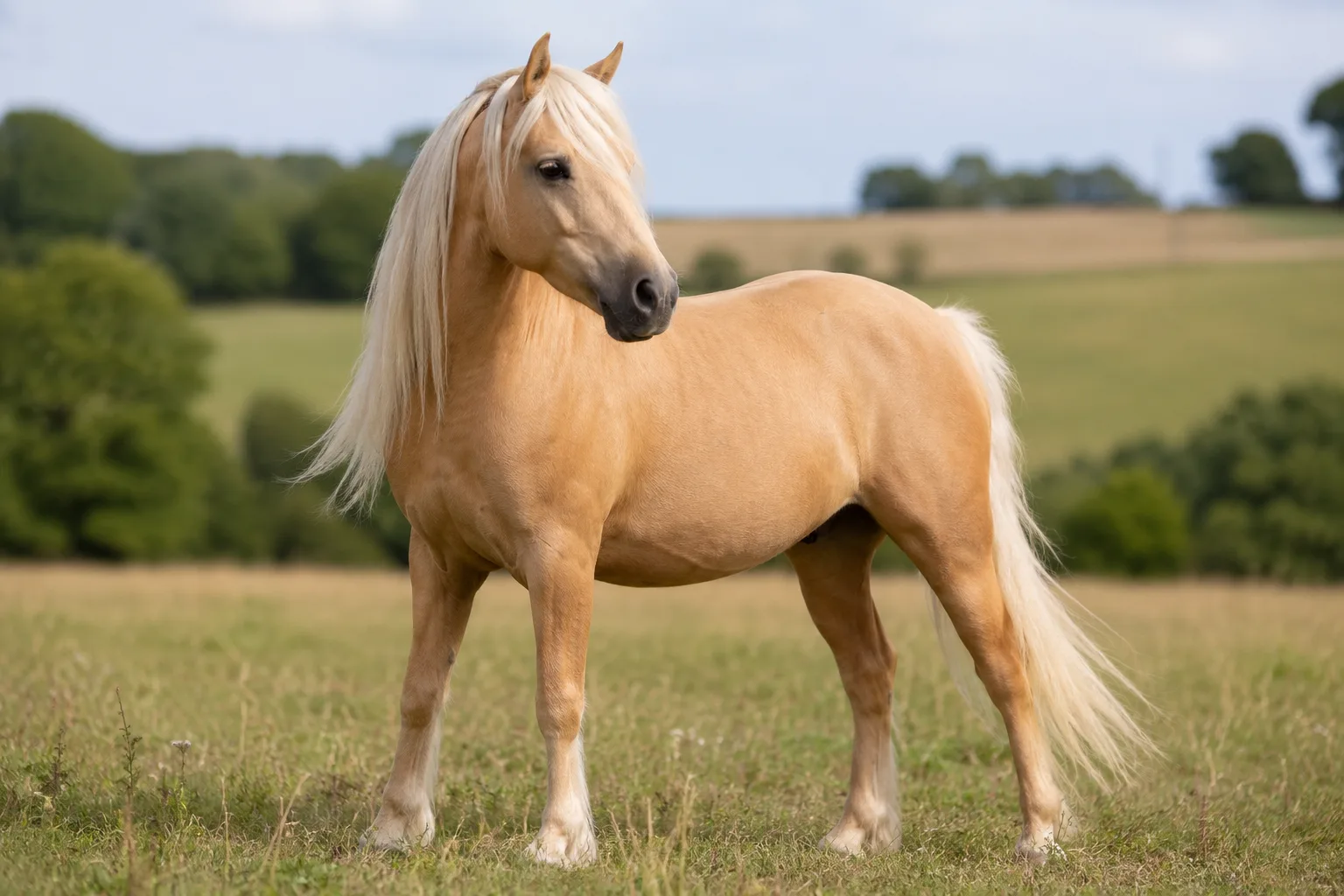
- grey, black, bay, mouse-dun, cream
- Disciplines
- equestrian trail riding, driving, light schooling, show jumping (small classes)
- Other names
- Highland Pony
Origin and history
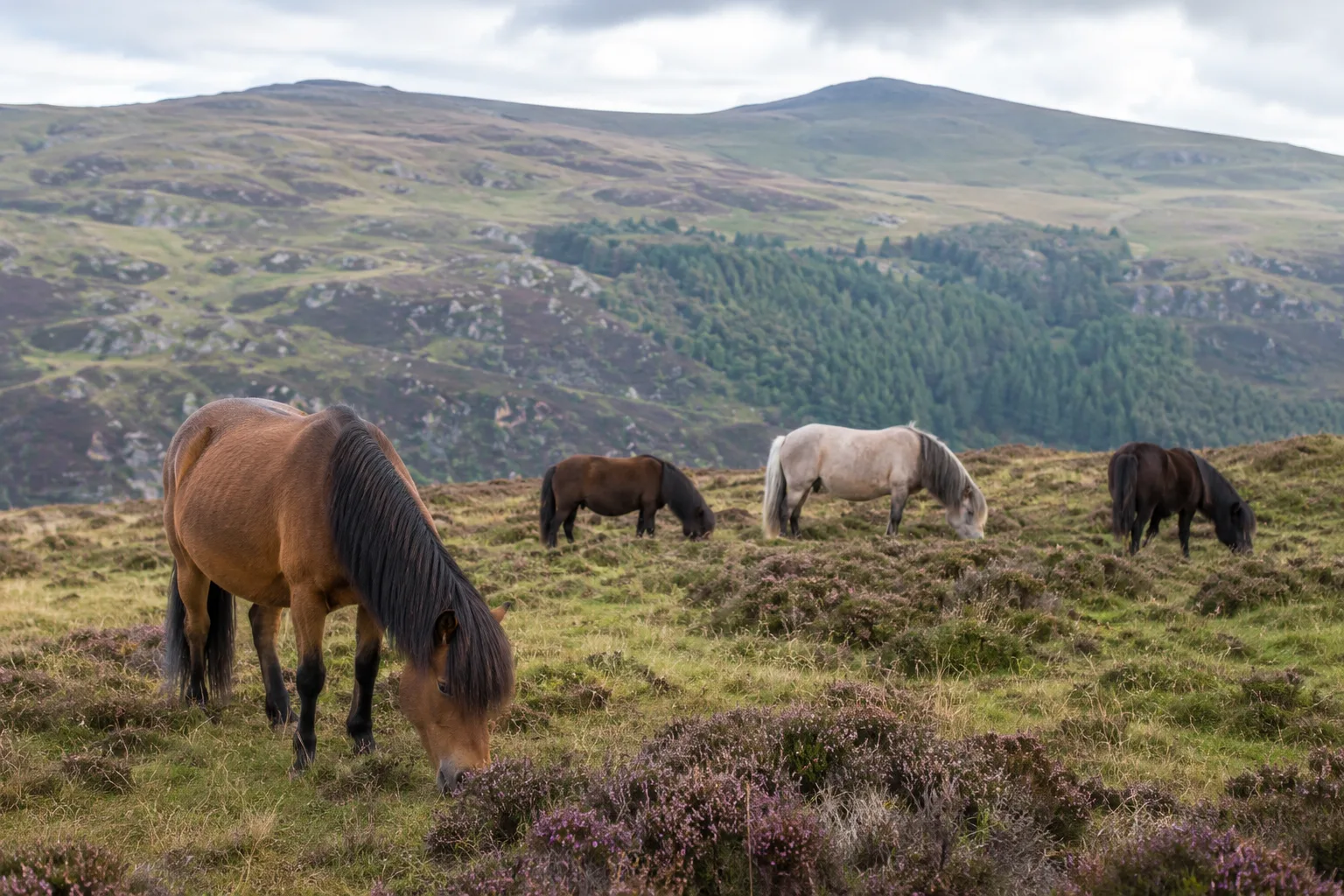
The Highland Pony is an ancient breed originating from the Highlands and Islands of Scotland, descending from indigenous ponies. It was developed to be a robust working animal, capable of surviving harsh climatic conditions. Crossings with draft horses and Scandinavian ponies contributed to its current conformation. The breed was officially recognized and a studbook established in the late 19th century.
Conformation and physique
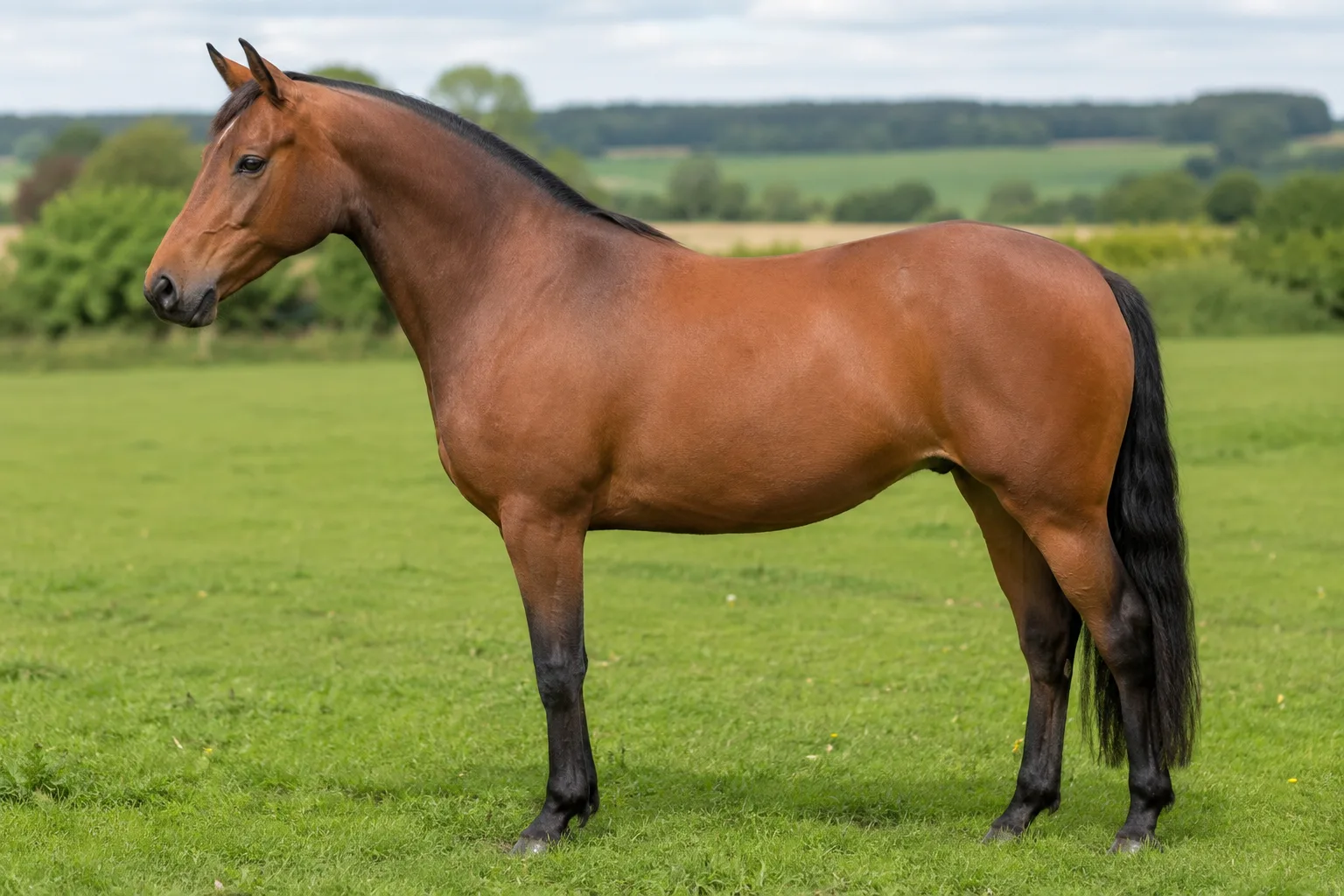
It is a medium to large-sized pony, powerful and compact, with strong bone and well-developed musculature. It conveys an impression of robustness and hardiness, adapted to its mountainous environment.
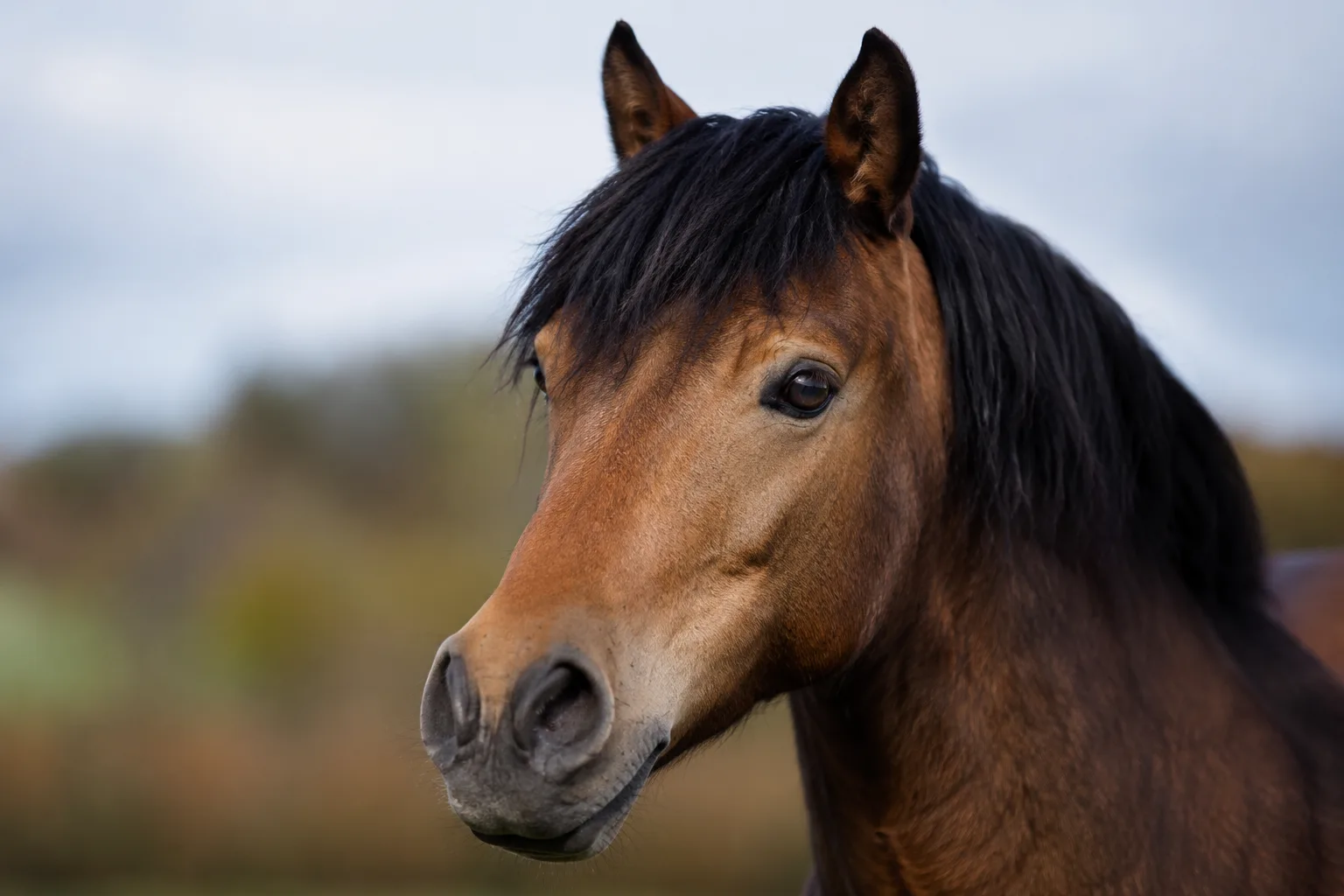
The head is well-proportioned, with a broad forehead, expressive eyes, and a straight or slightly concave profile. The nostrils are wide and the ears are medium-sized, well-set.
The neck is strong, well-muscled, and well-set, widening towards a low but well-sloped wither. It is proportionate to the body, giving an impression of power.
The back is short and strong, the topline is straight and muscular. The chest is broad and deep, offering good lung capacity. The croup is powerful, rounded, and well-muscled, with a well-set tail.
The limbs are short, strong, and have substantial bone. The joints are wide and sound. The feathering is abundant and silky, protecting the fetlocks. The feet are wide, round, and very hard, adapted to difficult terrain.
- Common coats: grey, black, bay, mouse-dun, cream
Temperament and aptitudes
The Highland Pony is renowned for its calm, gentle, and willing temperament. It is intelligent, courageous, and very hardy, making it an excellent working and leisure companion. It is generally easy to handle and train.
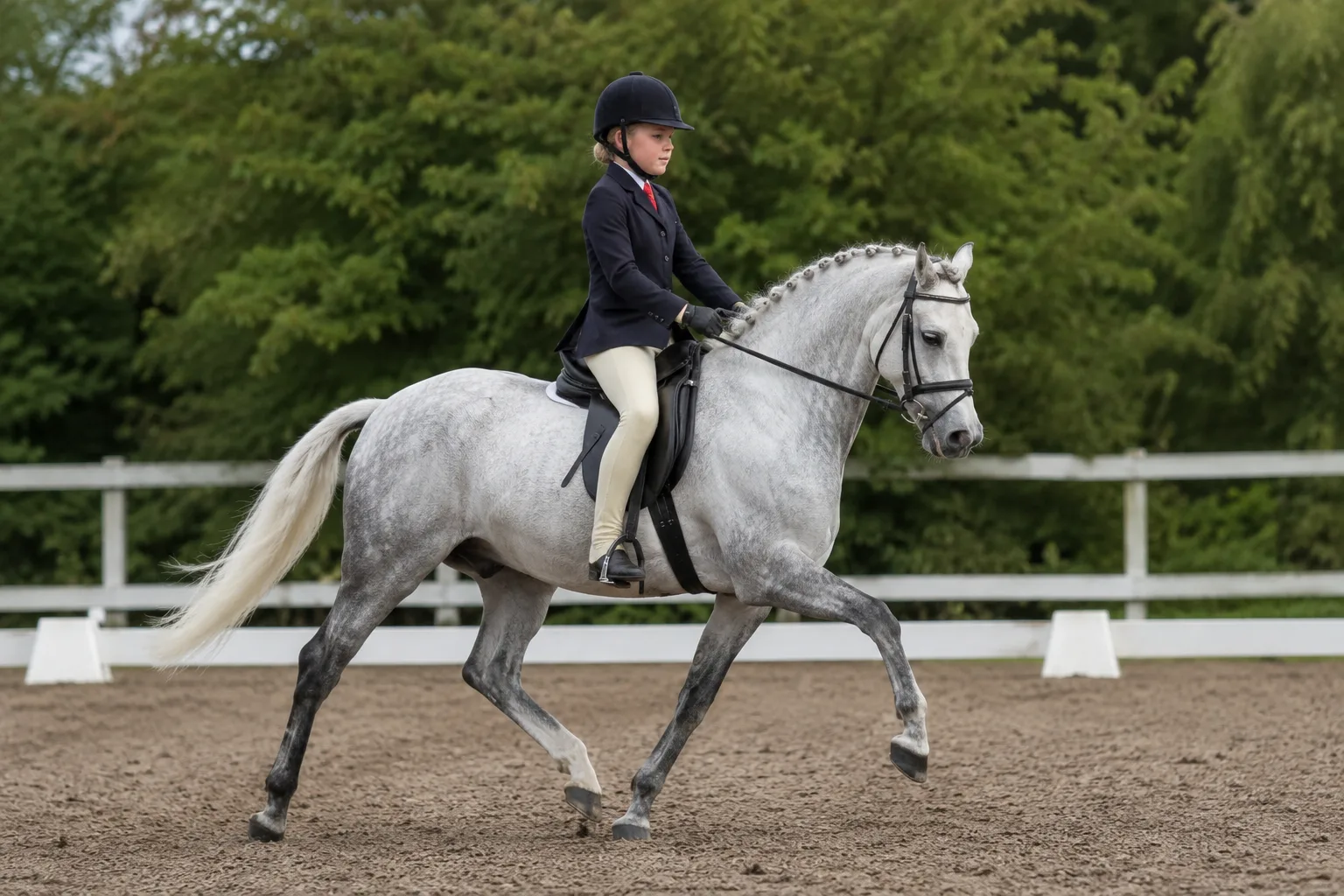
The gaits are free, active, and energetic, with good amplitude. The walk is regular, the trot is supple, and the canter is balanced, allowing the pony to cover ground with ease and sure-footedness.
- Uses: pack saddle, driving, recreational riding, trail riding, hunting, light agricultural work, breeding
- Disciplines: equestrian trail riding, driving, light schooling, show jumping (small classes), TREC
Feeding the Highland Pony
The Highland Pony is a hardy pony with a very efficient metabolism, capable of thriving on low-quality forage. It has a strong tendency to become overweight if overfed or if it has unlimited access to rich grass. Its diet should primarily consist of medium to low-quality forage (hay or grass) in controlled quantities. Concentrates are generally only necessary for ponies in intense work or pregnant/lactating mares, and should be given sparingly.
Due to its efficient metabolism, the Highland Pony is particularly predisposed to laminitis and Equine Metabolic Syndrome (EMS), especially if fed a diet too rich in sugars and starch or if it is overweight. Careful management of diet and weight is crucial to prevent these conditions.
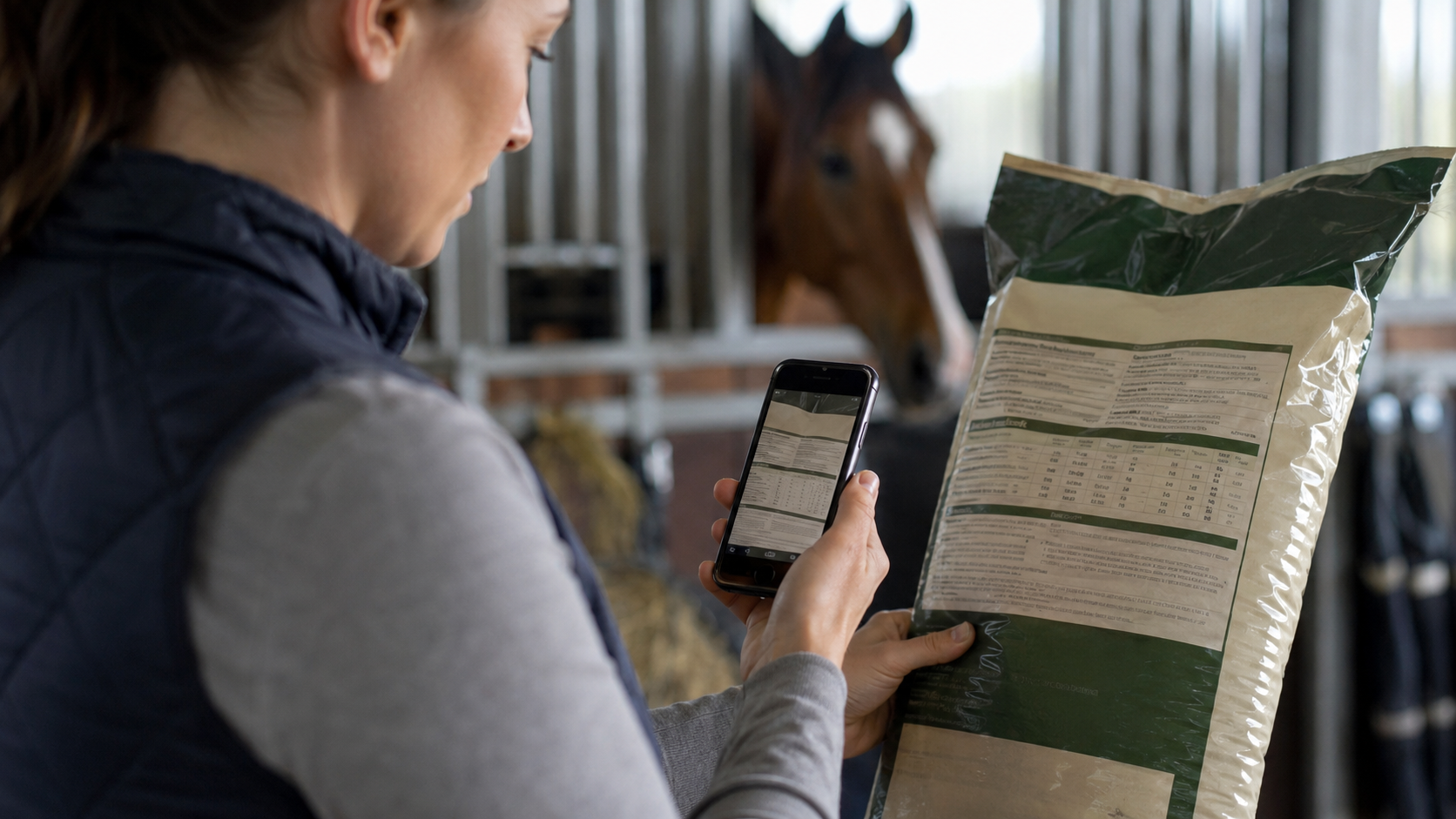
With Equio, every feed, supplement or treat is read against the horse's real profile (age, weight, Body Condition Score, conditions) — useful for a Highland Pony as soon as a metabolic or digestive sensitivity is known.

Health and points to watch
Regular monitoring of weight and body condition is essential to prevent obesity and associated metabolic diseases. Vigilance for signs of laminitis is important, especially during seasonal changes or when gaining access to rich grass. Regular hoof trimming is important to maintain hoof health.
- More frequent conditions: laminitis, Equine Metabolic Syndrome (EMS), obesity
Care and grooming
Care is relatively simple for this hardy breed. Their very hard hooves require regular trimming but are rarely shod, except for intense work on abrasive terrain. The abundant mane, tail, and feathering should be brushed regularly to prevent knots and maceration, especially in wet weather. The thick coat does not require clipping, except for intensive work in winter. Particular attention should be paid to the skin under the feathering to prevent mud fever.
Did you know?
- The Highland Pony is one of the few British pony breeds that has retained its original characteristics without significant input from foreign bloodlines.
- Grey and mouse dun coats are very characteristic of the breed, often with a dorsal stripe and leg barring, remnants of its primitive ancestors.
- Historically, it was used to transport game (deer) shot during hunts in the Highlands, hence its nickname 'Deer Pony'.
The Highland Pony and how to track it
The breed is present in France, but in limited numbers. It is appreciated by some breeders and private owners for leisure riding, trekking, and driving, particularly for its hardiness and good temperament.
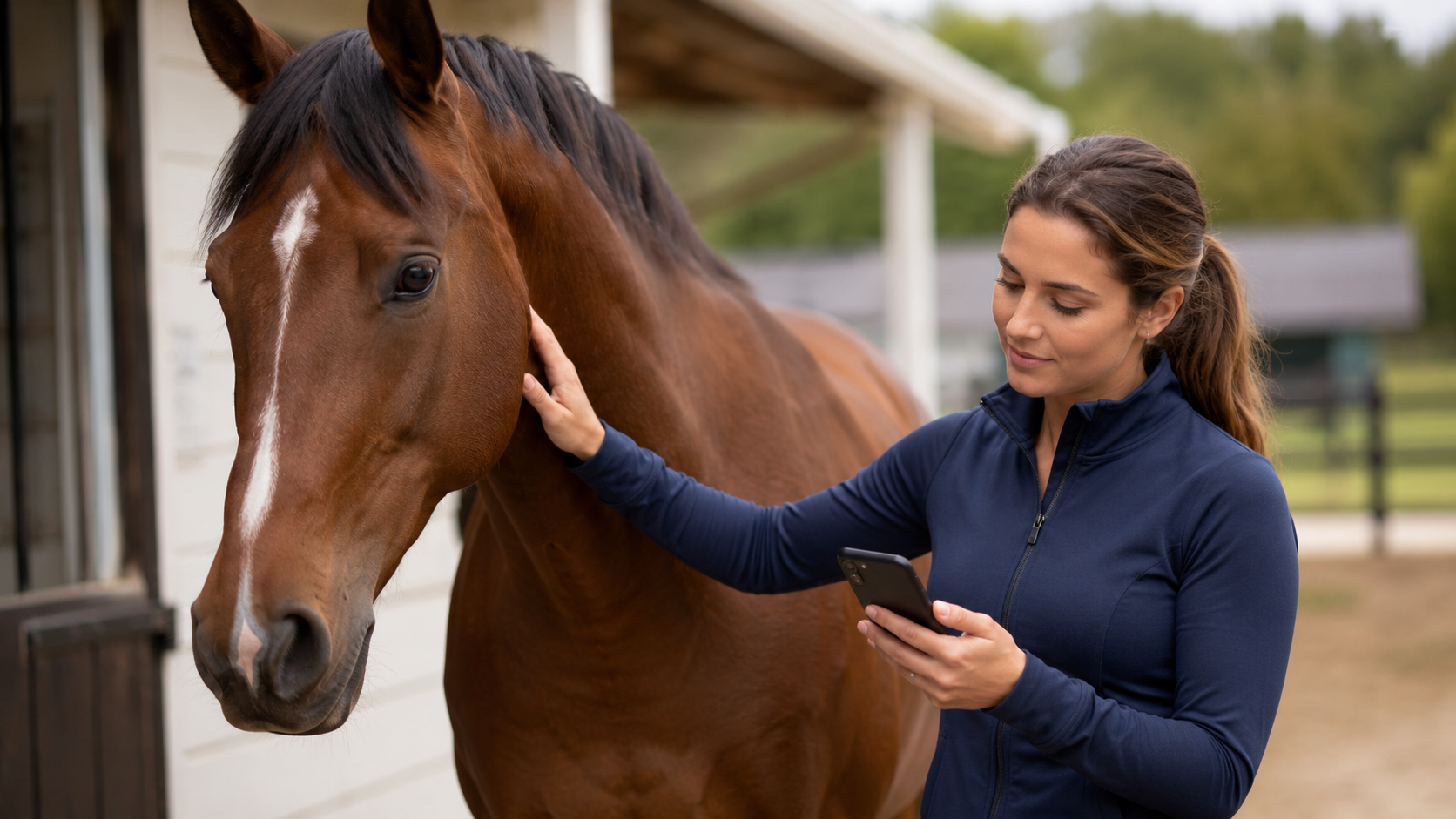
Equio lets you build a complete profile for a Highland Pony: identity, weight, Body Condition Score, feeding, conditions, care reminders (vaccines, worming, trimming) and an exportable health log. The breed sets the identity; everyday decisions still depend on the real horse and your vet's advice.
- Record the activity level: rest, leisure, sport or breeding
- Add known conditions or sensitivities
- Scan feeds, plants and care products
- Keep reminders (vaccines, worming, trimming)
- Prepare a PDF export before a vet appointment
Frequently asked questions
Is the Highland Pony suitable for beginners?
Yes, thanks to its calm, gentle, and patient temperament, the Highland Pony is generally very well suited for beginner riders and children. Its robustness and straightforward nature make it an excellent pony for learning and family leisure.
What is the cost of keeping a Highland Pony?
The cost of keeping a Highland Pony is relatively moderate. Its hardiness and efficient metabolism allow it to live primarily on pasture with minimal concentrate feed, reducing feeding expenses. Veterinary and farriery costs are comparable to those of other ponies.
Can you do show jumping with a Highland Pony?
The Highland Pony is capable of jumping and can participate in club or amateur level show jumping competitions. However, it is not its preferred discipline. It excels more in outdoor activities such as trekking, driving, or TREC.
Is the Highland Pony a good family pony?
Absolutely. Its balanced temperament, versatility, and robustness make it an excellent family pony, capable of carrying both adults and children. It is reliable and safe, ideal for family leisure riding activities.
What are the particularities of its coat?
Highland Pony coats are often variants of grey, black, bay, mouse dun (grullo), and cream (dun). Many display primitive markings such as a dorsal stripe along the back and leg barring, as well as a two-toned mane and tail (lighter at the edges).