
Horse breed
Oldenburger
The Oldenburger originates from the Oldenburg region in Lower Saxony. Initially developed as a robust carriage and agricultural workhorse in the 17th century, it was strongly influenced by crosses with Iberian, Neapolitan, and Oriental breeds.
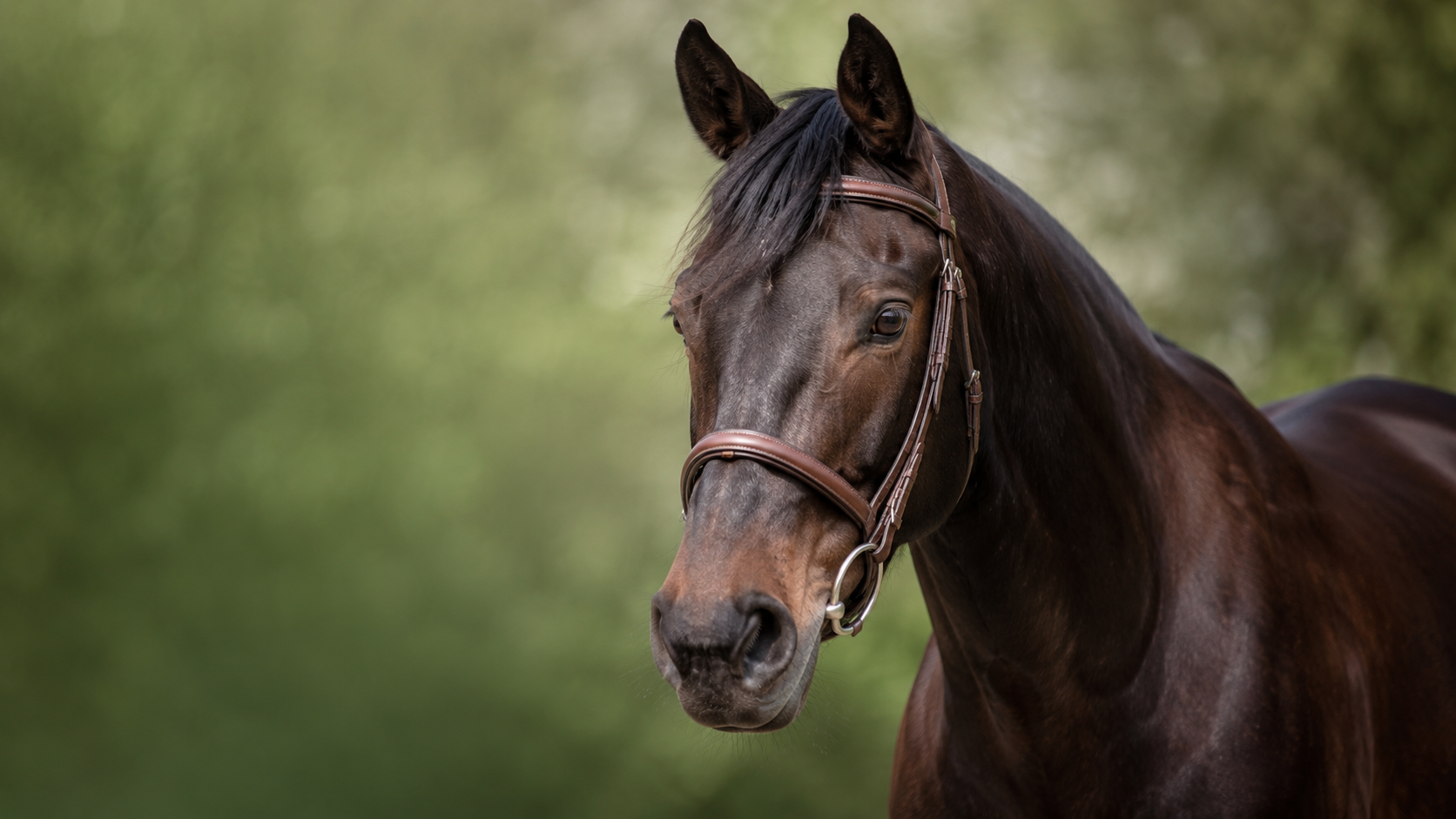
The breed at a glance
The Oldenburger is renowned for its balanced, intelligent, and willing temperament. It is generally calm, cooperative, and easy to train, making it an excellent partner for sport and leisure. It combines strength and refinement, with a great aptitude for work.
- Category
- sport horse
- Origin
- Germany · 17th century (foundation), 20th century (modernization)
- Height at withers
- 165–175 cm
- Weight
- 550–700 kg
- Lifespan
- 20-25 years
- Common coats
- bay, chestnut, black, grey
- Disciplines
- dressage, show jumping, eventing, driving
- Other names
- Oldenburg
Origin and history
The Oldenburger originates from the Oldenburg region in Lower Saxony. Initially developed as a robust carriage and agricultural workhorse in the 17th century, it was strongly influenced by crosses with Iberian, Neapolitan, and Oriental breeds. In the 20th century, the breed was transformed into a modern sport horse through the introduction of English Thoroughbred and Hanoverian blood. The studbook is managed by the Oldenburger Pferdezuchtverband e.V, which is internationally recognized.
Conformation and physique
The Oldenburger is a large-framed, powerful, and athletic horse, with strong bone structure and well-developed musculature. Its silhouette is harmonious, typical of a modern sport horse.
The head is expressive, medium-sized, with a straight or slightly convex profile. The eyes are large and lively, the ears well-set and mobile.
The neck is long, well-muscled, and elegantly arched, blending harmoniously into a long, well-defined wither, promoting balance and suppleness.
The back is strong and short, the topline is taut and muscular. The chest is deep and broad, providing ample room for the lungs. The croup is long, muscular, and slightly sloping, with a well-set tail.
The limbs are strong, with large and well-defined joints. The cannons are short and strong, the pasterns of good length. The feet are round, well-proportioned, and resilient. Feathering is generally sparse.
- Common coats: bay, chestnut, black, grey
Temperament and aptitudes
The Oldenburger is renowned for its balanced, intelligent, and willing temperament. It is generally calm, cooperative, and easy to train, making it an excellent partner for sport and leisure. It combines strength and refinement, with a great aptitude for work.
The gaits are expansive, supple, and energetic, with good balance and marked impulsion. The walk is regular, the trot is elevated and expressive, and the canter is powerful and rhythmic, with good ground cover.
- Uses: carriage horse (historical), saddle horse, sport horse
- Disciplines: dressage, show jumping, eventing, driving
Feeding the Oldenburger
As a sport horse, the Oldenburger has a demanding athletic metabolism. It requires a balanced and energy-rich diet to support its performance. It does not have a particular tendency to become overweight if worked regularly. Good quality forage (hay or grass) should form the basis of its diet, supplemented by concentrates tailored to its activity level, rich in protein, vitamins, and minerals.
The Oldenburger breed does not show documented predispositions to specific dietary sensitivities such as laminitis, EMS, or PSSM more frequently than the general equine population. However, like any sport horse, careful management of sugar and starch intake is recommended to prevent digestive and metabolic disorders related to an unbalanced diet.
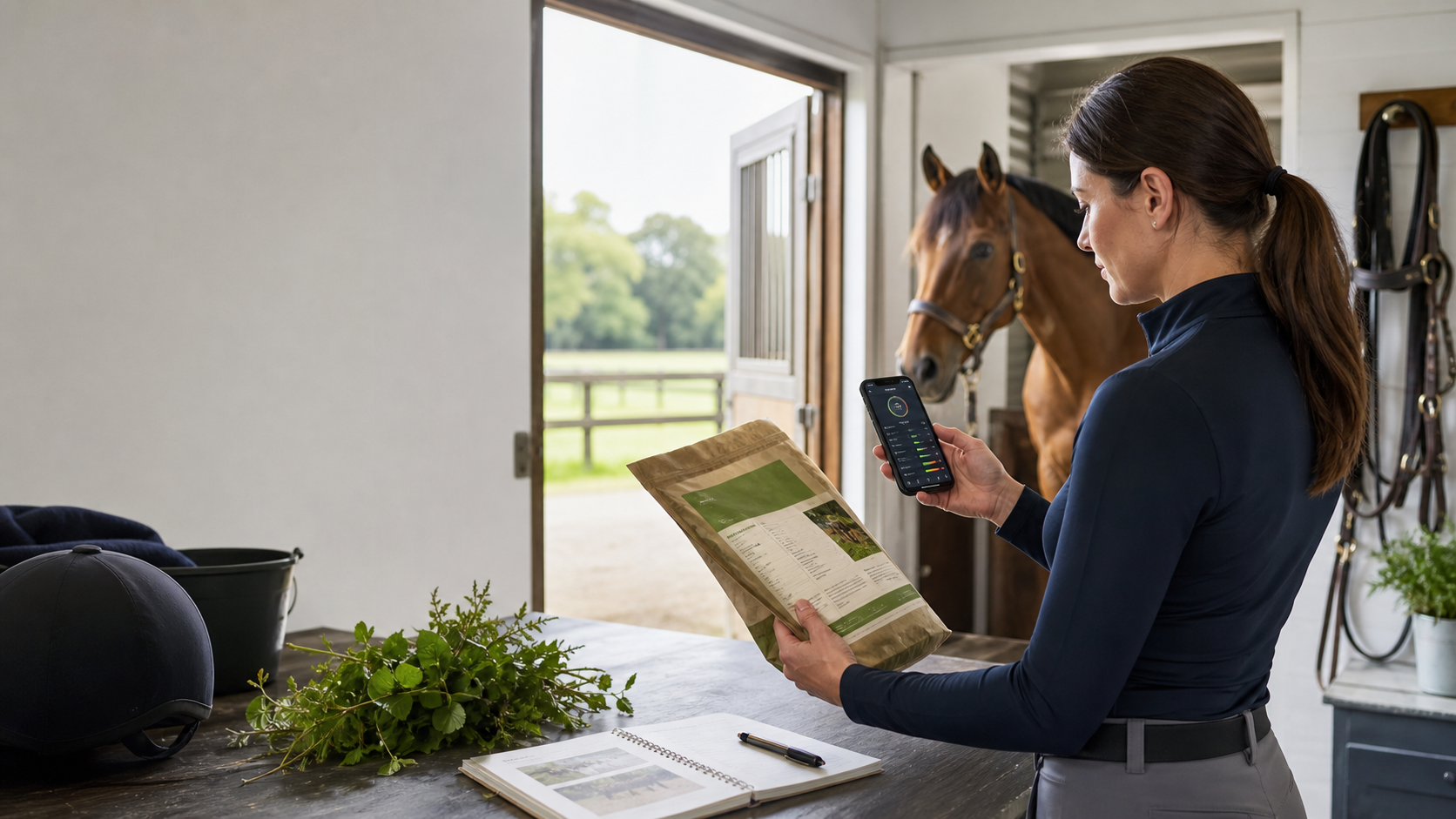
With Equio, every feed, supplement or treat is read against the horse's real profile (age, weight, Body Condition Score, conditions) — useful for a Oldenburger as soon as a metabolic or digestive sensitivity is known.
Health and points to watch
Regular monitoring of joints and tendons is essential, especially in sport horses subjected to intense training. Regular veterinary follow-up, including lameness evaluations, is recommended to detect and manage early any potential problems related to wear and tear or sports injuries.
- More frequent conditions: musculoskeletal conditions (related to intense athletic exertion), respiratory problems (as with any athletic horse)
Care and grooming
The Oldenburger requires standard care for a sport horse. Regular and appropriate hoof trimming or shoeing is crucial for maintaining good hoof health. The coat is generally easy to maintain, but daily grooming is recommended. Clipping is often practiced for sport horses in intense work. The mane, tail, and feathering are generally sparse and do not require specific care beyond usual grooming.
Did you know?
- The Oldenburger is one of the most successful sport horse breeds in the world, with many representatives having won medals at the Olympic Games and World Championships.
- The Oldenburger studbook is highly selective, accepting only stallions and mares that meet strict criteria for performance, conformation, and temperament.
- The Oldenburger brand is a crowned 'O', symbolizing quality and prestige.
The Oldenburger and how to track it
The Oldenburger is well represented in France, particularly in dressage and show jumping disciplines. It is appreciated by professional and amateur riders for its athletic qualities and temperament. Breeding is less developed than in Germany, but regular imports and a few breeders contribute to its presence.
Equio lets you build a complete profile for a Oldenburger: identity, weight, Body Condition Score, feeding, conditions, care reminders (vaccines, worming, trimming) and an exportable health log. The breed sets the identity; everyday decisions still depend on the real horse and your vet's advice.
- Record the activity level: rest, leisure, sport or breeding
- Add known conditions or sensitivities
- Scan feeds, plants and care products
- Keep reminders (vaccines, worming, trimming)
- Prepare a PDF export before a vet appointment
Frequently asked questions
What is the average price of an Oldenburger?
The price of an Oldenburger varies considerably depending on its age, training level, lineage (pedigree, parental performance), and athletic potential. A young, unbroken horse can cost from 5,000 to 15,000 euros, while a proven sport horse with good performance records can reach several tens of thousands of euros, or even more for elite horses.
Is the Oldenburger suitable for beginner riders?
While the Oldenburger is known for its good temperament and cooperativeness, its size and power can make it less suitable for beginner riders. It is preferable for a rider who already has some experience and is capable of handling a large, energetic horse. For a beginner, a very well-trained and calm Oldenburger might be suitable, under the supervision of a professional.
What are the main qualities of the Oldenburger in dressage?
In dressage, the Oldenburger excels with its expansive and expressive gaits, suppleness, balance, and ability to collect. Its willing temperament and ease of learning make it a talented student, capable of executing the most complex movements with elegance and precision.
How to choose an Oldenburger?
To choose an Oldenburger, it is essential to define your objectives (leisure, dressage, jumping, etc.) and your experience level. Prioritize a horse with good lineage, sound conformation, and a temperament suited to your expectations. Do not hesitate to have a thorough pre-purchase examination performed by a veterinarian and to try several horses to find the one that best suits you.
Is the Oldenburger a good family horse?
Yes, the Oldenburger can be an excellent family horse for experienced riders. Its calm and cooperative temperament makes it pleasant to be around. However, its size and energy require appropriate management. It can be versatile and participate in various activities, but it is not recommended for very young children or very novice riders without supervision.