
Horse breed
North American Single-Footing Horse
The North American Single-Footing Horse is a relatively recent breed, developed in the United States from the late 20th century. Its primary objective was to preserve and promote horses capable of producing a comfortable and fast four-beat lateral gait, known as the 'single-foot'.

The breed at a glance
These horses are renowned for their gentle temperament, intelligence, and willingness to work. They are generally calm, cooperative, and easy to train, making them excellent partners for riders of all levels.
- Category
- saddle horse
- Origin
- United States · Late 20th century
- Height at withers
- 142–163 cm
- Weight
- 400–550 kg
- Lifespan
- 25-30 years
- Common coats
- all coat colors are accepted, bay, chestnut, black, grey, palomino, dun, roan, pinto
- Disciplines
- trail riding, trail, recreational riding, gait competitions
- Other names
- NASFH
Origin and history
The North American Single-Footing Horse is a relatively recent breed, developed in the United States from the late 20th century. Its primary objective was to preserve and promote horses capable of producing a comfortable and fast four-beat lateral gait, known as the 'single-foot'. The breed was established from various American gaited horse breeds, specifically selected for their natural ability to perform this gait. The breed association, the North American Single-Footing Horse Association (NASFHA), was founded to register and promote these horses.
Conformation and physique
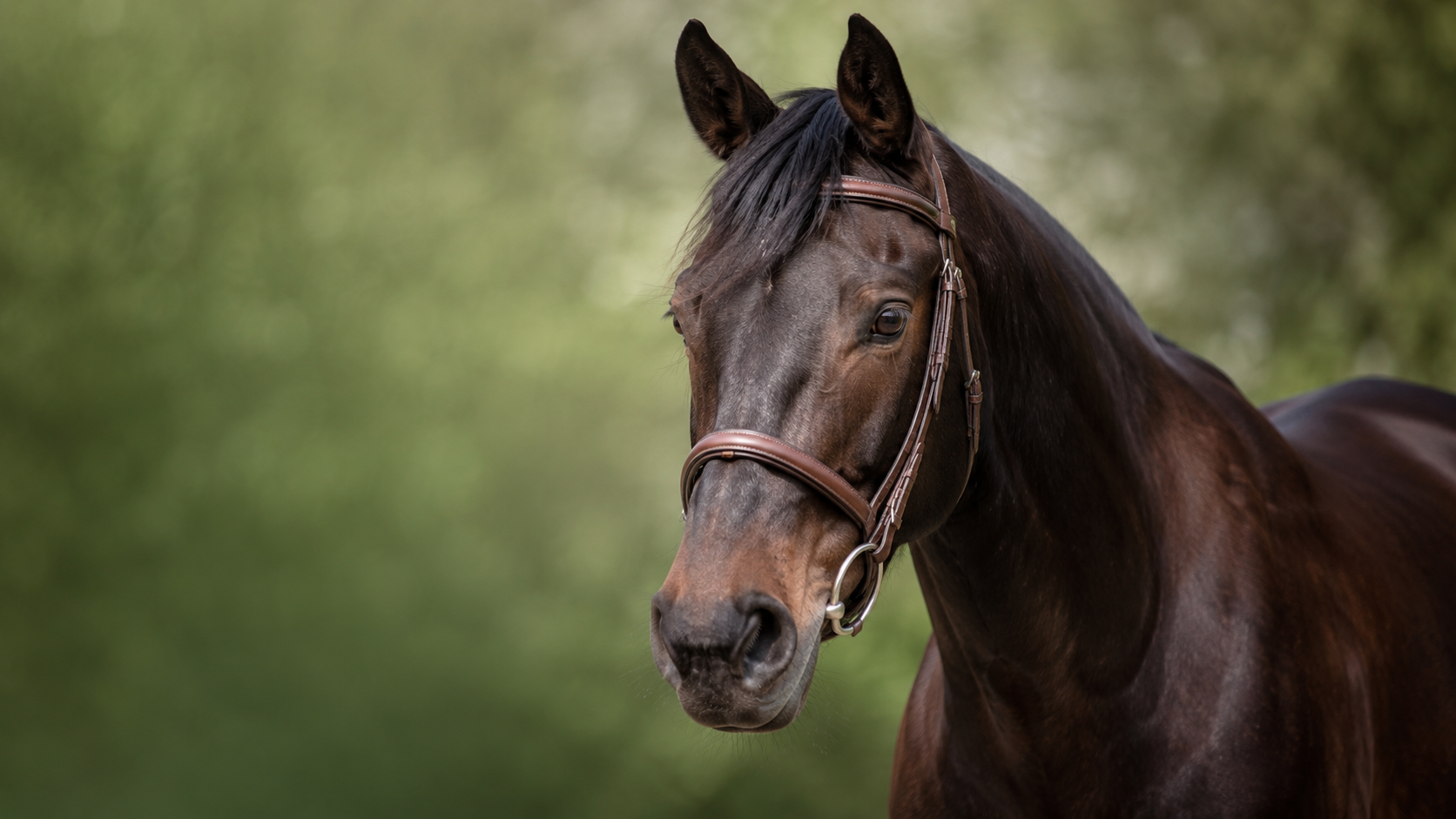
The North American Single-Footing Horse is a medium-sized, well-proportioned riding horse with a solid yet refined bone structure. It exhibits an athletic and elegant build, suited for endurance and comfort under saddle.
The head is medium-sized, well-chiseled, with a straight or slightly concave profile. The eyes are large and expressive, the ears alert and well-placed.
The neck is long, muscular, and well-arched, blending harmoniously into a well-defined wither. It contributes to an elegant head carriage.
The back is short and strong, with a solid topline. The chest is deep and wide, ensuring good lung capacity. The croup is muscular and slightly sloped.
The limbs are straight, clean, and well-muscled, with well-defined joints and clearly delineated tendons. The hooves are of good size and well-formed. Feathering is generally sparse.
- Common coats: all coat colors are accepted, bay, chestnut, black, grey, palomino, dun, roan, pinto
Temperament and aptitudes
These horses are renowned for their gentle temperament, intelligence, and willingness to work. They are generally calm, cooperative, and easy to train, making them excellent partners for riders of all levels.
The distinctive characteristic of the breed is its 'single-foot' gait, a four-beat lateral gait, very comfortable for the rider and allowing for covering long distances at a sustained speed.
- Uses: recreational riding, equestrian trail riding, light work riding, gait competition
- Disciplines: trail riding, trail, recreational riding, gait competitions
Feeding the North American Single-Footing Horse
The North American Single-Footing Horse generally has a balanced metabolism, being neither excessively thrifty nor a demanding athlete. It requires a basic diet consisting mainly of good quality forage (hay or grass). Concentrate requirements will depend on the intensity of work; a horse in light to moderate work may only need a mineral and vitamin supplement, while a horse in more intense work will require an intake of cereals or compound feeds.
There are no documented specific predispositions to dietary sensitivities or major metabolic risks for this breed. However, as with any horse, a balanced diet tailored to activity is crucial to prevent conditions such as laminitis or Equine Metabolic Syndrome (EMS), especially in cases of overweight or lack of exercise.
With Equio, every feed, supplement or treat is read against the horse's real profile (age, weight, Body Condition Score, conditions) — useful for a North American Single-Footing Horse as soon as a metabolic or digestive sensitivity is known.

Health and points to watch
As the breed is relatively recent and derived from various crosses, it is important to monitor general health and ensure regular veterinary check-ups. Particular attention should be paid to foot health, which is essential for gaited horses, and to weight management to prevent common metabolic problems in equids.
Care and grooming
Routine care includes regular hoof trimming to maintain balance and good foot health, which is particularly important for gaited horses. Coat maintenance is standard, with regular brushing. The mane and tail can be left long or trimmed according to owner preference. Clipping is performed if necessary depending on the climate and work level.
Did you know?
- The 'single-foot' is a four-beat gait where each foot strikes the ground independently, creating a smooth, rolling motion.
- This gait is often compared to a fast walk or a slow amble, but with a distinct footfall sequence.
- The goal of the NASFHA is to preserve horses that naturally perform this gait, without artificial aids or special shoes.
The North American Single-Footing Horse and how to track it
The North American Single-Footing Horse breed is very poorly represented in France. Its breeding is almost non-existent, and its use is limited to a few enthusiasts or individual imports.
Equio lets you build a complete profile for a North American Single-Footing Horse: identity, weight, Body Condition Score, feeding, conditions, care reminders (vaccines, worming, trimming) and an exportable health log. The breed sets the identity; everyday decisions still depend on the real horse and your vet's advice.
- Record the activity level: rest, leisure, sport or breeding
- Add known conditions or sensitivities
- Scan feeds, plants and care products
- Keep reminders (vaccines, worming, trimming)
- Prepare a PDF export before a vet appointment
Frequently asked questions
What is the main characteristic of the North American Single-Footing Horse?
Its main characteristic is its 'single-foot' gait, a very comfortable and fluid four-beat lateral gait, which allows for covering long distances without excessive fatigue for the rider.
Is the North American Single-Footing Horse suitable for beginners?
Yes, thanks to its gentle temperament, docility, and the comfort of its gaits, it is often considered an excellent choice for beginner riders or those seeking a safe and pleasant horse to ride.
How to maintain the gaits of a North American Single-Footing Horse?
Maintaining the gaits relies on good training, appropriate trimming, and a well-fitted saddle. The breed is selected for its natural ability to produce the 'single-foot', so regular and correct work is usually sufficient to maintain this gait.
Where can North American Single-Footing Horses be found in France?
The breed is very rare in France. It is unlikely to find dedicated breeding establishments. Available horses would probably be imports or isolated individuals, often through contacts specializing in American gaited breeds.
Is the North American Single-Footing Horse a good trail horse?
Absolutely. Its endurance, comfortable gait, and reliable temperament make it an excellent companion for trail riding, capable of covering long distances over varied terrain with ease.