
Horse breed
Gidran
The Gidran breed was developed at the Mezőhegyes stud farm in Hungary, starting in 1816. It originated from the crossing of a grey Arabian stallion named Siglavy Gidran with local mares, primarily Transylvanian and Spanish mares.
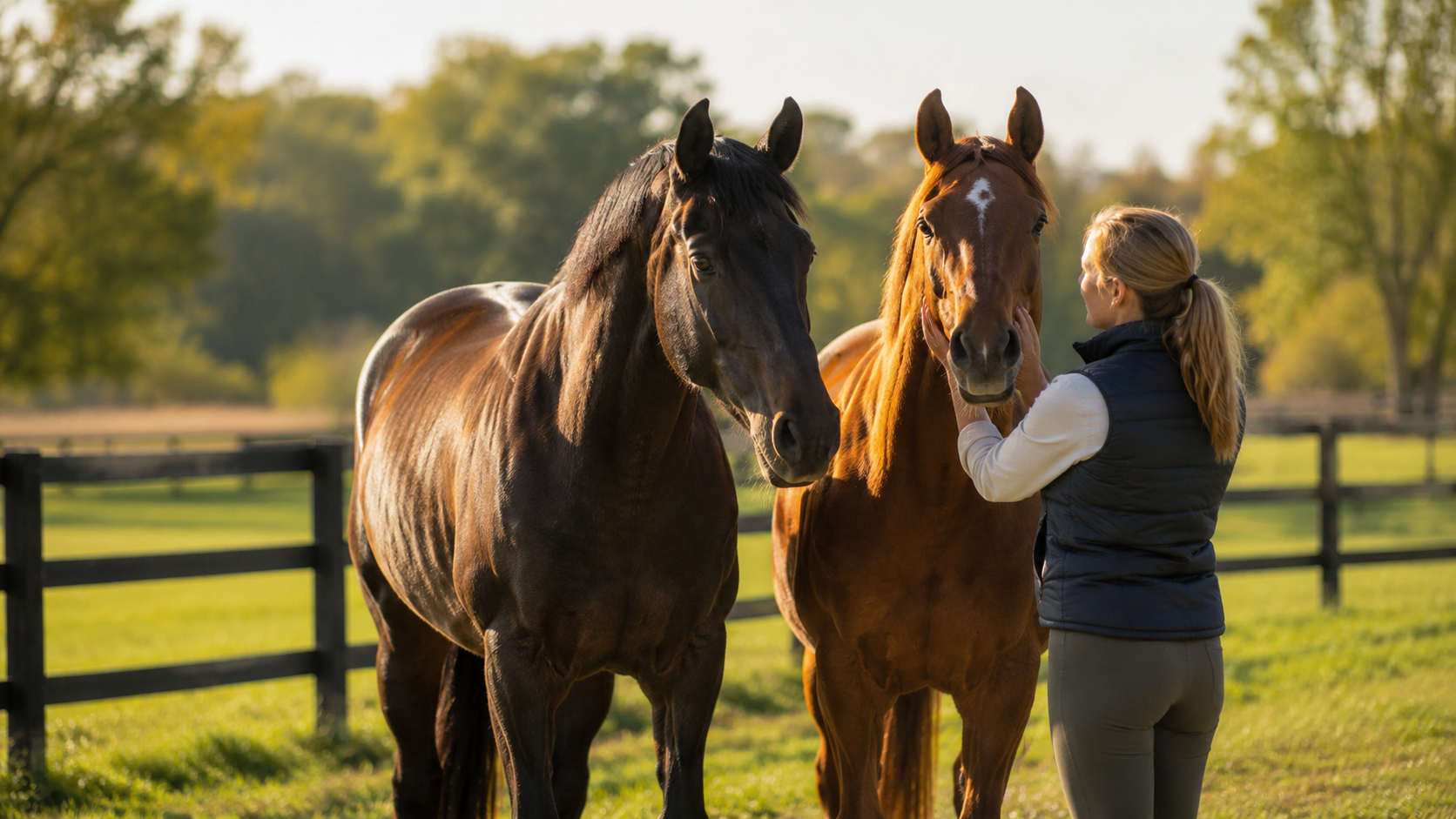
The breed at a glance
The Gidran is an intelligent, courageous, and willing horse with a balanced temperament. It is responsive and energetic, but generally easy to train and cooperative, making it a good partner for sport.
- Category
- sport horse
- Origin
- Hungary · Early 19th century
- Height at withers
- 160–170 cm
- Weight
- 500–600 kg
- Lifespan
- 25-30 years
- Common coats
- chestnut
- Disciplines
- Show Jumping, Eventing, Dressage, Driving
- Other names
- Gidran Arab
Origin and history
The Gidran breed was developed at the Mezőhegyes stud farm in Hungary, starting in 1816. It originated from the crossing of a grey Arabian stallion named Siglavy Gidran with local mares, primarily Transylvanian and Spanish mares. The goal was to create a robust and elegant cavalry horse. The breed was officially recognized and its studbook established in the early 20th century.

Conformation and physique
The Gidran is a medium to large-sized horse, athletic and elegant, with a solid yet refined bone structure. It presents a harmonious silhouette, typical of a sport horse with oriental origins.
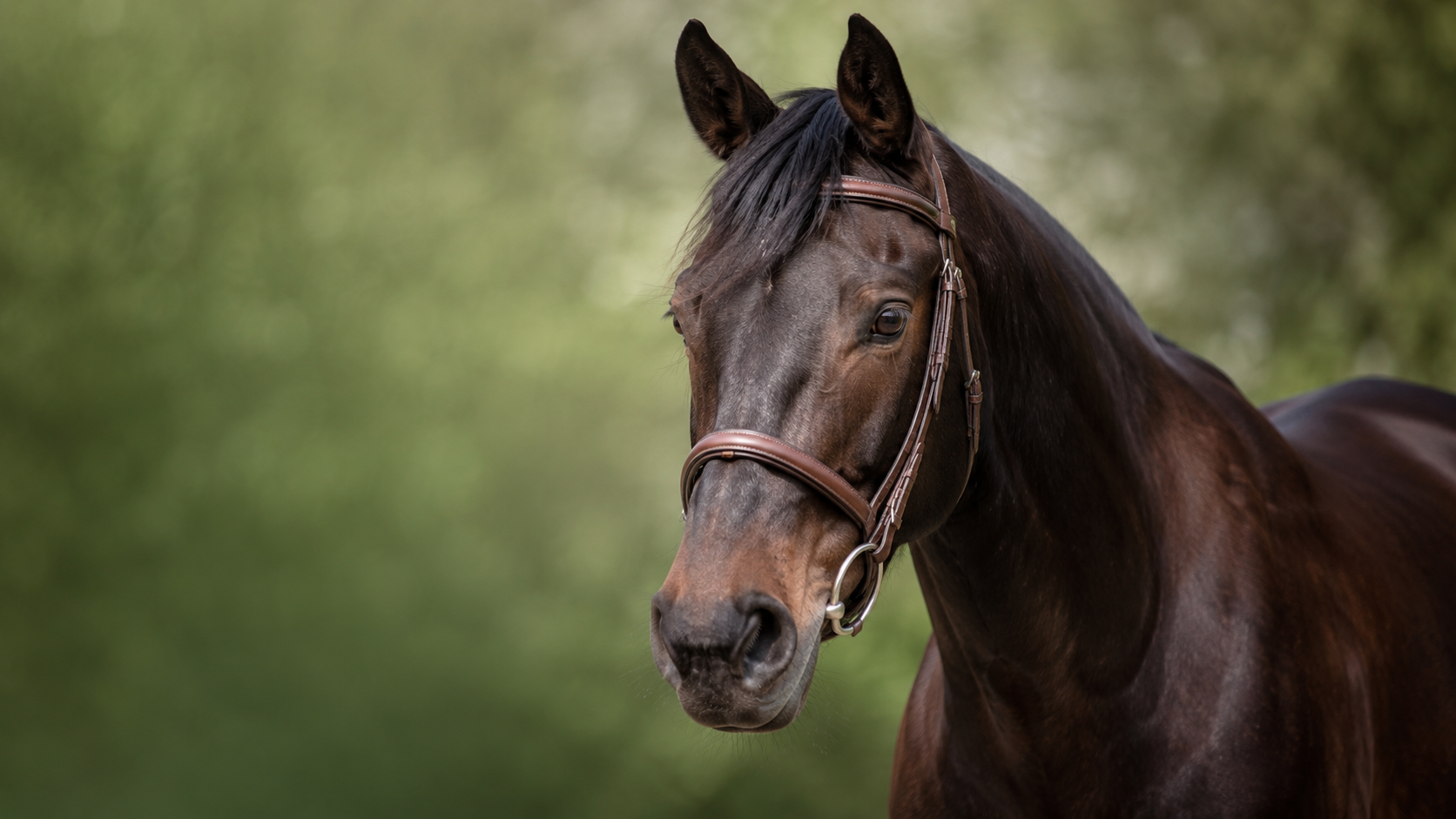
The head is well-proportioned, often with a straight or slightly concave (Arabian) profile, large and expressive eyes, wide nostrils, and well-set, mobile ears.
The neck is long, well-muscled, and arched, blending harmoniously into a well-defined and extended wither.
The back is short and strong, the topline is taut and muscular. The chest is deep and wide, and the croup is long, muscular, and slightly sloped.
The limbs are long, clean, and strong, with well-defined joints and clean tendons. The cannon bones are robust, and the feet are well-formed and resilient. Feathers are generally sparse.
- Common coats: chestnut
Temperament and aptitudes
The Gidran is an intelligent, courageous, and willing horse with a balanced temperament. It is responsive and energetic, but generally easy to train and cooperative, making it a good partner for sport.
The gaits are expansive, supple, and energetic, with good balance and great regularity. The Gidran is renowned for its powerful canter and extended trot, qualities valued in sport.
- Uses: Cavalry horse (historical), Driving, Show Jumping, Dressage, Eventing, Leisure
- Disciplines: Show Jumping, Eventing, Dressage, Driving
Feeding the Gidran
As a sport horse, the Gidran has moderate to high energy requirements depending on its activity level. It has a rather athletic metabolism. It requires a balanced diet, rich in good quality forage (free-choice hay if possible) and concentrates adapted to its workload. It is not particularly prone to obesity if worked regularly.
The Gidran breed does not show documented predispositions to specific dietary sensitivities such as laminitis, Equine Metabolic Syndrome (EMS), or PSSM. A balanced diet adapted to its workload remains paramount to prevent general metabolic disorders.
With Equio, every feed, supplement or treat is read against the horse's real profile (age, weight, Body Condition Score, conditions) — useful for a Gidran as soon as a metabolic or digestive sensitivity is known.
Health and points to watch
Regular monitoring of limb conformation and feet is essential, especially for sport horses. Preventive veterinary follow-up is recommended to detect early signs of overexertion or lameness, and to adapt training and care accordingly.
- More frequent conditions: Musculoskeletal conditions related to intense athletic activity (osteoarthritis, tendinitis) if training is not appropriate.
Care and grooming
Maintenance of the Gidran is typical for a sport horse. Regular trimming or shoeing is essential to maintain hoof integrity. The mane, tail, and coat require daily brushing. Clipping may be considered in winter for horses in intense work to facilitate sweat management.
Did you know?
- The Gidran is the only Hungarian horse breed whose coat color is exclusively chestnut.
- The name 'Gidran' comes from the founding Arabian stallion, Siglavy Gidran, who was actually grey, but whose descendants were selected for the chestnut coat color.
- The breed played an important role in the development of other sport horse breeds in Eastern Europe.
The Gidran and how to track it
The Gidran breed is very rare in France, with a very limited population. There is no significant breeding or specific studbook in France.
Equio lets you build a complete profile for a Gidran: identity, weight, Body Condition Score, feeding, conditions, care reminders (vaccines, worming, trimming) and an exportable health log. The breed sets the identity; everyday decisions still depend on the real horse and your vet's advice.
- Record the activity level: rest, leisure, sport or breeding
- Add known conditions or sensitivities
- Scan feeds, plants and care products
- Keep reminders (vaccines, worming, trimming)
- Prepare a PDF export before a vet appointment
Frequently asked questions
What is the distinctive feature of the Gidran's coat color?
The most notable distinctive feature of the Gidran is its coat color, which is exclusively chestnut. It is a distinctive characteristic and an essential breed criterion for the Gidran.
Is the Gidran a good horse for show jumping?
Yes, the Gidran is highly valued in show jumping and eventing disciplines. It possesses the athletic qualities, courage, and intelligence necessary to excel in these events.
Is the Gidran easy to find in France?
No, the Gidran is a very rare breed in France. It is more common in Hungary and Eastern European countries. Acquiring a Gidran in France would likely require importation.
What is the general temperament of the Gidran?
The Gidran is known for its balanced temperament: it is courageous, intelligent, willing, and responsive, while generally cooperative and easy to train. It is a spirited horse that remains manageable.
Is the Gidran suitable for beginner riders?
Due to its energy and willing temperament, the Gidran is generally more suitable for experienced or intermediate riders who can manage a spirited horse and guide it in athletic work.