
Horse breed
KWPN
The KWPN (Koninklijk Warmbloed Paard Nederland) is the result of a rigorous breeding program in the Netherlands, aimed at producing a modern sport horse. It was developed from local breeds such as the Gelderland and Groningen, crossed with blood horses (Thoroughbred, Hanoverian, Trakehner, Selle Français).
The breed at a glance
The KWPN is renowned for its willing, intelligent, and cooperative temperament. It is courageous, energetic, and possesses a great aptitude for work, while remaining calm and manageable. Its responsiveness and learning ability make it an ideal partner for high-level sport.
- Category
- sport horse
- Origin
- Netherlands · Mid-20th century
- Height at withers
- 160–175 cm
- Weight
- 500–650 kg
- Lifespan
- 25-30 years
- Common coats
- bay, chestnut, black, grey
- Disciplines
- Show Jumping, Dressage, Eventing, Driving
- Other names
- KWPN, Dutch Warmblood, Cheval de Sang Néerlandais
Origin and history
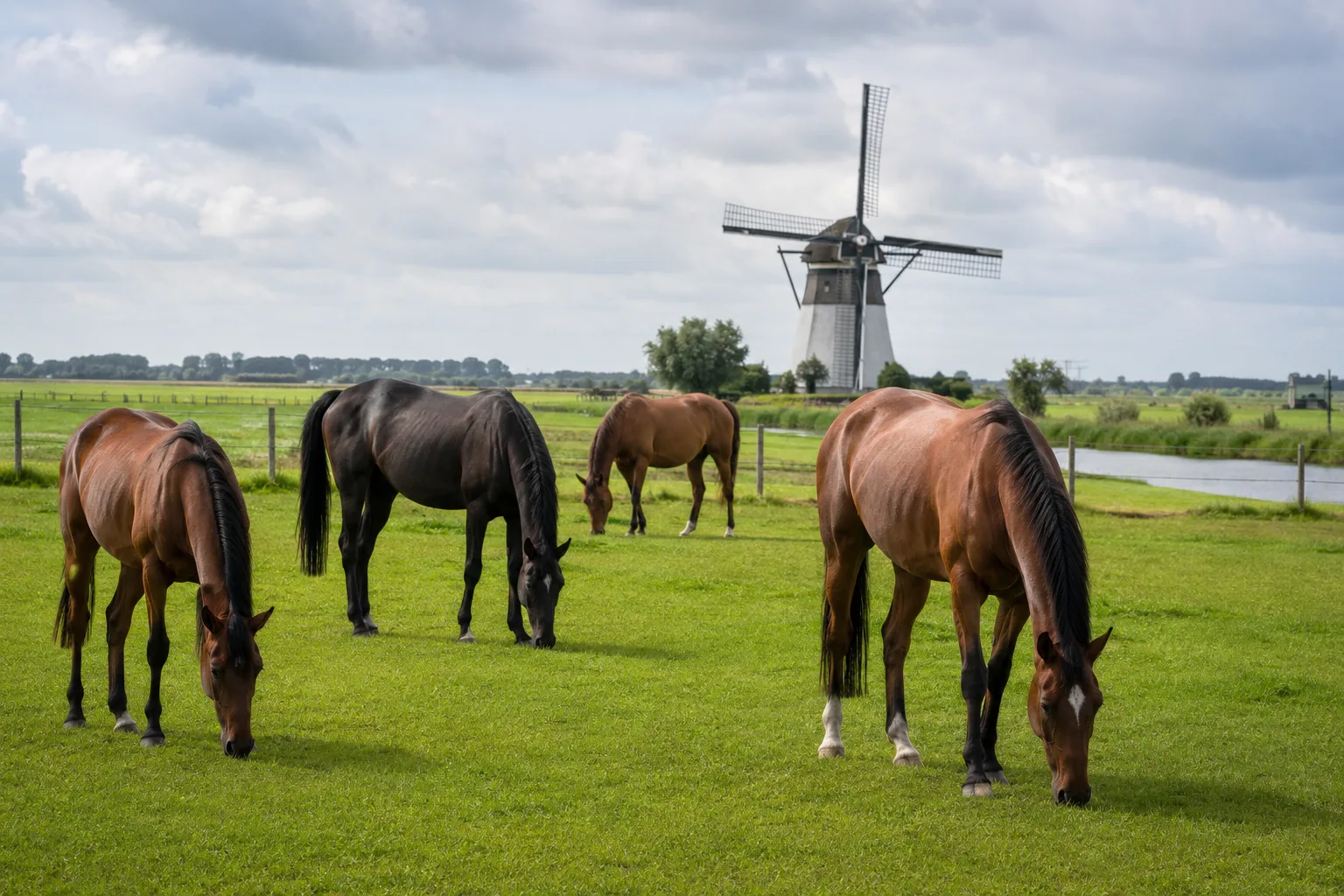
The KWPN (Koninklijk Warmbloed Paard Nederland) is the result of a rigorous breeding program in the Netherlands, aimed at producing a modern sport horse. It was developed from local breeds such as the Gelderland and Groningen, crossed with blood horses (Thoroughbred, Hanoverian, Trakehner, Selle Français). The goal was to obtain a versatile, athletic horse with an excellent temperament. The official recognition of the KWPN studbook took place in 1969, and it is now one of the most prestigious studbooks in the world.

Conformation and physique
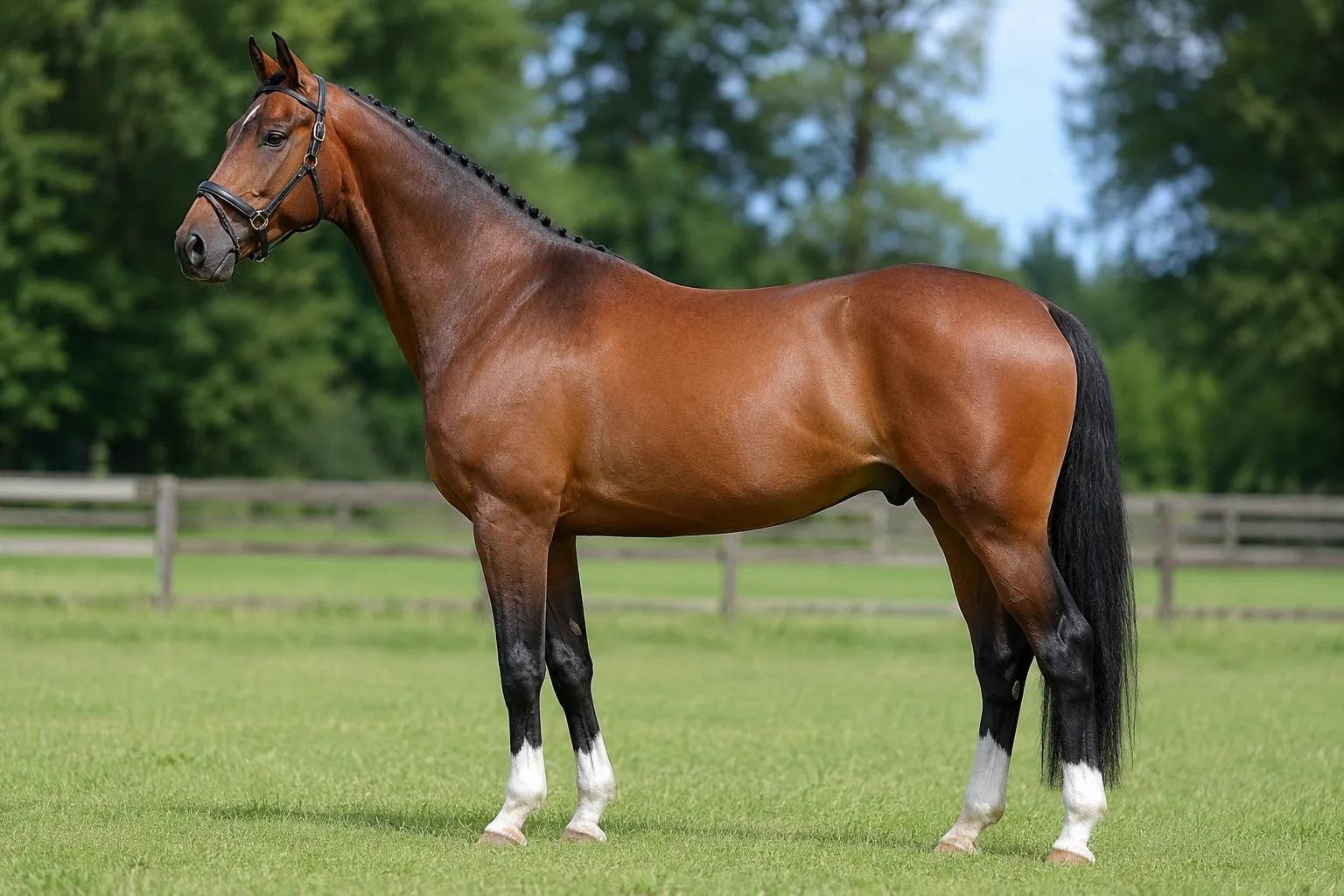
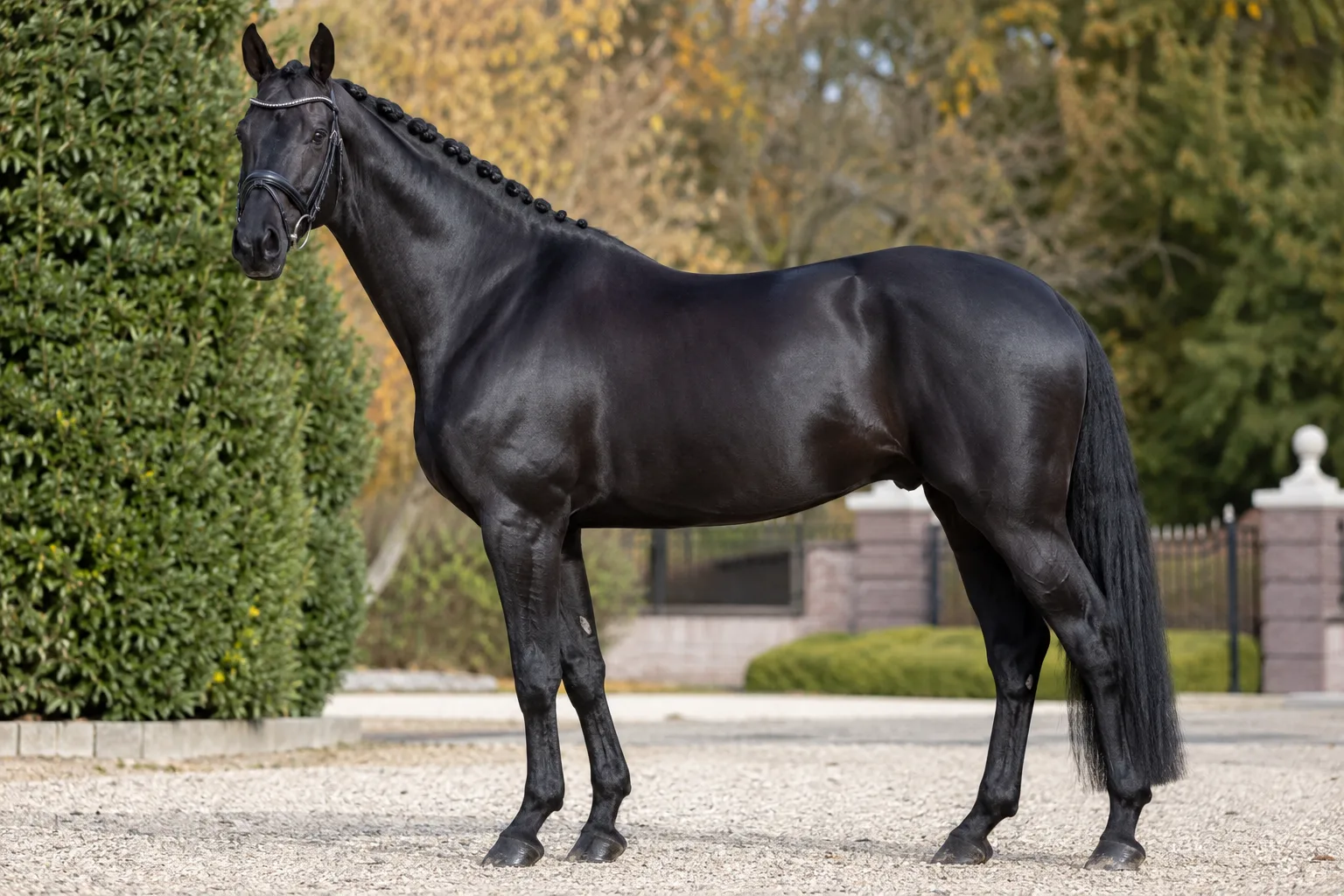
The KWPN is a sport horse with a harmonious build, featuring an elegant and athletic silhouette. It presents a solid yet refined bone structure, well-developed musculature, and fluid lines, attesting to its power and agility.
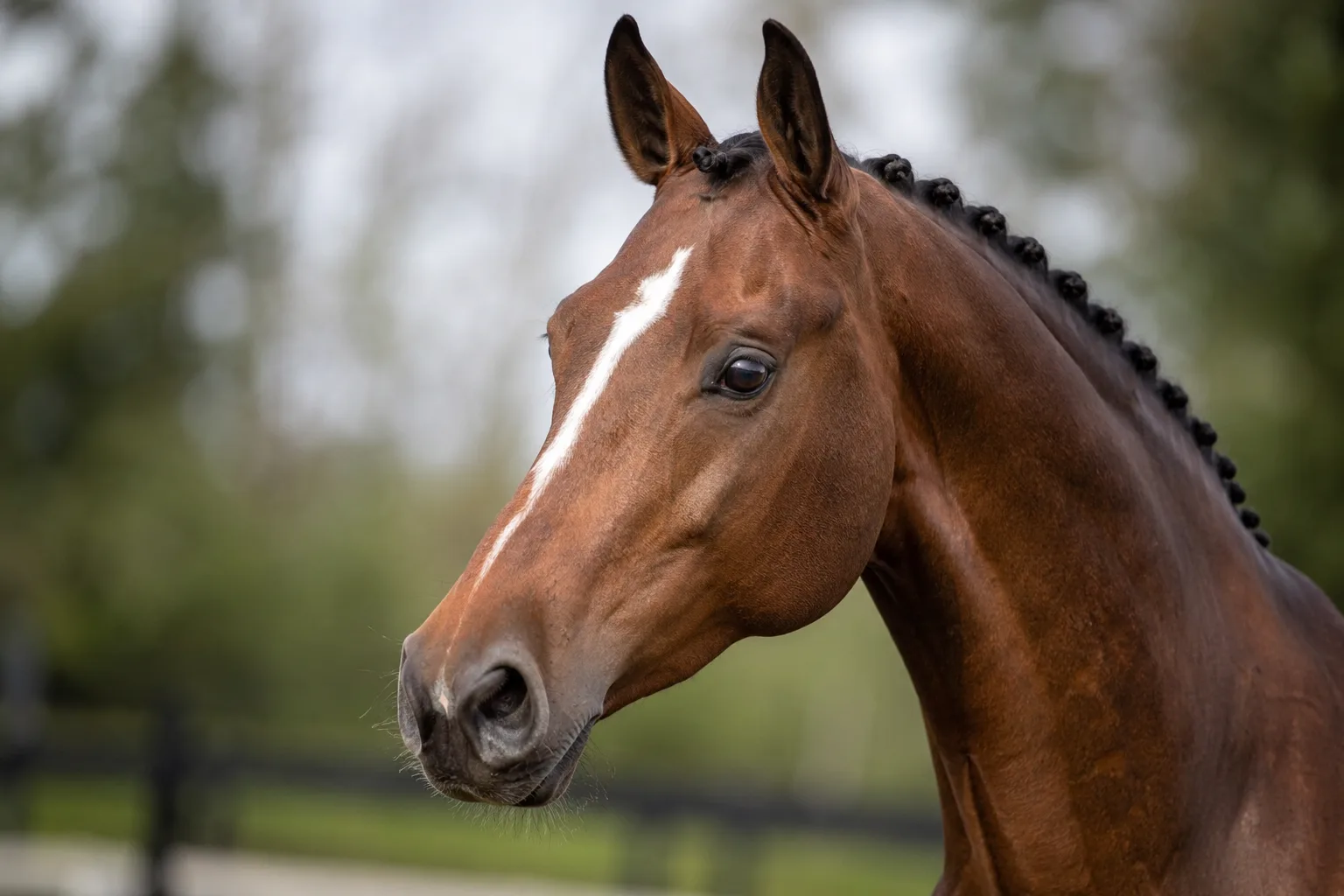
The head is expressive, medium-sized, with a straight or slightly concave profile. The eyes are large and lively, the ears well-set and mobile, and the nostrils wide.
The neck is long, well-muscled, and well-set, blending harmoniously into a long and prominent wither. It is carried elegantly, promoting balance and suppleness.
The back is strong and short, the topline taut and muscular. The chest is deep and wide, providing ample room for the lungs. The croup is long, muscular, and slightly sloped, often double-sloped, with a well-set tail.
The limbs are long, clean, and powerful, with large and well-defined joints. The cannon bones are short and the tendons well-defined. The feet are solid and well-formed. Feathers are generally sparse.
- Common coats: bay, chestnut, black, grey
Temperament and aptitudes
The KWPN is renowned for its willing, intelligent, and cooperative temperament. It is courageous, energetic, and possesses a great aptitude for work, while remaining calm and manageable. Its responsiveness and learning ability make it an ideal partner for high-level sport.
The KWPN's gaits are expansive, supple, energetic, and regular, with excellent balance and great elasticity. The walk is active, the trot is airy with plenty of bounce, and the canter is powerful and balanced, with good ground cover.
- Uses: High-level sport horse, Dressage, Show Jumping, Eventing, Driving, Quality leisure horse
- Disciplines: Show Jumping, Dressage, Eventing, Driving
Feeding the KWPN
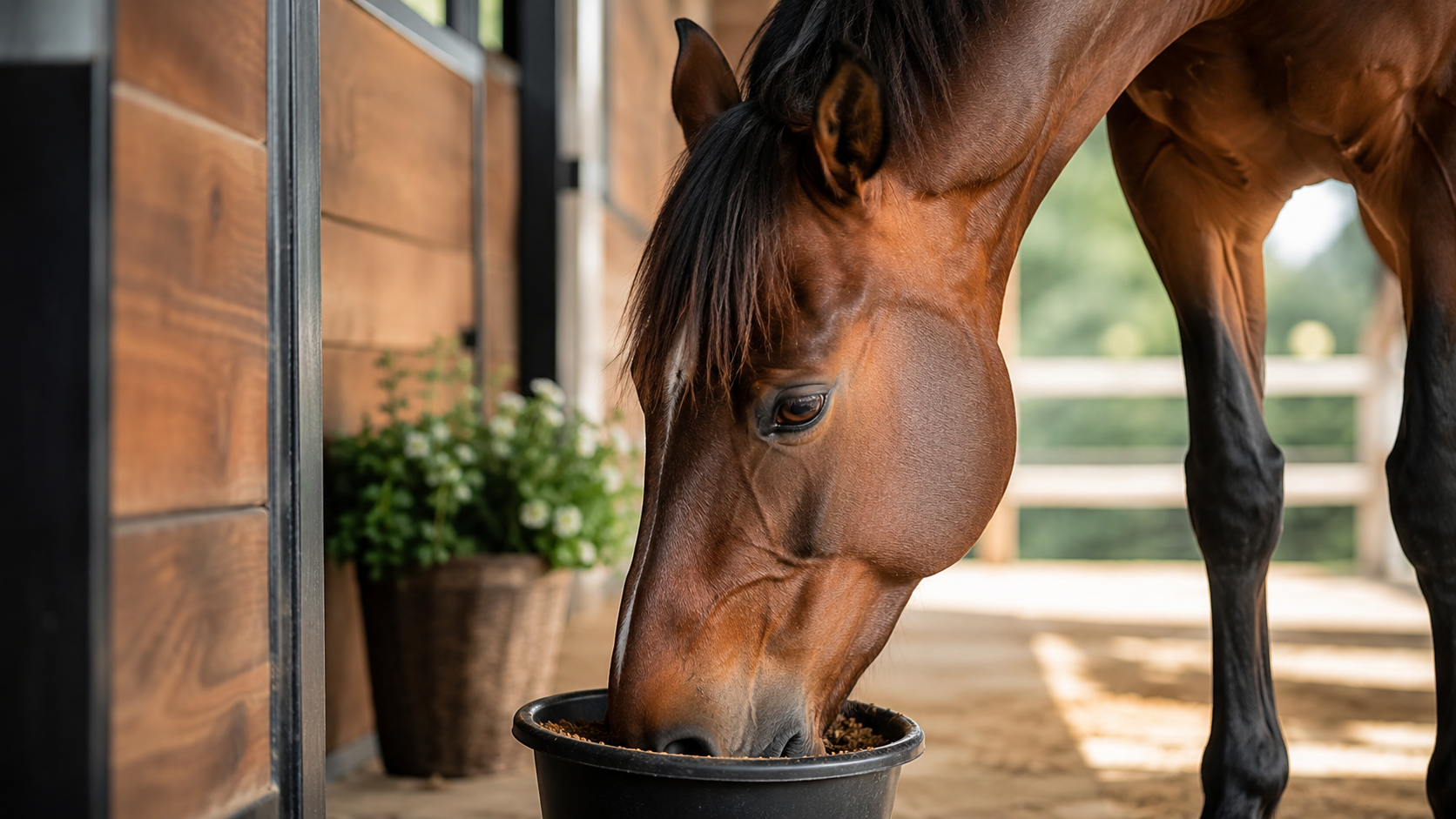
The KWPN is a demanding athlete, requiring a balanced diet tailored to its activity level. It needs a sufficient intake of good quality forage (hay or grass) to ensure good digestive health. Depending on the intensity of work, concentrates rich in energy, protein, and minerals/vitamins are essential to meet its needs and support its performance. It does not have a particular tendency to become overweight if worked regularly.
The KWPN is not specifically predisposed to documented dietary sensitivities such as laminitis or EMS more than other sport horse breeds. However, like any equine athlete, careful management of sugar and starch intake is recommended to prevent digestive and metabolic disorders related to an unbalanced or excessive diet.
With Equio, every feed, supplement or treat is read against the horse's real profile (age, weight, Body Condition Score, conditions) — useful for a KWPN as soon as a metabolic or digestive sensitivity is known.
Health and points to watch
Regular monitoring of joints and tendons is essential to prevent injuries related to intensive training. Particular attention must be paid to stress management and diet to limit the risk of gastric ulcers. Regular veterinary check-ups are recommended for early detection of any problems.
- Documented genetic disorders: OCD (Osteochondritis Dissecans) - although not specific to the KWPN, rigorous selection aims to minimize its prevalence, WFFS (Warmblood Fragile Foal Syndrome) - tested in breeding stock to prevent transmission
- More frequent conditions: Joint and tendon problems related to the intensity of sport, Gastric ulcers in sport horses subjected to stress
Care and grooming
The KWPN's care is typical of a sport horse. This includes regular shoeing or trimming adapted to its activity, daily coat care (brushing, showering after exercise), and particular attention to the mane and tail. Clipping is common in winter to facilitate drying and sweat management. Rigorous hoof hygiene is paramount.
Did you know?
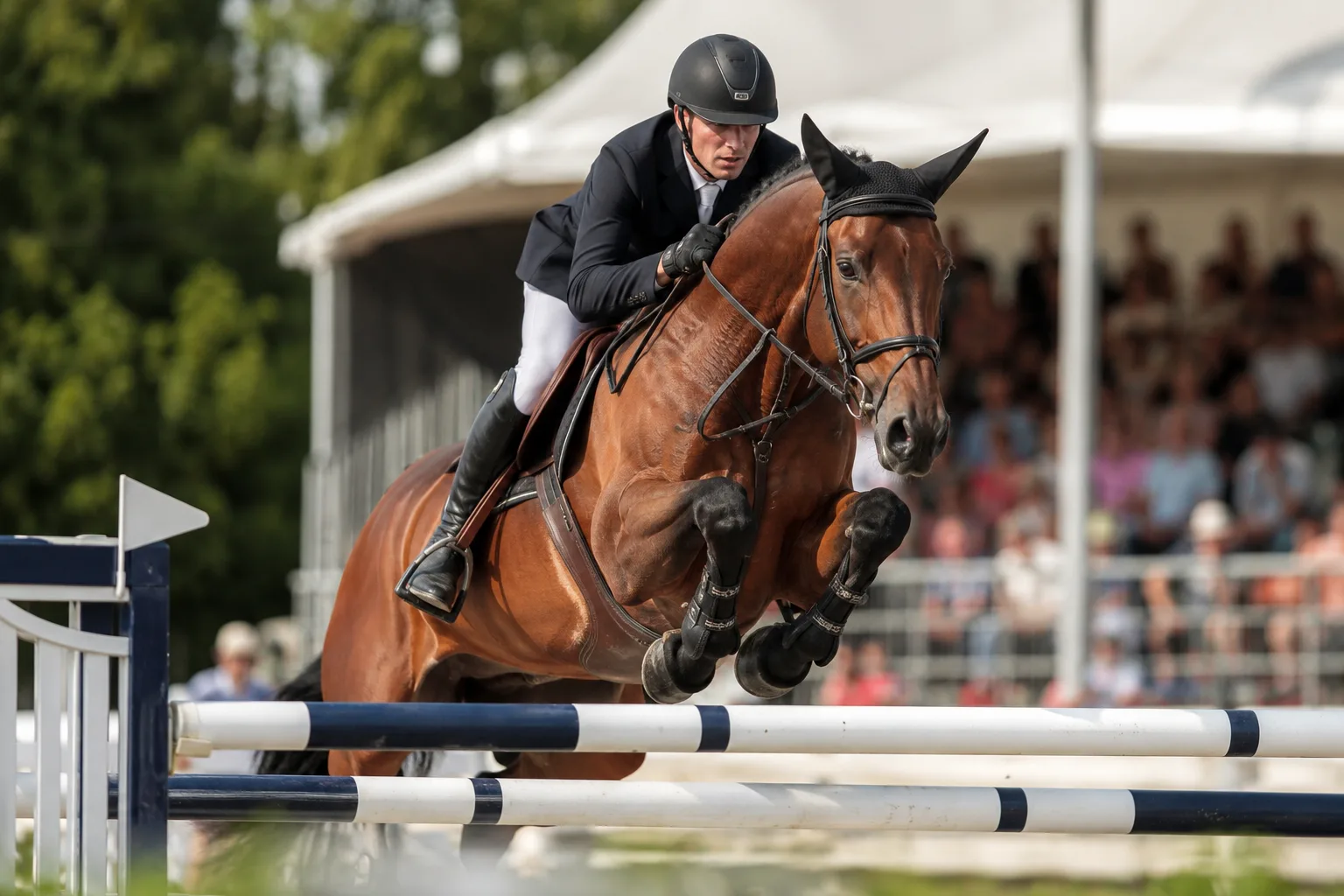
- The KWPN is the most successful studbook in the world in show jumping and dressage, with numerous Olympic and World Championship medal-winning horses.
- The KWPN studbook is divided into several breeding directions (jumping, dressage, harness, Gelderland) to refine selection according to disciplines.
- The selection of stallions and broodmares is extremely rigorous, based on performance tests, thorough veterinary examinations, and morphological evaluations.
The KWPN and how to track it
The KWPN is very present in France, both in breeding and in equestrian competitions. It is highly valued by professional and amateur riders for its exceptional sporting qualities, particularly in show jumping and dressage.
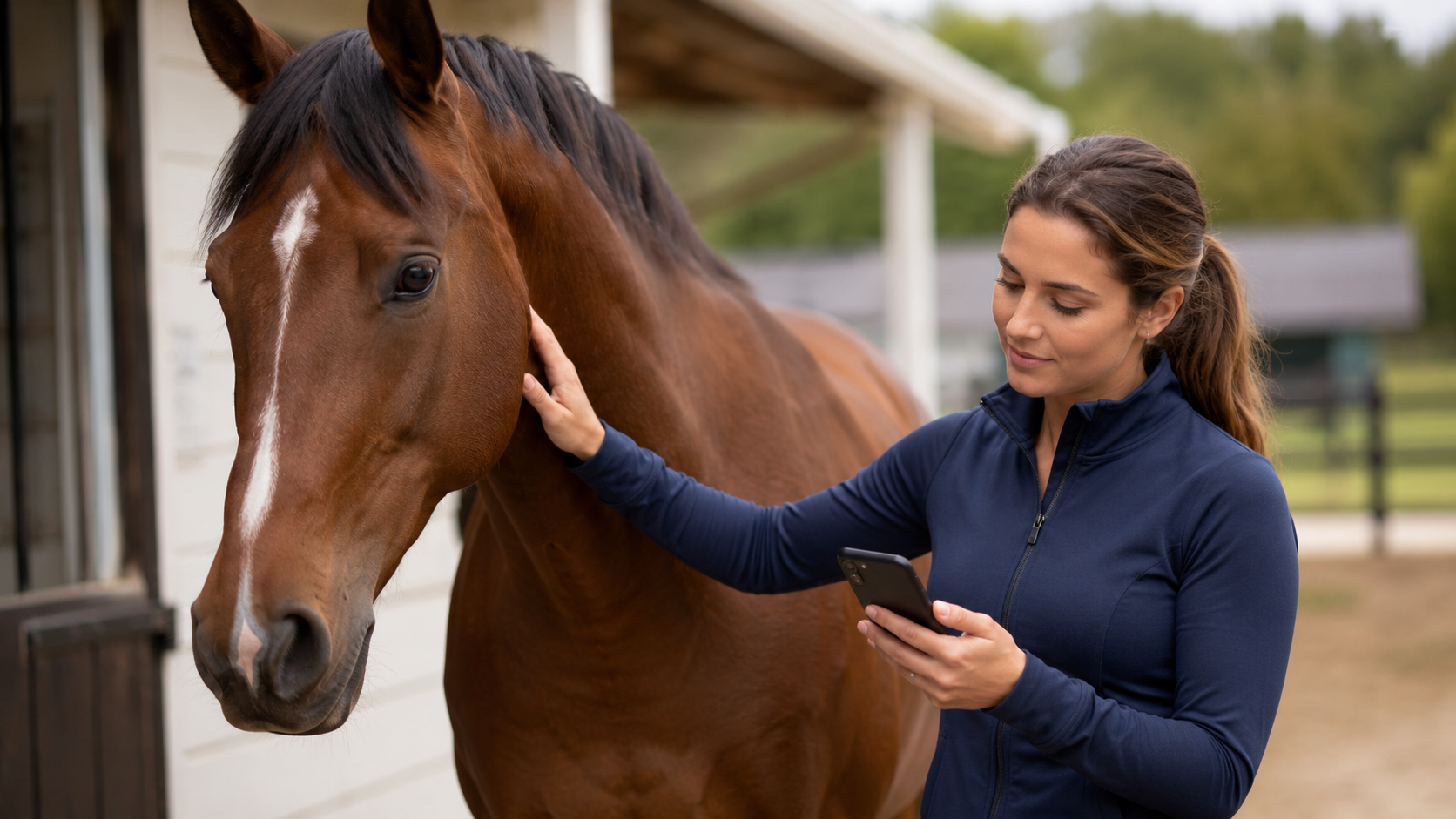
Equio lets you build a complete profile for a KWPN: identity, weight, Body Condition Score, feeding, conditions, care reminders (vaccines, worming, trimming) and an exportable health log. The breed sets the identity; everyday decisions still depend on the real horse and your vet's advice.
- Record the activity level: rest, leisure, sport or breeding
- Add known conditions or sensitivities
- Scan feeds, plants and care products
- Keep reminders (vaccines, worming, trimming)
- Prepare a PDF export before a vet appointment
Frequently asked questions
What is the average price of a KWPN?
The price of a KWPN varies considerably depending on its age, training level, lineage (pedigree, parental performance), and athletic potential. A young unbacked horse may cost a few thousand euros, while a proven sport horse with good lineage can reach tens of thousands, or even hundreds of thousands of euros for very high-level horses.
Is the KWPN suitable for beginner riders?
In general, the KWPN is a sensitive and energetic horse, best suited for experienced or supervised riders. Its intelligence and responsiveness require a fair hand and a good understanding of its nature. A beginner might be overwhelmed by its athletic temperament, although some individuals can be calmer.
How to recognize a true KWPN?
A true KWPN is identified by its equine passport issued by the KWPN studbook, certifying its registration and lineage. It typically bears a brand (a rampant lion) on its left thigh, although this is less systematic today with microchips. Its conformation and gaits must conform to the breed standards.
What are the main qualities of the KWPN in competition?
The KWPN excels in competition thanks to its exceptional gaits, power, suppleness, balance, and winning mentality. It is renowned for its ability to learn quickly, its responsiveness to aids, and its courage in the face of challenges, making it a high-performing horse in show jumping and dressage.
Is the KWPN a robust horse?
Yes, the KWPN is generally a robust and healthy horse, a result of rigorous selection. However, like any high-level athlete, it is susceptible to conditions related to intense training and competition, particularly affecting joints and tendons. Proper management of training, nutrition, and veterinary care is essential to maintain its robustness.