
Horse breed
Kinsky
The Kinsky breed was developed in the early 19th century by the Kinsky family, notably Count Octavian Kinsky, at their stud farm in Chlumec nad Cidlinou. The objective was to create a versatile, fast, and enduring hunting horse by crossing local mares with English Thoroughbred, Arabian, and other European sport horse stallions.
The breed at a glance
The Kinsky is renowned for its balanced, intelligent, and willing temperament. It is a courageous, responsive horse with a great capacity for learning, making it a reliable and pleasant partner for work, though it can have a spirited nature.
- Category
- sport horse
- Origin
- Czech Republic (Bohemia) · 19th century
- Height at withers
- 162–175 cm
- Weight
- 500–650 kg
- Lifespan
- 25-30 years
- Common coats
- palomino, dun, chestnut, bay, black, grey
- Disciplines
- show jumping, eventing, dressage, endurance riding
- Other names
- Kinsky Horse, Cheval Kinsky, Chlumec Kinsky
Origin and history
The Kinsky breed was developed in the early 19th century by the Kinsky family, notably Count Octavian Kinsky, at their stud farm in Chlumec nad Cidlinou. The objective was to create a versatile, fast, and enduring hunting horse by crossing local mares with English Thoroughbred, Arabian, and other European sport horse stallions. The breed is particularly renowned for its unique golden coat. It was officially recognized in 2005 by the World Kinsky Horse Federation.

Conformation and physique
The Kinsky is an elegant sport horse, medium to large in size, with a solid yet refined bone structure. It presents a harmonious silhouette, typical of an athletic saddle horse, combining strength and agility.
The head is well-proportioned, often with a straight or slightly concave profile, large and expressive eyes, and well-set, alert ears. The nostrils are wide and open.
The neck is long, well-muscled, and well-set, blending harmoniously into a long, well-defined wither, promoting good freedom of movement.
The back is short and strong, the topline is taut and muscular. The chest is deep and wide, offering good lung capacity. The croup is long, muscular, and slightly sloped, with a well-set tail.
The limbs are long, clean, and strong, with well-defined joints and clear tendons. The cannons are short and the pasterns are of medium length. The feet are round, hard, and well-formed. Feathering is generally sparse.
- Common coats: palomino, dun, chestnut, bay, black, grey
Temperament and aptitudes
The Kinsky is renowned for its balanced, intelligent, and willing temperament. It is a courageous, responsive horse with a great capacity for learning, making it a reliable and pleasant partner for work, though it can have a spirited nature.
The gaits are ample, supple, and energetic, with good balance and natural impulsion. The walk is regular, the trot is airy, and the canter is powerful and ground-covering, ideal for show jumping and cross-country.
- Uses: mounted hunting (historical), saddle horse, sport horse, driving, leisure
- Disciplines: show jumping, eventing, dressage, endurance riding
Feeding the Kinsky
The Kinsky, as a sport horse, has energy requirements that vary considerably depending on its activity level. It generally has a demanding athlete's metabolism. A balanced diet, rich in good quality forage (hay ad libitum if possible), is essential. Concentrates adapted to the intensity of work (oats, barley, compound feeds for sport horses) are often necessary to cover its energy, protein, and mineral needs, without excess to avoid obesity.
Although the Kinsky is not specifically documented for particular metabolic sensitivities like PSSM or EMS, like any sport horse, it can be prone to digestive disorders (gastric ulcers, colic) in cases of stress or an unsuitable diet (too many concentrates, not enough forage). Particular attention must be paid to the balance between energy and fiber.
With Equio, every feed, supplement or treat is read against the horse's real profile (age, weight, Body Condition Score, conditions) — useful for a Kinsky as soon as a metabolic or digestive sensitivity is known.
Health and points to watch
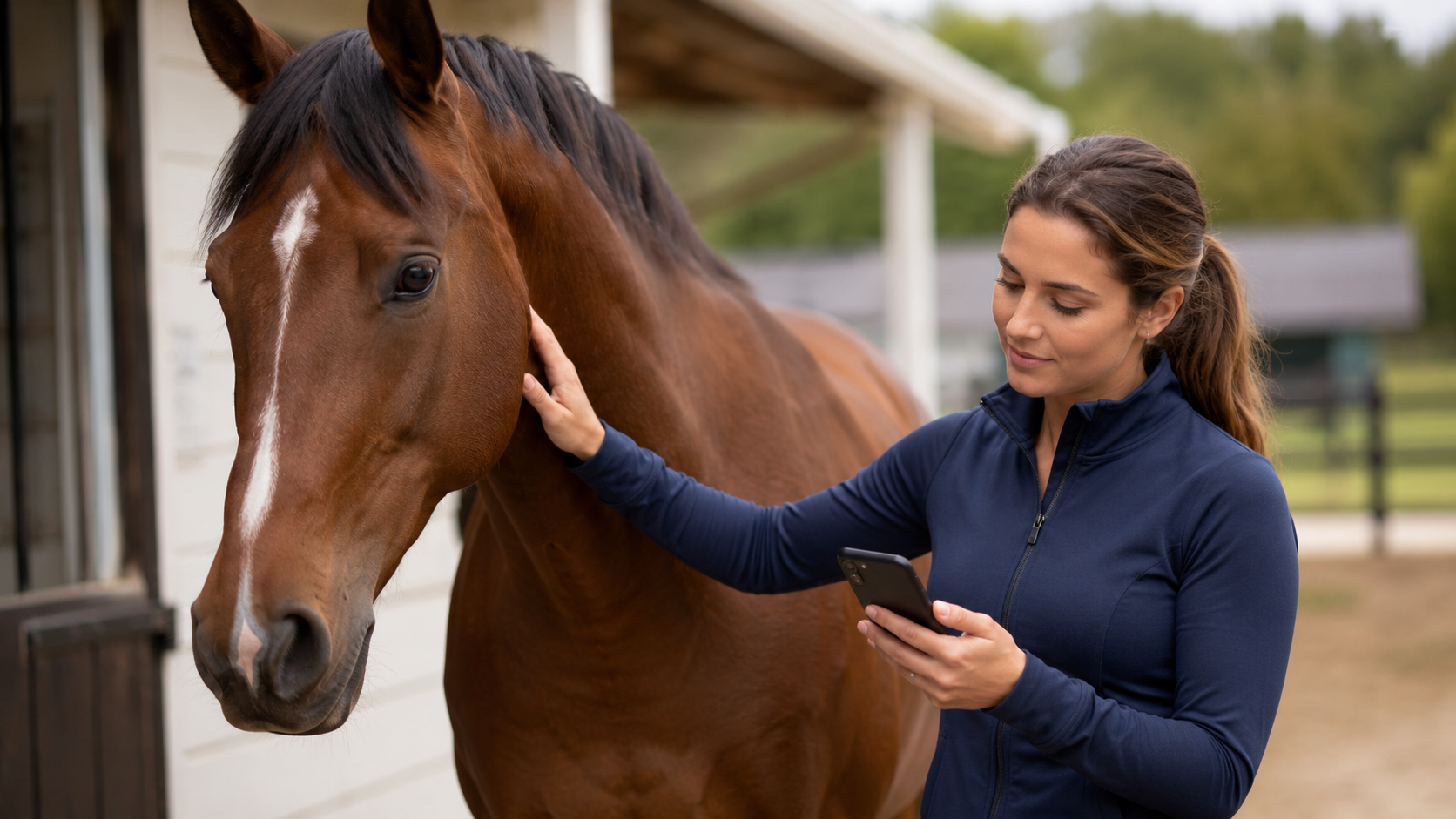
Regular monitoring of the locomotor system is crucial to prevent sports-related injuries. Stress management and an appropriate diet are important for digestive health. Regular dental and deworming care are also essential.
- More frequent conditions: sport-related locomotor disorders (osteoarthritis, tendinitis), gastric ulcers (in sport horses subjected to stress)
Care and grooming
Care for the Kinsky is typical of a sport horse. Regular trimming or shoeing, adapted to its activity, is essential for its hoof health. Daily grooming is recommended to maintain coat quality and detect any potential skin problems. Clipping may be necessary during periods of intense work to facilitate thermoregulation. Mane and tail care is standard.
Did you know?
- The golden coat, often palomino or buckskin, is an iconic feature of the Kinsky breed, highly sought after and prized.
- The Kinsky was the first horse to be registered in a studbook based on its athletic performance rather than solely on its ancestry.
- The Kinsky family played a major role in the development of horse breeding in Bohemia for centuries.
The Kinsky and how to track it
The Kinsky breed is not widespread in France, but some dedicated breeders and sport horse owners may possess them. It remains a niche breed, valued for its athletic qualities and distinctive coat color.
Equio lets you build a complete profile for a Kinsky: identity, weight, Body Condition Score, feeding, conditions, care reminders (vaccines, worming, trimming) and an exportable health log. The breed sets the identity; everyday decisions still depend on the real horse and your vet's advice.
- Record the activity level: rest, leisure, sport or breeding
- Add known conditions or sensitivities
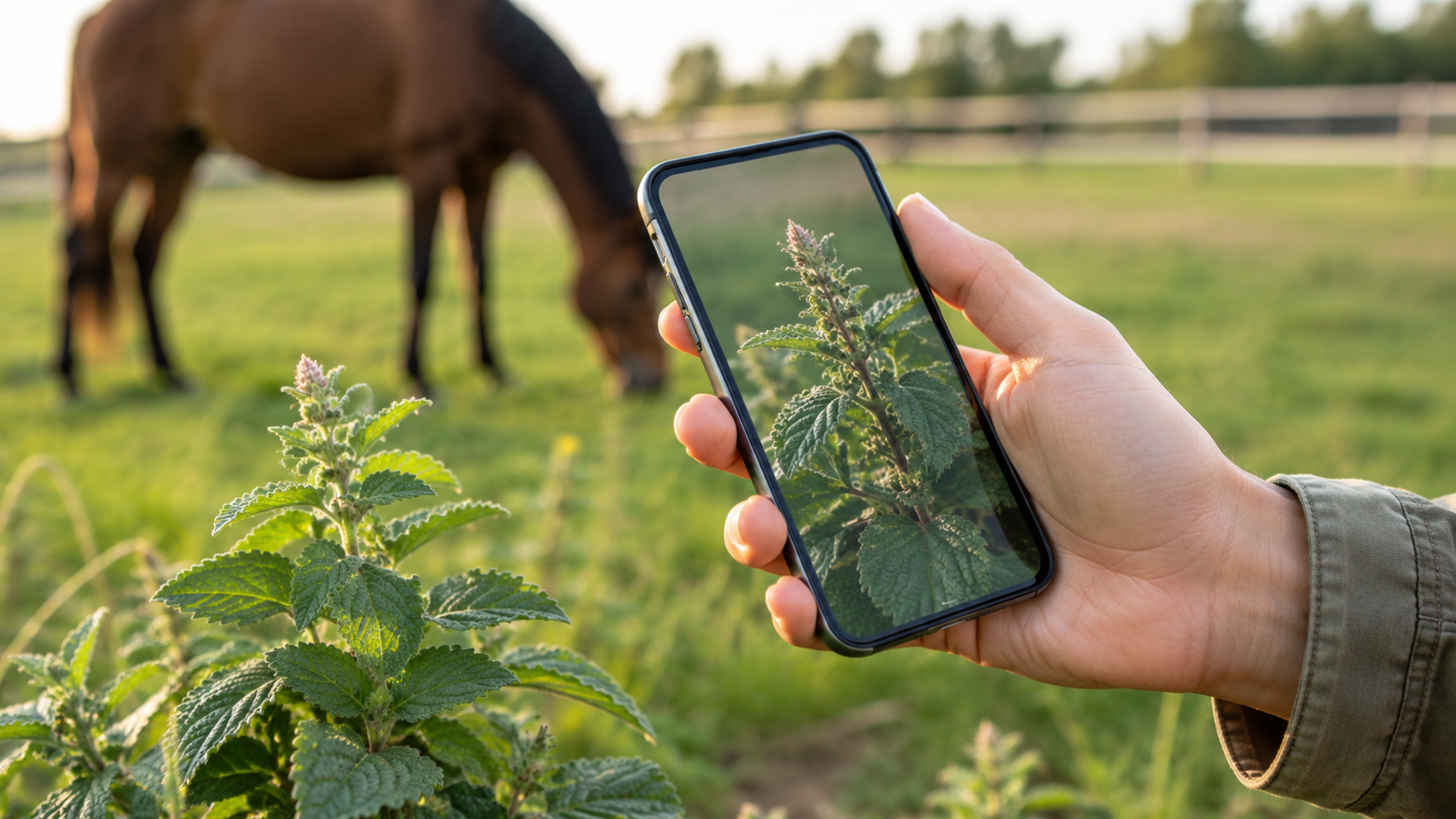
- Scan feeds, plants and care products
- Keep reminders (vaccines, worming, trimming)
- Prepare a PDF export before a vet appointment
Frequently asked questions
What is the distinctive feature of the Kinsky's coat?
The Kinsky is famous for its golden coats, particularly palomino and buckskin, which are highly sought after. These colors are due to the presence of the Cream gene, which dilutes the horse's base color. Other coat colors such as bay, chestnut, black, and grey are also accepted.
Is the Kinsky a good horse for beginners?
Due to its willing temperament and energy, the Kinsky is generally more suited to experienced or supervised riders. Its intelligence and responsiveness make it an excellent partner for sport, but it requires a fair hand and consistent training.
What is the average price of a Kinsky horse?
The price of a Kinsky can vary considerably depending on its age, level of training, bloodlines (sporting lines), and coat color. A young, unbroken horse may cost a few thousand euros, while a proven sport horse with good performance records can fetch significantly higher sums. The rarity of the breed outside the Czech Republic can also influence the price.
Is the Kinsky suited for show jumping?
Yes, the Kinsky is particularly well-suited for show jumping. It possesses the physical qualities (strength, agility, power) and mental qualities (courage, intelligence, willingness) necessary to excel in this discipline, as well as in eventing.
Where can Kinsky breeders be found in France?
Kinsky breeders are rare in France. It is more common to find breeders in the Czech Republic or other Eastern European countries. It is advisable to contact the Kinsky breed association to obtain a list of breeders or horses available for sale, including abroad.