
Horse breed
Gypsy Vanner
The Gypsy Vanner was developed by Romani travelers in Ireland and Great Britain to pull their caravans. They selected robust, docile, and colorful horses, resulting from crosses between draft breeds like the Shire and Clydesdale, and ponies like the Dales and Fell.
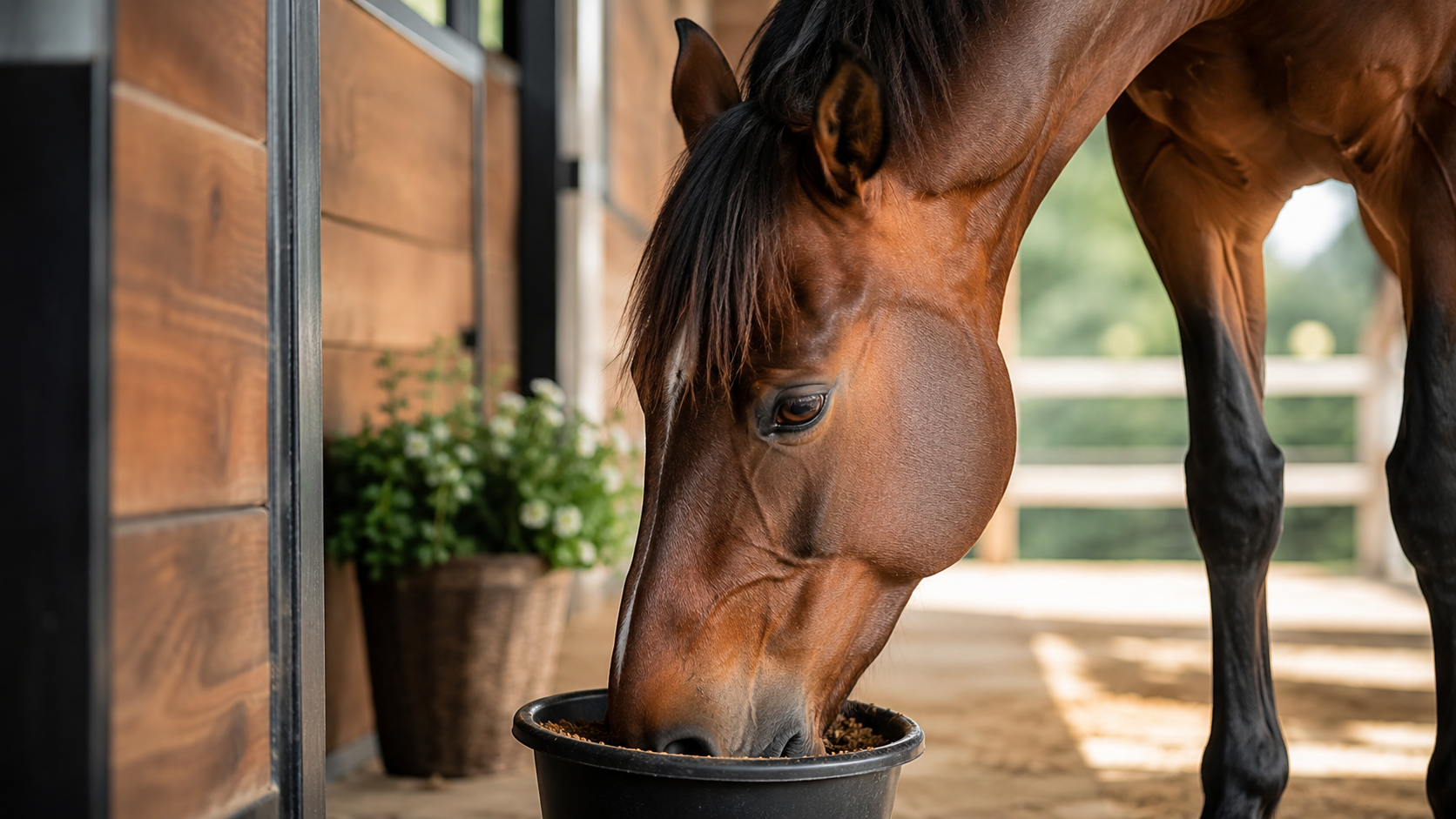
The breed at a glance
The Gypsy Vanner is renowned for its exceptionally gentle, calm, and docile temperament. It is intelligent, willing, and easy to train, making it an excellent family horse and a reliable working partner.
- Category
- cob
- Origin
- Ireland / United Kingdom · Mid-20th century
- Height at withers
- 137–160 cm
- Weight
- 500–700 kg
- Lifespan
- 20-25 years
- Common coats
- Piebald (black and white, bay and white, chestnut and white), Solid coats (black, bay, chestnut, grey), Roan, Palomino, Dun
- Disciplines
- Driving, Dressage (introductory level), Western riding, TREC
- Other names
- Irish Cob, Tinker Horse, Coloured Cob
Origin and history
The Gypsy Vanner was developed by Romani travelers in Ireland and Great Britain to pull their caravans. They selected robust, docile, and colorful horses, resulting from crosses between draft breeds like the Shire and Clydesdale, and ponies like the Dales and Fell. The breed was officially recognized in the United States in 1996 by the Gypsy Vanner Horse Society, and subsequently in other countries, although the name 'Irish Cob' is more common in Europe.
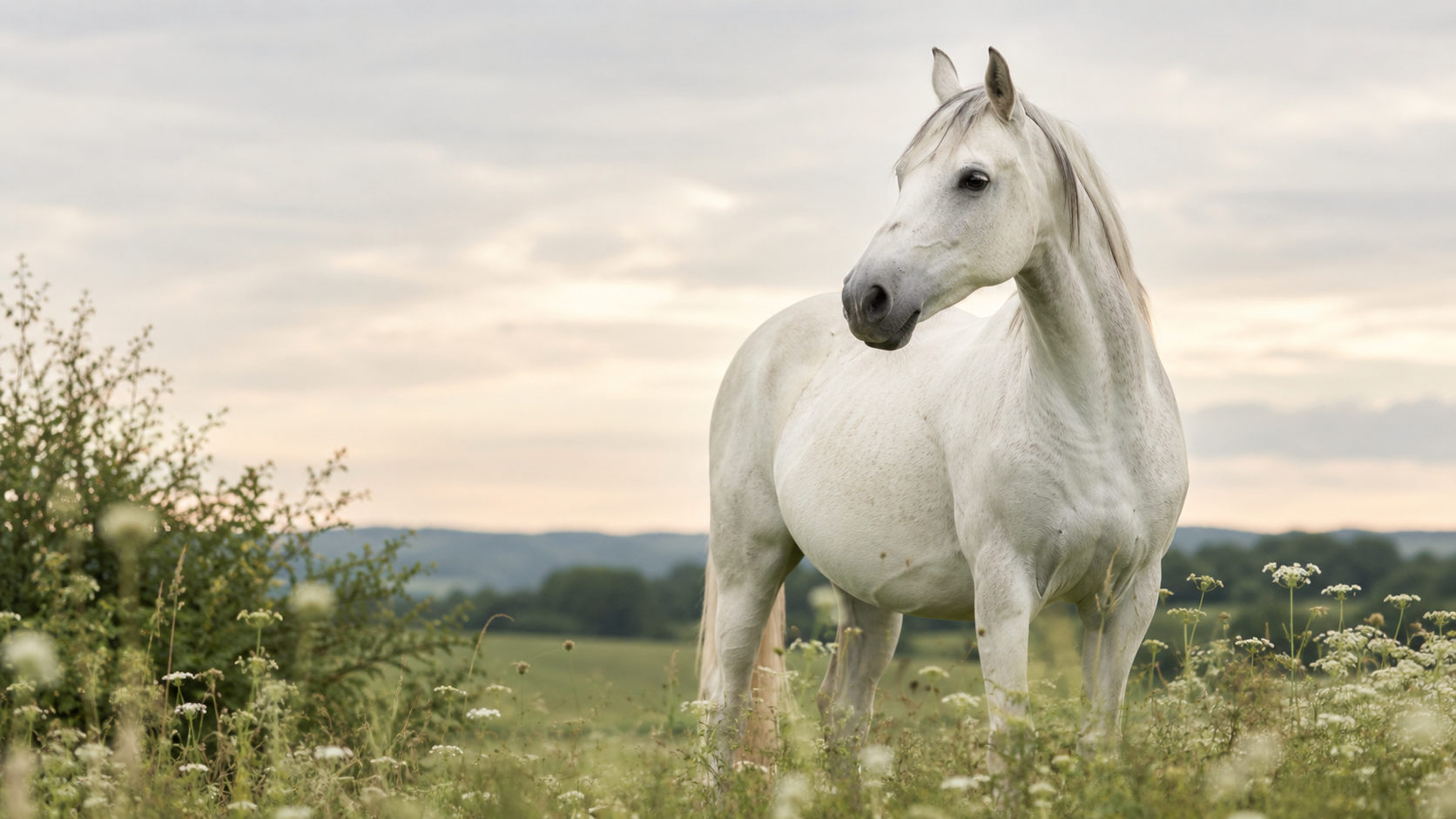
Conformation and physique
A cob-type horse, compact and powerful, with strong bone structure and well-developed musculature. It presents a harmonious and well-proportioned silhouette, exuding an impression of strength and robustness.
Expressive, medium-sized head, with a broad forehead and a straight or slightly convex profile. The eyes are large and kind, the ears small and well-placed.
Short, thick, and very muscular neck, well-set and arched, blending harmoniously into a broad, low-set wither.
Short, strong back, muscular topline. Broad and deep chest. Powerful, rounded, and well-muscled hindquarters, often double-muscled.
Short, solid, and well-boned limbs, with broad joints and short cannons. The feathering is very abundant and silky, covering the hooves. The feet are wide and well-formed.
- Common coats: Piebald (black and white, bay and white, chestnut and white), Solid coats (black, bay, chestnut, grey), Roan, Palomino, Dun
Temperament and aptitudes
The Gypsy Vanner is renowned for its exceptionally gentle, calm, and docile temperament. It is intelligent, willing, and easy to train, making it an excellent family horse and a reliable working partner.
Regular, supple, and powerful gaits, with good impulsion. The walk is active, the trot energetic, and the canter balanced, suitable for driving and riding.
- Uses: Pulling caravans and carts, Recreational and competitive driving, Recreational riding (hacking, trail riding), Dressage, Show and presentation, Therapy horse
- Disciplines: Driving, Dressage (introductory level), Western riding, TREC
Feeding the Gypsy Vanner
The Gypsy Vanner is a horse with an efficient metabolism, inherited from its hardy origins. It tends to gain weight easily if its diet is not carefully managed. A diet based primarily on good quality forage, low in sugars, is essential. Concentrates are only necessary in cases of intense work or specific needs, and must be carefully chosen for their low starch and sugar content.
Due to its efficient metabolism, the Gypsy Vanner is predisposed to Equine Metabolic Syndrome (EMS) and laminitis, especially if overweight or fed diets rich in sugars and starch. Careful monitoring of its weight and rigorous dietary management are crucial to prevent these conditions.
With Equio, every feed, supplement or treat is read against the horse's real profile (age, weight, Body Condition Score, conditions) — useful for a Gypsy Vanner as soon as a metabolic or digestive sensitivity is known.
Health and points to watch
Particular attention must be paid to the condition of the feathering and underlying skin to prevent skin conditions. Weight management and laminitis prevention are paramount. Genetic screening for PKFS and PSSM1 is recommended for breeding stock.
- Documented genetic disorders: Proliferative Keratosis and Fibrosis Syndrome (PKFS) or 'Skin Fragility Syndrome' (SFS), PSSM1 (Polysaccharide Storage Myopathy type 1) - variable prevalence depending on bloodlines
- More frequent conditions: Mud fever (due to abundant feathering), Lymphangitis, Skin problems under the feathering (dermatitis, fungal infections), Laminitis and EMS (linked to diet and metabolism)
Care and grooming
Feathering care is crucial: it must be regularly brushed, washed, and dried to prevent the accumulation of mud, moisture, and parasites, thus preventing mud fever and other dermatoses. The mane and tail, often very long and thick, also require regular detangling. Hoof trimming must be performed by an experienced farrier, taking into account the specific conformation of the breed.
Did you know?
- The name 'Vanner' comes from the English word 'van', referring to the caravans these horses pulled.
- Romani travelers kept the bloodlines secret for decades, selecting their horses based on very strict criteria for temperament and conformation.
- Each horse was considered a family member and treated with the utmost respect.
- Piebald coats are the most iconic of the breed, but all colors are accepted.
The Gypsy Vanner and how to track it
The Gypsy Vanner breed, often called Irish Cob in France, is gaining popularity. Breeders and enthusiasts can be found who primarily use it for recreational driving, trail riding, and as a family horse.
Equio lets you build a complete profile for a Gypsy Vanner: identity, weight, Body Condition Score, feeding, conditions, care reminders (vaccines, worming, trimming) and an exportable health log. The breed sets the identity; everyday decisions still depend on the real horse and your vet's advice.
- Record the activity level: rest, leisure, sport or breeding
- Add known conditions or sensitivities
- Scan feeds, plants and care products
- Keep reminders (vaccines, worming, trimming)
- Prepare a PDF export before a vet appointment
Frequently asked questions
Is the Gypsy Vanner a good horse for beginners?
Yes, thanks to its calm, gentle temperament and great docility, the Gypsy Vanner is often considered an excellent horse for beginners and children. It is patient and easily forgives mistakes.
What is the average price of a Gypsy Vanner?
The price of a Gypsy Vanner can vary considerably depending on its age, sex, lineage, coat color, training level, and location. It can range from €5,000 to over €20,000 for superior quality or imported individuals.
Is the Gypsy Vanner suited to year-round outdoor living?
Yes, the Gypsy Vanner is a hardy breed, well-suited to year-round outdoor living, provided it has natural or artificial shelter to protect itself from the elements. Its thick coat and feathering protect it well from cold and humidity.
Should a Gypsy Vanner be clipped?
Clipping is generally not necessary for a Gypsy Vanner living out in the pasture. However, for horses working intensely or participating in competitions, partial or full clipping may be considered to facilitate sweat management and grooming.
Is the Gypsy Vanner a rare breed?
Although its recognition is relatively recent, the Gypsy Vanner is no longer considered a rare breed, especially in the United States and the United Kingdom. Its growing popularity has led to an increase in its global population, including in France under the name Irish Cob.