
Horse breed
Frederiksborger
The Frederiksborger is one of the oldest Danish horse breeds, developed at the Royal Frederiksborg Stud. It originated from crosses between local horses and imported Iberian (Spanish and Neapolitan) stallions.
The breed at a glance
The Frederiksborger is renowned for its calm, willing, and intelligent temperament. It is a courageous horse, easy to train, and eager to please, making it an excellent partner for various disciplines and riders of all levels.
- Category
- saddle horse
- Origin
- Denmark · 17th century
- Height at withers
- 155–165 cm
- Weight
- 500–600 kg
- Lifespan
- 25-30 years
- Common coats
- chestnut, bay, black, grey
- Disciplines
- dressage, driving, working equitation, show jumping (at an amateur level)
- Other names
- Frederiksborg
Origin and history
The Frederiksborger is one of the oldest Danish horse breeds, developed at the Royal Frederiksborg Stud. It originated from crosses between local horses and imported Iberian (Spanish and Neapolitan) stallions. The breed was initially prized as a carriage horse and for haute école by European royal courts. The studbook was established in the 19th century, but the breed experienced a decline before being revived in the 20th century.
Conformation and physique
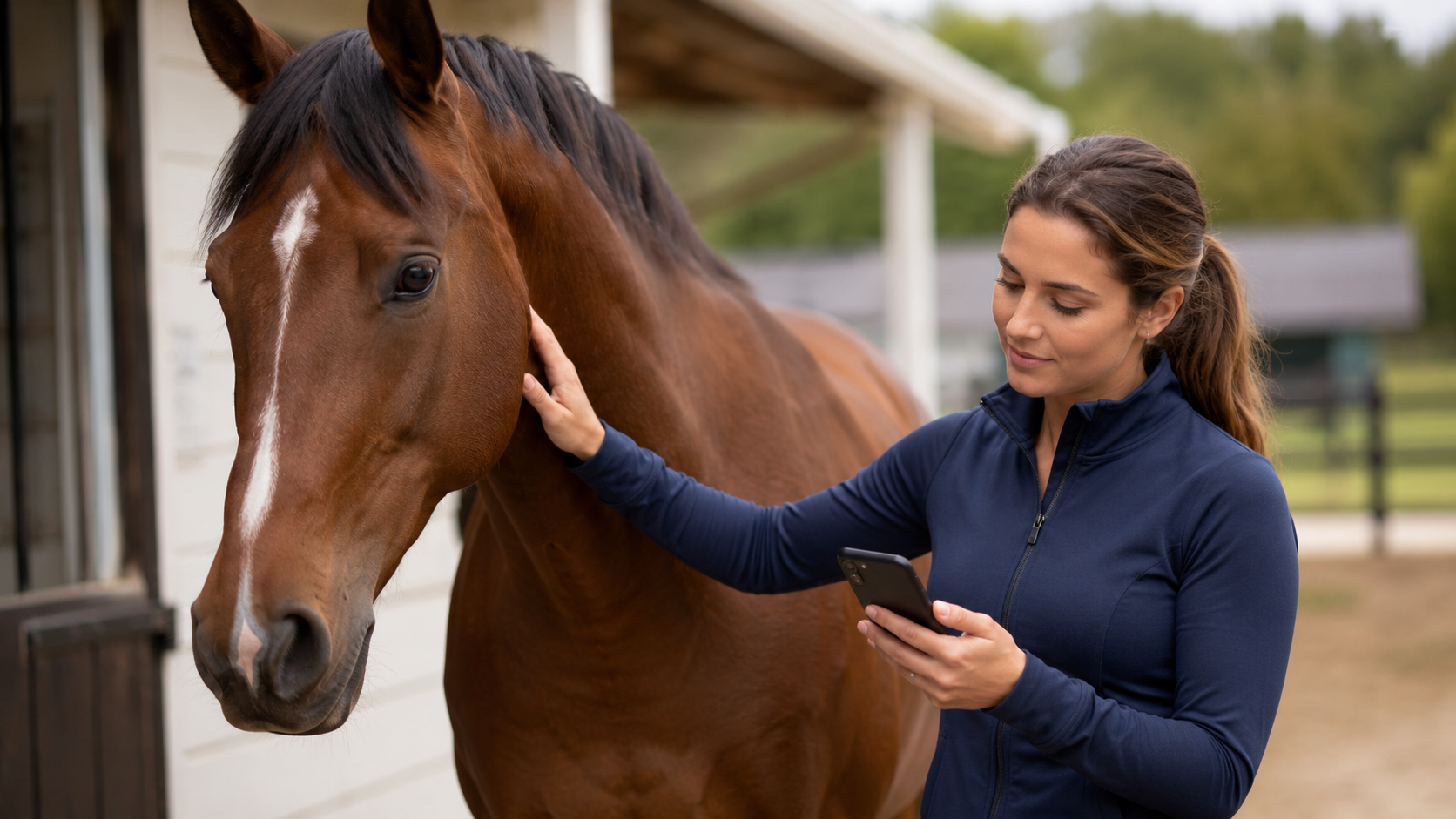
It is a medium-sized horse, harmonious and elegant, with a solid but not heavy bone structure. It presents an athletic and well-proportioned silhouette, typical of baroque riding horses.
The head is expressive, medium-sized, with a straight or slightly convex (Roman) profile. The eyes are large and lively, the ears well-set and mobile.
The neck is well-muscled, arched, and carried high, blending harmoniously into a well-defined and long wither.
The body is compact and powerful. The back is short and strong, the topline is taut. The chest is broad and deep, the croup is round and muscular, often double.
The limbs are strong, with broad joints and well-defined tendons. The cannons are short, and the feet are well-formed and resilient. Feathering is generally sparse.
- Common coats: chestnut, bay, black, grey
Temperament and aptitudes
The Frederiksborger is renowned for its calm, willing, and intelligent temperament. It is a courageous horse, easy to train, and eager to please, making it an excellent partner for various disciplines and riders of all levels.
The gaits are ample, supple, and energetic, with good hindquarter engagement. The trot is particularly elevated and expressive, reflecting its haute école origins.
- Uses: carriage horse, haute école horse, versatile riding horse, dressage, driving, leisure
- Disciplines: dressage, driving, working equitation, show jumping (at an amateur level)
Feeding the Frederiksborger
The Frederiksborger is generally a horse with an efficient metabolism, capable of effectively utilizing its feed. It tends to gain weight if not sufficiently exercised or if its diet is too rich. A base of good quality forage (hay or grass) in sufficient quantity is essential. Concentrates should be adjusted according to the activity level, prioritizing low sugar and starch intake for horses with light to moderate workloads.
Although robust, the Frederiksborger, like many breeds with efficient metabolisms, can be predisposed to Equine Metabolic Syndrome (EMS) and laminitis if overfed or exposed to overly rich pastures. Therefore, it is important to monitor its weight and carefully manage its diet, particularly sugar and starch intake.
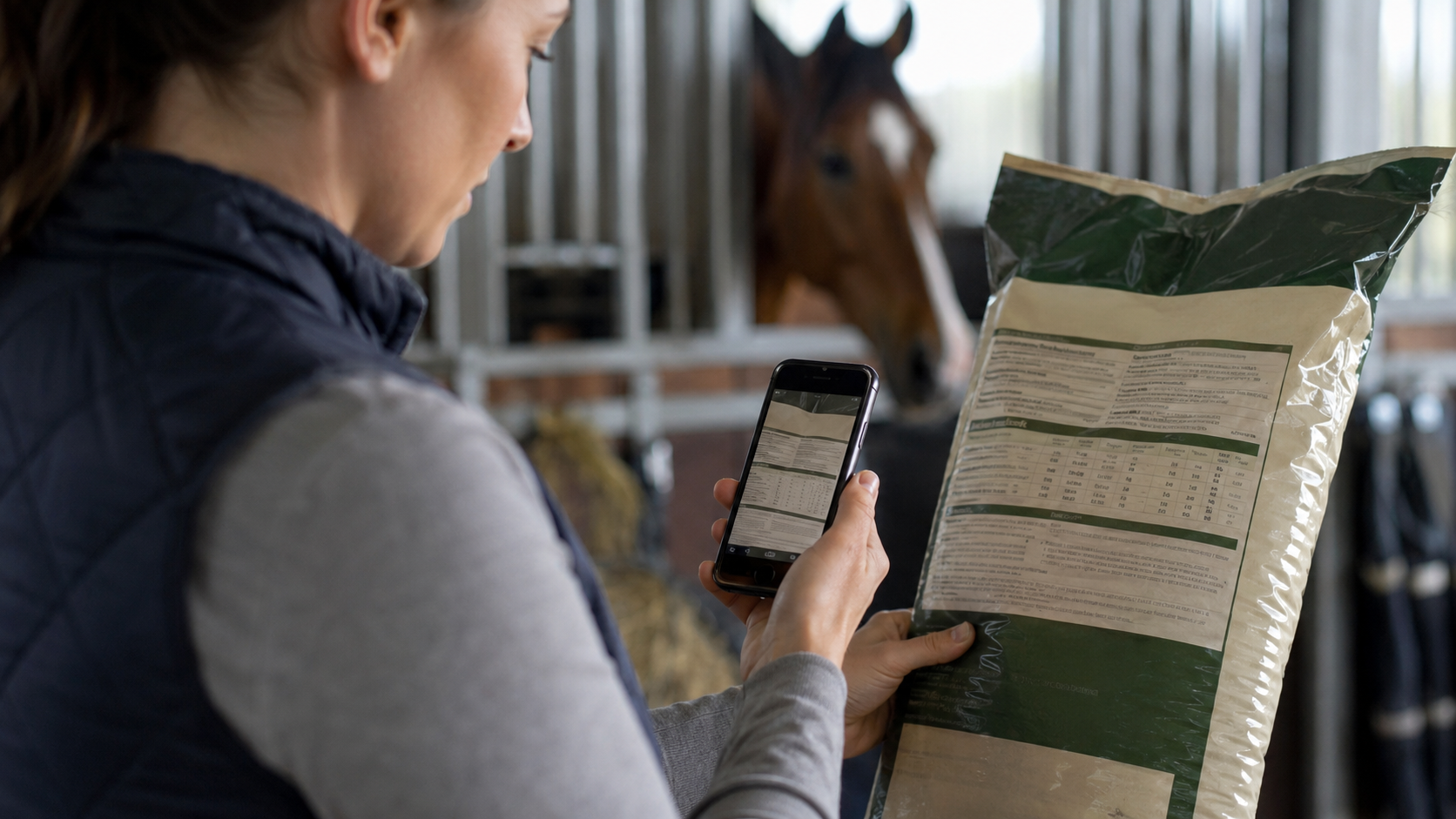
With Equio, every feed, supplement or treat is read against the horse's real profile (age, weight, Body Condition Score, conditions) — useful for a Frederiksborger as soon as a metabolic or digestive sensitivity is known.

Health and points to watch
Particular attention must be paid to weight management to prevent metabolic risks. Regular monitoring of conformation and hooves is crucial, as well as surveillance of joints, especially in older horses or those subjected to intense work.
- More frequent conditions: osteoarthritis (related to age or exertion), dental problems (as with all horses)
Care and grooming
Frederiksborger care is standard. Hooves are generally strong and require regular trimming. The mane and tail are often thick and may require regular detangling. The coat is easy to maintain, and clipping is only necessary for horses in intense work during winter. Good general hygiene and regular grooming are sufficient to keep the skin and coat healthy.
Did you know?
- The Frederiksborger is one of the foundation breeds of the Knabstrupper, a Danish breed famous for its spotted coat.
- Historically, the Frederiksborger was considered a luxury horse, given as a gift to European royalty.
- Frederiksborg Stud, where the breed was developed, is one of the oldest royal studs in Europe.
The Frederiksborger and how to track it
The Frederiksborger breed is not widely represented in France, where breeding is marginal. A few imported individuals can be found, mainly used for leisure riding or amateur dressage, but it remains a niche breed in France.
Equio lets you build a complete profile for a Frederiksborger: identity, weight, Body Condition Score, feeding, conditions, care reminders (vaccines, worming, trimming) and an exportable health log. The breed sets the identity; everyday decisions still depend on the real horse and your vet's advice.
- Record the activity level: rest, leisure, sport or breeding
- Add known conditions or sensitivities
- Scan feeds, plants and care products
- Keep reminders (vaccines, worming, trimming)
- Prepare a PDF export before a vet appointment
Frequently asked questions
Is the Frederiksborger a good horse for beginners?
Yes, thanks to its calm, intelligent, and willing temperament, the Frederiksborger is often recommended for beginner riders or those seeking a reliable and easy-to-manage partner. Its versatility also makes it suitable for many activities.
What is the most typical coat color of the Frederiksborger?
Historically, chestnut was the most iconic coat color of the Frederiksborger, and it remains very common. However, bay, black, and grey individuals are also found, as the studbook accepts these colors.
Is the Frederiksborger a high-level sport horse?
The Frederiksborger excels in dressage and driving, where it can achieve a good level. While athletic, it is less geared towards very high-level show jumping or eventing disciplines than some more modern sport breeds, but it remains an excellent versatile sport horse for amateur and intermediate levels.
Where can one buy a Frederiksborger in France?
Buying a Frederiksborger in France is rare due to the small population. It is more likely that one would need to turn to breeders in Denmark or other European countries where the breed is more established, or seek imports through specialized professionals.
Is the Frederiksborger an endangered breed?
After experiencing a significant decline in the 20th century, the breed was revived, and its population is stable, although relatively small. It is not considered endangered, but remains a rare breed outside of Denmark.