
Horse breed
Dongola
The Dongola is an ancient breed originating from the Dongola region in Sudan, likely descended from imported Barb and Arabian horses. It played a crucial role as a war and transport horse in the Nile region.
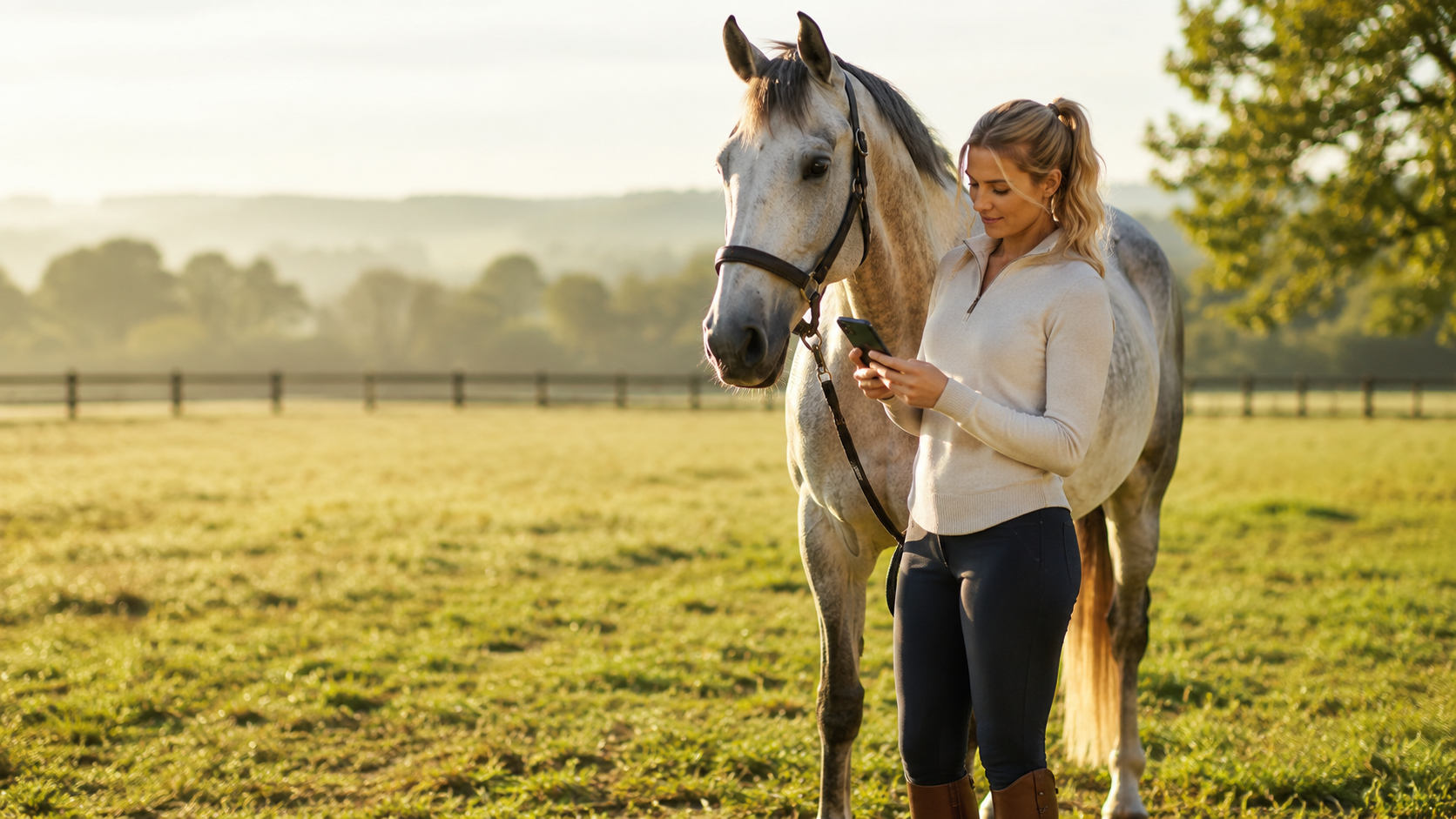
The breed at a glance
The Dongola is renowned for its courageous, intelligent, and willing temperament. It is generally docile and easy to train, but can show spirit under saddle, making it an excellent partner for work and sport.
- Category
- saddle horse
- Origin
- Sudan · Antiquity / Middle Ages
- Height at withers
- 145–155 cm
- Weight
- 350–450 kg
- Lifespan
- 20-25 years
- Common coats
- bay, chestnut, black, grey
- Disciplines
- endurance riding, dressage, show jumping (at an amateur level), trail riding
- Other names
- Dongolawi, Dongola Horse
Origin and history
The Dongola is an ancient breed originating from the Dongola region in Sudan, likely descended from imported Barb and Arabian horses. It played a crucial role as a war and transport horse in the Nile region. Although its history is long, the breed did not receive official international recognition until recently, and its population has significantly declined.

Conformation and physique
A medium-sized horse, elegant and athletic, with a solid yet refined bone structure. It presents a harmonious silhouette, typical of oriental saddle horses.
Fine and expressive head, often with a slightly convex (ram's nose) or straight profile. The eyes are large and lively, the ears medium-sized and well-set.
Long and well-arched neck, set high, blending harmoniously into a well-defined wither.
Short and strong back, taut topline. Deep and broad chest, well-sprung ribs. Muscular and slightly sloping croup, with a high-set tail.
Long and clean limbs, with well-defined joints and clean tendons. The hooves are hard and well-formed. Absence of pronounced feathering.
- Common coats: bay, chestnut, black, grey
Temperament and aptitudes
The Dongola is renowned for its courageous, intelligent, and willing temperament. It is generally docile and easy to train, but can show spirit under saddle, making it an excellent partner for work and sport.
The gaits are supple, expansive, and energetic, with good impulsion. The walk is regular, the trot airy, and the canter balanced.
- Uses: saddle horse, transport, light agricultural work, traditional races, parade
- Disciplines: endurance riding, dressage, show jumping (at an amateur level), trail riding
Feeding the Dongola
The Dongola is a horse with a rather efficient metabolism, adapted to the arid conditions of its country of origin. It utilizes medium-quality forage well. It does not tend to gain weight easily if regularly exercised. Concentrate supplementation is only necessary for horses in intense work, in addition to a base of good quality hay or grass.
There are no documented specific predispositions to dietary sensitivities or metabolic risks (laminitis, EMS, PSSM) for the Dongola breed. However, like any horse, a balanced diet adapted to its activity level is essential to prevent these conditions.
With Equio, every feed, supplement or treat is read against the horse's real profile (age, weight, Body Condition Score, conditions) — useful for a Dongola as soon as a metabolic or digestive sensitivity is known.

Health and points to watch
Particular attention should be paid to air quality and hydration, especially in hot climates. Regular dental care is recommended, as well as an appropriate deworming program.
- More frequent conditions: respiratory conditions due to dust in arid environments, age-related dental problems
Care and grooming
The Dongola's hooves are generally hard and resilient, requiring regular trimming but often less intensive than other breeds. The mane and tail are full and may require regular detangling. The coat is fine and does not require special care, apart from daily brushing. Clipping is rarely necessary.
Did you know?
- The Dongola is often confused with the Barb due to their geographical origins and certain morphological similarities.
- Historically, the Dongola was highly prized by Mamluk riders for its speed and endurance.
- The breed is considered endangered in its country of origin due to crossbreeding and the decline of its purebred population.
The Dongola and how to track it
The Dongola breed is extremely rare outside its region of origin. There is no significant breeding or established population in France. Any individuals present would be isolated imports.
Equio lets you build a complete profile for a Dongola: identity, weight, Body Condition Score, feeding, conditions, care reminders (vaccines, worming, trimming) and an exportable health log. The breed sets the identity; everyday decisions still depend on the real horse and your vet's advice.
- Record the activity level: rest, leisure, sport or breeding
- Add known conditions or sensitivities
- Scan feeds, plants and care products
- Keep reminders (vaccines, worming, trimming)
- Prepare a PDF export before a vet appointment
Frequently asked questions
Is the Dongola a good horse for beginners?
The Dongola is intelligent and willing, which can make it suitable for supervised beginner riders. However, its energetic temperament and sensitivity may require a rider with a minimum of experience to get the best out of it.
What is the availability of the Dongola outside Sudan?
The Dongola is extremely rare outside Sudan and neighboring countries. It is very difficult to find for purchase in Europe or North America, and imports are complex and costly.
Is the Dongola heat-tolerant?
Yes, the Dongola is particularly well adapted to the hot and arid climates of its region of origin. It has good tolerance to heat and drought, making it a robust horse in these conditions.
What is the cost of a Dongola horse?
The cost of a Dongola is highly variable and difficult to estimate due to its rarity. Outside its region of origin, the price would likely be very high, including acquisition, transport, and import formalities.
Is the Dongola an internationally recognized breed?
The international recognition of the Dongola is limited. Although it is an ancient breed, it does not have the same visibility or studbooks as more widespread breeds, which makes its conservation more difficult.