
Horse breed
Swiss Warmblood
The Swiss Warmblood breed was developed after World War II, following the decline in the use of agricultural and military horses. The goal was to create a modern, versatile, and high-performing sport horse.
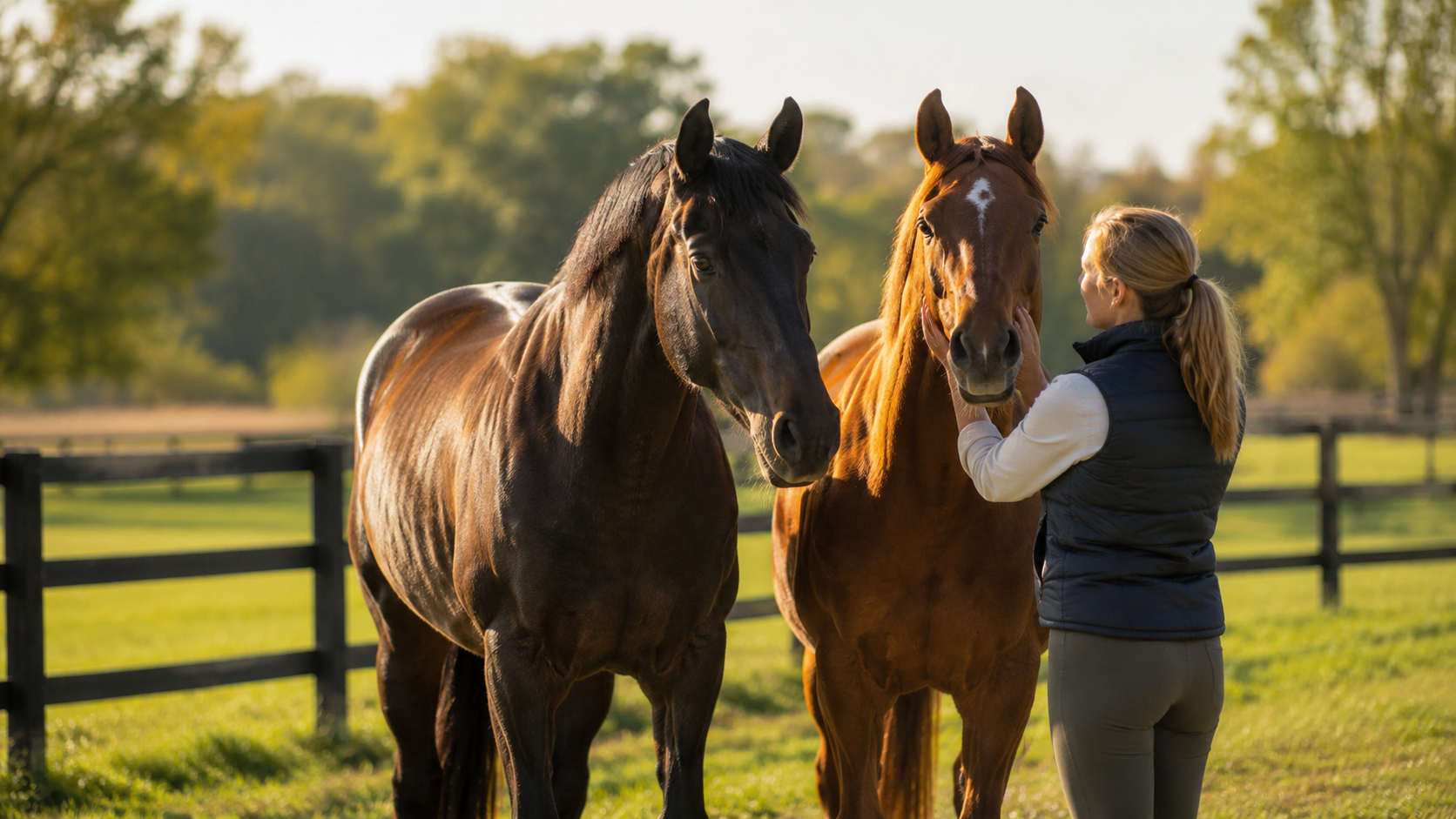
The breed at a glance
The Swiss Warmblood is renowned for its balanced, intelligent, and willing temperament. It is courageous, responsive, and possesses a good capacity for learning, making it a reliable and pleasant partner to work with. It is generally calm and easy to handle.
- Category
- sport horse
- Origin
- Swiss · Mid-20th century
- Height at withers
- 160–175 cm
- Weight
- 500–650 kg
- Lifespan
- 25-30 years
- Common coats
- bay, chestnut, grey, black
- Disciplines
- show jumping, dressage, eventing, driving
- Other names
- Cheval de Sport Suisse, Swiss Warmblood
Origin and history
The Swiss Warmblood breed was developed after World War II, following the decline in the use of agricultural and military horses. The goal was to create a modern, versatile, and high-performing sport horse. It originated from crosses between indigenous Swiss mares (primarily of the Freiberger type) and stallions from European sport horse breeds such as the Hanoverian, Holsteiner, Selle Français, and Trakehner. Official recognition of the breed and the establishment of the studbook took place in the 1960s.

Conformation and physique
The Swiss Warmblood is a medium to large-sized sport horse, harmonious and athletic. It has a solid yet elegant bone structure, with well-developed musculature, typical of a performance horse.
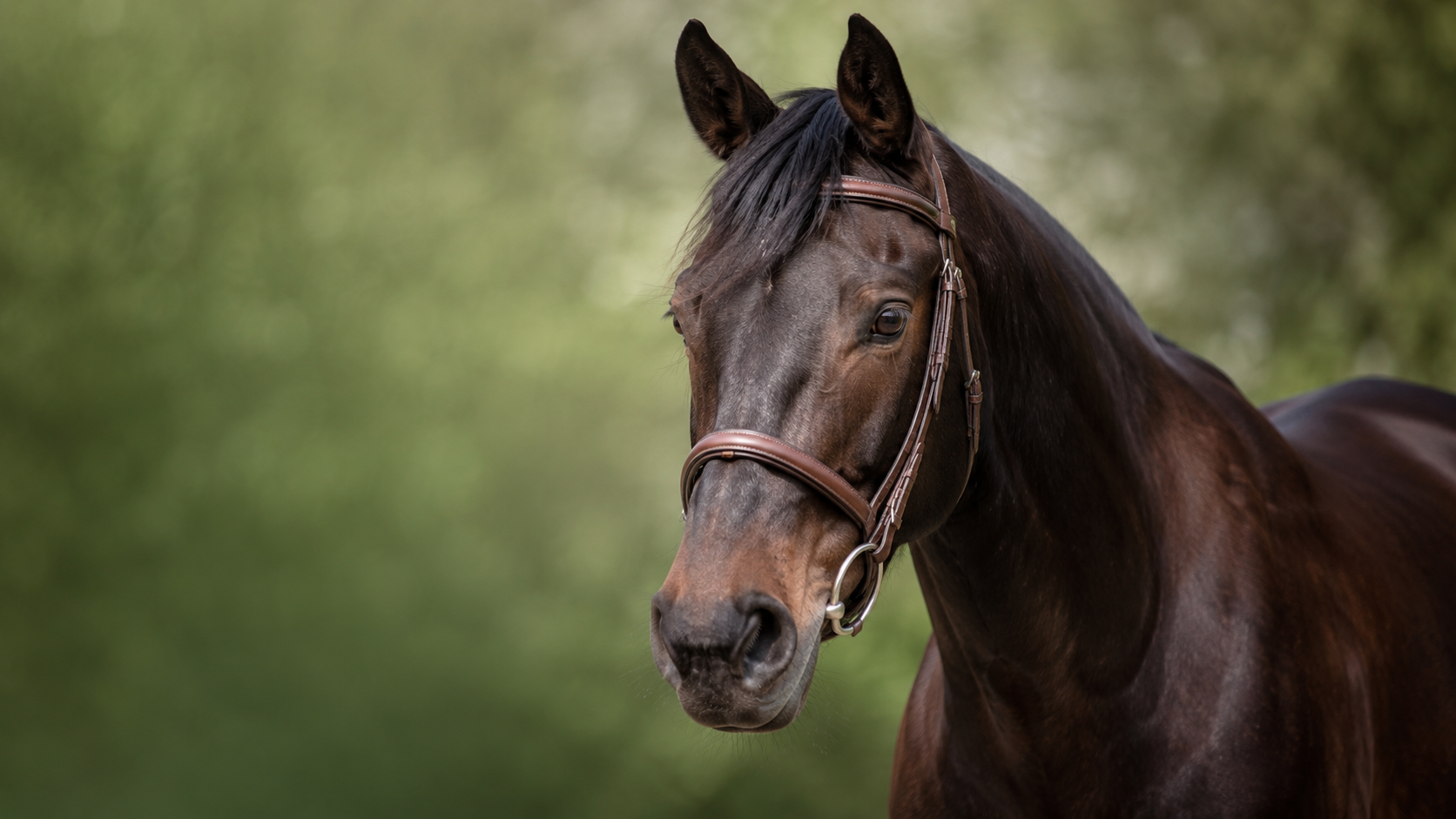
The head is expressive, medium-sized, with a straight or slightly concave profile. The eyes are large and lively, the ears well-set and mobile. The muzzle is broad and the nostrils open.
The neck is long, well-muscled, and well-set, blending harmoniously into a long and prominent wither. It is carried elegantly, promoting balance and suppleness.
The body is compact and powerful. The back is short and strong, the topline taut and muscular. The chest is deep and broad, providing ample room for the lungs. The croup is long, muscular, and slightly sloped, often double.
The limbs are strong, with large and well-defined joints. The cannons are short, and the tendons clean and well-defined. The feet are solid and well-formed. Feathers are generally sparse.
- Common coats: bay, chestnut, grey, black
Temperament and aptitudes
The Swiss Warmblood is renowned for its balanced, intelligent, and willing temperament. It is courageous, responsive, and possesses a good capacity for learning, making it a reliable and pleasant partner to work with. It is generally calm and easy to handle.
The gaits are expansive, supple, and energetic, with good balance and marked impulsion. The walk is regular, the trot is airy, and the canter is powerful and rhythmic, with good ground cover.
- Uses: sport horse, high-end leisure, breeding
- Disciplines: show jumping, dressage, eventing, driving
Feeding the Swiss Warmblood
The Swiss Warmblood, as a sport horse, has high energy requirements, especially if subjected to intense work. It requires a balanced diet, rich in good quality forage (ad libitum hay) supplemented with concentrates appropriate for its activity level. It is not particularly prone to obesity if worked regularly, but careful management of feed intake is crucial to maintain its physical condition and performance.
The breed does not show documented predispositions to specific dietary sensitivities such as laminitis or Equine Metabolic Syndrome (EMS) more than other sport horse breeds. However, like any equine athlete, a diet too rich in sugars and starch without sufficient exercise can increase the risk of digestive or metabolic disorders.
With Equio, every feed, supplement or treat is read against the horse's real profile (age, weight, Body Condition Score, conditions) — useful for a Swiss Warmblood as soon as a metabolic or digestive sensitivity is known.
Health and points to watch
Particular attention must be paid to the musculoskeletal system, especially the joints and tendons, due to the stresses associated with equestrian sports disciplines. Regular veterinary check-ups, preventive examinations, and appropriate training management are essential to prevent injuries. Stress and dietary management are also important for preventing gastric ulcers.
- More frequent conditions: exercise-related musculoskeletal conditions (osteoarthritis, tendinitis), gastric ulcers (in sport horses subjected to stress)
Care and grooming
Routine care includes regular hoof trimming (every 6-8 weeks) and shoeing adapted to the disciplines practiced. The coat requires daily grooming to maintain its cleanliness and shine. The mane and tail are generally left long and regularly maintained. Clipping is common for sport horses in winter to facilitate sweat management.
Did you know?
- The Swiss Warmblood studbook is one of the youngest among European sport horse breeds, but it has quickly gained international recognition.
- Selection is very rigorous, based on the athletic performance and genetic qualities of the breeding stock, with performance tests for young horses.
- Despite its name, the Swiss Warmblood is a fully-fledged sport horse, not merely a crossbreed, with well-established bloodlines.
The Swiss Warmblood and how to track it
The Swiss Warmblood breed is present in France, but in limited numbers compared to other European sport horse breeds. It is valued by some riders and breeders for its athletic qualities and temperament, and is primarily found in Olympic disciplines.
Equio lets you build a complete profile for a Swiss Warmblood: identity, weight, Body Condition Score, feeding, conditions, care reminders (vaccines, worming, trimming) and an exportable health log. The breed sets the identity; everyday decisions still depend on the real horse and your vet's advice.
- Record the activity level: rest, leisure, sport or breeding
- Add known conditions or sensitivities
- Scan feeds, plants and care products
- Keep reminders (vaccines, worming, trimming)
- Prepare a PDF export before a vet appointment
Frequently asked questions
What is the average price of a Swiss Warmblood?
The price of a Swiss Warmblood varies considerably depending on its age, level of training, lineage (performance bloodlines), and competitive results. A young, unbroken horse can cost from 5,000 to 15,000 euros, while a proven competition horse can reach several tens of thousands of euros.
Is the Swiss Warmblood suitable for beginner riders?
Due to its willing temperament and responsiveness, the Swiss Warmblood is generally more suited to experienced or supervised riders. Its power and energy require a certain level of skill, although its good nature can make it accessible to intermediate riders under proper supervision.
What are the main qualities of the Swiss Warmblood in competition?
The Swiss Warmblood is valued for its athleticism, strength, suppleness, and intelligence. In show jumping, it demonstrates scope and carefulness over fences. In dressage, it is capable of collection and performing complex movements thanks to its gaits and learning ability. Its courage also makes it a good eventing horse.
How to recognize a true Swiss Warmblood?
A true Swiss Warmblood is registered in the breed's studbook and possesses an equine passport certifying its origins. It exhibits the morphological and temperament characteristics described in the breed standard, with an athletic conformation and quality gaits. The brand (if present) can also be an indicator.
Are there Swiss Warmblood breeders in France?
Yes, there are a few Swiss Warmblood breeding farms in France, often specializing in sport horses. However, the majority of breeders are located in Switzerland. It is also possible to find imported horses or offspring from crosses with Swiss Warmblood stallions.