
Horse breed
Oberlander Horse
The Oberlander Horse is a draft breed originating from the Bavarian Oberland region in Germany. It was developed from crosses between local draft horses and breeds like the Noriker and Haflinger, aiming to create a robust and versatile working horse for mountainous terrain.
The breed at a glance
The Oberlander Horse is renowned for its calm, docile, and willing temperament. It is a hardworking, courageous, and reliable horse, making it an excellent partner for agricultural and forestry work. It is also valued for its kindness and patience.
- Category
- draft horse
- Origin
- Germany · Late 19th century / Early 20th century
- Height at withers
- 150–160 cm
- Weight
- 600–750 kg
- Lifespan
- 20-25 years
- Common coats
- chestnut, bay, black, grey
- Disciplines
- working harness, equestrian trail riding
- Other names
- Oberländer Pferd
Origin and history
The Oberlander Horse is a draft breed originating from the Bavarian Oberland region in Germany. It was developed from crosses between local draft horses and breeds like the Noriker and Haflinger, aiming to create a robust and versatile working horse for mountainous terrain. The breed was officially recognized in Bavaria, but its population remained relatively limited. Its historical role was primarily agricultural and forestry in the Bavarian Alps.

Conformation and physique
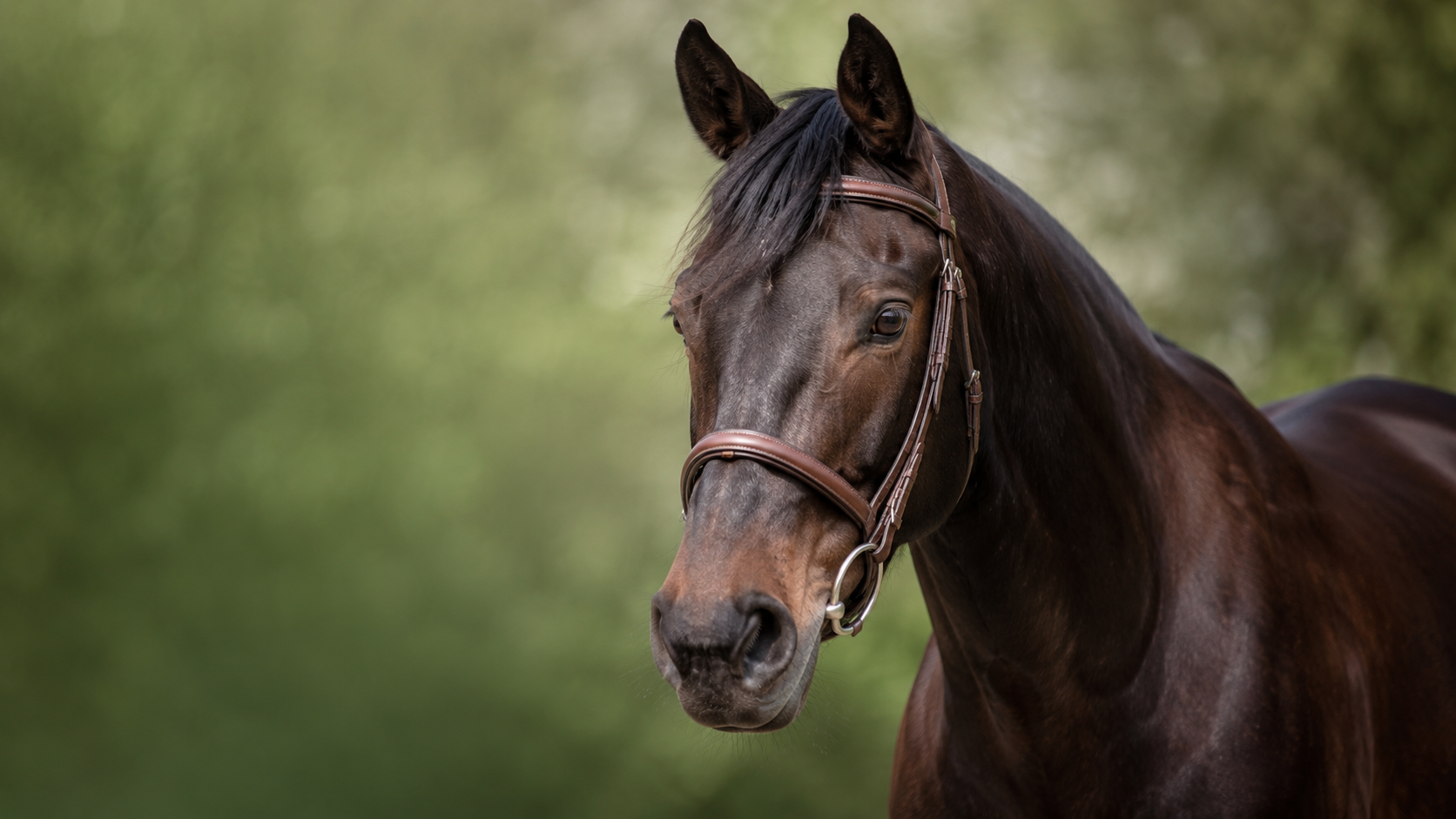
It is a medium-sized, compact, and muscular draft horse with solid bone structure. It exhibits a harmonious silhouette, typical of working horses adapted to difficult terrain.
The head is expressive, medium-sized, with a straight or slightly convex profile. The eyes are large and lively, and the ears are well-proportioned.
The neck is strong, muscular, and well-set, blending harmoniously into a broad, low-set wither.
The back is short and strong, with a taut topline. The chest is broad and deep, and the croup is powerful, muscular, and slightly sloped.
The limbs are solid, with broad and well-defined joints. The cannons are short and robust, often with moderate feathering. The feet are round and hard.
- Common coats: chestnut, bay, black, grey
Temperament and aptitudes
The Oberlander Horse is renowned for its calm, docile, and willing temperament. It is a hardworking, courageous, and reliable horse, making it an excellent partner for agricultural and forestry work. It is also valued for its kindness and patience.
The gaits are expansive, regular, and energetic, with good impulsion. The walk is sure-footed and the trot powerful, suited for work on varied terrain.
- Uses: agricultural work, forestry work, driving, recreational riding, trail riding
- Disciplines: working harness, equestrian trail riding
Feeding the Oberlander Horse
The Oberlander Horse is a draft horse with a rather efficient metabolism, capable of effectively utilizing forage. It tends to gain weight if not worked sufficiently or if its diet is too rich. A base of good quality hay ad libitum is essential, supplemented with concentrates only if the level of work is sustained, prioritizing feeds low in sugar and starch.
Like many draft horses and hardy breeds, the Oberlander Horse can be predisposed to Equine Metabolic Syndrome (EMS) and laminitis if overfed or sedentary. Careful monitoring of its weight and rigorous management of its diet are crucial to prevent these conditions.
With Equio, every feed, supplement or treat is read against the horse's real profile (age, weight, Body Condition Score, conditions) — useful for a Oberlander Horse as soon as a metabolic or digestive sensitivity is known.
Health and points to watch
Particular attention must be paid to the condition of the joints, especially in older horses or those that have had an intense working career. Hoof quality is paramount and requires regular and appropriate trimming to prevent podal affections.
- More frequent conditions: osteoarthritis (related to age and heavy work), foot problems (if poorly maintained)
Care and grooming
The care of the Oberlander Horse is that of a hardy horse. Hooves require regular and precise trimming. The mane and feathers, often abundant, must be brushed to prevent knots and dermatitis. The coat is dense and does not require special clipping, except for comfort reasons during intense work.
Did you know?
- The Oberlander Horse is sometimes considered a variant or type of the Noriker, with which it shares similar origins and characteristics.
- It is particularly well-suited for mountain work thanks to its robustness and sure-footedness.
- The breed experienced a significant decline with the mechanization of agriculture, but conservation efforts are underway in Germany.
The Oberlander Horse and how to track it
The Oberlander Horse breed is very rare in France, with an almost non-existent population. There is no structured breeding or significant use of this breed on French territory.
Equio lets you build a complete profile for a Oberlander Horse: identity, weight, Body Condition Score, feeding, conditions, care reminders (vaccines, worming, trimming) and an exportable health log. The breed sets the identity; everyday decisions still depend on the real horse and your vet's advice.
- Record the activity level: rest, leisure, sport or breeding
- Add known conditions or sensitivities
- Scan feeds, plants and care products
- Keep reminders (vaccines, worming, trimming)
- Prepare a PDF export before a vet appointment
Frequently asked questions
Is the Oberlander Horse suitable for beginners?
Yes, thanks to its calm and docile temperament, the Oberlander Horse can be an excellent choice for beginners or less experienced riders, especially for leisure riding and trekking.
What is the availability of the Oberlander Horse outside Germany?
The Oberlander Horse is a very localized breed. Its availability outside Germany, and particularly Bavaria, is extremely limited. It is rare to find one for purchase abroad.
Can the Oberlander Horse be ridden?
Although a draft horse, the Oberlander Horse can certainly be ridden. Its robustness, sure-footedness, and good temperament make it an excellent trekking and leisure horse, capable of carrying riders of all sizes.
What are the maintenance costs of an Oberlander Horse?
Maintenance costs are comparable to those of a medium-sized draft horse. Its efficient metabolism can reduce the need for concentrates, but usual farriery, deworming, vaccination, and regular veterinary care expenses should be anticipated.
Is the Oberlander Horse an endangered breed?
Yes, the Oberlander Horse is considered a rare and endangered breed. Conservation programs are being implemented in Germany to preserve its genetic heritage and encourage its breeding.