
Horse breed
Haflinger
The Haflinger originates from South Tyrol, a mountainous region shared between Austria and Italy. It descends from an Arabian stallion, El Bedavi XXII, and a local Tyrolean mare, whose foal, Folie, born in 1874, is considered the foundation sire of the breed.
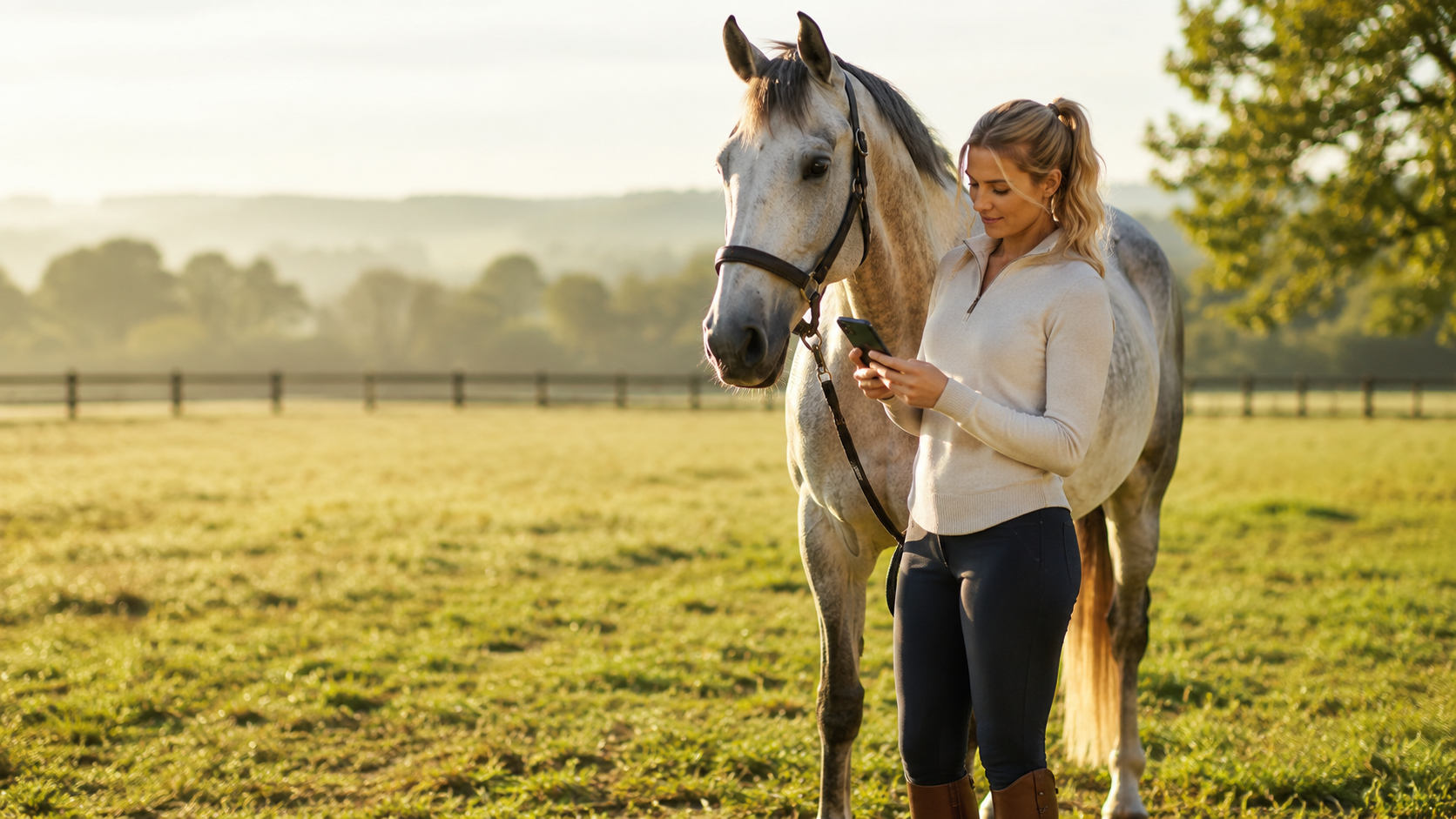
The breed at a glance
The Haflinger is renowned for its calm, gentle, and cooperative temperament. It is intelligent, willing, and learns quickly, making it an excellent companion for riders of all levels. Its robustness and kindness make it very versatile.
- Category
- pony
- Origin
- Austria (South Tyrol) · Late 19th century
- Height at withers
- 137–155 cm
- Weight
- 350–500 kg
- Lifespan
- 25-30 years
- Common coats
- chestnut, liver chestnut, golden chestnut
- Disciplines
- driving, dressage, show jumping (club level), TREC
- Other names
- Avelignese, Haflinger Pony
Origin and history
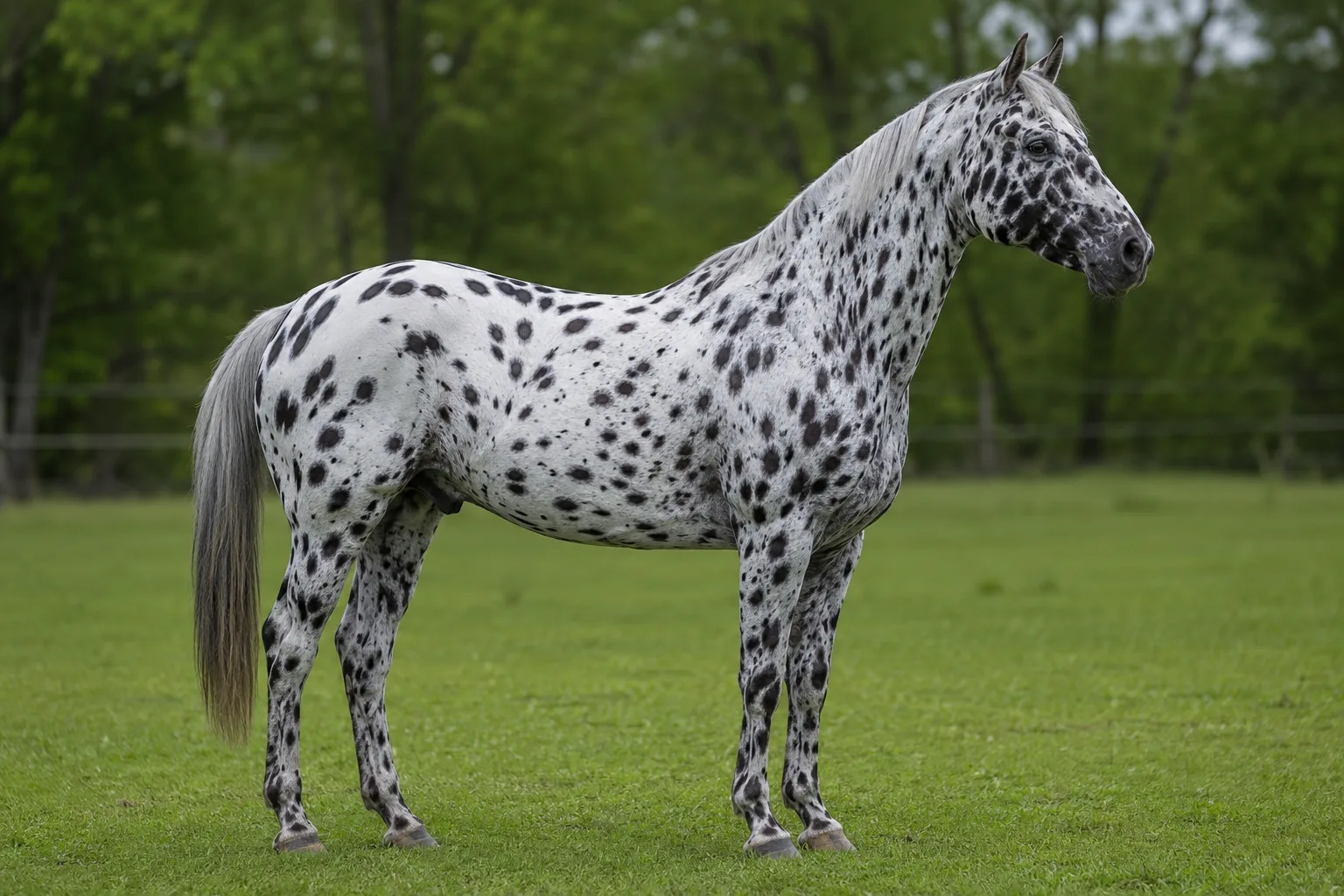
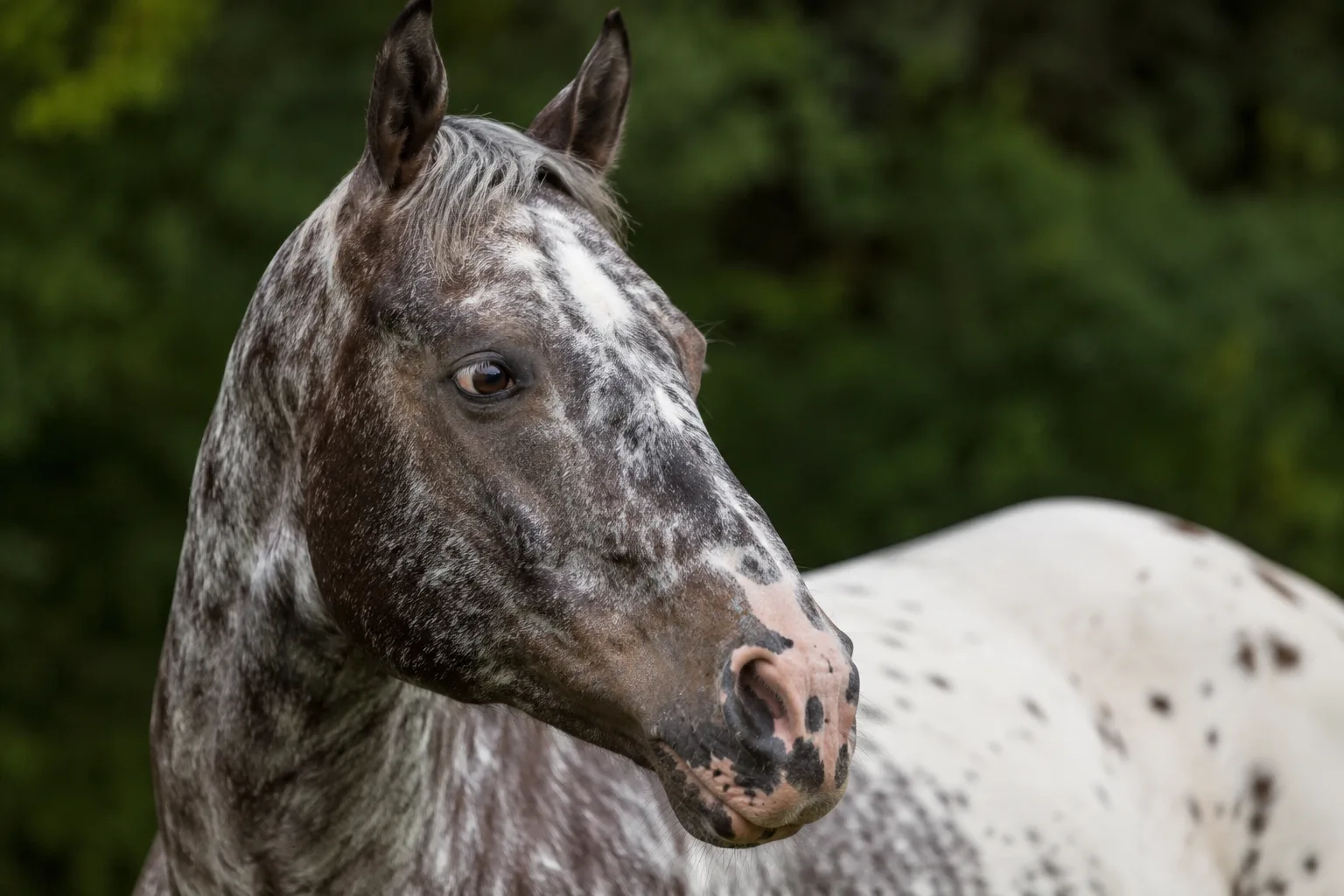
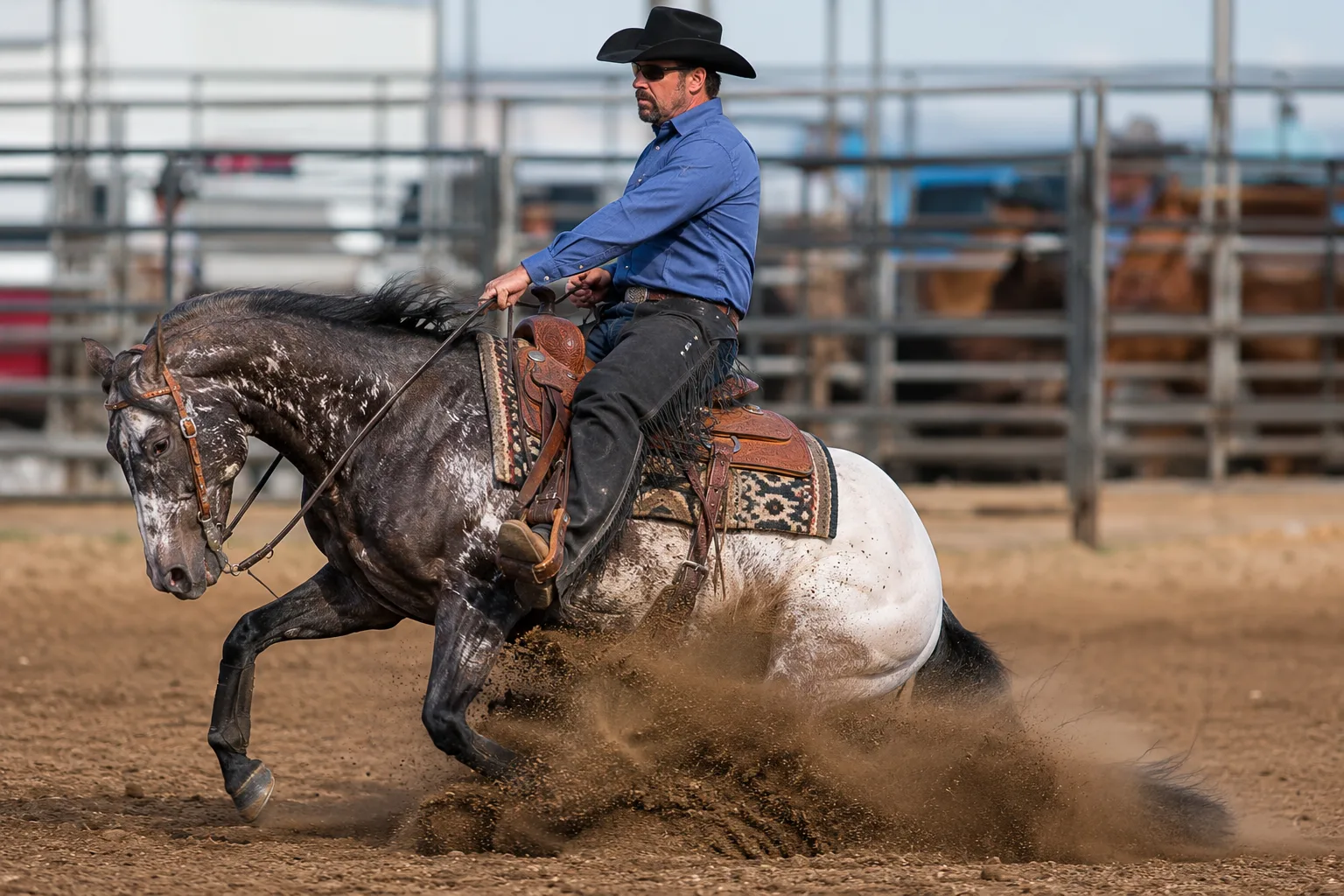
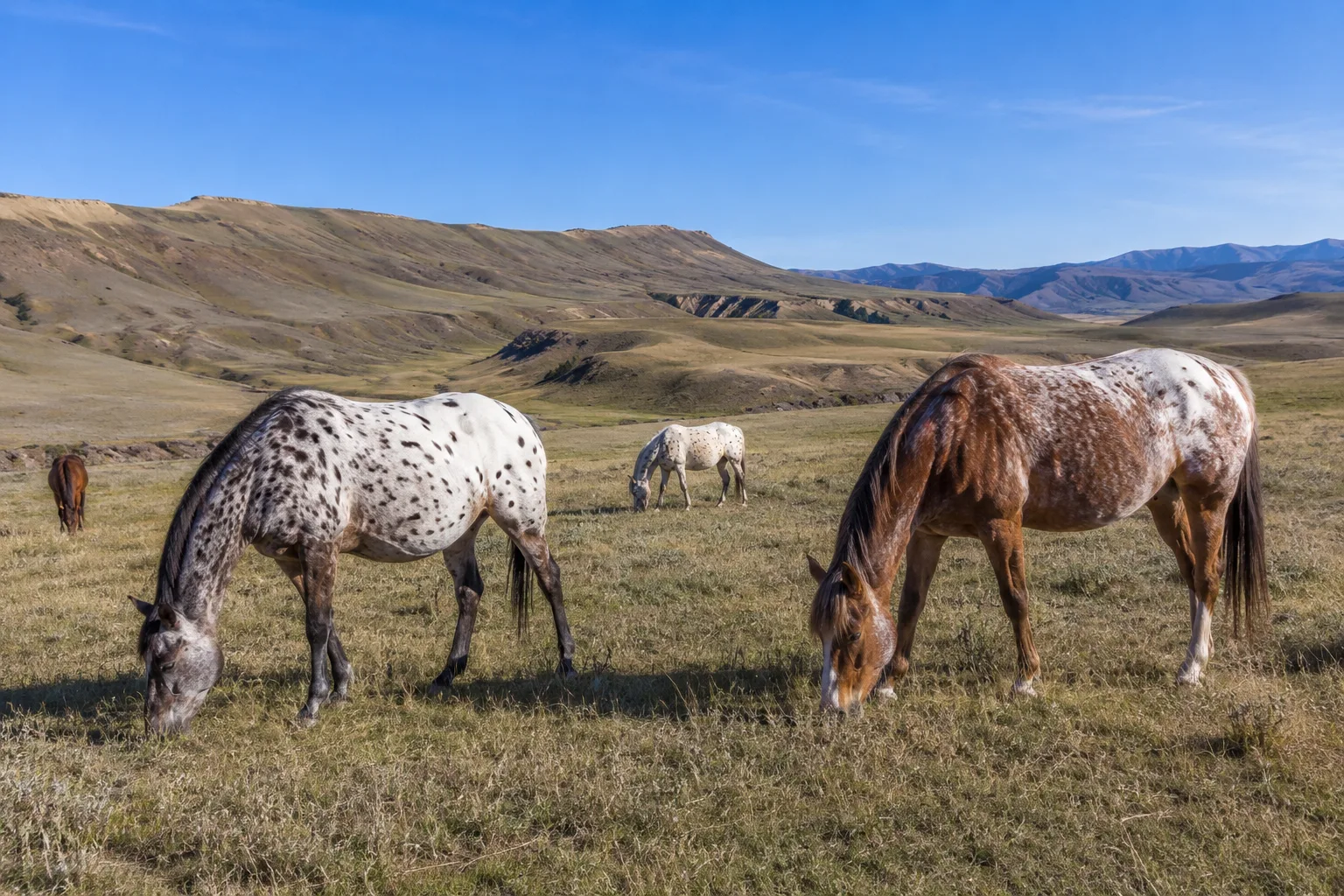
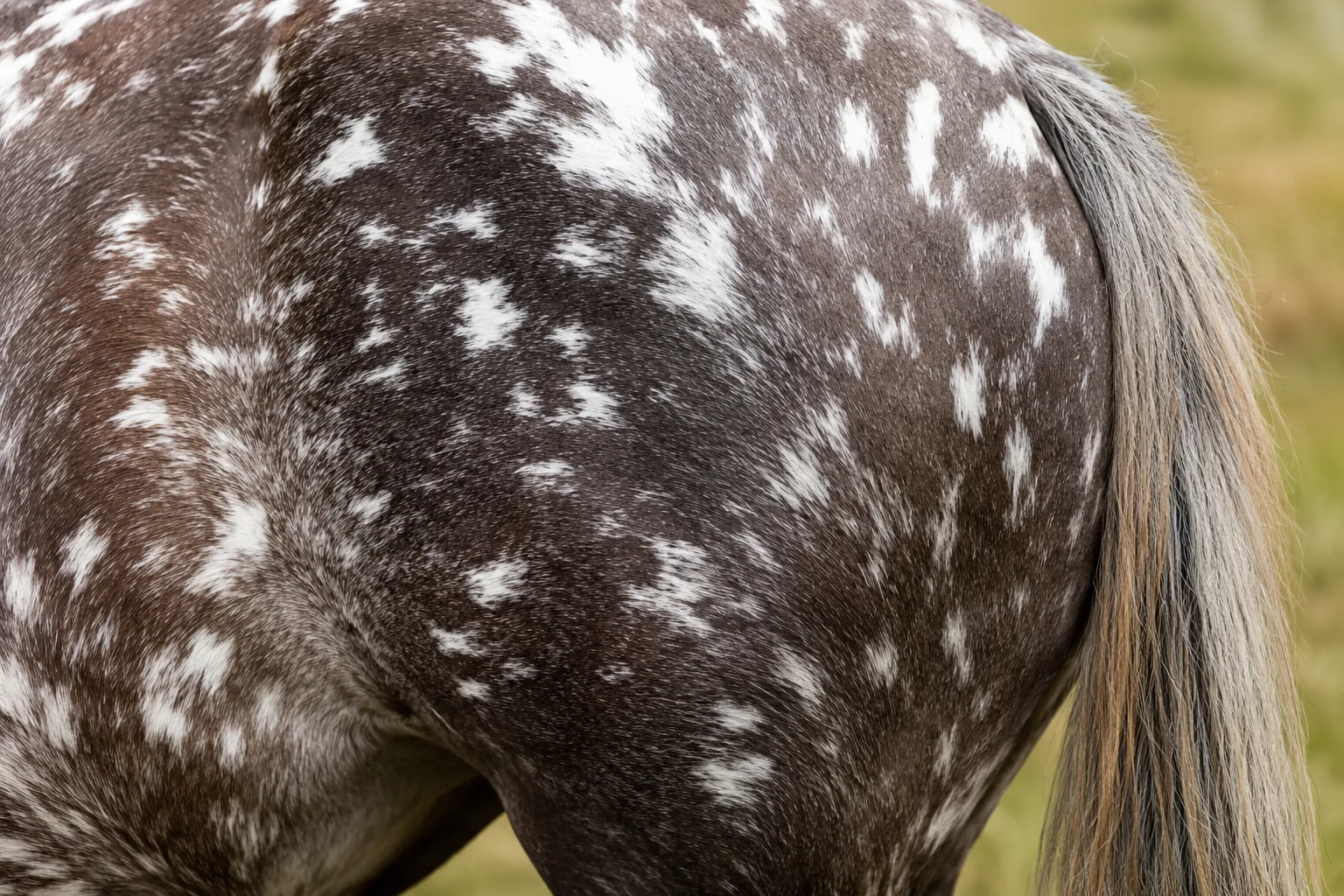
The Haflinger originates from South Tyrol, a mountainous region shared between Austria and Italy. It descends from an Arabian stallion, El Bedavi XXII, and a local Tyrolean mare, whose foal, Folie, born in 1874, is considered the foundation sire of the breed. Bred for its robustness and versatility in an alpine environment, the Haflinger was officially recognized as a distinct breed in the early 20th century. Its rigorous selection has established its unique characteristics, making it a highly valued mountain pony.
Conformation and physique
The Haflinger is a compact and muscular pony, with a strong bone structure and a harmonious silhouette. It presents a robust and elegant overall appearance, typical of mountain horses, with good depth of body.
Expressive, medium-sized head, with a broad forehead, large, lively eyes, and a straight or slightly concave profile. The ears are small and well-set.
Well-set, muscular, and arched neck, blending harmoniously into well-defined and long withers. It provides good head carriage.
Short and strong back, taut and muscular topline. Broad and deep chest, well-sprung ribs. Muscular, rounded, and slightly sloping hindquarters, with a high-set tail.
Strong, clean limbs, with large and well-defined joints. The cannons are short and the pasterns of medium length. The feet are round, hard, and well-formed. Light feathering is present.
- Common coats: chestnut, liver chestnut, golden chestnut
Temperament and aptitudes
The Haflinger is renowned for its calm, gentle, and cooperative temperament. It is intelligent, willing, and learns quickly, making it an excellent companion for riders of all levels. Its robustness and kindness make it very versatile.
The gaits are ample, regular, and energetic, with good balance and natural impulsion. The walk is active, the trot supple, and the canter balanced, showing good carrying ability.
- Uses: pack horse, light draft horse, recreational riding, driving, vaulting, equestrian trail riding, equine-assisted therapy, family horse
- Disciplines: driving, dressage, show jumping (club level), TREC, trail riding, vaulting
Feeding the Haflinger
The Haflinger is a horse with an efficient metabolism, accustomed to the harsh living conditions of the mountains. It tends to easily gain weight if its diet is not controlled. A diet based primarily on good quality forage (hay, grass) is essential. Concentrates are only necessary in cases of intense work or specific needs and should be fed sparingly to avoid overweight.
Due to its efficient metabolism, the Haflinger is predisposed to equine metabolic syndrome (EMS) and laminitis, especially if overweight or if it has unlimited access to rich grass. Particular vigilance is required regarding sugar and starch intake in its diet.
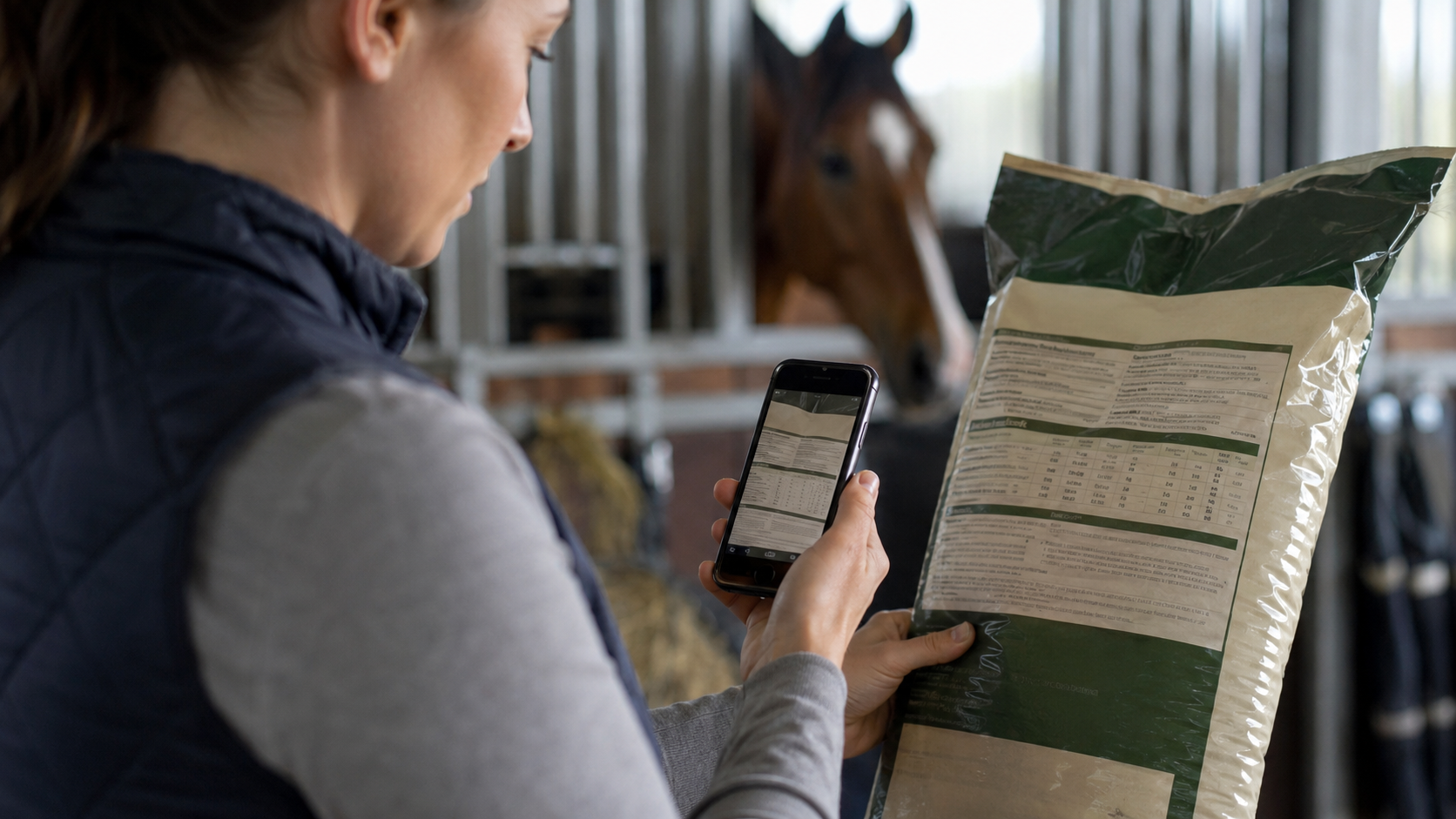
With Equio, every feed, supplement or treat is read against the horse's real profile (age, weight, Body Condition Score, conditions) — useful for a Haflinger as soon as a metabolic or digestive sensitivity is known.
Health and points to watch
It is crucial to monitor the Haflinger's weight and maintain a balanced diet to prevent obesity and associated conditions such as laminitis and EMS. Regular exercise is also essential for its metabolic and joint health. Particular attention should be paid to the quality of its feet, although they are generally robust.
- More frequent conditions: laminitis, Equine Metabolic Syndrome (EMS), obesity
Care and grooming
The Haflinger's hooves are naturally hard and resistant, requiring regular trimming but often less frequent than other breeds. Its mane and tail, often very full and flaxen, require regular brushing to prevent tangles and maintain their luster. The coat does not require specific care, but daily brushing is recommended for cleanliness and blood circulation.
Did you know?
- All purebred Haflingers are chestnut with flaxen or white mane and tail, a distinctive characteristic of the breed.
- The Haflinger is one of the few breeds where all individuals can trace their lineage back to a single foundation stallion, Folie.
- There is a World Haflinger Federation (WHF) that oversees the breeding and purity of the breed internationally.
The Haflinger and how to track it
The Haflinger is well-represented in France, appreciated for its versatility and temperament. It is bred for leisure riding, driving, and trekking, and is often used in riding centers and for equine therapy.
Equio lets you build a complete profile for a Haflinger: identity, weight, Body Condition Score, feeding, conditions, care reminders (vaccines, worming, trimming) and an exportable health log. The breed sets the identity; everyday decisions still depend on the real horse and your vet's advice.
- Record the activity level: rest, leisure, sport or breeding
- Add known conditions or sensitivities
- Scan feeds, plants and care products
- Keep reminders (vaccines, worming, trimming)
- Prepare a PDF export before a vet appointment
Frequently asked questions
Is the Haflinger a pony or a horse?
Although often called a 'pony', the Haflinger is classified as a small horse due to its size (generally between 1.37 m and 1.55 m at the withers) and robust build. It possesses all the characteristics of a compact riding horse.
What is the average price of a Haflinger?
The price of a Haflinger varies considerably depending on its age, training level, lineage, conformation, and experience. It can range from €2,000 for an unstarted young horse to over €8,000 for a well-trained horse experienced in competition or leisure activities.
Is the Haflinger suitable for beginners?
Yes, the Haflinger is particularly well-suited for beginners and children thanks to its calm, patient, and cooperative temperament. Its robustness and small size inspire confidence, and its versatility allows for safe learning in many disciplines.
What is the typical coat color of the Haflinger?
The typical and unique coat color of the Haflinger is chestnut, with a flaxen mane and tail (light blonde to white). All shades of chestnut are accepted, from light golden to liver, as long as the mane and tail remain light.
Can Haflingers live outdoors all year round?
Yes, the Haflinger is a hardy breed originating from the mountains, perfectly adapted to living outdoors all year round, provided they have natural or artificial shelter to protect them from the elements and appropriate feeding. Its thick coat provides good protection against the cold.