
Horse breed
Chilean Horse
The Chilean Horse is one of the oldest horse breeds in South America, directly descended from Iberian horses brought by Spanish conquistadors in the 16th century. It was developed through natural selection and selective breeding for its robustness and aptitude for cattle work in the harsh conditions of the Andes.
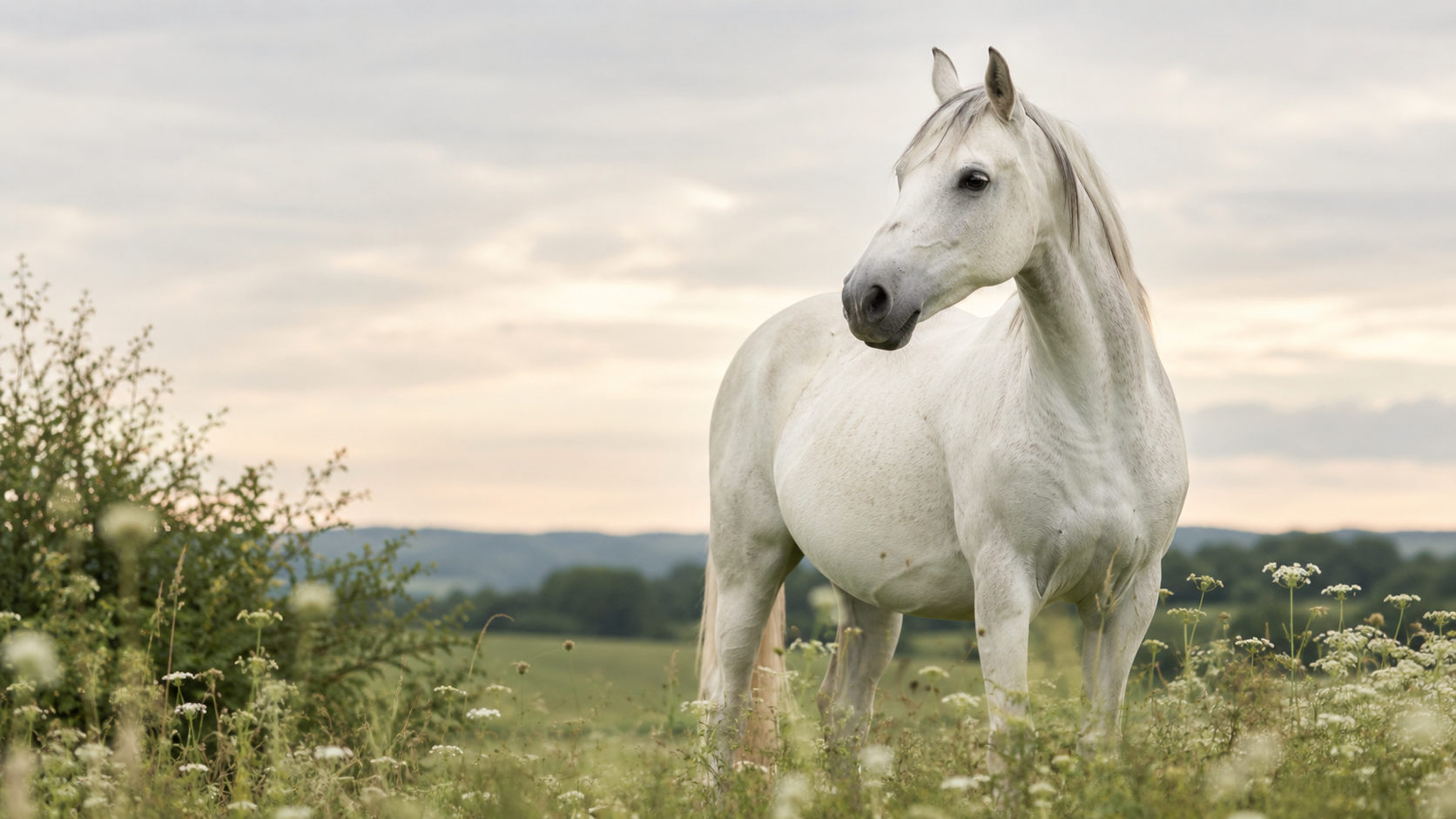
The breed at a glance
The Chilean Horse is renowned for its calm, courageous, and intelligent temperament. It is very docile, loyal, and easy to train, making it an excellent working partner, particularly for cattle. It is also very enduring and resilient.
- Category
- hardy breed
- Origin
- Chile · 16th century
- Height at withers
- 138–145 cm
- Weight
- 400–500 kg
- Lifespan
- 25-30 years
- Common coats
- bay, chestnut, black, grey, palomino, dun, grullo
- Disciplines
- Chilean rodeo, working equitation, endurance riding
- Other names
- Caballo Chileno, Chilean Horse
Origin and history
The Chilean Horse is one of the oldest horse breeds in South America, directly descended from Iberian horses brought by Spanish conquistadors in the 16th century. It was developed through natural selection and selective breeding for its robustness and aptitude for cattle work in the harsh conditions of the Andes. The breed was officially recognized in Chile at the beginning of the 20th century, with the establishment of a studbook. It is considered a national heritage in Chile.

Conformation and physique
It is a compact and muscular horse, with strong bone structure and a stocky build. It conveys an impression of strength and agility, typical of cattle horses.
Medium-sized head, with a straight or slightly convex (subconvex) profile, a broad forehead, and expressive eyes. The ears are small and well-placed.
Short, thick, and muscular neck, well-set into the shoulders. The withers are not very pronounced, blending harmoniously into the back.
Short and strong back, straight and muscular topline. Broad and deep chest, well-sprung ribs. Powerful, rounded, and well-muscled hindquarters, often double.
Short, strong, and clean legs, with broad joints and well-defined tendons. The cannons are short and the hooves are small, round, and extremely hard. Little to no feathering.
- Common coats: bay, chestnut, black, grey, palomino, dun, grullo
Temperament and aptitudes
The Chilean Horse is renowned for its calm, courageous, and intelligent temperament. It is very docile, loyal, and easy to train, making it an excellent working partner, particularly for cattle. It is also very enduring and resilient.
The gaits are energetic, short, and very sure-footed, with great agility. The walk is free-moving, the trot is active, and the canter is balanced, allowing for quick changes of direction.
- Uses: cattle work (Chilean rodeo), recreational riding, trail riding, pack horse, light driving
- Disciplines: Chilean rodeo, working equitation, endurance riding
Feeding the Chilean Horse
The Chilean Horse is a hardy and economical horse, adapted to poor pastures. It has an efficient metabolism and is capable of utilizing medium-quality forages. Its concentrate requirements are low, except during intense work. It is important to monitor its weight as it can be prone to obesity if overfed or sedentary.
As a hardy and economical breed, the Chilean Horse can be predisposed to Equine Metabolic Syndrome (EMS) and laminitis if subjected to a diet too rich in sugars and starch, or if it lacks exercise. Careful dietary management is crucial to prevent these conditions.
With Equio, every feed, supplement or treat is read against the horse's real profile (age, weight, Body Condition Score, conditions) — useful for a Chilean Horse as soon as a metabolic or digestive sensitivity is known.

Health and points to watch
Particular attention must be paid to weight management and the prevention of metabolic conditions. The robustness of its hooves is an asset, but regular and appropriate trimming remains essential to maintain their integrity.
- More frequent conditions: laminitis, Equine Metabolic Syndrome (EMS)
Care and grooming
The hooves of the Chilean Horse are naturally hard and resistant, requiring regular but often less intensive trimming than other breeds. The mane and tail are generally thick and full, requiring regular detangling. Its coat is easy to maintain and does not require specific care; clipping is rarely necessary.
Did you know?
- The Chilean Horse is the only equine breed in the world whose studbook requires breeding stallions and mares to be tested and approved for their aptitude in 'Chilean rodeo', a national equestrian discipline.
- It is considered a 'national monument' in Chile and is protected by specific laws.
- Its ability to work cattle is legendary; it is capable of quick and precise maneuvers, essential in Chilean 'corrales'.
The Chilean Horse and how to track it
The breed is very rare in France, with breeding being almost non-existent. A few individuals may be imported by enthusiasts or riders seeking its specific qualities for working equitation or leisure riding.
Equio lets you build a complete profile for a Chilean Horse: identity, weight, Body Condition Score, feeding, conditions, care reminders (vaccines, worming, trimming) and an exportable health log. The breed sets the identity; everyday decisions still depend on the real horse and your vet's advice.
- Record the activity level: rest, leisure, sport or breeding
- Add known conditions or sensitivities
- Scan feeds, plants and care products
- Keep reminders (vaccines, worming, trimming)
- Prepare a PDF export before a vet appointment
Frequently asked questions
What is the main use of the Chilean Horse?
The main historical and current use of the Chilean Horse is cattle work, particularly in 'Chilean rodeo', a national equestrian discipline. It is also highly valued for leisure riding and trail riding due to its calm temperament and robustness.
Is the Chilean Horse suitable for beginners?
Yes, thanks to its calm, docile, and intelligent temperament, the Chilean Horse can be an excellent choice for beginner riders or those seeking a reliable and safe partner. Its patience and willingness to cooperate make it a pleasant horse to ride.
What are the physical characteristics of the Chilean Horse?
The Chilean Horse is distinguished by its compact and muscular build, short and strong back, powerful hindquarters, and short, robust legs. Its hooves are particularly hard and resistant, adapted to difficult terrain. Its head often presents a subconvex profile.
Is the Chilean Horse a rare breed?
Although it is very widespread and appreciated in Chile, the Chilean Horse is considered a rare breed outside its country of origin. Exports are limited, and the breed is primarily raised to preserve its specific qualities and cultural role in Chile.
How to prevent health problems in the Chilean Horse?
To prevent health problems, particularly metabolic ones, it is essential to adapt the Chilean Horse's diet to its status as a hardy and economical breed. A diet rich in quality forage and low in concentrates, combined with regular exercise, is paramount to maintaining a healthy weight and preventing laminitis or EMS.