
Horse breed
Cavallo Romano della Maremma Laziale
Descending from the indigenous horses of the Maremma Laziale, this breed has been influenced by Oriental and Iberian horses over the centuries. Traditionally used by the butteri (Italian cowboys) for cattle work, it was officially recognized as a distinct breed from the classic Maremmano in the early 2000s, with a specific studbook to preserve its unique characteristics..

The breed at a glance
This is a horse with a lively yet balanced temperament, courageous and very resilient. It is renowned for its intelligence, docility, and great aptitude for work, especially with cattle, making it a reliable and enduring partner.
- Category
- hardy breed
- Origin
- Italy · Antiquity / Middle Ages (established in the 19th century)
- Height at withers
- 150–165 cm
- Weight
- 450–550 kg
- Lifespan
- 25-30 years
- Common coats
- bay, chestnut, black
- Disciplines
- working equitation, TREC, equestrian trail riding
- Other names
- Maremmano Laziale, Maremmano Romano
Origin and history
Descending from the indigenous horses of the Maremma Laziale, this breed has been influenced by Oriental and Iberian horses over the centuries. Traditionally used by the butteri (Italian cowboys) for cattle work, it was officially recognized as a distinct breed from the classic Maremmano in the early 2000s, with a specific studbook to preserve its unique characteristics.

Conformation and physique
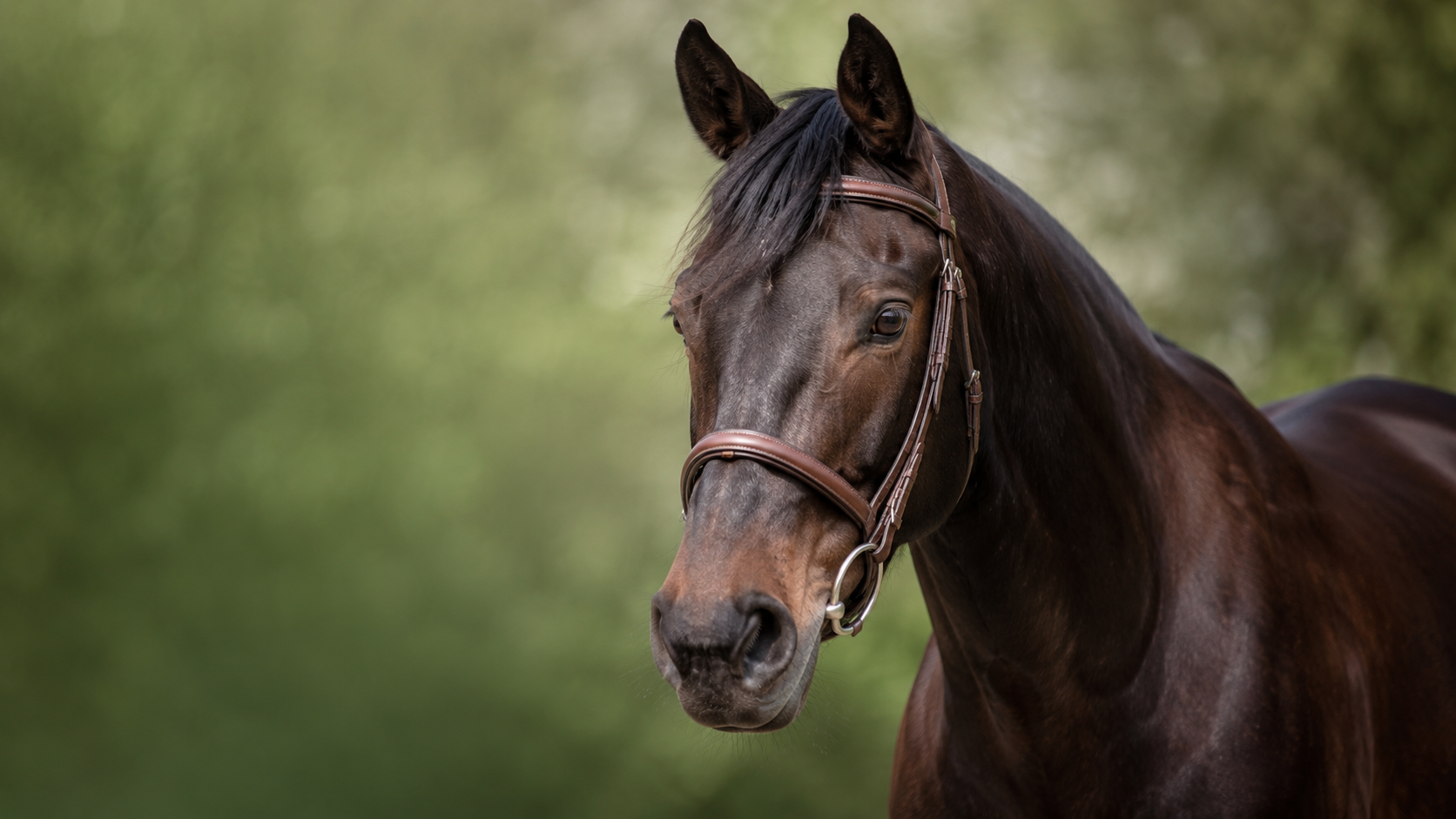
It is a medium-lined, robust, and compact horse, with solid bone structure and well-developed musculature. It presents a harmonious silhouette, typical of hardy working horses.
Medium-sized head, rather dry, with a straight or slightly convex (Roman nose) profile. The eyes are lively and expressive, the ears medium-sized and well-set.
Muscular and well-set neck, of medium length, with a proud carriage. The wither is well-defined and extended.
Short, strong back, taut topline. Ample and deep chest. Muscled, slightly sloping croup, with a well-set tail.
Strong, well-conformed limbs, with large, clean joints. The cannons are short and the hooves are hard and well-shaped. Little to no feathering.
- Common coats: bay, chestnut, black
Temperament and aptitudes
This is a horse with a lively yet balanced temperament, courageous and very resilient. It is renowned for its intelligence, docility, and great aptitude for work, especially with cattle, making it a reliable and enduring partner.
The gaits are expansive, regular, and energetic, with good impulsion. The walk is free, the trot supple, and the canter balanced, suitable for work on varied terrain.
- Uses: cattle work (butteri), recreational riding, equestrian tourism, light driving, mounted guard
- Disciplines: working equitation, TREC, equestrian trail riding
Feeding the Cavallo Romano della Maremma Laziale
The Cavallo Romano della Maremma Laziale is a hardy and economical horse, accustomed to sometimes difficult living conditions. It thrives on quality roughage (hay, grass). Its concentrate requirements are moderate and depend on the intensity of work; excessive intake can lead to overweight.
As a hardy and economical breed, it can be predisposed to obesity and, consequently, to metabolic risks such as laminitis or Equine Metabolic Syndrome (EMS) in cases of overfeeding or a diet too rich in sugars and starch. Careful dietary management is crucial.
With Equio, every feed, supplement or treat is read against the horse's real profile (age, weight, Body Condition Score, conditions) — useful for a Cavallo Romano della Maremma Laziale as soon as a metabolic or digestive sensitivity is known.
Health and points to watch
Particular attention must be paid to weight management to prevent metabolic disorders. The robustness of its hooves requires regular trimming, but it is generally not prone to hoof problems. Annual dental checks are recommended.
- More frequent conditions: locomotor disorders related to wear and tear (osteoarthritis) in older or heavily worked horses
Care and grooming
Care is relatively simple for this hardy breed. The hooves, which are very hard, require regular trimming. The mane and tail are generally left natural. The coat is dense and does not require intensive grooming, except for work or presentation. Clipping is generally not necessary unless for intense work in winter.
Did you know?
- The 'butteri' of Maremma are the famous Italian cowboys who traditionally use these horses for cattle work, perpetuating a centuries-old tradition.
- The Cavallo Romano della Maremma Laziale is a distinct breed from the 'classic' Maremmano, more recently recognized for its specific characteristics and its adaptation to the Lazio region.
- It is renowned for its ability to live in semi-feral conditions and adapt to difficult environments, demonstrating its great hardiness.
The Cavallo Romano della Maremma Laziale and how to track it
The breed is very sparsely represented in France, with breeding primarily concentrated in its region of origin in Italy. A few rare individuals may be found among enthusiasts of hardy breeds or working equitation.
Equio lets you build a complete profile for a Cavallo Romano della Maremma Laziale: identity, weight, Body Condition Score, feeding, conditions, care reminders (vaccines, worming, trimming) and an exportable health log. The breed sets the identity; everyday decisions still depend on the real horse and your vet's advice.
- Record the activity level: rest, leisure, sport or breeding
- Add known conditions or sensitivities
- Scan feeds, plants and care products
- Keep reminders (vaccines, worming, trimming)
- Prepare a PDF export before a vet appointment
Frequently asked questions
What is the difference between the Cavallo Romano della Maremma Laziale and the Maremmano?
The Cavallo Romano della Maremma Laziale is a specific lineage of the Maremmano, bred in the Lazio region (Maremme Laziale). It was recognized as a distinct breed in the early 2000s, with a separate studbook, to preserve its unique morphological and genetic characteristics, which are often hardier and better adapted to its native region.
Is the Cavallo Romano della Maremma Laziale suitable for beginners?
Thanks to its balanced temperament, docility, and intelligence, it can be suitable for supervised beginner riders. However, its liveliness and natural energy require a rider capable of channeling its enthusiasm and providing consistent training.
What is the cost of a Cavallo Romano della Maremma Laziale?
The cost can vary considerably depending on age, training level, lineage, and seller. As a breed not widely spread outside Italy, importation can also influence the price. It is advisable to contact specialized breeders in Italy directly for precise information.
Is this breed threatened?
Yes, the Cavallo Romano della Maremma Laziale is considered a low-population breed and is under protection. Efforts are being made to preserve its genetic purity and increase its numbers, particularly through breeding programs and promotion of its qualities.
Can one do show jumping with a Cavallo Romano della Maremma Laziale?
Although agile and athletic, the Cavallo Romano della Maremma Laziale is not traditionally oriented towards high-level show jumping. Its natural aptitudes predispose it more to working disciplines, trail riding, and recreational riding, where its robustness and endurance are major assets.