
Horse breed
Calabrese
The Calabrese is an ancient breed originating from Calabria, in southern Italy, with roots dating back to antiquity. It was influenced by Oriental horses introduced by the Greeks and Arabs, as well as by Spanish and Neapolitan horses.

The breed at a glance
The Calabrese is renowned for its lively yet balanced, intelligent, and courageous temperament. It is willing to work, easy to train, and shows a great aptitude for learning. Its docility and responsiveness make it an excellent partner for various disciplines.
- Category
- saddle horse
- Origin
- Italy · Antiquity, breed established in the 18th century
- Height at withers
- 158–165 cm
- Weight
- 450–550 kg
- Lifespan
- 25-30 years
- Common coats
- bay, chestnut, grey, black
- Disciplines
- show jumping, dressage, eventing, endurance riding
- Other names
- Cheval Calabrais
Origin and history
The Calabrese is an ancient breed originating from Calabria, in southern Italy, with roots dating back to antiquity. It was influenced by Oriental horses introduced by the Greeks and Arabs, as well as by Spanish and Neapolitan horses. The breed was established in the 18th century through crosses with Thoroughbreds and local saddle horses. Historically used as a cavalry and working horse, it is now primarily a riding and sport horse. The breed is officially recognized, and its studbook is managed by the Associazione Italiana Allevatori (AIA).
Conformation and physique
The Calabrese is a medium-sized horse, elegant and harmonious, with an athletic build and solid yet refined bone structure. It has a mediolineal conformation, typical of saddle horses. Its musculature is well-developed, without being excessive.
The head is noble, medium-sized, with a straight or slightly convex (sub-convex) profile. The eyes are large and expressive, the nostrils wide, and the ears well-set and mobile.
The neck is long, well-muscled, and arched, blending harmoniously into a well-defined and extended wither. It contributes to the horse's overall elegance and its ability to balance.
The back is short and strong, the topline is taut and muscular. The chest is broad and deep, offering good respiratory capacity. The croup is long, muscular, and slightly sloped, with a well-set tail.
The limbs are strong, with large and well-defined joints. The cannons are short, and the tendons are clean and well-defined. The feet are well-formed, with hard and resistant horn. Feathers are generally sparse.
- Common coats: bay, chestnut, grey, black
Temperament and aptitudes
The Calabrese is renowned for its lively yet balanced, intelligent, and courageous temperament. It is willing to work, easy to train, and shows a great aptitude for learning. Its docility and responsiveness make it an excellent partner for various disciplines.
The Calabrese's gaits are ample, supple, and energetic, with good balance and natural impulsion. The walk is regular, the trot is extended, and the canter is rhythmic and comfortable, making it pleasant to ride.
- Uses: saddle horse, sport horse, light work horse, recreational riding
- Disciplines: show jumping, dressage, eventing, endurance riding, driving
Feeding the Calabrese
The Calabrese is a horse with a rather efficient metabolism, capable of thriving on a basic diet. It does not show a particular tendency to become overweight if worked regularly. A diet rich in good quality forage (hay, grass) forms the basis of its regimen. Concentrates will be added depending on the intensity of work, to cover the increased energy and protein needs of sport horses.
There are no documented specific predispositions for the Calabrese breed regarding dietary sensitivities or metabolic risks such as laminitis, Equine Metabolic Syndrome (EMS), or PSSM. A balanced diet adapted to its activity level is recommended to maintain good general health.
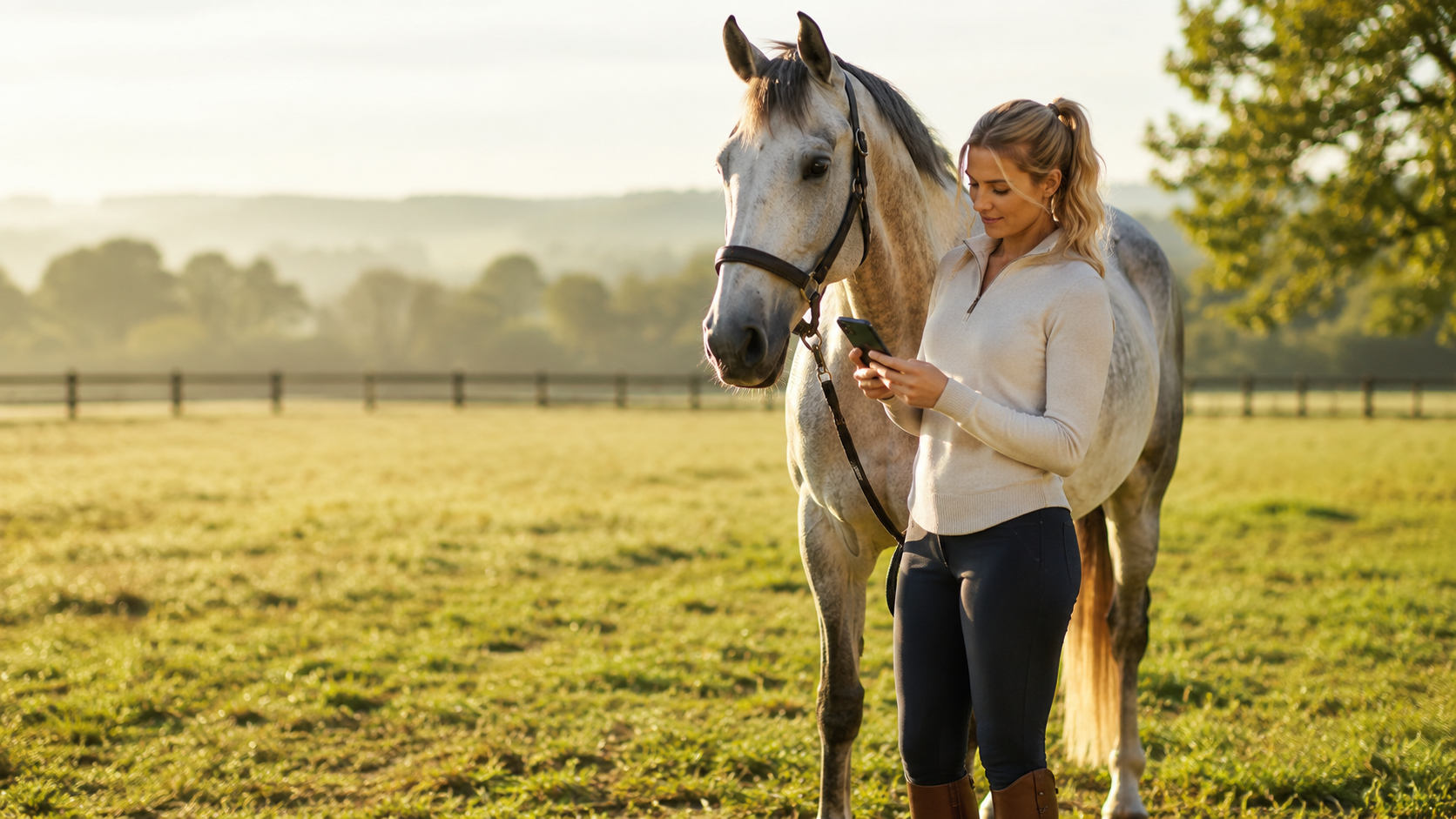
With Equio, every feed, supplement or treat is read against the horse's real profile (age, weight, Body Condition Score, conditions) — useful for a Calabrese as soon as a metabolic or digestive sensitivity is known.
Health and points to watch
As with any athletic breed, particular attention should be paid to the musculoskeletal system, especially the joints and tendons, particularly during intense work. Regular hoof monitoring is also essential to prevent foot conditions. Annual veterinary follow-up is recommended for vaccinations and deworming.
Care and grooming
Care for the Calabrese is typical of a classic saddle horse. Regular hoof trimming is necessary to maintain their integrity. The mane, tail, and coat do not require specific care; daily brushing is sufficient to maintain the cleanliness and shine of the coat. Clipping may be considered for horses working intensely in winter.
Did you know?
- The Calabrese has been used for centuries by the Italian cavalry for its robustness and courage.
- It is sometimes nicknamed the 'Thoroughbred of Southern Italy' due to its elegance and its Thoroughbred-influenced origins.
- The breed experienced a significant decline after World War II, but conservation efforts have allowed it to be maintained and developed.
The Calabrese and how to track it
The Calabrese breed is not widespread in France, where it is mainly found with a few passionate breeders or imported for recreational and sport riding by enthusiasts of Italian breeds.
Equio lets you build a complete profile for a Calabrese: identity, weight, Body Condition Score, feeding, conditions, care reminders (vaccines, worming, trimming) and an exportable health log. The breed sets the identity; everyday decisions still depend on the real horse and your vet's advice.
- Record the activity level: rest, leisure, sport or breeding
- Add known conditions or sensitivities
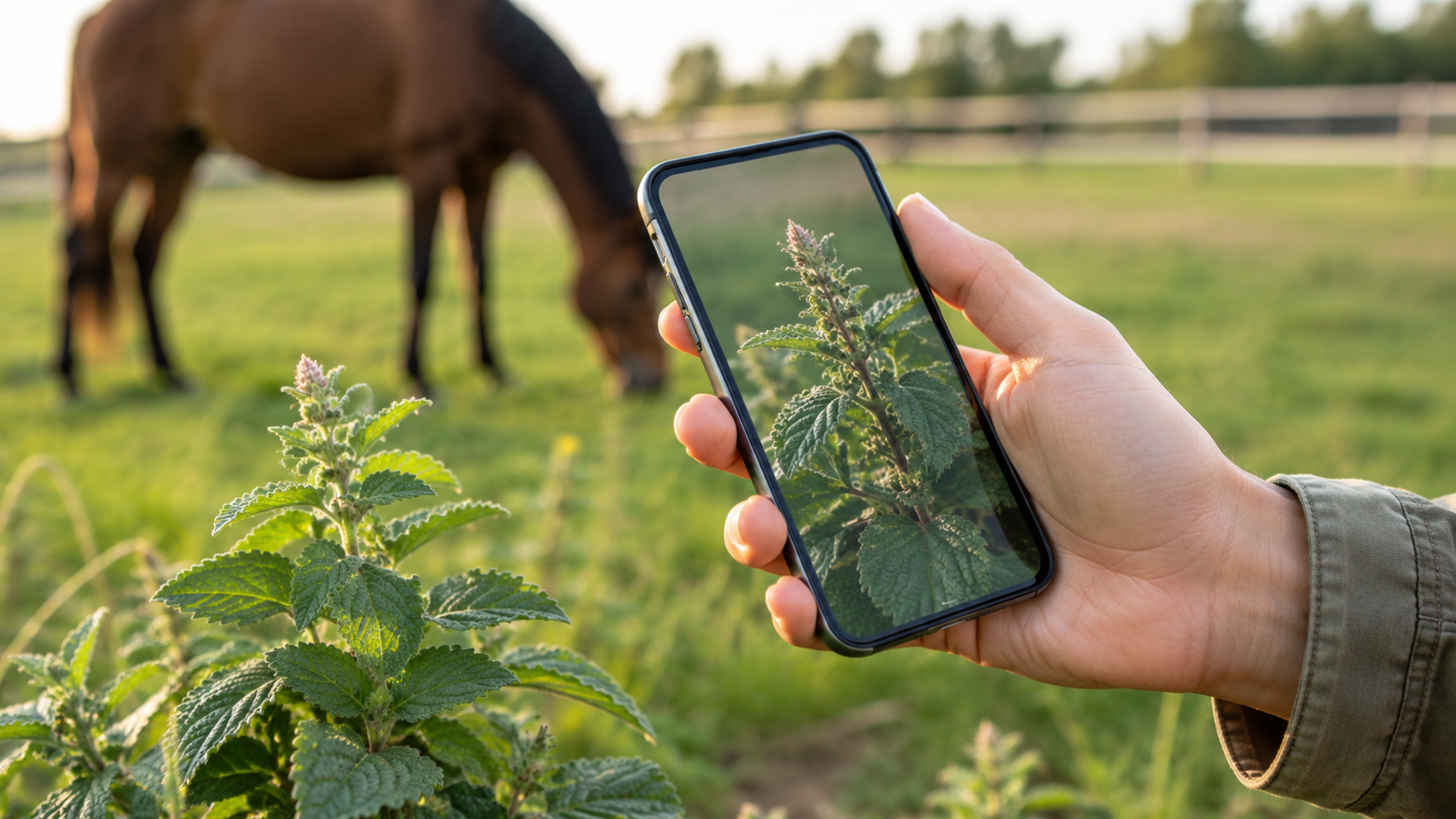
- Scan feeds, plants and care products
- Keep reminders (vaccines, worming, trimming)
- Prepare a PDF export before a vet appointment
Frequently asked questions
Is the Calabrese a good horse for beginners?
Thanks to its balanced, intelligent, and willing temperament, the Calabrese can be suitable for supervised beginner riders, provided they are ready to learn and progress with it. Its responsiveness requires a certain finesse in the aids.
What is the purchase cost of a Calabrese horse?
The cost of a Calabrese can vary considerably depending on its age, training level, lineage, and athletic potential. In Italy, prices can range from a few thousand to over ten thousand euros for quality specimens. In France, the rarity of the breed can drive prices higher.
Is the Calabrese adapted to the French climate?
Yes, the Calabrese is a hardy and adaptable breed, accustomed to the climatic variations of Southern Italy. It adapts very well to the temperate climates of France, provided it receives appropriate care and shelter, like any other horse.
What are the main qualities of the Calabrese in sport?
The Calabrese excels in sport thanks to its expansive gaits, agility, courage, and intelligence. It is particularly valued in show jumping and eventing for its responsiveness and ability to clear obstacles, as well as in dressage for its suppleness and willingness.
Where can Calabrese breeders be found in France?
Calabrese breeders are rare in France. It is advisable to contact Italian breed associations or directly official bodies in Italy (such as the AIA) to obtain lists of breeders or contacts for importation. Advertisements can sometimes be found on specialized platforms.