
Horse breed
Brabant
The Brabant is one of the oldest draft horse breeds, descending from the great medieval horses. Its modern development began in the 19th century in the Brabant region of Belgium, through rigorous selection for strength and temperament.
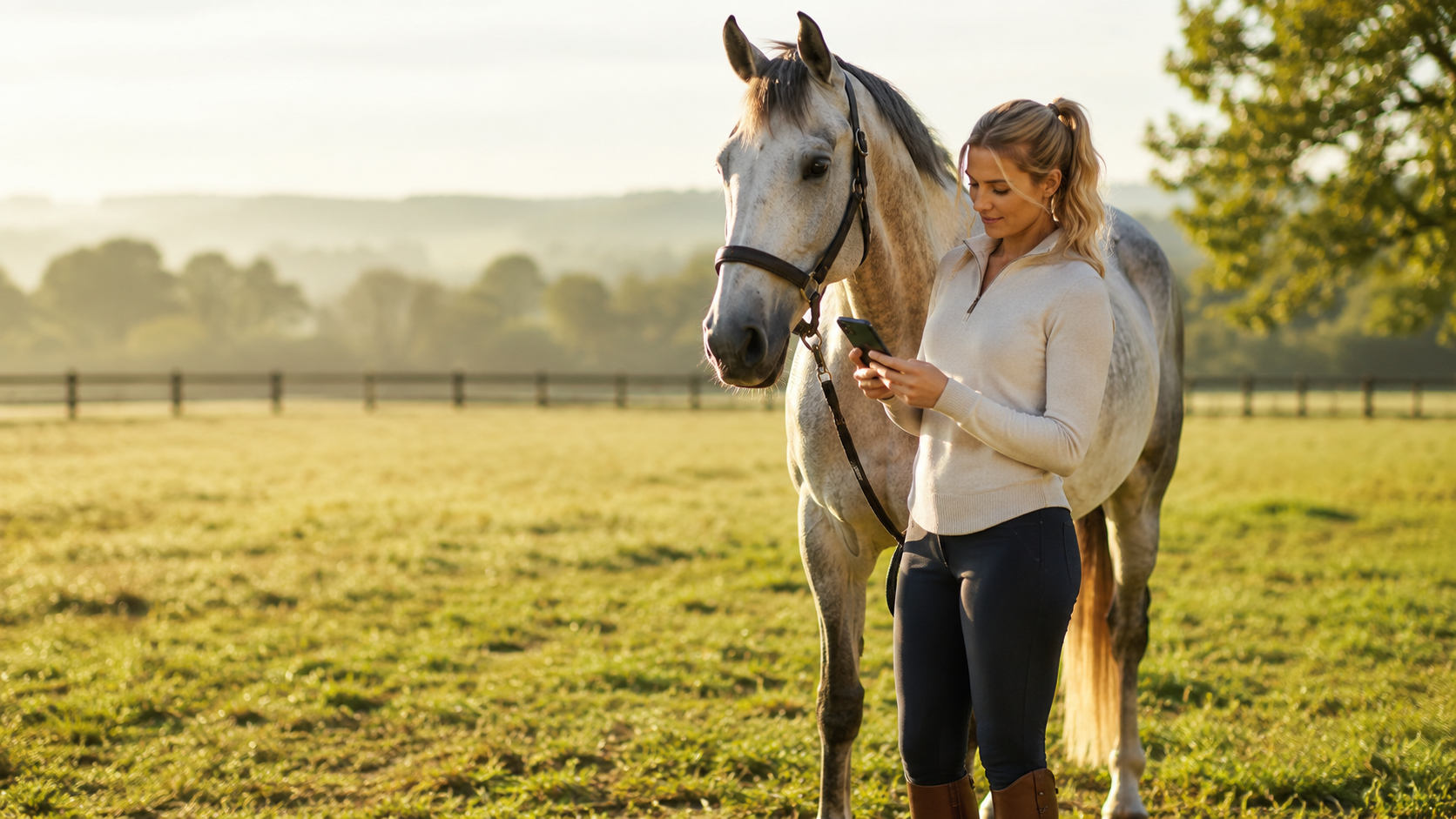
The breed at a glance
The Brabant is renowned for its calm, gentle, and docile temperament. It is a willing, patient, and very hardworking horse, making it easy to handle and train. It is also very sociable and appreciated for its kindness.
- Category
- draft horse
- Origin
- Belgium · Middle Ages (established in the 19th century)
- Height at withers
- 160–173 cm
- Weight
- 700–1200 kg
- Lifespan
- 20-25 years
- Common coats
- chestnut, roan, bay, iron grey
- Disciplines
- Heavy draft competition, Leisure driving
- Other names
- Cheval de trait belge, Brabançon, Belgian Draft Horse
Origin and history
The Brabant is one of the oldest draft horse breeds, descending from the great medieval horses. Its modern development began in the 19th century in the Brabant region of Belgium, through rigorous selection for strength and temperament. The breed was officially recognized and its studbook established at the end of the 19th century. It played a crucial role in agriculture and transport in Europe and influenced many other draft breeds worldwide.

Conformation and physique
It is a heavy, powerful, and compact draft horse, with very strong bone structure and impressive musculature. Its silhouette is massive and harmonious, exuding great strength.
Medium-sized, expressive head, with a straight or slightly convex profile. The eyes are large and calm, the ears small and well-placed.
Short, very thick, and muscular neck, well-set into the shoulders. The withers are broad and not very prominent, blending smoothly into the backline.
Short, broad, and very muscular back, with a strong topline. The chest is deep and wide, the ribs well-sprung. The croup is double, very broad and powerful, slightly sloped.
Short, very strong and muscular limbs, with large, solid joints. The cannons are short and thick, the feet wide and well-formed. The feathering is abundant and silky.
- Common coats: chestnut, roan, bay, iron grey
Temperament and aptitudes
The Brabant is renowned for its calm, gentle, and docile temperament. It is a willing, patient, and very hardworking horse, making it easy to handle and train. It is also very sociable and appreciated for its kindness.
The gaits are expansive, energetic, and regular, with good impulsion. Despite its mass, the Brabant moves with suppleness and determination, typical of a powerful draft horse.
- Uses: Agricultural work (plowing, logging), Heavy transport (hauling goods), Recreational and competitive driving, Forest skidding, Meat (historically and in some countries)
- Disciplines: Heavy draft competition, Leisure driving
Feeding the Brabant
The Brabant is a horse with a rather efficient metabolism, capable of effectively utilizing forage. It tends to gain weight if not worked or if its diet is not controlled. A diet rich in good quality forage (hay, grass) is essential. Concentrates are only necessary for intense work and must be adjusted to avoid excesses of sugars and starch.
Like many draft horses, the Brabant can be predisposed to obesity and, consequently, to Equine Metabolic Syndrome (EMS) and laminitis if overfed or given unlimited access to rich pastures. It is important to monitor its weight and adjust its diet accordingly.
With Equio, every feed, supplement or treat is read against the horse's real profile (age, weight, Body Condition Score, conditions) — useful for a Brabant as soon as a metabolic or digestive sensitivity is known.

Health and points to watch
Particular attention must be paid to weight management to prevent metabolic and joint problems. Monitoring the lower limbs is crucial for early detection of signs of LCP. Regular hoof care is also essential due to their size and the load they bear.
- Documented genetic disorders: PSSM1 (Polysaccharide Storage Myopathy type 1)
- More frequent conditions: Chronic Progressive Lymphedema (CPL), Joint problems related to weight and workload, Laminitis (in case of poor dietary management)
Care and grooming
The large, strong hooves require regular trimming adapted to their size. Abundant feathering must be cleaned and dried regularly to prevent skin conditions (mud fever, dermatitis). The thick coat requires regular brushing, especially during shedding season. Clipping may be considered for horses working intensely to facilitate drying and maintenance.
Did you know?
- The Brabant was one of the foundational breeds of the American Belgian Draft Horse, which is now one of the most popular draft breeds in the United States.
- Despite its size and strength, the Brabant is often nicknamed the 'gentle giant' due to its exceptionally mild temperament.
- Roan and chestnut coats are the most iconic of the breed, with distinct shades that vary according to bloodlines.
The Brabant and how to track it
The Brabant breed is present in France, but in limited numbers. It is mainly used for recreational driving, logging, and the preservation of equine heritage. A few passionate breeders contribute to its preservation.
Equio lets you build a complete profile for a Brabant: identity, weight, Body Condition Score, feeding, conditions, care reminders (vaccines, worming, trimming) and an exportable health log. The breed sets the identity; everyday decisions still depend on the real horse and your vet's advice.
- Record the activity level: rest, leisure, sport or breeding
- Add known conditions or sensitivities
- Scan feeds, plants and care products
- Keep reminders (vaccines, worming, trimming)
- Prepare a PDF export before a vet appointment
Frequently asked questions
What is the purchase cost of a Brabant horse?
The price of a Brabant varies considerably depending on age, sex, lineage, training level, and conformation. A foal can cost from 2,000 to 5,000 euros, while a well-trained adult for driving can reach 5,000 to 15,000 euros, or even more for exceptional individuals.
Is the Brabant suitable for beginners?
Yes, thanks to its calm and docile temperament, the Brabant is often considered an excellent breed for beginners or less experienced riders, especially for driving or groundwork. Its patience and kindness make it a reliable partner.
What are the main differences between the Brabant and the American Belgian Draft Horse?
The Brabant is the original Belgian breed, while the American Belgian Draft Horse is a distinct breed developed in the United States from imported Brabant horses. The American Belgian Draft Horse is generally a bit lighter, with a slightly different conformation and a predominance of chestnut coats with flaxen manes and tails, whereas the Belgian Brabant exhibits a greater diversity of coat colors.
Can the Brabant be ridden?
Although primarily bred for driving and draft work, the Brabant can certainly be ridden. Its large size and strength make it a comfortable and safe mount, particularly appreciated for trail riding or light arena work, although it is not suited for demanding equestrian sports.
How to prevent Chronic Progressive Lymphedema (CPL) in the Brabant?
CPL is a complex genetic disease. Prevention involves rigorous selection of breeding stock to avoid transmission. For affected or at-risk horses, impeccable feathering hygiene, regular cleaning, thorough drying, and careful monitoring of the limbs are essential to manage symptoms and prevent secondary infections.