
Horse breed
Baluchi
The Baluchi is an ancient breed originating from the Balochistan region, shared between Pakistan, Iran, and Afghanistan. Its history is closely linked to the nomadic tribes of the region, who developed it for warfare, transport, and agricultural work.

The breed at a glance
The Baluchi is renowned for its courageous, resilient, and willing temperament. It is intelligent and generally easy to train, showing great loyalty to its rider. Its hardiness makes it undemanding and highly adaptable.
- Category
- hardy breed
- Origin
- Pakistan · Antiquity / Middle Ages
- Height at withers
- 132–142 cm
- Weight
- 300–380 kg
- Lifespan
- 20-25 years
- Common coats
- bay, chestnut, grey, black
- Disciplines
- endurance riding, equestrian trail riding, cattle work
- Other names
- Baluchistan Pony, Baluchi Horse
Origin and history
The Baluchi is an ancient breed originating from the Balochistan region, shared between Pakistan, Iran, and Afghanistan. Its history is closely linked to the nomadic tribes of the region, who developed it for warfare, transport, and agricultural work. Although its exact origin is uncertain, it is considered a descendant of local horses and potentially influenced by Persian and Arabian breeds. The breed does not have major official international recognition, but it is valued locally for its qualities of hardiness and endurance.
Conformation and physique
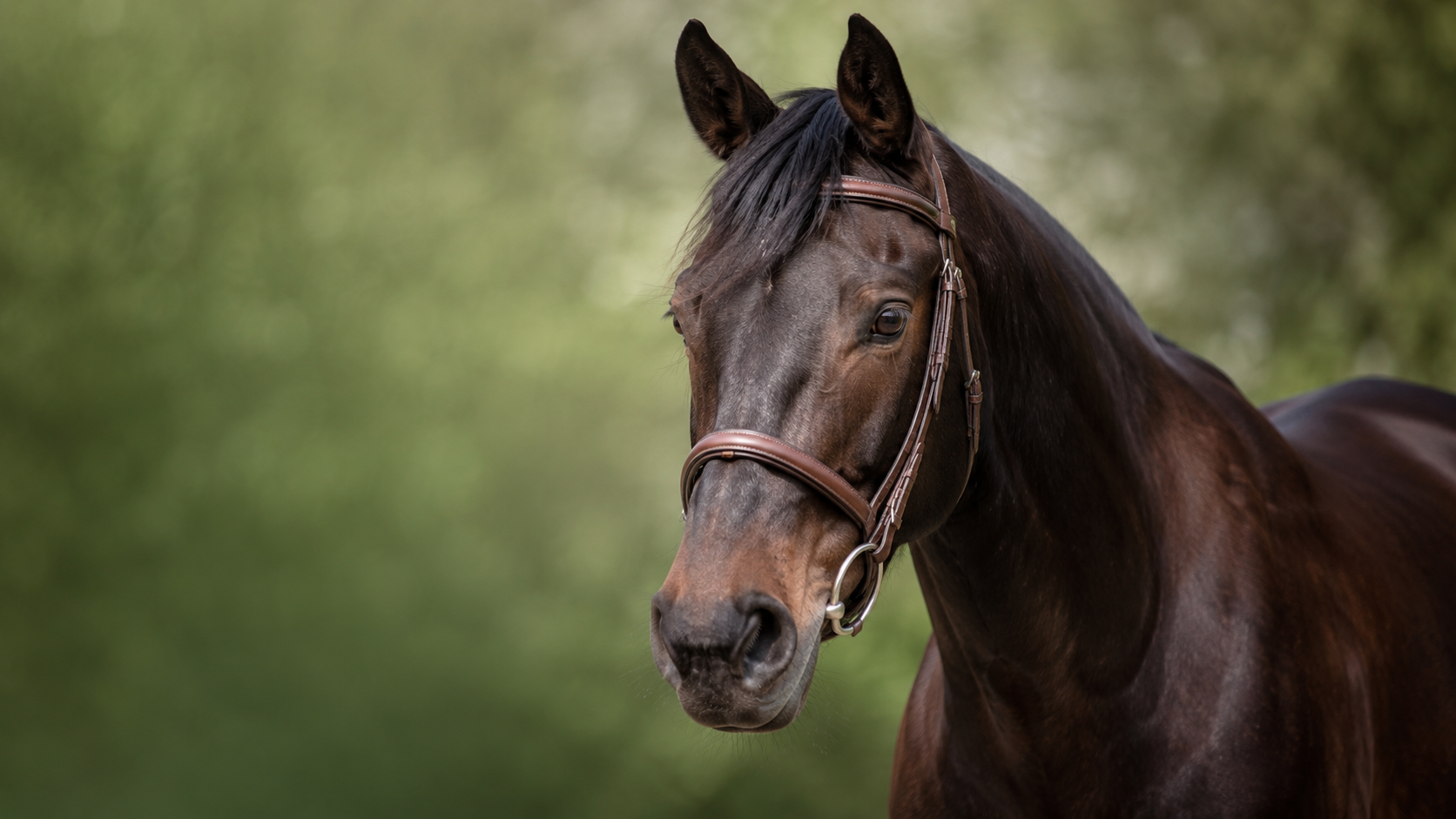
The Baluchi is a small-sized horse, compact and muscular, with solid bone structure. It has a typical desert horse silhouette, adapted for endurance and hardiness.
The head is medium-sized, often with a straight or slightly convex profile. The eyes are expressive and the ears are medium-sized, well-set.
The neck is medium in length, well-set and muscular, blending harmoniously into a rather flat and not very prominent wither.
The back is short and strong, the topline is solid. The chest is deep, ensuring good lung capacity. The croup is muscular and slightly sloped.
The limbs are clean, strong, and well-muscled, with well-defined joints and tendons. The hooves are hard and tough, adapted to difficult terrain. Feathering is generally absent or very sparse.
- Common coats: bay, chestnut, grey, black
Temperament and aptitudes
The Baluchi is renowned for its courageous, resilient, and willing temperament. It is intelligent and generally easy to train, showing great loyalty to its rider. Its hardiness makes it undemanding and highly adaptable.
The gaits are generally supple, energetic, and enduring, with an active walk and a regular trot. The canter is light and fast, suited for long distances.
- Uses: pack animal / carrying loads, working equitation, traditional races, war (historical), light agriculture
- Disciplines: endurance riding, equestrian trail riding, cattle work
Feeding the Baluchi
The Baluchi is a horse with a very efficient metabolism, accustomed to arid conditions and limited resources. It is capable of utilizing poor quality forage and has a natural tendency to gain weight if its diet is not controlled. A diet based primarily on good quality roughage (hay, grass) is sufficient for most individuals. Concentrates are only necessary in cases of intense work or specific needs (gestation, lactation), and should be introduced sparingly to avoid excess weight.
Due to its efficient metabolism, the Baluchi can be predisposed to Equine Metabolic Syndrome (EMS) and laminitis if overfed or if it has unlimited access to rich pastures. It is important to monitor its weight and limit sugar and starch intake.
With Equio, every feed, supplement or treat is read against the horse's real profile (age, weight, Body Condition Score, conditions) — useful for a Baluchi as soon as a metabolic or digestive sensitivity is known.

Health and points to watch
Regular weight monitoring is essential to prevent obesity and associated metabolic problems. The hooves, although robust, require regular trimming to maintain their integrity. Particular attention should be paid to dental health, especially in older horses.
- More frequent conditions: laminitis, Equine Metabolic Syndrome (EMS), age-related dental problems
Care and grooming
Baluchi care is relatively simple due to its hardiness. The very hard hooves require regular trimming but are rarely shod except for specific uses. The mane and tail are generally left natural. The short coat only requires regular brushing. Its skin is tough and not very prone to skin conditions.
Did you know?
- The Baluchi is often used in traditional camel races in Pakistan, where it serves as a riding horse for jockeys.
- Its ability to survive in hostile environments makes it a symbol of resilience for the people of Balochistan.
- Despite its small size, it is renowned for its strength and its ability to carry heavy loads over long distances.
The Baluchi and how to track it
The Baluchi breed is extremely rare in France and is not subject to structured breeding there. The few individuals present would be isolated imports or collection horses.
Equio lets you build a complete profile for a Baluchi: identity, weight, Body Condition Score, feeding, conditions, care reminders (vaccines, worming, trimming) and an exportable health log. The breed sets the identity; everyday decisions still depend on the real horse and your vet's advice.
- Record the activity level: rest, leisure, sport or breeding
- Add known conditions or sensitivities
- Scan feeds, plants and care products
- Keep reminders (vaccines, worming, trimming)
- Prepare a PDF export before a vet appointment
Frequently asked questions
Is the Baluchi a good horse for beginners?
Thanks to its calm temperament and willingness to cooperate, the Baluchi can be a good horse for beginner riders, provided they are supervised and respect its specific needs regarding diet and exercise.
What is the difference between a Baluchi and a pony?
Although small in size (often under 148 cm), the Baluchi is considered a horse due to its morphology and proportions. It possesses the strength and endurance of a horse, unlike most ponies which have stockier characteristics.
Can the Baluchi live outdoors all year round?
Yes, the Baluchi is a very hardy breed and perfectly adapted to living outdoors all year round, provided it has natural or artificial shelter to protect itself from the elements and constant access to water and forage.
Is it easy to find a Baluchi for sale?
No, the Baluchi is a very rare breed outside its region of origin (Pakistan). It is extremely difficult to find one for sale in Europe or North America.
Is the Baluchi fast?
The Baluchi is not a pure speed racehorse, but it is very enduring and capable of maintaining a sustained canter over long distances, which makes it fast on endurance courses.